Lucas Bennett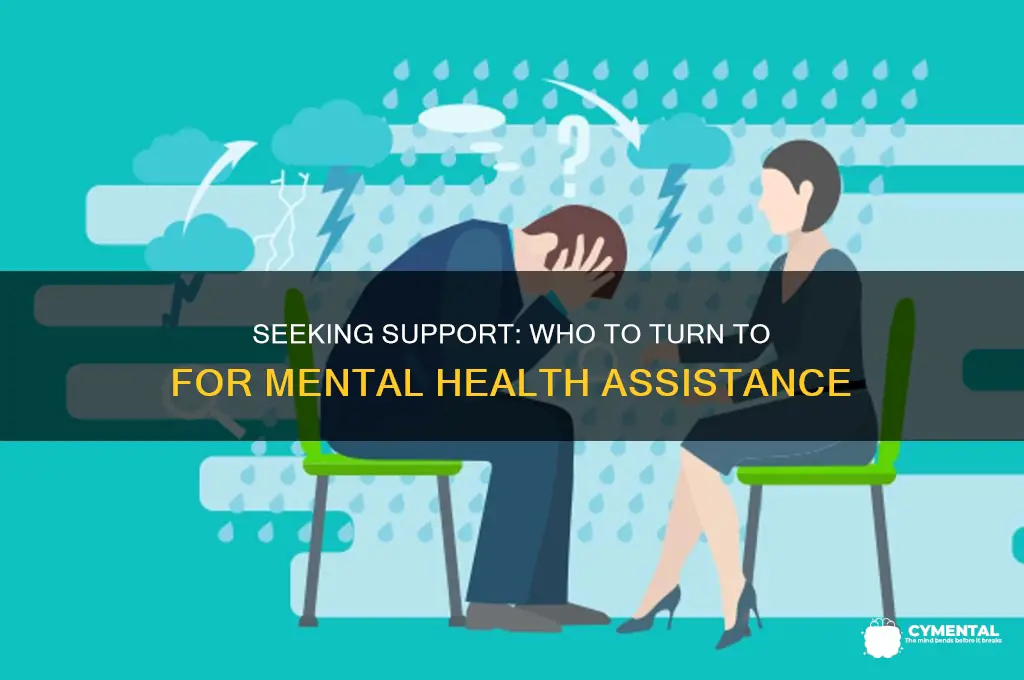
Navigating mental health challenges can feel overwhelming, but knowing who to turn to for support is a crucial step toward healing and recovery. Whether you’re experiencing anxiety, depression, stress, or other mental health issues, there are numerous resources and individuals available to help. You can seek assistance from licensed mental health professionals such as therapists, counselors, or psychologists, who provide evidence-based treatments tailored to your needs. Primary care physicians or psychiatrists can also offer medical advice and prescribe medication if necessary. Additionally, trusted friends, family members, or support groups can provide emotional support and understanding. Many communities offer helplines, crisis centers, or online platforms for immediate assistance. Remember, reaching out for help is a sign of strength, and there are compassionate people and organizations ready to guide you on your journey to better mental well-being.
Explore related products


What You'll Learn
- Primary Care Doctors: Discuss mental health concerns with your regular doctor for initial guidance
- Therapists/Counselors: Seek licensed professionals for talk therapy and emotional support
- Psychiatrists: Consult for medication management and advanced mental health treatment
- Helplines/Hotlines: Access 24/7 crisis support and resources via phone or online
- Support Groups: Join peer-led groups for shared experiences and community assistance

Primary Care Doctors: Discuss mental health concerns with your regular doctor for initial guidance
Your primary care doctor is often the first point of contact for any health concern, and mental health is no exception. They are trained to recognize and address a wide range of issues, from physical ailments to emotional struggles. While they may not specialize in mental health, they can provide initial guidance, rule out underlying medical causes, and refer you to appropriate specialists if needed. Think of them as your health quarterback, coordinating care and ensuring you get the support you need.
For instance, if you’re experiencing persistent sadness, anxiety, or changes in sleep patterns, your doctor can assess whether these symptoms might be linked to thyroid dysfunction, vitamin deficiencies, or other medical conditions. They can order blood tests, review your medications for potential side effects, and offer lifestyle recommendations like exercise or dietary changes that often complement mental health treatment.
Discussing mental health with your primary care doctor doesn’t require a crisis. In fact, it’s better to bring up concerns early. Start by jotting down specific symptoms, their frequency, and how they impact your daily life. Be honest about any substance use, as this can affect both mental and physical health. Your doctor needs a clear picture to provide effective care. If you’re unsure how to begin the conversation, try saying, “I’ve been feeling overwhelmed lately, and I’m not sure if it’s something I should be concerned about.”
While primary care doctors can manage mild to moderate mental health issues, they often collaborate with specialists for more complex cases. They may refer you to a psychiatrist, psychologist, or therapist, depending on your needs. For example, if you’re diagnosed with depression, your doctor might prescribe an antidepressant like sertraline (starting at 25–50 mg daily) while referring you to a therapist for cognitive-behavioral therapy. This combined approach is common and often more effective than either treatment alone.
One practical tip: if you’re hesitant to discuss mental health, remember that doctors are bound by confidentiality and are there to help, not judge. Additionally, many primary care practices now integrate behavioral health specialists, so you might see a therapist or counselor in the same office. This model, known as collaborative care, has been shown to improve outcomes for conditions like depression and anxiety. By starting with your primary care doctor, you’re taking a proactive step toward holistic health, addressing both mind and body in one place.
RimWorld Mental Health: Strategies to Support Your Colonists' Well-Being
You may want to see also
Explore related products


Therapists/Counselors: Seek licensed professionals for talk therapy and emotional support
Licensed therapists and counselors are trained to provide structured, evidence-based support for mental health challenges. Unlike well-meaning friends or family, these professionals offer a nonjudgmental space where conversations are guided by proven techniques like cognitive behavioral therapy (CBT) or dialectical behavior therapy (DBT). Sessions typically last 45–60 minutes and occur weekly or biweekly, depending on your needs. Consistency is key—think of it as mental exercise, where progress builds over time.
Choosing the right therapist is like finding a good pair of shoes: fit matters. Look for someone licensed in your state (e.g., LPC, LCSW, PsyD, or PhD) and experienced in treating your specific concerns, whether it’s anxiety, depression, or trauma. Many therapists offer free consultations, so don’t hesitate to "shop around." Platforms like Psychology Today or BetterHelp can help you filter by specialty, cost, and modality (in-person vs. online). Remember, therapy isn’t one-size-fits-all—if the first match doesn’t feel right, keep looking.
Therapy isn’t just about venting; it’s about skill-building. A good therapist will teach you tangible tools, like mindfulness exercises for anxiety or communication strategies for relationships. For example, CBT helps you identify and reframe negative thought patterns, while DBT focuses on emotional regulation. These skills are actionable—you can practice them outside of sessions to reinforce progress. Think of therapy as a workshop, not just a conversation.
Cost is a common barrier, but solutions exist. Many therapists offer sliding-scale fees based on income, and insurance often covers mental health services. If you’re uninsured, community health centers or university training clinics provide low-cost options. Apps like Open Path Collective connect you with affordable therapists nationwide. Investing in therapy is investing in yourself—it’s not an expense but a tool for long-term well-being.
Finally, therapy requires vulnerability, but it’s a safe space to explore difficult emotions. Your therapist won’t judge or dismiss your feelings; their role is to guide, not fix. Be honest about what’s working (or not) in sessions—this feedback helps tailor the approach to your needs. Therapy isn’t a quick fix, but with commitment, it can lead to profound personal growth. Start today—reaching out is the first step toward reclaiming your mental health.
Australia's Innovative Mental Health Support: Initiatives and Impact
You may want to see also
Explore related products





Psychiatrists: Consult for medication management and advanced mental health treatment
Psychiatrists are medical doctors specializing in mental health, uniquely qualified to diagnose, treat, and manage complex psychiatric conditions. Unlike therapists or counselors, they can prescribe medications, making them essential for individuals requiring pharmacological intervention. For instance, someone with severe depression might benefit from selective serotonin reuptake inhibitors (SSRIs) like fluoxetine (Prozac), typically starting at 20 mg daily and adjusted based on response and side effects. This ability to combine medication management with therapeutic techniques positions psychiatrists as key players in advanced mental health treatment.
Consider the case of bipolar disorder, a condition characterized by extreme mood swings. Psychiatrists often prescribe mood stabilizers such as lithium, which requires careful monitoring of blood levels to ensure therapeutic efficacy (0.8–1.2 mEq/L) while avoiding toxicity. They may also integrate psychotherapy, such as cognitive-behavioral therapy (CBT), to help patients recognize and manage triggers. This dual approach underscores the psychiatrist’s role in addressing both the biological and psychological facets of mental illness, offering a comprehensive treatment plan tailored to individual needs.
For those exploring psychiatric care, the initial consultation typically involves a thorough assessment, including medical history, symptom evaluation, and sometimes laboratory tests. Patients should come prepared with a list of current medications, symptoms, and questions about potential treatments. For example, a patient with anxiety might discuss options like benzodiazepines (e.g., alprazolam) for short-term relief, weighing benefits against risks such as dependence. Psychiatrists often collaborate with primary care physicians and therapists to ensure holistic care, particularly for conditions like ADHD, where stimulant medications like methylphenidate (Ritalin) may be prescribed alongside behavioral interventions.
One practical tip for maximizing psychiatric care is to maintain open communication. If a medication isn’t working or causes side effects, report this promptly—adjustments can often resolve issues. For instance, switching from an SSRI to a serotonin-norepinephrine reuptake inhibitor (SNRI) like venlafaxine might be recommended for treatment-resistant depression. Additionally, tracking symptoms in a journal can provide valuable data for treatment decisions. While psychiatrists focus on medication, they often incorporate brief psychotherapeutic strategies, ensuring patients receive immediate coping tools while pharmacotherapy takes effect.
In conclusion, psychiatrists offer a unique blend of medical expertise and therapeutic insight, making them indispensable for advanced mental health treatment. Their ability to prescribe and manage medications, coupled with their understanding of psychological principles, allows for targeted, multifaceted care. Whether addressing severe depression, bipolar disorder, or anxiety, consulting a psychiatrist can provide access to evidence-based treatments that significantly improve quality of life. For those needing structured, medically informed care, psychiatrists are often the first and most critical step toward recovery.
Crafting Calm: How Creative Hobbies Boost Mental Well-Being
You may want to see also
Explore related products

$12.99

$14.15 $20

$12.14 $19.99


Helplines/Hotlines: Access 24/7 crisis support and resources via phone or online
In moments of mental health crisis, immediate support can be a lifeline. Helplines and hotlines offer 24/7 access to trained professionals who provide confidential, non-judgmental assistance via phone, text, or online chat. These services are designed to help individuals navigate acute distress, suicidal thoughts, anxiety, or any overwhelming emotional state. For instance, the National Suicide Prevention Lifeline (988 in the U.S.) connects callers to counselors who can de-escalate crises and provide coping strategies. Similarly, Crisis Text Line (text HOME to 741741) offers silent, text-based support for those who prefer not to speak. These resources are free, anonymous, and available to anyone, regardless of age or background.
While helplines are not a substitute for long-term therapy, they serve as a critical bridge during emergencies. For example, a person experiencing a panic attack at 3 a.m. can call a hotline to receive grounding techniques and reassurance until the episode subsides. Some services, like the Trevor Project for LGBTQ+ youth, specialize in addressing specific demographics, ensuring culturally sensitive care. Online platforms, such as 7 Cups, provide chat-based support with trained listeners, ideal for those uncomfortable with voice calls. It’s essential to know these options exist and how to access them quickly—save hotline numbers in your phone or write them down for easy reference.
One common misconception is that helplines are only for suicidal crises. In reality, they address a wide range of issues, from relationship stress to substance abuse. For instance, the Substance Abuse and Mental Health Services Administration (SAMHSA) helpline (1-800-662-HELP) offers referrals to local treatment facilities and support groups. Additionally, international helplines like Befrienders Worldwide provide country-specific resources, ensuring global accessibility. When reaching out, be as honest as possible about your feelings—the more information you share, the better the counselor can assist.
To maximize the effectiveness of helplines, prepare by finding a quiet, safe space to talk or chat. If you’re calling for someone else, ask their permission first, unless they’re in immediate danger. Keep in mind that wait times may vary, especially during peak hours, so patience is key. After using a helpline, consider following up with a mental health professional for ongoing care. Helplines are a powerful tool, but they’re just one part of a comprehensive support system. Knowing how and when to use them can make a significant difference in managing mental health crises.
Boost Focus and Calm: Strategies for Achieving Mental Clarity
You may want to see also
Explore related products


Support Groups: Join peer-led groups for shared experiences and community assistance
Support groups offer a unique form of mental health assistance by connecting individuals with shared experiences in a peer-led environment. Unlike professional therapy, these groups emphasize collective understanding and mutual aid, creating a sense of belonging that can be profoundly healing. For example, organizations like the National Alliance on Mental Illness (NAMI) offer family and peer support groups tailored to specific conditions, such as depression or anxiety, ensuring participants engage with others who truly "get it." This shared language fosters trust and reduces the isolation often felt in mental health struggles.
Joining a support group requires minimal effort but yields significant benefits. Start by identifying groups aligned with your specific needs—whether condition-specific, demographic-focused, or interest-based. Online platforms like Meetup, Reddit, or dedicated mental health forums often host virtual groups, making accessibility easier for those with mobility or scheduling constraints. In-person groups, typically found through local community centers or hospitals, offer a more tangible connection but may require more commitment. Regardless of format, consistency is key; attending regularly allows you to build rapport and derive maximum benefit from the collective wisdom of the group.
While support groups are not a substitute for professional treatment, they complement therapy and medication by addressing the emotional and social dimensions of mental health. For instance, a study published in the *Journal of Clinical Psychology* found that participants in peer-led groups reported reduced symptoms of depression and increased coping skills over time. However, it’s essential to manage expectations—support groups thrive on shared vulnerability, but they may not provide individualized solutions. If a group feels unsupportive or triggers discomfort, don’t hesitate to seek another; the right fit is crucial for meaningful engagement.
Practical tips can enhance your experience in a support group. First, come prepared to listen as much as you share; active participation strengthens the group dynamic. Second, respect confidentiality—what’s shared in the group stays in the group. Finally, be patient with yourself and others; healing is nonlinear, and progress may be gradual. By embracing the collective nature of these groups, you not only gain support but also contribute to a community that thrives on mutual empowerment.
Mental Maps: Unlocking Cognitive Navigation and Spatial Understanding Benefits
You may want to see also
Frequently asked questions
You can start by reaching out to your primary care physician, who can provide an initial assessment and refer you to a mental health professional like a therapist or psychiatrist.
Most schools and universities offer counseling services or mental health resources for students. Contact your school’s counseling center or student health services for assistance.
Many community health centers, non-profit organizations, and online platforms offer low-cost or free mental health services. You can also explore support groups or hotlines like the National Alliance on Mental Illness (NAMI) or Crisis Text Line.
You can confide in a trusted friend, family member, or religious leader for support. Alternatively, consider starting with anonymous resources like online forums, apps, or helplines before seeking professional help.