Caleb Wright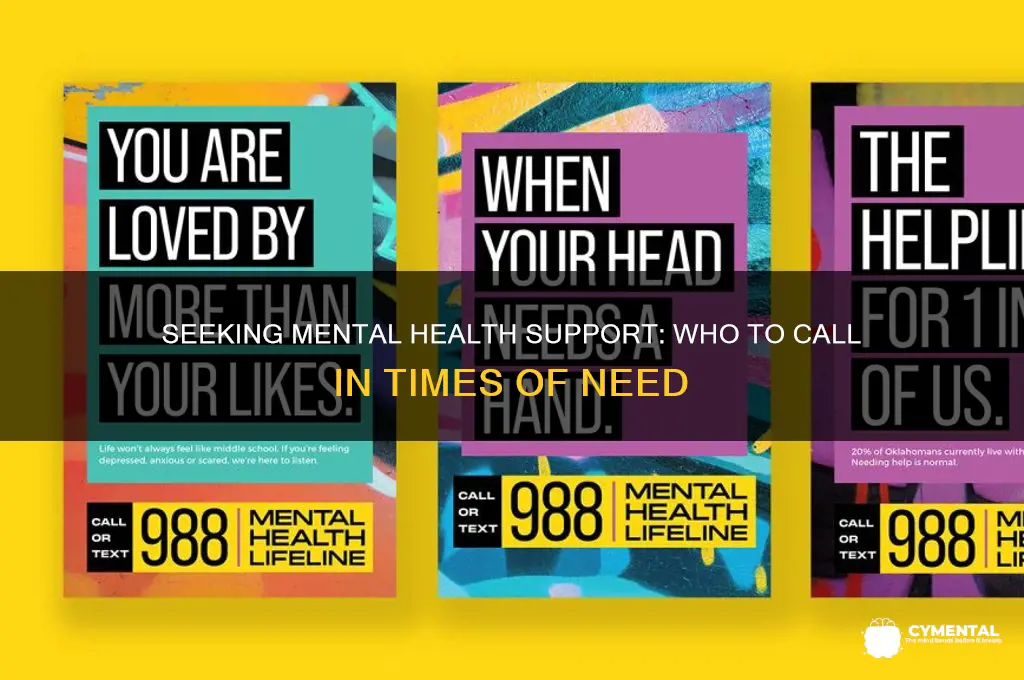
When facing mental health challenges, knowing who to call for help is crucial. Whether you’re experiencing anxiety, depression, or any other emotional distress, there are numerous resources available to provide support. Immediate assistance can be sought through crisis hotlines, such as the National Suicide Prevention Lifeline (988 in the U.S.), which offers 24/7 confidential support. For ongoing care, reaching out to a primary care physician, therapist, or psychiatrist is recommended, as they can provide personalized treatment plans. Additionally, community mental health centers, employee assistance programs, and online therapy platforms like BetterHelp or Talkspace offer accessible options. Friends, family, or trusted individuals can also provide emotional support while you navigate finding professional help. Recognizing the need for assistance and taking the first step to reach out is a significant and courageous act toward healing.
| Characteristics | Values |
|---|---|
| Type of Professional | Psychiatrist, Psychologist, Therapist, Counselor, Social Worker, Psychiatric Nurse Practitioner |
| Qualifications | Medical degree (MD/DO) for psychiatrists, Doctoral degree (PhD/PsyD) for psychologists, Master's degree for therapists/counselors/social workers, Nursing degree with specialization for psychiatric nurse practitioners |
| Licensure | Required in all states (e.g., MD, PhD, LCSW, LMHC, PMHNP-BC) |
| Treatment Focus | Psychiatrists: Medication management; Psychologists: Therapy, assessment; Therapists/Counselors: Talk therapy; Social Workers: Therapy, case management; Psychiatric Nurses: Medication, therapy |
| Common Specializations | Anxiety, depression, trauma, addiction, eating disorders, couples therapy, child/adolescent therapy |
| Cost | Varies; often covered by insurance; sliding scale or free clinics available |
| Accessibility | In-person, telehealth, online platforms, crisis hotlines (e.g., 988 Suicide & Crisis Lifeline) |
| Emergency Services | Crisis hotlines, emergency rooms, mobile crisis units |
| Confidentiality | Protected by HIPAA and state laws, except in cases of harm to self/others |
| Cultural Competence | Increasing focus on culturally sensitive care; diverse providers available |
| Referral Sources | Primary care physicians, insurance providers, online directories (e.g., Psychology Today), community health centers |
| Support Resources | Support groups, peer counselors, self-help apps, educational materials |
Explore related products


What You'll Learn
- Crisis Hotlines: Immediate support for urgent mental health crises, available 24/7 nationwide
- Therapists/Counselors: Licensed professionals offering long-term mental health treatment and emotional support
- Psychiatrists: Medical doctors specializing in diagnosing and treating mental health disorders
- Support Groups: Peer-led communities for shared experiences, recovery, and emotional connection
- Employee Assistance Programs (EAPs): Workplace resources for mental health support and counseling services

Crisis Hotlines: Immediate support for urgent mental health crises, available 24/7 nationwide
In moments of acute mental distress, crisis hotlines serve as a vital lifeline, offering immediate, confidential support to individuals nationwide. These services are staffed by trained professionals and volunteers who provide empathetic listening, crisis intervention, and resource referrals 24/7. Unlike therapy or counseling, which often require appointments and long-term engagement, crisis hotlines are designed for urgent situations, ensuring help is available the moment it’s needed. For instance, the National Suicide & Crisis Lifeline (988) connects callers to a network of over 200 crisis centers across the U.S., offering assistance in English and Spanish, with interpretation services for over 250 languages.
The effectiveness of crisis hotlines lies in their accessibility and immediacy. Studies show that individuals who reach out during a mental health emergency often experience a reduction in distress and suicidal ideation after a single call. For example, a 2021 report by the Substance Abuse and Mental Health Services Administration (SAMHSA) found that 93% of callers to the Lifeline felt better equipped to manage their situation after their conversation. To maximize the benefit, callers should be prepared to share their location if they need emergency services, though remaining anonymous is an option. It’s also helpful to call from a quiet, private space to focus on the conversation.
While crisis hotlines are invaluable, they are not a substitute for ongoing mental health treatment. They are best used as a bridge to long-term care, such as therapy or medication management. For instance, if someone is experiencing chronic depression or anxiety, a hotline can provide immediate relief but should be followed up with an appointment with a mental health professional. Hotlines also offer text and chat services for those who prefer not to speak aloud, such as the Crisis Text Line (text 741741), which is particularly useful for teens and young adults who may feel more comfortable typing than talking.
One common misconception is that crisis hotlines are only for suicidal individuals. In reality, they assist with a wide range of issues, including panic attacks, substance use crises, self-harm, and overwhelming emotional pain. For example, the Veterans Crisis Line (press 1 after dialing 988) provides specialized support for veterans and their families, addressing unique challenges like PTSD and military-related trauma. Knowing the scope of services available ensures that more people can access the help they need, regardless of their specific crisis.
To make the most of a crisis hotline, it’s essential to approach the call with an open mind and a willingness to engage. The person on the other end is there to listen without judgment and guide you toward safety. If you’re calling on behalf of someone else, stay calm and encourage them to speak directly with the counselor if possible. Remember, reaching out is a sign of strength, not weakness. In a society where mental health struggles are increasingly common, crisis hotlines stand as a testament to the power of connection and compassion in times of need.
Supporting Mental Health: Effective Ways to Help a Loved One in Need
You may want to see also
Explore related products


Therapists/Counselors: Licensed professionals offering long-term mental health treatment and emotional support
Therapists and counselors are licensed professionals trained to provide long-term mental health treatment and emotional support, making them a cornerstone of sustained mental wellness. Unlike crisis hotlines or short-term interventions, these practitioners engage in ongoing relationships with clients, often spanning months or years, to address deep-rooted issues such as trauma, anxiety, depression, or relationship conflicts. Their work is grounded in evidence-based therapies like cognitive-behavioral therapy (CBT), dialectical behavior therapy (DBT), or psychodynamic approaches, tailored to individual needs. For instance, a therapist might help a client reframe negative thought patterns over 12 to 16 sessions, gradually building resilience and coping strategies.
Choosing the right therapist involves more than a quick Google search. Start by verifying their credentials—licensed clinical social workers (LCSWs), licensed professional counselors (LPCs), or licensed marriage and family therapists (LMFTs) are common designations. Many therapists specialize in specific areas, such as addiction, grief, or LGBTQ+ concerns, so aligning their expertise with your needs is crucial. Initial consultations, often free or low-cost, allow you to assess their communication style and therapeutic approach. For example, a client struggling with social anxiety might benefit from a therapist who incorporates exposure therapy, gradually desensitizing them to feared situations in a controlled manner.
One practical tip for maximizing therapy’s effectiveness is to treat it as a collaborative process. Bring specific concerns to sessions, whether it’s a recent argument with a partner or a recurring anxiety trigger. Therapists often assign "homework," such as journaling or practicing mindfulness exercises, to reinforce progress between sessions. Consistency is key—weekly sessions are standard, though frequency may adjust based on your goals. For adolescents or older adults, therapists may involve family members to address systemic issues, ensuring a holistic approach to care.
While therapy is transformative, it’s not without challenges. Emotional discomfort or vulnerability can arise as you confront difficult topics. However, this is often a sign of progress, not failure. Therapists are trained to navigate these moments with empathy and professionalism, ensuring you feel safe and supported. Cost can be a barrier, but many therapists offer sliding-scale fees or accept insurance. Online platforms like BetterHelp or Talkspace provide accessible alternatives, though in-person sessions may be more effective for certain issues, such as severe trauma.
In conclusion, therapists and counselors offer a structured, personalized pathway to mental health improvement. Their role extends beyond symptom management to fostering self-awareness, emotional intelligence, and long-term resilience. By investing time and effort into this relationship, individuals can address the root causes of their struggles, not just the surface-level symptoms. Whether you’re navigating life transitions or healing from past wounds, these professionals provide the tools and support needed to thrive.
Animal Companionship: Boosting Mental Health and Emotional Well-Being in Humans
You may want to see also
Explore related products


Psychiatrists: Medical doctors specializing in diagnosing and treating mental health disorders
Psychiatrists are medical doctors who have completed extensive training in mental health, equipping them with the expertise to diagnose and treat a wide range of mental health disorders. Unlike therapists or counselors, psychiatrists can prescribe medications, making them a critical resource for individuals whose conditions may require pharmacological intervention. For instance, someone with severe depression or bipolar disorder might benefit from antidepressants or mood stabilizers, which a psychiatrist can carefully manage. This ability to combine medication with therapy or other treatments sets psychiatrists apart in the mental health landscape.
When considering whether to consult a psychiatrist, it’s essential to recognize the scope of their practice. They are trained to assess complex conditions, such as schizophrenia, severe anxiety disorders, or treatment-resistant depression, where medication is often a cornerstone of care. For example, antipsychotics like olanzapine or risperidone are commonly prescribed for schizophrenia, but their dosages and side effects require close monitoring by a medical professional. Psychiatrists also evaluate physical health factors that may contribute to mental health issues, ensuring a holistic approach to treatment.
One practical tip for engaging with a psychiatrist is to prepare a detailed account of your symptoms, including their duration, severity, and impact on daily life. This information helps them make an accurate diagnosis and tailor a treatment plan. For instance, if you’re experiencing panic attacks, note their frequency, triggers, and physical symptoms. Additionally, be open about any concerns regarding medication, such as potential side effects or interactions with other drugs. Psychiatrists can adjust dosages or explore alternative treatments to address these issues.
Comparatively, while psychologists and therapists focus on talk therapy, psychiatrists often serve as the bridge between physical and mental health. For children and adolescents, psychiatrists specializing in pediatric mental health can address developmental disorders like ADHD or autism, prescribing medications like methylphenidate (Ritalin) while collaborating with therapists for behavioral interventions. Adults with co-occurring conditions, such as diabetes and depression, may also benefit from a psychiatrist’s ability to coordinate care with other medical providers.
In conclusion, psychiatrists play a unique and vital role in mental health care, offering medical expertise that complements other therapeutic approaches. Whether managing medication for a chronic condition or diagnosing a complex disorder, their specialized training makes them an invaluable resource for those seeking comprehensive mental health support. If you’re unsure whether a psychiatrist is the right choice, consider whether your symptoms might require medication or if you need a professional who can address both mental and physical health concerns.
Supportive Allies: How Others Can Boost Your Mental Well-Being
You may want to see also
Explore related products


Support Groups: Peer-led communities for shared experiences, recovery, and emotional connection
In moments of emotional turmoil, the question of who to call for mental help often leads to professional therapists or hotlines. Yet, an equally powerful resource lies in support groups—peer-led communities where individuals share experiences, foster recovery, and build emotional connections. Unlike clinical settings, these groups offer a unique blend of empathy and understanding rooted in lived experiences, creating a safe space for vulnerability and growth.
Consider the structure of a typical support group: meetings are often facilitated by peers who have navigated similar challenges, ensuring a non-judgmental environment. For instance, Alcoholics Anonymous (AA) uses a 12-step program led by individuals in recovery, emphasizing accountability and shared progress. Similarly, groups for anxiety or depression often incorporate structured activities like mindfulness exercises or journaling prompts, tailored to the collective needs of participants. These formats not only provide practical tools but also reinforce the idea that healing is a collaborative journey.
One of the most compelling aspects of support groups is their ability to combat isolation. Research shows that social connection is a critical factor in mental health recovery, and peer-led communities excel in fostering this. For example, a study published in the *Journal of Clinical Psychology* found that participants in depression support groups reported significant reductions in symptoms after just 8 weeks of consistent attendance. The key takeaway? Shared experiences create a sense of belonging that professional therapy alone cannot always replicate.
However, joining a support group requires careful consideration. Not all groups are created equal, and finding the right fit is essential. Start by researching local or online options aligned with your specific needs—whether it’s grief, addiction, or chronic illness. Attend a few sessions to gauge the group’s dynamics and ensure it feels safe and supportive. Remember, the goal is not to replace professional treatment but to complement it with a community that understands your struggles on a personal level.
In practice, integrating support groups into your mental health toolkit can be transformative. For instance, pairing weekly group meetings with individual therapy sessions can provide both professional guidance and peer support. Additionally, many groups offer resources like reading materials or helpline numbers for moments when immediate help is needed. By leveraging the collective strength of a community, individuals can find not just solace but also a renewed sense of purpose in their recovery journey.
Mental Health Treatment: Boosting Welfare-to-Work Program Success?
You may want to see also
Explore related products


Employee Assistance Programs (EAPs): Workplace resources for mental health support and counseling services
Workplaces are increasingly recognizing the impact of mental health on productivity, employee retention, and overall organizational culture. Employee Assistance Programs (EAPs) have emerged as a critical resource, offering confidential support for personal and work-related challenges. These programs typically provide access to licensed counselors, financial advisors, legal consultants, and wellness resources, often at no cost to the employee. By addressing issues like stress, burnout, and family conflicts, EAPs aim to create a healthier, more resilient workforce.
Consider the structure of a typical EAP: employees can access services via a dedicated hotline, online portal, or app. Sessions are usually limited to 3–6 counseling visits per issue, with the option for referrals to long-term care if needed. For example, an employee struggling with anxiety might receive short-term cognitive-behavioral therapy through the EAP and then be connected to an external therapist for ongoing support. This tiered approach ensures immediate relief while fostering sustainable mental health management.
One of the most compelling aspects of EAPs is their confidentiality. Unlike discussions with a direct manager, interactions with EAP providers are private, encouraging employees to seek help without fear of professional repercussions. However, employers benefit too: studies show that for every dollar invested in EAPs, companies can see a return of up to $7 in reduced absenteeism, increased productivity, and lower healthcare costs. This win-win dynamic underscores the value of integrating mental health support into workplace infrastructure.
Despite their advantages, EAPs are not without challenges. Low utilization rates are common, often due to lack of awareness or stigma surrounding mental health. To combat this, employers must actively promote EAPs through training sessions, email campaigns, and visible posters in common areas. Additionally, tailoring programs to meet diverse employee needs—such as multilingual services or culturally sensitive counselors—can enhance accessibility and trust.
In conclusion, EAPs serve as a vital bridge between workplace demands and employee well-being. By offering timely, confidential, and comprehensive support, they empower individuals to address mental health challenges before they escalate. For employers, investing in EAPs is not just an act of corporate responsibility—it’s a strategic decision that fosters a healthier, more engaged workforce. Whether you’re an employee in need or an employer looking to support your team, EAPs provide a practical, effective solution for navigating the complexities of mental health in the workplace.
Unlocking Wellness: How a Mental Health Counselor Can Transform Your Life
You may want to see also
Frequently asked questions
If you’re in a mental health crisis, call the National Suicide Prevention Lifeline at 988 (available 24/7 in the U.S.) or your local emergency services (911). You can also contact Crisis Text Line by texting HOME to 741741.
For non-emergency mental health support, you can call a mental health hotline like the SAMHSA National Helpline at 1-800-662-HELP (4357) or reach out to a local mental health clinic, therapist, or counselor.
Contact your primary care physician, insurance provider, or local community mental health center for referrals to therapists or resources. You can also use online platforms like Psychology Today or BetterHelp to find a therapist.
Call the Crisis Text Line, the National Alliance on Mental Illness (NAMI) Helpline at 1-800-950-NAMI (6264), or encourage the person to seek professional help. In an emergency, call 911 or 988 for immediate assistance.