Noah Parker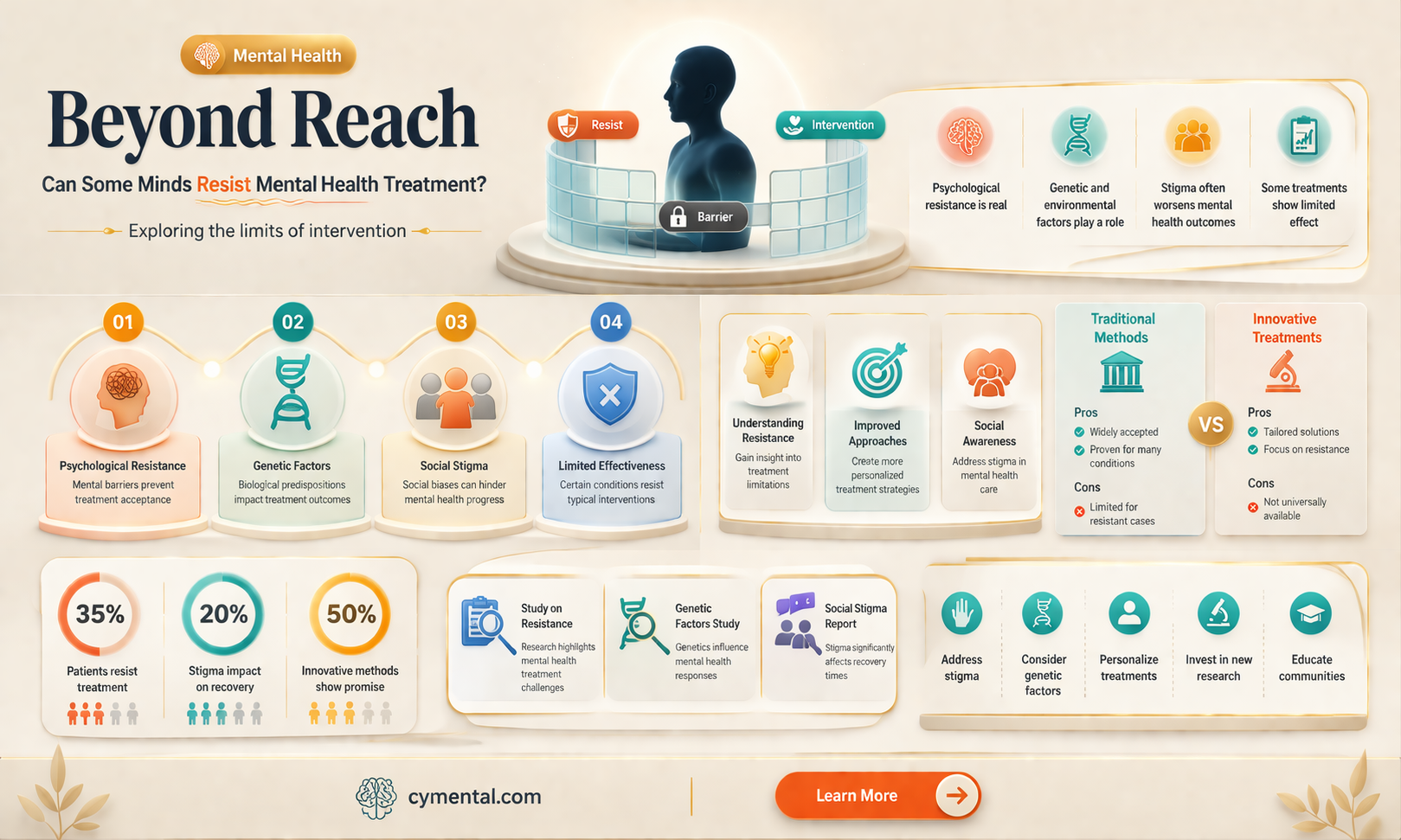
The question of whether some individuals are beyond mental help is a complex and contentious issue that intersects psychology, ethics, and societal responsibility. While mental health professionals generally believe that most people can benefit from treatment, there are cases where severe, chronic conditions—such as treatment-resistant schizophrenia, severe personality disorders, or profound neurocognitive decline—may limit the effectiveness of traditional interventions. Additionally, factors like lack of access to care, stigma, or an individual’s refusal to engage in treatment can further complicate recovery. However, the notion of being beyond help often reflects limitations in current therapeutic approaches or societal support systems rather than an inherent incapacity for improvement. This raises important questions about the boundaries of mental health care, the role of compassion, and the need for innovative, personalized solutions to address even the most challenging cases.
Explore related products

$16.98 $30


What You'll Learn
- Untreatable Mental Disorders: Exploring conditions resistant to therapy, medication, or intervention despite extensive efforts
- Treatment Refusal: Examining individuals who reject help due to stigma, distrust, or personal beliefs
- Severe Psychopathy: Investigating cases where antisocial behavior renders individuals unresponsive to rehabilitation
- Chronic Delusions: Analyzing persistent, unshakable beliefs that defy therapeutic or medical correction
- Neurological Limitations: Discussing brain damage or disorders that prevent mental health improvement

Untreatable Mental Disorders: Exploring conditions resistant to therapy, medication, or intervention despite extensive efforts
While the majority of mental health conditions respond to treatment, a small subset of disorders remain stubbornly resistant to therapy, medication, or intervention despite exhaustive efforts. These untreatable conditions challenge our understanding of mental health and push the boundaries of medical science. Examples include severe, treatment-resistant schizophrenia, certain personality disorders like malignant narcissism, and some forms of severe autism spectrum disorder (ASD) with co-occurring intellectual disabilities. For instance, clozapine, an antipsychotic used for treatment-resistant schizophrenia, requires careful monitoring due to its risk of agranulocytosis, yet even this powerful medication fails to alleviate symptoms in a significant minority of patients.
Consider the case of treatment-resistant schizophrenia, where individuals experience persistent auditory hallucinations, delusions, and disorganized thinking despite high-dose antipsychotic regimens (often exceeding 20 mg/day of olanzapine equivalents). Electroconvulsive therapy (ECT), a last-resort intervention, may provide temporary relief but rarely achieves long-term remission. Similarly, borderline personality disorder (BPD) with comorbid psychotic features can defy dialectical behavior therapy (DBT) and pharmacological interventions, leaving patients trapped in cycles of self-harm and emotional dysregulation. These cases highlight the limitations of current treatment modalities and underscore the need for innovative approaches.
From a comparative perspective, untreatable mental disorders differ from treatment-resistant conditions in their absolute lack of response to any intervention. While treatment-resistant depression might improve with ketamine infusions or transcranial magnetic stimulation (TMS), untreatable conditions like severe, early-onset conduct disorder with psychopathic traits often remain impervious to behavioral interventions, family therapy, or medication. This distinction is critical for clinicians, as it influences prognosis, resource allocation, and ethical considerations regarding patient care. For instance, long-term hospitalization may be necessary for individuals with untreatable conditions, raising questions about quality of life and autonomy.
A persuasive argument can be made for investing in research to identify biomarkers for these disorders, as early detection could prevent years of ineffective treatment. For example, neuroimaging studies have begun to reveal structural abnormalities in the prefrontal cortex and amygdala of individuals with untreatable psychopathy, suggesting a biological basis for their condition. However, caution must be exercised to avoid stigmatizing patients or reducing complex behaviors to simplistic biological explanations. Instead, a multidisciplinary approach—combining neuroscience, psychology, and social support—offers the best hope for managing these disorders, even if a cure remains elusive.
Practically speaking, caregivers and clinicians working with individuals who have untreatable mental disorders must focus on harm reduction and symptom management. For instance, structured daily routines, sensory integration techniques, and non-pharmacological interventions like weighted blankets can improve the quality of life for individuals with severe ASD. Similarly, crisis intervention plans and de-escalation training are essential for managing aggressive behaviors in psychopathic individuals. While these strategies do not "treat" the underlying condition, they provide a measure of stability and safety for both patients and their support networks. Ultimately, acknowledging the limits of current treatments fosters empathy and encourages the development of more effective interventions in the future.
Supporting the Mentally Handicapped: Are Current Efforts Truly Making a Difference?
You may want to see also
Explore related products




Treatment Refusal: Examining individuals who reject help due to stigma, distrust, or personal beliefs
Stigma remains a formidable barrier to mental health treatment, often rooted in societal misconceptions that equate seeking help with weakness or instability. For instance, a 2020 study published in *Psychiatric Services* found that 40% of individuals with severe mental illness avoided treatment due to fear of being labeled or discriminated against. This reluctance is particularly pronounced in older adults, who may internalize decades-old cultural attitudes that dismiss mental health struggles as a lack of willpower. To counteract this, mental health campaigns must shift focus from awareness to normalization, portraying therapy and medication as routine aspects of self-care rather than last resorts.
Distrust of the medical system, often fueled by historical injustices or personal experiences, further complicates treatment acceptance. Minority communities, for example, are disproportionately affected by this skepticism, with a 2019 survey in *JAMA Psychiatry* revealing that 60% of Black Americans cited distrust of healthcare providers as a reason for avoiding mental health services. Building trust requires systemic changes, such as increasing diversity among mental health professionals and incorporating culturally sensitive practices. For individuals, starting with low-stakes interactions, like a single consultation or support group, can gradually reduce apprehension without overwhelming commitment.
Personal beliefs, whether religious, philosophical, or rooted in self-reliance, can also lead to treatment refusal. Some individuals view mental health struggles as spiritual trials to be endured rather than medical conditions to be treated. Others may prioritize holistic approaches, such as meditation or herbal remedies, over evidence-based therapies. While these methods can be beneficial, they should complement, not replace, professional care. Clinicians can bridge this gap by integrating patients’ beliefs into treatment plans, such as incorporating mindfulness practices into cognitive-behavioral therapy for those who value spirituality.
Addressing treatment refusal requires a multi-faceted approach that respects individual autonomy while challenging harmful misconceptions. For families and caregivers, it’s crucial to avoid confrontational tactics, which can deepen resistance. Instead, focus on open dialogue, emphasizing shared goals like improved quality of life. For example, framing therapy as a tool for achieving personal growth, rather than a fix for "brokenness," can make it more appealing. Ultimately, the goal is not to force compliance but to create an environment where seeking help feels safe, dignified, and aligned with one’s values.
Supporting Mental Health: Effective Ways to Help Someone in Need
You may want to see also
Explore related products

$13.93 $14.95


Severe Psychopathy: Investigating cases where antisocial behavior renders individuals unresponsive to rehabilitation
Severe psychopathy presents a unique challenge in the realm of mental health, as individuals exhibiting this condition often display a profound lack of empathy, remorse, and responsiveness to traditional rehabilitation efforts. Unlike other personality disorders, psychopathy is characterized by a deeply ingrained antisocial behavior pattern that resists change, even when confronted with therapeutic interventions. This raises a critical question: Are some individuals with severe psychopathy beyond the reach of mental health treatment?
Consider the case of individuals diagnosed with psychopathy who have undergone extensive therapy, including cognitive-behavioral interventions and pharmacological treatments. Despite these efforts, many remain unmoved by attempts to modify their behavior. For instance, studies have shown that psychopaths often manipulate therapeutic settings to their advantage, feigning progress while maintaining their core traits. A 2011 meta-analysis published in the *Journal of Personality Disorders* found that psychopaths in treatment settings were more likely to exhibit superficial compliance rather than genuine behavioral change. This suggests that their antisocial tendencies are not merely a product of environmental factors but are rooted in a complex interplay of neurological and psychological mechanisms that defy conventional rehabilitation strategies.
From a neurological perspective, severe psychopathy is associated with structural and functional abnormalities in brain regions responsible for emotional processing and moral reasoning, such as the amygdala and prefrontal cortex. These deficits contribute to the individual’s inability to form emotional connections or understand the consequences of their actions. For example, functional MRI studies have revealed reduced amygdala activation in psychopaths when exposed to emotionally charged stimuli, indicating a blunted emotional response. This biological underpinning complicates treatment, as it implies that behavioral change may require more than just psychological intervention—it may necessitate a paradigm shift in how we approach such cases.
Practically, managing individuals with severe psychopathy often involves containment rather than cure. In forensic settings, long-term incarceration or supervised living arrangements are common, as these individuals pose a significant risk to society. However, this approach raises ethical questions about the balance between public safety and the rights of the individual. For mental health professionals, the challenge lies in developing targeted interventions that address the specific cognitive and emotional deficits associated with psychopathy. Emerging research suggests that programs focusing on skill-building, such as emotional recognition training, may yield modest improvements, though these gains are often limited and context-specific.
In conclusion, severe psychopathy represents a boundary case in the discussion of whether some individuals are beyond mental help. While traditional rehabilitation methods fall short, understanding the neurological and psychological foundations of this condition offers a pathway to more nuanced interventions. Until then, society must grapple with the reality that some individuals may remain unresponsive to treatment, necessitating a focus on risk management and harm reduction rather than transformative change. This sobering truth underscores the complexity of mental health and the limits of our current therapeutic capabilities.
Animal Companionship: Boosting Mental Health and Emotional Well-Being in Humans
You may want to see also
Explore related products

$7.84 $14.99


Chronic Delusions: Analyzing persistent, unshakable beliefs that defy therapeutic or medical correction
Chronic delusions represent a profound challenge in mental health, where individuals hold persistent, unshakable beliefs that resist all forms of therapeutic or medical intervention. These delusions often manifest in conditions like schizophrenia, delusional disorder, or severe bipolar disorder, but they can also arise from neurological damage or prolonged psychological trauma. Unlike transient delusions, which may resolve with treatment, chronic delusions embed themselves deeply within a person’s reality, becoming impervious to reason, evidence, or medication. This phenomenon raises critical questions about the limits of mental health care: Can every mind be reached? And if not, what does this mean for both the individual and society?
Consider the case of a 45-year-old man diagnosed with delusional disorder who believes he is being surveilled by a government agency. Despite years of antipsychotic medication (e.g., olanzapine at 10–20 mg/day) and cognitive-behavioral therapy, his conviction remains unshaken. His belief system has become a fortress, impervious to external correction. This example illustrates the complexity of chronic delusions: they are not merely false beliefs but entire frameworks of perception that dictate behavior, relationships, and self-identity. Therapists often find themselves in a paradox—attempting to dismantle a reality that, for the individual, feels more real than the world around them.
From a neurological perspective, chronic delusions may stem from dysfunction in the brain’s salience network, which assigns importance to stimuli, or the default mode network, which governs self-referential thinking. Studies using fMRI have shown hyperactivity in these regions among individuals with persistent delusions, suggesting a biological basis for their intractability. However, this does not mean they are untreatable—only that treatment must shift focus. Instead of aiming to "cure" the delusion, clinicians often prioritize harm reduction, such as ensuring the individual’s safety, improving social functioning, or managing comorbid conditions like anxiety or depression.
A persuasive argument emerges here: perhaps the goal should not always be to eliminate delusions but to help individuals live with them more adaptively. For instance, a therapist might work with the aforementioned man to reduce his distress about surveillance rather than challenging the belief itself. This approach, known as "belief-neutral" therapy, acknowledges the limits of correction while fostering resilience. It requires a shift in perspective—from seeing delusions as errors to understanding them as coping mechanisms or expressions of deeper psychological needs.
In practice, families and caregivers play a crucial role in managing chronic delusions. They must balance validation with reality-testing, avoiding arguments that reinforce the delusion while providing emotional support. For example, instead of saying, "That’s not true," a caregiver might respond, "I can see why you feel that way," followed by a redirection to a shared activity. Medication adherence remains vital, even if it doesn’t eliminate the delusion, as antipsychotics can reduce associated agitation or paranoia. Long-acting injectable formulations (e.g., aripiprazole lauroxil) are often preferred for their reliability, especially in cases of non-compliance.
Ultimately, chronic delusions challenge the very foundations of mental health care, forcing clinicians and society to confront the boundaries of what can be healed. They remind us that the mind, in its complexity, sometimes resists even the most advanced interventions. Yet, this does not render individuals "beyond help." By redefining success—from eradication to adaptation—we can offer meaningful support, ensuring dignity and quality of life even in the presence of unshakable beliefs. The takeaway is clear: some minds may remain partially closed, but the door to compassion and practical assistance is always open.
Sleep's Role in Boosting Mental Health and Emotional Well-Being
You may want to see also
Explore related products





Neurological Limitations: Discussing brain damage or disorders that prevent mental health improvement
Neurological damage can create irreversible barriers to mental health improvement, particularly when it affects regions of the brain responsible for emotion regulation, decision-making, and cognitive flexibility. Traumatic brain injuries (TBIs), for instance, often result in structural changes to the prefrontal cortex and amygdala, areas critical for impulse control and emotional processing. A severe TBI can lead to persistent symptoms like aggression, depression, or anxiety that resist traditional therapies. For example, a study published in *JAMA Psychiatry* found that 20-30% of TBI patients develop treatment-resistant depression, even with antidepressants like SSRIs (e.g., sertraline 50-200 mg/day) or cognitive-behavioral therapy (CBT). The physical alteration of neural pathways limits the brain’s ability to adapt, rendering standard interventions ineffective.
Consider neurodegenerative disorders like frontotemporal dementia (FTD), which progressively erodes the brain’s frontal and temporal lobes. Patients with FTD often exhibit severe personality changes, apathy, or socially inappropriate behaviors. Unlike conditions like Alzheimer’s, which primarily affects memory, FTD targets the neural circuits underlying empathy and social cognition. Medications such as selective serotonin reuptake inhibitors (SSRIs) or antipsychotics (e.g., quetiapine 50-300 mg/day) may manage symptoms but cannot halt or reverse the disease’s progression. Mental health interventions, including psychotherapy, are often futile because the brain regions necessary for self-reflection and behavioral change are compromised. This highlights a grim reality: some disorders dismantle the very neural foundations required for improvement.
Instructively, clinicians must differentiate between treatable mental health conditions and those constrained by neurological limitations. For instance, schizophrenia with prominent negative symptoms (e.g., avolition, anhedonia) may stem from deficits in the brain’s dopaminergic pathways. While antipsychotics like clozapine (25-900 mg/day) can manage positive symptoms (hallucinations, delusions), negative symptoms often persist due to their neurobiological basis. Similarly, severe cases of chronic traumatic encephalopathy (CTE), found in athletes with repeated head trauma, lead to irreversible cognitive decline and mood disturbances. Here, the focus shifts from "cure" to symptom management and quality of life. Caregivers and practitioners should prioritize realistic goals, such as environmental modifications or routine stabilization, rather than pursuing unattainable mental health milestones.
Persuasively, acknowledging these limitations does not negate the value of intervention but reframes its purpose. For individuals with severe neurological damage, mental health care becomes palliative rather than restorative. Take the case of a stroke survivor with damage to the left hemisphere’s Broca’s area, resulting in aphasia and severe depression. While antidepressants and speech therapy may offer marginal benefits, the primary goal shifts to fostering communication alternatives and emotional support. This pragmatic approach respects the individual’s dignity while avoiding the frustration of unmet expectations. It underscores the importance of tailoring care to the brain’s residual capacities, not its lost functions.
Comparatively, neurological limitations contrast with conditions like major depressive disorder (MDD) or post-traumatic stress disorder (PTSD), where neuroplasticity allows for recovery. In MDD, for example, therapies like transcranial magnetic stimulation (TMS) or ketamine infusions (0.5 mg/kg) can induce neurogenesis in the hippocampus, reversing atrophy caused by chronic stress. In contrast, conditions like Huntington’s disease, marked by the progressive death of striatal neurons, leave no room for such recovery. This distinction is crucial for setting expectations: while some brains can "rewire," others are permanently reconfigured by damage. Recognizing this difference prevents the misguided application of one-size-fits-all treatments and fosters a more compassionate, informed approach to care.
Empowering Self-Care Strategies: A Guide to Helping Yourself Thrive
You may want to see also
Frequently asked questions
While some individuals may have severe or complex mental health conditions, the concept of being "beyond help" is not widely accepted in the mental health field. With the right treatment, support, and resources, most people can experience improvement in their mental health.
No mental health condition is considered entirely untreatable. Even chronic or severe conditions like schizophrenia, bipolar disorder, or treatment-resistant depression can be managed with therapy, medication, and lifestyle changes to improve quality of life.
Some individuals may appear unresponsive due to factors like misdiagnosis, inadequate treatment plans, lack of access to care, or personal barriers such as stigma or trauma. Finding the right combination of interventions often requires time and patience.
Yes, some individuals may refuse mental health treatment due to personal beliefs, fear, or lack of insight into their condition. However, this does not mean they are "beyond help." Supportive relationships, crisis intervention, and gradual encouragement can sometimes lead to acceptance of treatment over time.