Ava Ramirez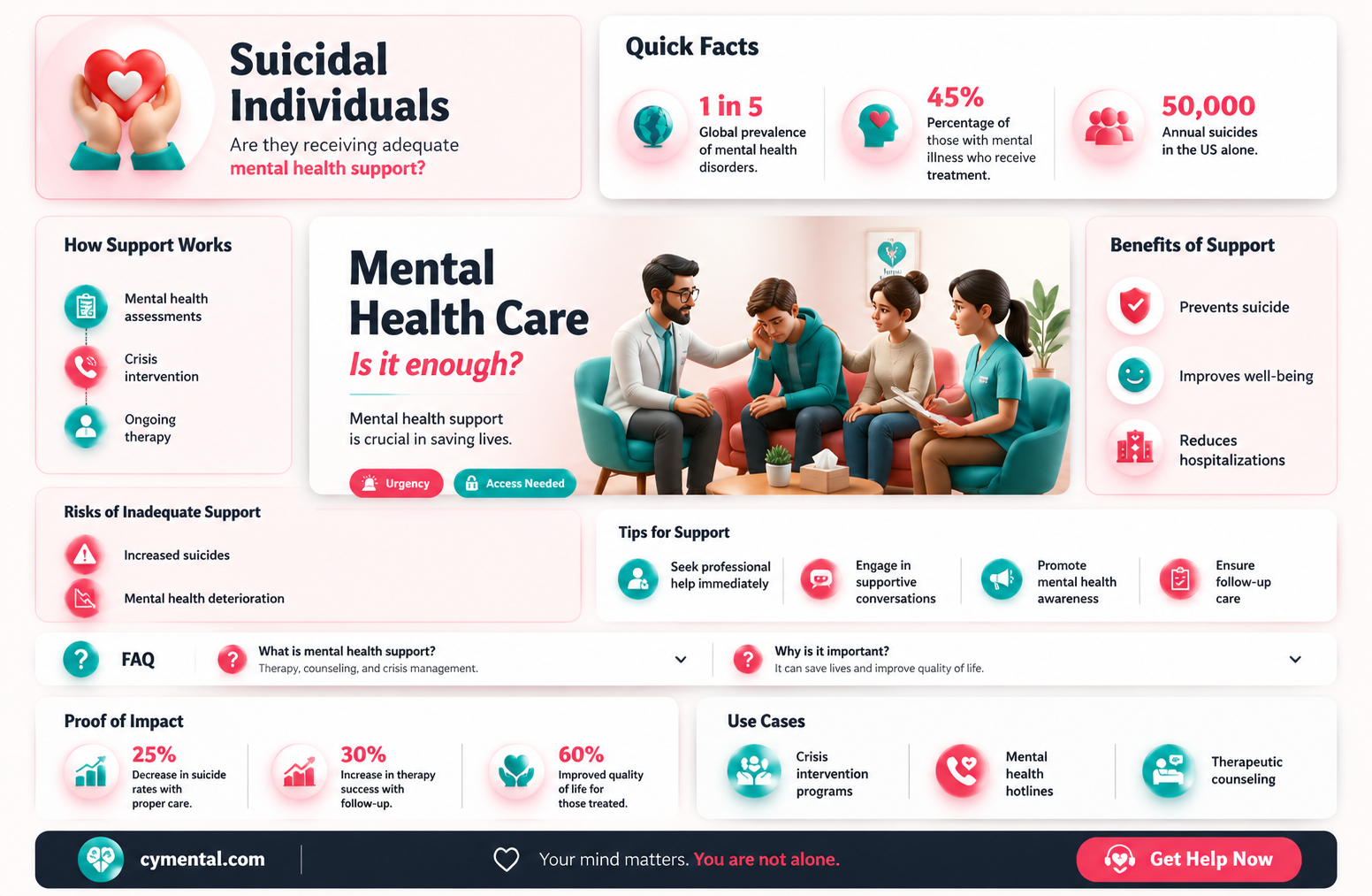
Suicide is a pressing public health issue, and ensuring that individuals with suicidal thoughts receive adequate mental health support is critical. Despite growing awareness and efforts to destigmatize mental health, many suicidal individuals still face significant barriers to accessing the care they need. These challenges include limited availability of mental health services, high costs, social stigma, and a lack of timely intervention. While some progress has been made in expanding resources and promoting mental health literacy, disparities persist, particularly among marginalized communities. Addressing this issue requires a multifaceted approach, including increased funding for mental health programs, improved training for healthcare providers, and greater public awareness to ensure that suicidal individuals receive compassionate, effective, and timely support.
Explore related products


What You'll Learn
- Access to Mental Health Services: Barriers like cost, location, and stigma prevent many from seeking help
- Effectiveness of Therapies: Evaluating if current treatments adequately address suicidal ideation and long-term recovery
- Role of Support Systems: Family, friends, and community support in encouraging and sustaining mental health care
- Crisis Intervention Availability: Accessibility and quality of emergency resources for those in immediate danger
- Stigma and Awareness: Societal attitudes toward suicide and their impact on help-seeking behaviors

Access to Mental Health Services: Barriers like cost, location, and stigma prevent many from seeking help
Suicidal individuals often face a labyrinth of barriers when attempting to access mental health services, with cost, location, and stigma standing as formidable obstacles. Financial constraints alone can deter many from seeking help, as therapy sessions, medication, and hospitalization expenses quickly accumulate, often exceeding insurance coverage or out-of-pocket affordability. For instance, a single psychotherapy session in the U.S. can range from $65 to $250, and without adequate insurance, this becomes an insurmountable burden for low-income individuals. Even in countries with universal healthcare, long wait times and limited resources can delay critical treatment, leaving those in crisis without immediate support.
Location exacerbates this issue, particularly in rural or underserved areas where mental health providers are scarce. In the U.S., over 110 million people live in areas with a shortage of mental health professionals, forcing individuals to travel long distances or forgo care altogether. Telehealth has emerged as a partial solution, but it requires reliable internet access and technological literacy, which are not universal. For example, a study in *JAMA Psychiatry* found that only 43% of rural households had sufficient broadband access to support telehealth services. This digital divide further isolates those who need help the most, creating a geographic lottery for mental health care.
Stigma remains a silent yet powerful barrier, dissuading many from seeking help due to fear of judgment, discrimination, or self-blame. Cultural attitudes often label mental health struggles as a sign of weakness, particularly in communities where resilience is prized above vulnerability. For instance, in many Asian cultures, mental illness is stigmatized as a family disgrace, discouraging individuals from disclosing their struggles. Even in Western societies, the pervasive myth that suicidal thoughts are a choice rather than a symptom of underlying mental illness perpetuates shame and silence. This stigma is not just societal—it’s internalized, making individuals hesitant to reach out even when services are available.
Addressing these barriers requires a multi-faceted approach. Policymakers must expand insurance coverage to include comprehensive mental health services, cap out-of-pocket costs, and incentivize providers to practice in underserved areas. For example, loan forgiveness programs for mental health professionals working in rural regions have shown promise in bridging the provider gap. Simultaneously, public awareness campaigns can combat stigma by humanizing mental illness and emphasizing that seeking help is a sign of strength, not weakness. Practical steps, such as offering sliding-scale fees for therapy or creating community-based support groups, can make services more accessible to those with limited resources.
Ultimately, dismantling these barriers is not just a matter of policy or infrastructure—it’s a moral imperative. Every individual deserves the chance to access life-saving care, regardless of their zip code, bank account, or societal perceptions. Until cost, location, and stigma are no longer roadblocks, the question of whether suicidal people are getting the mental health help they need will remain unanswered.
Seeking Support: Discovering Accessible Resources for Guidance and Assistance
You may want to see also
Explore related products


Effectiveness of Therapies: Evaluating if current treatments adequately address suicidal ideation and long-term recovery
Suicidal ideation is a complex and multifaceted issue, and the effectiveness of current therapies in addressing it remains a critical concern. While treatments like Cognitive Behavioral Therapy (CBT) and Dialectical Behavior Therapy (DBT) have shown promise, their success often hinges on individualized application and consistent engagement. For instance, DBT, originally developed for borderline personality disorder, has been adapted to reduce suicidal behaviors in adolescents and adults, with studies indicating a 50% decrease in suicide attempts over one year. However, these therapies require trained professionals and structured environments, which are not universally accessible, leaving gaps in care for vulnerable populations.
Consider the case of pharmacotherapy, often used in conjunction with psychotherapy. Antidepressants like selective serotonin reuptake inhibitors (SSRIs) are commonly prescribed, but their efficacy in suicidal patients is debated. A meta-analysis in *The Lancet* found that while SSRIs reduce depressive symptoms, their impact on suicidal ideation is less consistent, particularly in individuals under 25. This age group often requires lower initial dosages (e.g., 10 mg of escitalopram) and close monitoring to mitigate risks like increased agitation. Despite these precautions, medication alone rarely suffices, underscoring the need for integrated treatment approaches.
A comparative analysis of therapy modalities reveals that while CBT focuses on restructuring negative thought patterns, DBT emphasizes emotional regulation and distress tolerance. For example, DBT’s skills training component teaches patients techniques like mindfulness and distraction, which can be practiced daily to manage acute crises. In contrast, Problem-Solving Therapy (PST) targets situational stressors, offering step-by-step strategies to resolve problems contributing to suicidal thoughts. Each approach has merits, but their effectiveness varies based on patient factors such as trauma history, social support, and treatment adherence, highlighting the importance of personalized care plans.
To enhance long-term recovery, therapies must address not only immediate risks but also underlying issues like chronic stress, trauma, and social isolation. Emerging interventions like ketamine infusion therapy show rapid antidepressant effects, reducing suicidal ideation within hours, but their long-term benefits and accessibility remain uncertain. Similarly, digital mental health platforms offer scalable solutions, yet their lack of human interaction may limit effectiveness for severely suicidal individuals. Ultimately, while current treatments provide valuable tools, their adequacy depends on systemic improvements in accessibility, personalization, and ongoing support.
Practical steps for clinicians and caregivers include conducting thorough assessments to identify risk factors, ensuring regular follow-ups, and integrating family or community support into treatment plans. For patients, maintaining a structured daily routine, practicing self-care, and utilizing crisis hotlines (e.g., the 988 Suicide & Crisis Lifeline) can complement formal therapy. While no single approach guarantees success, combining evidence-based treatments with compassionate, tailored care offers the best hope for addressing suicidal ideation and fostering lasting recovery.
Finding Support: A Guide to Getting Help for Schizophrenia
You may want to see also
Explore related products





Role of Support Systems: Family, friends, and community support in encouraging and sustaining mental health care
Suicidal individuals often face a silent battle, one that requires more than clinical intervention to be won. While professional mental health care is crucial, the role of support systems—family, friends, and community—cannot be overstated. These networks provide the emotional scaffolding that encourages individuals to seek help and sustains them through the often arduous journey of recovery. Without this support, even the most robust treatment plans can falter under the weight of isolation and stigma.
Consider the practical steps families can take to foster an environment conducive to healing. First, educate yourself about the signs of suicidal ideation and the resources available. Organizations like the American Foundation for Suicide Prevention offer free training programs, such as *Talk Saves Lives*, which equip individuals to recognize warning signs and intervene effectively. Second, establish open lines of communication. A study published in *JAMA Psychiatry* found that individuals who felt supported by their families were 50% more likely to adhere to treatment plans. Simple actions like asking, “How can I help?” or “What do you need right now?” can make a profound difference. Finally, avoid judgmental language. Phrases like “You’ll get over it” or “Think of all you have to live for” can invalidate feelings and deepen despair. Instead, use empathetic statements like, “I’m here for you, no matter what.”
Friends, too, play a pivotal role in this ecosystem of support. Peer encouragement can be particularly powerful for younger individuals, who often feel more comfortable confiding in their peers than in adults. For instance, a 2021 survey by the CDC revealed that 15- to 24-year-olds are more likely to seek help from friends than from family or professionals. Friends can act as bridges, gently urging their peers to access resources like crisis hotlines (e.g., the 988 Suicide & Crisis Lifeline) or school counseling services. However, it’s essential to set boundaries. Supporting a suicidal friend can be emotionally taxing, and friends should not hesitate to involve trusted adults or professionals if they feel overwhelmed.
At the community level, collective action can dismantle the stigma surrounding mental health and suicide. Community-based initiatives, such as support groups or awareness campaigns, create safe spaces for individuals to share their experiences without fear of judgment. For example, the *Out of the Darkness* community walks, organized by the American Foundation for Suicide Prevention, not only raise funds but also foster a sense of solidarity among participants. Additionally, workplaces and schools can implement policies that prioritize mental health, such as offering paid mental health days or integrating mental health education into curricula. These systemic changes send a clear message: mental health matters, and seeking help is a sign of strength, not weakness.
In conclusion, while professional care is indispensable, the role of support systems in encouraging and sustaining mental health care cannot be overlooked. Families, friends, and communities each bring unique strengths to the table, from emotional availability to stigma reduction. By taking deliberate, informed actions, these networks can transform the landscape of mental health care, ensuring that suicidal individuals not only receive the help they need but also feel supported every step of the way. The battle against suicide is collective, and every act of support—no matter how small—can be a lifeline.
Supporting Loved Ones: Practical Ways to Help with Anxiety and Depression
You may want to see also
Explore related products


Crisis Intervention Availability: Accessibility and quality of emergency resources for those in immediate danger
In moments of acute suicidal crisis, the availability of immediate, effective intervention can mean the difference between life and death. Yet, despite advancements in mental health awareness, emergency resources remain fragmented and often inaccessible. Hotlines like the National Suicide Prevention Lifeline (988 in the U.S.) are critical, but their effectiveness hinges on factors like wait times, operator training, and the caller’s ability to articulate their distress. For instance, a 2021 study found that 20% of callers to crisis lines hang up before speaking to a counselor, often due to long hold times. This gap highlights the urgent need for scalable, real-time solutions that prioritize speed and empathy.
Consider the logistical barriers: not everyone in crisis has access to a phone or feels safe speaking aloud. Text-based crisis lines, such as Crisis Text Line (741741 in the U.S.), offer a silent alternative, but response times can vary from 2 to 5 minutes—an eternity for someone on the edge. Mobile apps like *Calm Harm* or *Sanvello* provide immediate coping tools, but they lack human interaction, which is often crucial in de-escalating a crisis. For individuals in rural or underserved areas, physical access to emergency services can take hours, leaving them isolated during their most vulnerable moments. These disparities underscore the need for a multi-channel approach that combines technology with human intervention.
Quality of care is another critical issue. Crisis intervention teams (CITs), composed of law enforcement and mental health professionals, are designed to handle emergencies humanely. However, only 2,700 of the 18,000 law enforcement agencies in the U.S. have CIT programs, and training varies widely. In one case, a 2020 incident in Rochester, NY, revealed that officers lacked the skills to de-escalate a mental health crisis, leading to tragedy. Standardizing CIT training and integrating mental health professionals into emergency response teams could save lives, but funding and coordination remain significant hurdles.
Practical steps can improve accessibility and quality. First, expand telehealth crisis services to include video options, which can provide a more personal connection than text or voice alone. Second, mandate 24/7 availability of mobile crisis units in every county, staffed by licensed therapists and peer support specialists. Third, integrate crisis resources into primary care settings, where many suicidal individuals first seek help. Finally, educate the public on how to recognize and respond to a crisis, including the use of phrases like, *"I’m here for you,"* instead of, *"Everything will be okay."* These measures, while resource-intensive, are far less costly than the human toll of inaction.
The ultimate takeaway is clear: crisis intervention is not just about having resources—it’s about ensuring they are accessible, effective, and humane. Until we bridge the gaps in availability and quality, the question of whether suicidal individuals are getting the help they need will remain unanswered. Every delay, every barrier, is a missed opportunity to save a life.
Sports and Mental Health: Boosting Well-Being Through Physical Activity
You may want to see also
Explore related products





Stigma and Awareness: Societal attitudes toward suicide and their impact on help-seeking behaviors
Suicide remains one of the most stigmatized topics globally, with societal attitudes often rooted in misinformation, fear, and judgment. This stigma manifests in various ways: from labeling suicidal individuals as "weak" or "selfish" to treating suicide attempts as moral failings rather than cries for help. Such attitudes create an environment where those struggling with suicidal thoughts feel ashamed, isolated, and reluctant to seek help. For example, a 2021 study published in *Psychiatry Research* found that 40% of individuals with suicidal ideation avoided disclosing their thoughts to healthcare providers due to fear of being judged or misunderstood. This reluctance perpetuates a dangerous cycle, as untreated mental health issues often escalate, increasing the risk of suicide.
To combat stigma, awareness campaigns play a critical role in reshaping societal perceptions. Initiatives like World Suicide Prevention Day and the #MentalHealthMatters movement have begun to normalize conversations about suicide, emphasizing empathy and understanding. However, awareness alone is insufficient. Practical steps must accompany these campaigns. For instance, schools and workplaces can implement mandatory mental health training programs that teach individuals how to recognize warning signs and respond appropriately. A study by the American Foundation for Suicide Prevention showed that such training increased help-seeking behaviors by 30% among participants. Additionally, media outlets should adopt responsible reporting guidelines, avoiding sensationalism and instead focusing on resources and hope.
The impact of stigma on help-seeking behaviors is particularly pronounced in marginalized communities. Cultural taboos, religious beliefs, and systemic barriers often compound the stigma, making it even harder for individuals to access care. For example, in many Indigenous communities, mental health struggles are seen as a private matter, and seeking external help is discouraged. Similarly, LGBTQ+ individuals face higher rates of suicidal ideation due to discrimination and rejection, yet they are less likely to seek help due to fear of further stigmatization. Tailored interventions, such as culturally sensitive therapy and community-based support groups, are essential to addressing these disparities. A 2020 report by The Trevor Project highlighted that LGBTQ+ youth who had access to at least one supportive adult were 40% less likely to attempt suicide.
Ultimately, breaking the stigma surrounding suicide requires a multifaceted approach that combines awareness, education, and systemic change. Individuals can contribute by challenging stigmatizing language in their daily lives and advocating for mental health resources in their communities. Policymakers must prioritize funding for mental health services, ensuring they are accessible and affordable for all. Employers can foster supportive work environments by offering mental health days and confidential counseling services. By addressing stigma at every level, society can create a culture where suicidal individuals feel safe to seek help, reducing the devastating toll of suicide. The question is not whether we can change societal attitudes—it’s whether we have the collective will to do so.
Empowering Change: Simple Actions to Make a Positive Impact Today
You may want to see also
Frequently asked questions
Unfortunately, not all suicidal people get the necessary mental health support. Barriers such as stigma, lack of access to services, and insufficient resources contribute to this issue.
Challenges include limited availability of specialized professionals, long wait times for appointments, and the complexity of diagnosing and treating underlying mental health conditions. Additionally, many individuals struggle to find affordable and accessible care.
Improving access to crisis hotlines, increasing funding for mental health services, and raising awareness to reduce stigma are essential steps. Implementing comprehensive screening and early intervention programs in primary care settings can also help identify at-risk individuals and provide timely support.