Lucas Bennett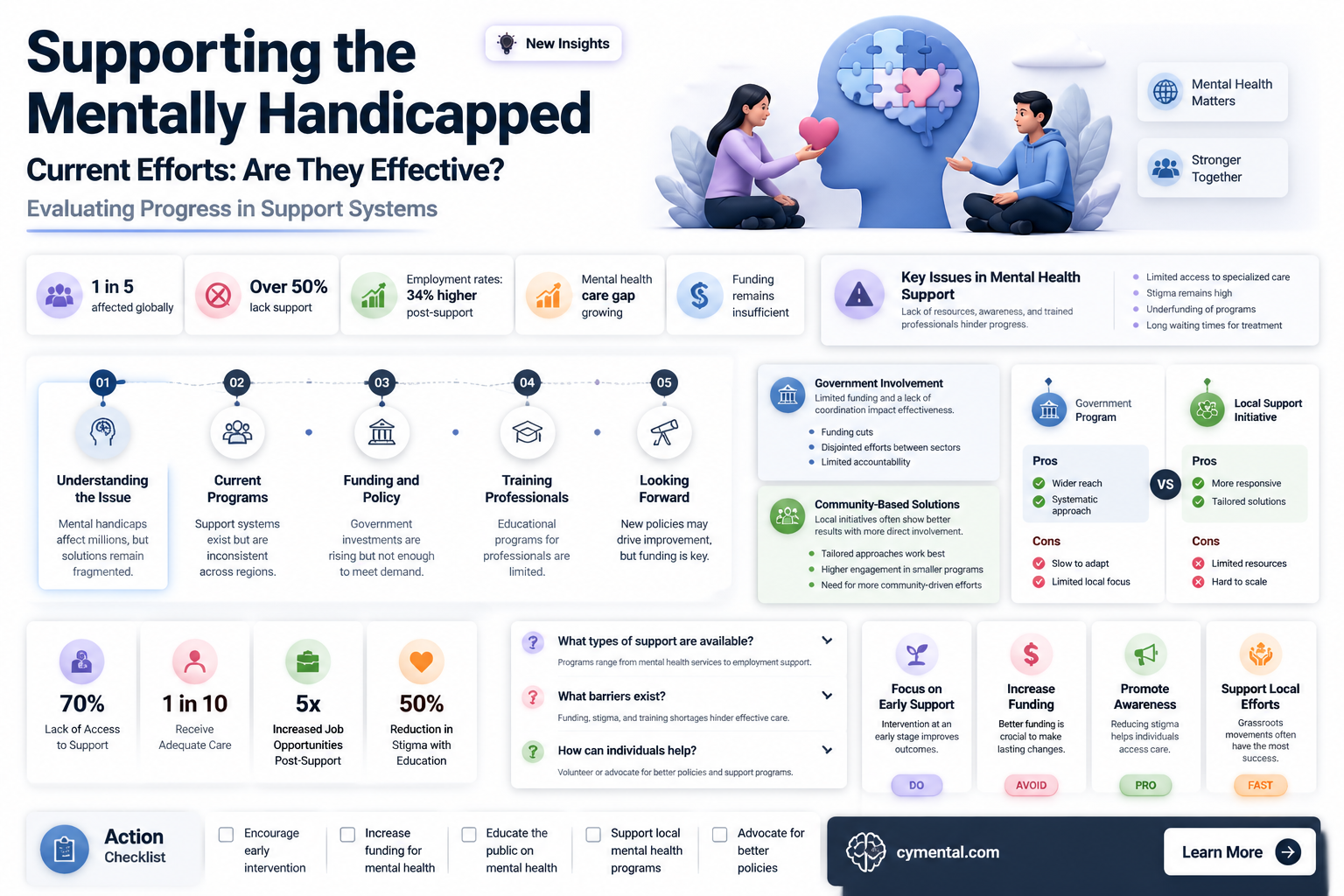
The question of whether individuals with intellectual and developmental disabilities are receiving adequate support and assistance is a critical and multifaceted issue. While significant strides have been made in recent decades to improve accessibility, education, and integration, many challenges persist. From limited access to quality healthcare and education to societal stigma and discrimination, those with intellectual disabilities often face barriers that hinder their ability to lead fulfilling lives. Governments, organizations, and communities have implemented various programs and policies aimed at providing assistance, yet disparities in resources and opportunities remain widespread. Addressing this issue requires a comprehensive approach that includes increased funding, better awareness, and a commitment to inclusivity, ensuring that everyone, regardless of ability, has the chance to thrive.
Explore related products


What You'll Learn
- Access to Education: Inclusive schooling and specialized programs for cognitive and social development
- Healthcare Support: Affordable medical care and mental health services tailored to their needs
- Employment Opportunities: Job training, sheltered workshops, and inclusive workplace policies
- Community Integration: Social inclusion, support groups, and public awareness campaigns
- Legal Protections: Rights advocacy, anti-discrimination laws, and guardianship reforms

Access to Education: Inclusive schooling and specialized programs for cognitive and social development
Education is a cornerstone in the development and empowerment of individuals with intellectual disabilities, yet access to quality learning environments remains a critical challenge. Inclusive schooling, where students with and without disabilities learn together, has emerged as a transformative approach. By fostering a sense of belonging and normalcy, inclusive classrooms encourage cognitive and social growth for all participants. For instance, a study by the National Center for Learning Disabilities found that students with intellectual disabilities in inclusive settings demonstrated improved academic performance and social skills compared to those in segregated programs. However, successful inclusion requires careful planning, such as providing individualized education plans (IEPs) and training teachers in differentiated instruction.
Specialized programs complement inclusive schooling by addressing specific developmental needs. For example, Applied Behavior Analysis (ABA) therapy, often used for children with autism, employs structured, repetitive exercises to enhance cognitive and social skills. Typically administered in 20–40 hours per week for children under 5, ABA has shown significant improvements in communication, focus, and adaptive behaviors. Similarly, social skills groups, which meet weekly for 8–12 weeks, teach children with intellectual disabilities how to navigate interactions, recognize emotions, and resolve conflicts. These programs are most effective when tailored to the individual’s age, abilities, and goals, emphasizing consistency and parental involvement.
While inclusive and specialized programs offer immense benefits, their implementation is not without challenges. Schools often face resource constraints, including limited funding, inadequate training for educators, and insufficient support staff. For example, a 2021 report by the U.S. Department of Education highlighted that only 30% of teachers felt fully prepared to teach students with intellectual disabilities. Additionally, societal attitudes can hinder progress, as stigma and misconceptions persist about the capabilities of individuals with disabilities. Addressing these barriers requires systemic change, such as increased government funding, mandatory professional development for teachers, and public awareness campaigns to promote inclusivity.
To maximize the impact of educational interventions, collaboration among educators, families, and healthcare providers is essential. Parents can advocate for their child’s needs by staying informed about available resources, participating in IEP meetings, and reinforcing learning at home. Schools should prioritize creating safe, supportive environments where students feel valued and encouraged to participate. For instance, incorporating assistive technologies, such as speech-to-text software or visual aids, can enhance accessibility and engagement. Ultimately, the goal is to equip individuals with intellectual disabilities not just with academic skills, but with the confidence and tools to thrive in diverse settings. By investing in inclusive and specialized education, society takes a crucial step toward ensuring that no one is left behind.
Finding Support: Where to Seek Help for Depression and Healing
You may want to see also
Explore related products


Healthcare Support: Affordable medical care and mental health services tailored to their needs
Access to affordable, tailored healthcare remains a critical gap for individuals with intellectual and developmental disabilities (IDD). Despite advancements in general healthcare, this population often faces systemic barriers, from provider bias to logistical challenges. For instance, only 15% of medical schools include IDD-specific training, leaving many professionals ill-equipped to address their unique needs. This knowledge gap translates to misdiagnoses, inadequate treatment plans, and a lack of preventive care. A 2021 study found that adults with IDD are twice as likely to report unmet healthcare needs compared to the general population, highlighting the urgency for targeted solutions.
To bridge this gap, healthcare systems must adopt a multi-tiered approach. First, training reforms are essential. Medical curricula should integrate modules on IDD-specific conditions (e.g., Down syndrome, autism) and communication strategies, such as using visual aids or simplified language. For example, the American Academy of Developmental Medicine and Dentistry offers certifications that could become industry standards. Second, financial incentives could encourage providers to specialize in this field. Medicaid reimbursement rates for IDD-related services are often lower than average, disincentivizing participation. Adjusting these rates or offering loan forgiveness for specialists could expand access.
Mental health services require even greater customization. Individuals with IDD are three times more likely to experience anxiety and depression, yet traditional therapies often fail to accommodate their cognitive profiles. Adaptive therapies, such as cognitive-behavioral therapy (CBT) modified with visual tools or role-playing, show promise. For children under 12, play-based interventions have proven effective, while adolescents benefit from peer-led group sessions. Telehealth platforms, when paired with caregiver training, can also improve accessibility, particularly in rural areas. However, these services must be affordable—a sliding-scale fee model, tied to household income, could ensure equity.
Practical implementation demands collaboration. Caregiver empowerment is key; families should receive training on recognizing early signs of health issues and navigating the healthcare system. For instance, a checklist for annual check-ups, including vision, dental, and behavioral screenings, could standardize care. Additionally, technology integration—such as wearable health monitors that track vitals and alert caregivers to anomalies—could provide real-time data for proactive management. Pilot programs in states like Massachusetts have shown that such tools reduce emergency room visits by 30% among IDD populations.
Ultimately, the goal is not just accessibility but dignity in care. Every policy, from insurance coverage to provider training, must prioritize the individual’s autonomy and quality of life. Without affordable, tailored healthcare, the promise of inclusion remains unfulfilled. By addressing these systemic failures, society can move toward a model where medical support is not a privilege but a right—for all.
Seeking Mental Health Support: A Guide to Finding the Right Help
You may want to see also
Explore related products


Employment Opportunities: Job training, sheltered workshops, and inclusive workplace policies
Employment is a cornerstone of independence and self-worth, yet for individuals with intellectual and developmental disabilities (IDD), securing and maintaining a job remains a significant challenge. According to the Bureau of Labor Statistics, only 19.1% of people with disabilities were employed in 2022, compared to 65.4% of those without disabilities. This disparity underscores the urgent need for targeted employment opportunities, including job training, sheltered workshops, and inclusive workplace policies.
Job training programs tailored to individuals with IDD are essential for bridging the employment gap. These programs focus on developing practical skills such as time management, communication, and task completion, often through hands-on experience. For instance, organizations like Goodwill Industries offer vocational training that includes retail, custodial, and food service skills. Participants are paired with job coaches who provide ongoing support, ensuring they can apply their training in real-world settings. A study by the Journal of Vocational Rehabilitation found that individuals who completed such programs were 30% more likely to secure employment within six months. To maximize effectiveness, training should be individualized, with assessments conducted every 3–6 months to track progress and adjust goals.
Sheltered workshops, while controversial, remain a viable option for those with severe disabilities who may struggle in competitive employment. These workshops provide a controlled environment where individuals can perform tasks like assembly, packaging, or crafting at their own pace. Critics argue that sheltered workshops often pay subminimum wages and segregate participants from the broader workforce. However, proponents highlight their role in offering meaningful activity and social interaction for those who might otherwise be isolated. To address concerns, some workshops are transitioning to more inclusive models, such as enclave programs, where small groups work on contracted tasks within mainstream businesses. This hybrid approach allows participants to gain skills while gradually integrating into diverse work environments.
Inclusive workplace policies are the linchpin of long-term employment success for individuals with IDD. Companies like Walmart and Microsoft have implemented programs like neurodiversity hiring initiatives, which focus on recruiting individuals with autism or other cognitive differences for roles in technology, logistics, and customer service. These policies often include accommodations such as flexible scheduling, sensory-friendly workspaces, and clear communication protocols. For example, SAP’s Autism at Work program has achieved a 90% retention rate by providing specialized training for managers and creating a supportive onboarding process. Employers can start by conducting accessibility audits, offering unconscious bias training, and partnering with disability advocacy organizations to design inclusive hiring practices.
While progress has been made, challenges persist. Funding for job training programs remains inconsistent, and many employers still harbor misconceptions about the capabilities of workers with IDD. To address these barriers, policymakers must prioritize investment in vocational programs and enforce compliance with the Americans with Disabilities Act (ADA). Simultaneously, businesses should view inclusive hiring not as a mandate but as a strategic advantage, tapping into a diverse talent pool that enhances innovation and productivity. For individuals with IDD and their families, advocating for personalized employment plans and staying informed about local resources can make a significant difference. Ultimately, creating equitable employment opportunities requires collaboration across sectors, but the payoff—greater independence and societal inclusion—is immeasurable.
Nature's Healing Power: Boosting Mental Health and Well-being Naturally
You may want to see also
Explore related products


Community Integration: Social inclusion, support groups, and public awareness campaigns
Social inclusion is not a passive process but an active commitment to dismantling barriers that isolate individuals with intellectual and developmental disabilities (IDD). One effective strategy is the implementation of inclusive education programs, where students with IDD learn alongside their neurotypical peers. For instance, the “Reverse Inclusion” model, piloted in several U.S. school districts, places general education students in special education classrooms for specific subjects, fostering mutual understanding and friendships. Studies show that such programs reduce stigma and improve academic outcomes for all participants. However, success hinges on teacher training in differentiated instruction and classroom management, as well as ongoing support from school administrators. Without these elements, inclusion risks becoming tokenistic, exacerbating rather than alleviating exclusion.
Support groups serve as lifelines for individuals with IDD and their caregivers, offering emotional sustenance and practical advice in navigating systemic challenges. For example, the National Association for Down Syndrome (NADS) hosts monthly caregiver support groups, both in-person and virtually, catering to diverse needs. These groups often incorporate structured activities, such as role-playing scenarios for conflict resolution or workshops on accessing government benefits. A critical yet overlooked aspect is the need for peer-led groups specifically for adults with IDD, where they can share experiences without the filter of caregiver perspectives. Research indicates that such groups enhance self-esteem and communication skills, but their sustainability often depends on external funding and volunteer coordination, highlighting the fragility of grassroots initiatives.
Public awareness campaigns can shift societal perceptions, but their impact varies widely based on messaging and execution. The “End the R-Word” campaign, led by Special Olympics, successfully reduced the use of a derogatory term by 80% among young adults within five years through a combination of social media challenges, celebrity endorsements, and school curricula. Conversely, campaigns that rely solely on pity or inspiration porn—portraying individuals with IDD as either burdens or heroes—perpetuate harmful stereotypes. Effective campaigns employ storytelling that humanizes, educates, and calls to action, such as the “I Can Work” initiative, which showcases the professional achievements of individuals with IDD and provides employers with hiring resources. Metrics for success should include not just reach but behavioral changes, such as increased workplace inclusion or policy advocacy.
A comparative analysis of community integration efforts across cultures reveals both universal challenges and context-specific solutions. In Japan, the *Kominkai* system integrates individuals with IDD into local community centers, offering vocational training and social activities tailored to regional traditions, such as pottery or gardening. In contrast, Scandinavian countries emphasize individualized funding models, where recipients allocate resources to services that align with their personal goals, from art therapy to assisted living arrangements. While these approaches differ in structure, they share a common principle: centering the preferences and strengths of individuals with IDD. Policymakers in other regions can adapt these models by first conducting needs assessments that prioritize local input, ensuring that integration efforts are culturally resonant and sustainable.
Supporting Mental Health: Effective Ways to Help a Loved One in Need
You may want to see also
Explore related products




Legal Protections: Rights advocacy, anti-discrimination laws, and guardianship reforms
Legal protections for individuals with intellectual and developmental disabilities (IDD) have evolved significantly, yet gaps remain. Rights advocacy has been pivotal in shaping policies that recognize their autonomy and dignity. Organizations like The Arc and the American Association on Intellectual and Developmental Disabilities (AAIDD) have championed legislation such as the Americans with Disabilities Act (ADA), which prohibits discrimination in employment, education, and public services. These efforts ensure that individuals with IDD are not excluded from opportunities but are instead empowered to participate fully in society. For instance, the ADA mandates reasonable accommodations in workplaces, such as modified schedules or assistive technology, enabling individuals with IDD to thrive professionally.
Anti-discrimination laws extend beyond the workplace, addressing systemic barriers in housing, healthcare, and education. The Fair Housing Act, for example, prohibits denying housing to individuals with disabilities and requires reasonable modifications to accommodate their needs. However, enforcement remains a challenge. A 2021 report by the National Fair Housing Alliance found that individuals with IDD still face discrimination in rental applications and accessibility modifications. Strengthening enforcement mechanisms and raising awareness among landlords and tenants is critical to ensuring these protections are realized in practice.
Guardianship reforms represent another critical area of legal protection, shifting from restrictive models to supported decision-making frameworks. Traditional guardianship often strips individuals with IDD of their legal rights, treating them as perpetual wards. In contrast, supported decision-making allows them to retain autonomy while receiving assistance in making choices about their lives. States like Texas and Delaware have enacted laws promoting this approach, offering alternatives to full guardianship. For example, a person with IDD might designate trusted individuals to help them understand financial decisions without relinquishing control. This model aligns with the United Nations Convention on the Rights of Persons with Disabilities, which emphasizes the right to legal capacity.
Despite progress, challenges persist in implementing these legal protections. Advocacy must continue to address underfunding, lack of awareness, and resistance to change. For instance, while the ADA guarantees access to public spaces, many buildings remain inaccessible due to non-compliance. Practical steps include advocating for stricter penalties for violations, providing training for employers and service providers, and promoting community education campaigns. Families and caregivers can also play a role by staying informed about legal rights and utilizing resources like special needs trusts to secure financial stability for their loved ones.
In conclusion, legal protections for individuals with IDD have advanced through rights advocacy, anti-discrimination laws, and guardianship reforms. Yet, the journey toward full inclusion requires sustained effort. By addressing enforcement gaps, promoting supported decision-making, and fostering awareness, society can ensure these protections translate into tangible improvements in the lives of individuals with IDD. The goal is not just legal equality but the realization of their inherent worth and potential.
Sleep's Role in Boosting Mental Health and Emotional Well-Being
You may want to see also
Frequently asked questions
While many countries offer support services such as therapy, vocational training, and community programs, access and quality vary widely. In some regions, resources are limited, leaving many individuals underserved.
Government policies can be effective when they prioritize funding, inclusivity, and accessibility. However, implementation gaps, lack of awareness, and insufficient funding often hinder their effectiveness.
Communities play a crucial role by fostering inclusivity, providing emotional support, and advocating for better resources. Local initiatives, such as awareness campaigns and volunteer programs, can significantly improve the lives of individuals with mental disabilities.