Lucas Bennett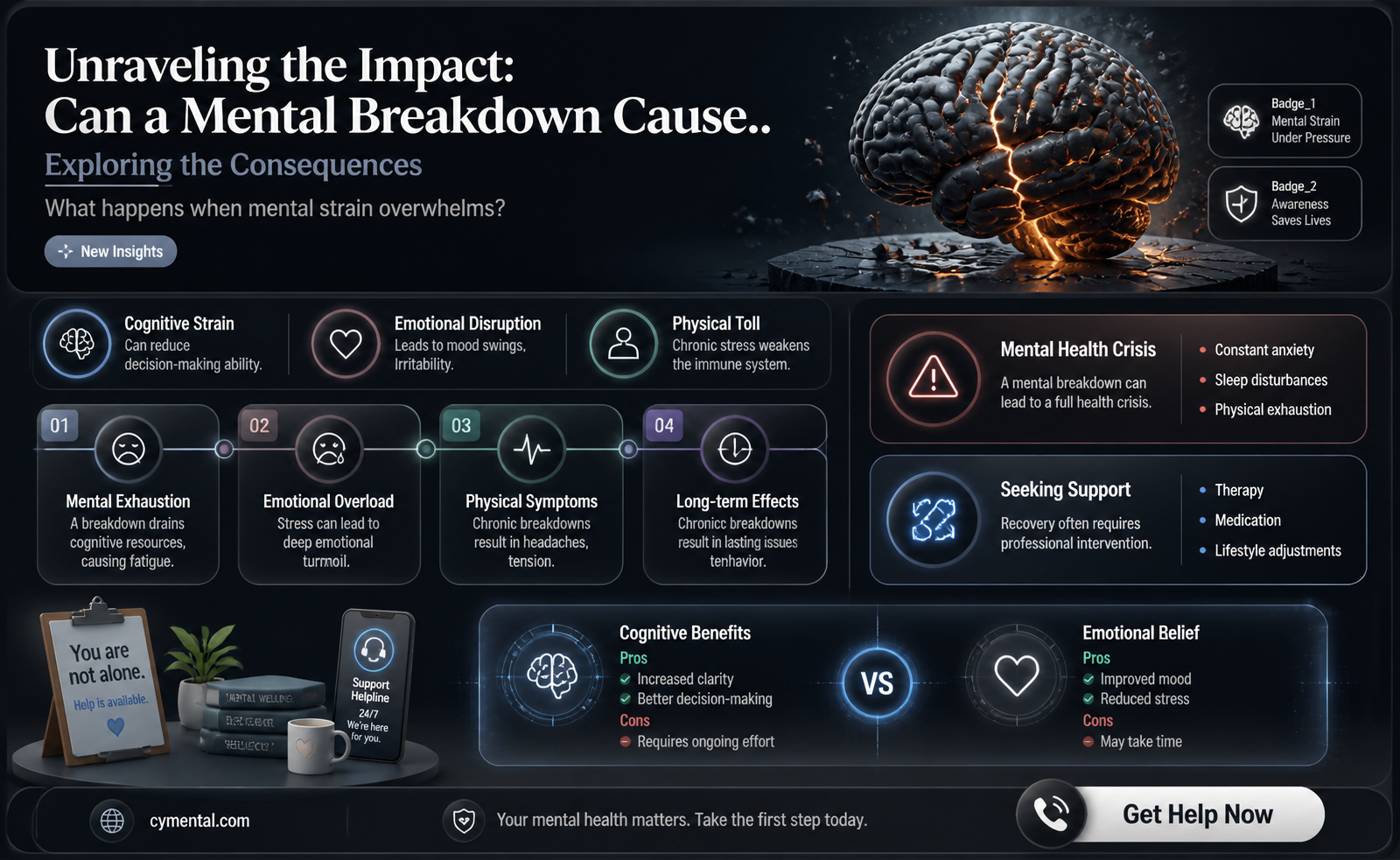
A mental breakdown, often referred to as a nervous breakdown, is a period of intense emotional distress that can significantly impair an individual's ability to function in daily life. It is not a formal psychiatric diagnosis but rather a colloquial term used to describe a state of overwhelming stress, anxiety, or depression. During a mental breakdown, a person may experience a range of symptoms, including extreme fatigue, insomnia, loss of appetite, uncontrollable crying, and a sense of hopelessness or despair. These symptoms can be triggered by various factors, such as traumatic events, chronic stress, or underlying mental health conditions. The impact of a mental breakdown can be profound, affecting not only the individual's mental health but also their physical well-being, relationships, and overall quality of life. Understanding the causes and signs of a mental breakdown is crucial for providing appropriate support and seeking timely professional help.
Explore related products




What You'll Learn
- Physical Health Decline: Chronic stress can lead to physical symptoms like headaches, digestive issues, and weakened immunity
- Social Withdrawal: Individuals may isolate themselves from friends and family, leading to increased feelings of loneliness and depression
- Cognitive Impairment: Difficulty concentrating, memory problems, and impaired decision-making abilities can result from prolonged mental strain
- Emotional Instability: Mood swings, irritability, and overwhelming feelings of sadness or anxiety can become more pronounced
- Behavioral Changes: Changes in sleep patterns, appetite, and substance use can occur as coping mechanisms for mental distress

Physical Health Decline: Chronic stress can lead to physical symptoms like headaches, digestive issues, and weakened immunity
Chronic stress has a profound impact on physical health, manifesting in a variety of symptoms that can significantly reduce quality of life. One of the most common physical symptoms of chronic stress is headaches. These can range from mild tension headaches to severe migraines, often occurring frequently and persisting for extended periods. The exact mechanism by which stress triggers headaches is complex, involving both psychological and physiological factors. Stress can cause muscle tension in the head and neck, disrupt normal sleep patterns, and lead to changes in appetite and hydration, all of which can contribute to the development of headaches.
Digestive issues are another prevalent physical symptom of chronic stress. Stress can affect the digestive system in several ways, leading to problems such as irritable bowel syndrome (IBS), acid reflux, and stomach ulcers. The gut-brain axis, a bidirectional communication system between the brain and the digestive tract, plays a crucial role in this relationship. When stressed, the brain can send signals to the gut that disrupt normal digestive processes, leading to symptoms like abdominal pain, bloating, and changes in bowel habits. Furthermore, stress can weaken the immune system, making the body more susceptible to infections and illnesses. This decline in immune function can result from prolonged exposure to stress hormones like cortisol, which can suppress the activity of immune cells and impair the body's ability to fight off pathogens.
In addition to these specific symptoms, chronic stress can also lead to a range of other physical health problems, including cardiovascular disease, respiratory issues, and skin conditions. The cumulative effect of these physical symptoms can be debilitating, further exacerbating the psychological impact of stress and potentially leading to a mental breakdown. It is essential to recognize the physical signs of chronic stress and take proactive steps to manage stress levels, such as through exercise, relaxation techniques, and seeking support from healthcare professionals. By addressing the root causes of stress and implementing effective coping strategies, individuals can mitigate the physical health decline associated with chronic stress and improve their overall well-being.
Unraveling the Genetic Links to Mental Disabilities: A Scientific Exploration
You may want to see also
Explore related products


Social Withdrawal: Individuals may isolate themselves from friends and family, leading to increased feelings of loneliness and depression
Social withdrawal is a significant concern when discussing the potential causes of a mental breakdown. It often manifests as individuals isolating themselves from friends and family, which can exacerbate feelings of loneliness and depression. This behavior can be a coping mechanism for dealing with overwhelming stress or emotional pain, but it can also be a symptom of an underlying mental health condition.
One unique angle to consider is the role of social media in perpetuating social withdrawal. While social media platforms are designed to connect people, they can sometimes have the opposite effect. Individuals may spend hours scrolling through their feeds, comparing their lives to others, and feeling increasingly disconnected from their own social circles. This can lead to a vicious cycle of isolation and depression, as people may feel too anxious or inadequate to reach out to others in person.
Another important factor to consider is the impact of social withdrawal on physical health. Research has shown that prolonged isolation can have negative effects on the immune system, cardiovascular health, and even cognitive function. This highlights the importance of addressing social withdrawal not just as a mental health issue, but as a holistic health concern.
In terms of practical tips, it's essential to encourage individuals experiencing social withdrawal to seek support from mental health professionals. Cognitive-behavioral therapy (CBT) can be particularly effective in helping people identify and challenge negative thought patterns that contribute to isolation. Additionally, joining social groups or clubs that align with one's interests can provide a low-pressure way to reconnect with others and build new relationships.
Ultimately, understanding the complex interplay between social withdrawal, mental health, and physical well-being is crucial in preventing and treating mental breakdowns. By addressing the root causes of isolation and providing targeted support, we can help individuals build resilience and foster meaningful connections with others.
Exploring the Link: Brain Aneurysms and Mental Health
You may want to see also
Explore related products


$9.79 $17.99


Cognitive Impairment: Difficulty concentrating, memory problems, and impaired decision-making abilities can result from prolonged mental strain
Prolonged mental strain can lead to cognitive impairment, manifesting as difficulty concentrating, memory problems, and impaired decision-making abilities. This is often seen in individuals who experience chronic stress, such as those in high-pressure jobs or caregiving roles. The constant demand on mental resources can deplete cognitive reserves, making it challenging to perform tasks that require sustained attention and critical thinking.
One of the primary mechanisms by which mental strain affects cognition is through the disruption of neuroplasticity. Neuroplasticity is the brain's ability to adapt and change in response to experience. When under chronic stress, the brain's capacity for neuroplasticity is compromised, leading to difficulties in forming new memories and retrieving existing ones. This can result in forgetfulness, misplacing items, or struggling to recall important information.
Furthermore, mental strain can impact executive functions, which are a set of cognitive processes that include decision-making, problem-solving, and planning. Individuals under prolonged stress may find it challenging to make decisions, even simple ones, and may experience a decrease in their ability to solve problems effectively. This can lead to feelings of being overwhelmed and an inability to cope with daily tasks.
It is also important to note that cognitive impairment due to mental strain can have a significant impact on an individual's quality of life. It can affect their ability to perform at work, maintain relationships, and engage in activities they enjoy. In severe cases, it can lead to more serious mental health issues, such as depression and anxiety.
To mitigate the effects of mental strain on cognition, it is essential to practice stress management techniques. This can include mindfulness meditation, physical exercise, and setting boundaries to reduce workload. Additionally, seeking support from mental health professionals can provide individuals with the tools they need to manage stress and improve cognitive function.
In conclusion, cognitive impairment resulting from prolonged mental strain is a significant concern that can affect various aspects of an individual's life. By understanding the mechanisms behind this impairment and implementing strategies to manage stress, it is possible to reduce the negative impact on cognitive function and overall well-being.
Unraveling the Mind: Understanding Mental Illnesses Behind Delusions
You may want to see also
Explore related products


![Mental [DVD]](https://m.media-amazon.com/images/I/81fIDaPIXTL._AC_UY218_.jpg)


Emotional Instability: Mood swings, irritability, and overwhelming feelings of sadness or anxiety can become more pronounced
Emotional instability can manifest in various ways, including mood swings, irritability, and overwhelming feelings of sadness or anxiety. These symptoms can become more pronounced in response to stress, trauma, or other triggering events. For instance, a person may experience sudden shifts in mood, ranging from euphoria to deep depression, within a short period. Irritability can lead to outbursts of anger or frustration, even in situations that would not normally provoke such reactions. Overwhelming feelings of sadness or anxiety can be debilitating, making it difficult for individuals to function in their daily lives.
One unique angle to consider is the impact of emotional instability on interpersonal relationships. Mood swings and irritability can strain relationships with family, friends, and colleagues, as others may struggle to understand or cope with the individual's unpredictable behavior. This can lead to feelings of isolation and loneliness, further exacerbating the emotional instability. In some cases, individuals may turn to unhealthy coping mechanisms, such as substance abuse or self-harm, to manage their overwhelming emotions.
Another important aspect to explore is the potential underlying causes of emotional instability. While it can be a symptom of various mental health conditions, such as bipolar disorder or borderline personality disorder, it can also be triggered by external factors, including stress, trauma, or significant life changes. Understanding the root cause of emotional instability is crucial for developing effective treatment strategies and providing appropriate support to those affected.
In terms of practical tips, individuals experiencing emotional instability can benefit from developing healthy coping mechanisms, such as mindfulness practices, exercise, or creative outlets. Seeking support from mental health professionals or joining support groups can also be helpful in managing symptoms and improving overall well-being. It is essential to recognize that emotional instability is a complex issue that requires a multifaceted approach, including self-care, professional support, and a strong support network.
Understanding Mental Retardation: Causes and Prevention Strategies
You may want to see also
Explore related products

Behavioral Changes: Changes in sleep patterns, appetite, and substance use can occur as coping mechanisms for mental distress
Individuals experiencing mental distress may exhibit significant changes in their sleep patterns. This can manifest as insomnia, where they struggle to fall asleep or stay asleep, or hypersomnia, where they sleep excessively. These disruptions can further exacerbate mental health issues, creating a vicious cycle. For instance, chronic insomnia can lead to increased anxiety and depression, while excessive sleep can contribute to feelings of lethargy and hopelessness.
Appetite changes are another common coping mechanism. Some individuals may experience a decrease in appetite, leading to weight loss and potential nutritional deficiencies. Others may turn to overeating or binge eating as a way to cope with their emotions, which can result in weight gain and related health problems. These changes in eating habits can be particularly concerning if they persist over time, as they can contribute to a decline in overall physical health.
Substance use is another area where significant behavioral changes may occur. Individuals may turn to alcohol, drugs, or other substances as a means of self-medication or escape from their mental distress. This can lead to substance abuse disorders, which can have severe consequences on both physical and mental health. For example, excessive alcohol consumption can lead to liver damage, while the misuse of prescription medications can result in addiction and overdose.
It is crucial to recognize these behavioral changes as potential signs of underlying mental health issues. Early intervention and treatment can help individuals develop healthier coping mechanisms and improve their overall well-being. This may involve therapy, medication, lifestyle changes, or a combination of these approaches. By addressing these changes proactively, individuals can work towards regaining control over their lives and improving their mental health.
Exploring the Link: Chest Infections and Mental Confusion
You may want to see also
Frequently asked questions
Yes, a mental breakdown can manifest in physical symptoms such as headaches, stomachaches, fatigue, and sleep disturbances. The body often responds to mental stress with physical reactions.
In severe cases, a mental breakdown can lead to psychosis, where an individual may experience hallucinations or delusions, losing touch with reality. This requires immediate professional intervention.
Yes, significant changes in appetite or weight can be a symptom of a mental breakdown. Stress and anxiety can lead to either overeating or undereating, resulting in noticeable weight fluctuations.
Absolutely, during a mental breakdown, individuals may withdraw from social interactions and isolate themselves. This can be a coping mechanism or a result of feeling overwhelmed by social situations.
Yes, a mental breakdown can lead to suicidal thoughts or behaviors. It is crucial to seek help immediately if someone is experiencing such thoughts, as they may be at risk of self-harm.