Harper Lewis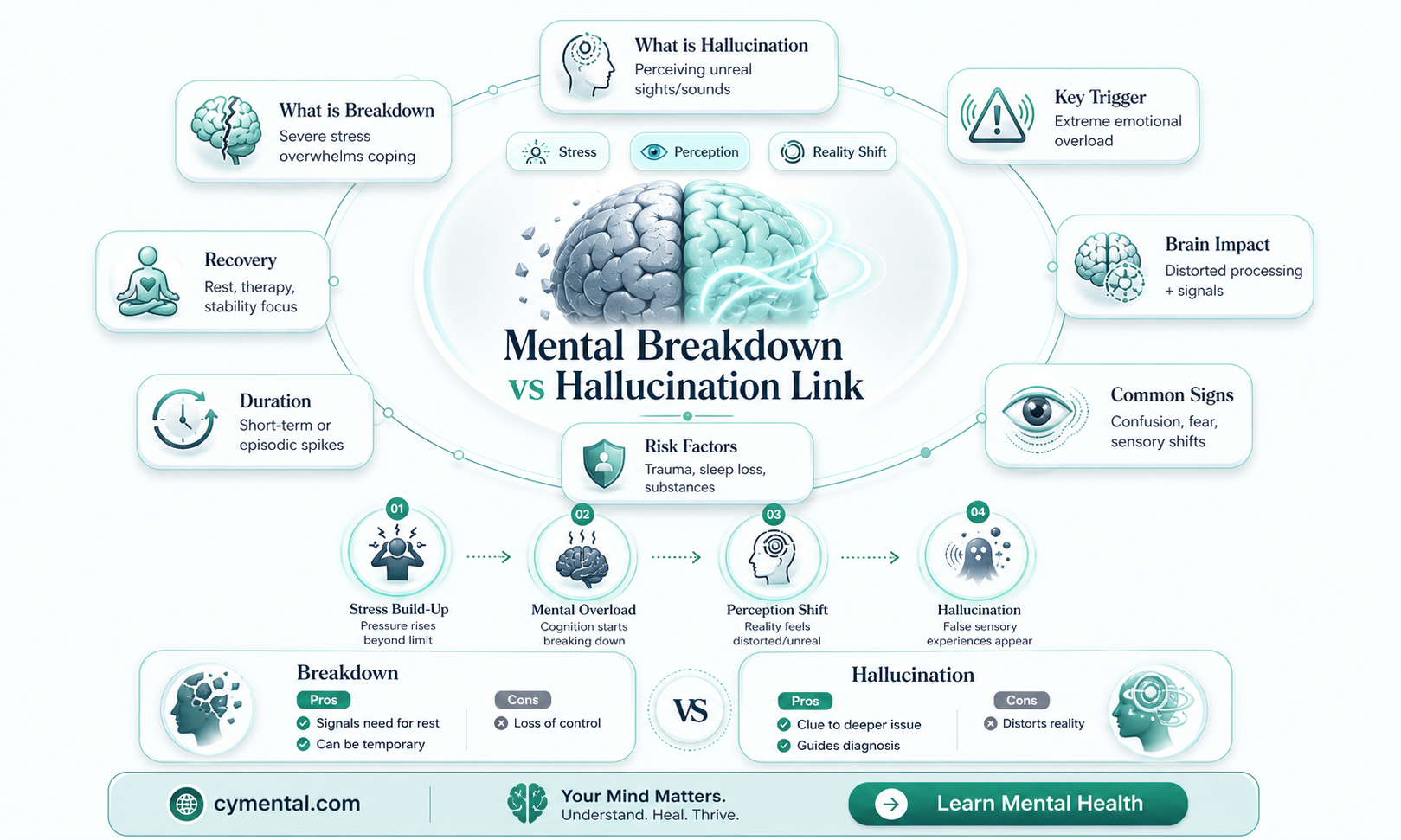
A mental breakdown, often referred to as a nervous breakdown, is a period of intense emotional distress that can interfere with a person's ability to function in daily life. During such episodes, individuals may experience a range of symptoms, including anxiety, depression, and sleep disturbances. One common question is whether a mental breakdown can cause hallucinations. Hallucinations are sensory experiences that occur without an external stimulus, such as seeing or hearing things that are not present. While hallucinations are more commonly associated with conditions like schizophrenia, they can also occur during a mental breakdown. This is because the stress and emotional turmoil of a breakdown can disrupt normal cognitive processes, leading to altered perceptions and experiences. It is important to note, however, that hallucinations during a mental breakdown are typically less severe and less persistent than those experienced in psychotic disorders. If someone is experiencing hallucinations, it is crucial to seek professional help to determine the underlying cause and receive appropriate treatment.
| Characteristics | Values |
|---|---|
| Definition | A mental breakdown can manifest as an acute episode of mental illness, potentially leading to hallucinations. Hallucinations are sensory experiences that occur without an external stimulus. |
| Symptoms | Symptoms of a mental breakdown may include extreme mood swings, anxiety, paranoia, and disorganized thinking. Hallucinations can involve any of the senses, such as seeing, hearing, tasting, smelling, or feeling things that aren't there. |
| Causes | Mental breakdowns can be triggered by various factors, including severe stress, trauma, substance abuse, or underlying mental health conditions like schizophrenia or bipolar disorder. Hallucinations are often a symptom of these conditions. |
| Duration | The duration of a mental breakdown and associated hallucinations can vary widely, from a few hours to several weeks or even months if untreated. |
| Treatment | Treatment typically involves a combination of medication, such as antipsychotics, and psychotherapy. Early intervention is crucial to manage symptoms and prevent long-term complications. |
| Prognosis | With appropriate treatment, many individuals experiencing a mental breakdown with hallucinations can recover and lead fulfilling lives. However, without treatment, symptoms can worsen and lead to chronic mental health issues. |
| Impact on Daily Life | Hallucinations can significantly impair an individual's ability to function in daily life, affecting their relationships, work, and overall well-being. |
| Risk Factors | Risk factors for mental breakdowns and hallucinations include a family history of mental illness, previous episodes of mental health issues, substance abuse, and exposure to traumatic events. |
| Prevention | While not always preventable, managing stress, seeking early treatment for mental health issues, and avoiding substance abuse can help reduce the risk of mental breakdowns and hallucinations. |
| Support | Support from family, friends, and mental health professionals is crucial for individuals experiencing a mental breakdown with hallucinations. |
What You'll Learn
- Definition of Mental Breakdown: Understanding the term and its implications on mental health
- Symptoms of Mental Breakdown: Exploring common signs, including emotional and physical manifestations
- Hallucinations and Psychosis: Differentiating between hallucinations, delusions, and psychotic episodes
- Causes of Hallucinations: Investigating potential triggers, such as stress, sleep deprivation, or substance use
- Treatment and Support: Discussing therapeutic approaches, medication, and support systems for individuals experiencing hallucinations

Definition of Mental Breakdown: Understanding the term and its implications on mental health
A mental breakdown is a term used to describe an acute mental health crisis where an individual is unable to function in their daily life due to overwhelming stress, anxiety, or other emotional pressures. This state can manifest in various ways, including severe depression, anxiety disorders, or even psychotic episodes. It's important to note that the term "mental breakdown" is not a formal psychiatric diagnosis but rather a colloquial expression used to describe a range of mental health issues that impair one's ability to cope with everyday life.
The implications of a mental breakdown on mental health can be profound. It often indicates that an individual's coping mechanisms have been overwhelmed, leading to a significant decline in their ability to manage stress and maintain emotional equilibrium. This can result in a variety of symptoms, including but not limited to, extreme mood swings, withdrawal from social interactions, changes in sleep and eating patterns, and in severe cases, hallucinations or delusions.
Hallucinations, in the context of a mental breakdown, are sensory experiences that occur without an external stimulus. They can be auditory, visual, olfactory, or tactile and are often a sign of a psychotic episode. It's crucial to understand that hallucinations are not the same as delusions, which are false beliefs that are firmly held despite evidence to the contrary. Hallucinations can be a symptom of various mental health conditions, including schizophrenia, bipolar disorder, and severe depression, and can be triggered or exacerbated by a mental breakdown.
In terms of treatment, addressing a mental breakdown often involves a combination of psychotherapy, medication, and lifestyle changes. Cognitive-behavioral therapy (CBT) can be particularly effective in helping individuals develop healthier coping mechanisms and manage their symptoms. Medications such as antidepressants, anti-anxiety drugs, or antipsychotics may be prescribed to alleviate symptoms and stabilize the individual's mental state. Additionally, lifestyle modifications, including regular exercise, a balanced diet, and adequate sleep, can play a significant role in supporting mental health and preventing future breakdowns.
It's also important to recognize the role of social support in the recovery process. Friends, family, and support groups can provide emotional support, practical assistance, and a sense of community, which are all vital for maintaining mental health. Furthermore, reducing stigma around mental health issues and encouraging open conversations about mental breakdowns can help individuals seek help earlier and improve their chances of recovery.
In conclusion, a mental breakdown is a serious mental health crisis that can have significant implications for an individual's well-being. Understanding the term and its associated symptoms, such as hallucinations, is crucial for providing appropriate support and treatment. By addressing the underlying causes, providing effective treatment, and fostering a supportive environment, individuals can recover from a mental breakdown and lead fulfilling lives.
Unraveling the Complexities: Do Mental Health Medications Address the Root Cause?
You may want to see also
Symptoms of Mental Breakdown: Exploring common signs, including emotional and physical manifestations
A mental breakdown can manifest in various ways, and one of the most alarming symptoms is the potential for hallucinations. These can be auditory, visual, or even tactile, and they represent a significant departure from reality. Hallucinations are often a sign of severe mental distress and can indicate a break from reality. They may involve hearing voices, seeing things that aren't there, or feeling sensations that have no physical cause.
It's important to note that hallucinations are not the same as delusions, which are false beliefs that are firmly held despite evidence to the contrary. Hallucinations are perceptions that are not based in reality, while delusions are beliefs that are not based in reality. Both can be symptoms of a mental breakdown, but they are distinct in their nature.
Hallucinations can be triggered by a variety of factors, including severe stress, sleep deprivation, and substance abuse. They can also be a symptom of underlying mental health conditions such as schizophrenia, bipolar disorder, or severe depression. In the context of a mental breakdown, hallucinations can be a sign that the individual is experiencing an acute episode of psychosis.
If someone is experiencing hallucinations, it's crucial that they seek immediate medical attention. Hallucinations can be a sign of a serious mental health condition that requires treatment. In some cases, medication may be necessary to manage the symptoms. Therapy can also be helpful in addressing the underlying causes of the hallucinations and developing coping strategies.
In addition to hallucinations, there are other symptoms that can indicate a mental breakdown. These may include extreme mood swings, withdrawal from social activities, changes in appetite or sleep patterns, and feelings of hopelessness or worthlessness. If someone is experiencing any of these symptoms, it's important that they seek help from a mental health professional.
In conclusion, hallucinations can be a symptom of a mental breakdown, and they represent a significant departure from reality. They can be triggered by a variety of factors and are often a sign of severe mental distress. If someone is experiencing hallucinations, it's crucial that they seek immediate medical attention. With proper treatment, it is possible to manage the symptoms and address the underlying causes of the hallucinations.
Exploring the Link: Mental Health and Swollen Lymph Nodes
You may want to see also
Hallucinations and Psychosis: Differentiating between hallucinations, delusions, and psychotic episodes
Hallucinations, delusions, and psychotic episodes are distinct yet interconnected components of severe mental health disturbances. While they often co-occur, each has its unique characteristics and implications for diagnosis and treatment. Hallucinations are sensory experiences that occur without an external stimulus, such as hearing voices or seeing things that are not there. Delusions, on the other hand, are firmly held beliefs that are not based in reality, such as the conviction that one is being followed or poisoned. Psychotic episodes encompass a broader range of symptoms, including hallucinations, delusions, disorganized thinking, and impaired functioning.
Differentiating between these conditions is crucial for accurate diagnosis and effective treatment. For instance, hallucinations can be a symptom of various disorders, including schizophrenia, bipolar disorder, and even certain medical conditions like epilepsy. Delusions, while also a hallmark of schizophrenia, can occur in other contexts, such as in delusional disorder or as a result of substance abuse. Psychotic episodes are typically associated with schizophrenia but can also occur in other psychotic disorders, such as schizoaffective disorder or brief psychotic disorder.
One of the challenges in distinguishing between hallucinations, delusions, and psychotic episodes is the subjective nature of these experiences. Individuals may not always be aware that their perceptions or beliefs are distorted, and they may resist attempts to challenge their reality. Furthermore, these symptoms can vary in intensity and presentation, making it difficult to draw clear boundaries between them. For example, a person experiencing a hallucination may also have delusional beliefs about the source of the hallucination, blurring the lines between the two.
In the context of a mental breakdown, it is essential to consider the potential for hallucinations, delusions, and psychotic episodes to emerge. A mental breakdown, often referred to as a nervous breakdown, is a period of extreme mental distress that can lead to an inability to function in daily life. While not a formal psychiatric diagnosis, a mental breakdown can be a precursor to more severe mental health issues, including psychosis. During a mental breakdown, individuals may experience a range of symptoms, including anxiety, depression, sleep disturbances, and cognitive impairment. If left untreated, these symptoms can escalate, potentially leading to the development of hallucinations, delusions, and psychotic episodes.
In conclusion, understanding the differences between hallucinations, delusions, and psychotic episodes is critical for providing appropriate care and support to individuals experiencing mental health challenges. By recognizing the unique characteristics of each condition, mental health professionals can develop targeted interventions that address the specific needs of their patients. In the case of a mental breakdown, early identification and treatment can help prevent the progression of symptoms and improve outcomes for those affected.
Unveiling the Mind: Mental Illnesses Behind Hallucinations
You may want to see also
Causes of Hallucinations: Investigating potential triggers, such as stress, sleep deprivation, or substance use
Hallucinations can be triggered by a variety of factors, and understanding these can be crucial in managing and preventing them. One significant trigger is stress. Chronic stress can lead to a breakdown in the brain's ability to filter out irrelevant stimuli, resulting in hallucinations. This can be particularly problematic in high-stress environments such as workplaces or during significant life changes.
Sleep deprivation is another common trigger for hallucinations. When the body is deprived of adequate sleep, the brain's ability to function properly is impaired. This can lead to a range of cognitive distortions, including hallucinations. It's important to note that the quality of sleep is just as important as the quantity. Disrupted sleep patterns, such as those caused by sleep apnea or restless leg syndrome, can also contribute to the onset of hallucinations.
Substance use is a well-known trigger for hallucinations. Certain drugs, such as hallucinogens (LSD, PCP), stimulants (amphetamine, cocaine), and even some prescription medications, can induce hallucinations. The use of these substances can alter the brain's chemistry, leading to distorted perceptions and hallucinations. It's crucial to be aware of the potential side effects of any medication or substance and to use them responsibly.
In addition to these triggers, it's important to consider the role of mental health conditions in the onset of hallucinations. Conditions such as schizophrenia, bipolar disorder, and depression can all contribute to the experience of hallucinations. If you or someone you know is experiencing hallucinations, it's essential to seek professional help to address any underlying mental health issues.
Preventing hallucinations involves managing these triggers effectively. This can include practicing stress-reduction techniques such as meditation or yoga, maintaining a regular sleep schedule, and avoiding substance use. For those with mental health conditions, adhering to a treatment plan and seeking support from mental health professionals can be crucial in preventing the onset of hallucinations.
In conclusion, understanding the causes of hallucinations can empower individuals to take proactive steps in managing their mental health. By addressing potential triggers such as stress, sleep deprivation, and substance use, and seeking professional help when needed, it's possible to reduce the risk of experiencing hallucinations and improve overall well-being.
Exploring the Link: Type 2 Diabetes and Mental Health
You may want to see also
Treatment and Support: Discussing therapeutic approaches, medication, and support systems for individuals experiencing hallucinations
Cognitive Behavioral Therapy (CBT) is a frontline therapeutic approach for treating hallucinations. It involves working with a therapist to identify and challenge negative thought patterns that may contribute to the hallucinations. Through CBT, individuals learn coping strategies and techniques to manage their symptoms. For example, a therapist might guide a patient through relaxation exercises or help them develop a personalized plan to reduce stress, which can exacerbate hallucinations.
Medication can also play a crucial role in managing hallucinations. Antipsychotic medications are commonly prescribed to help alleviate symptoms. These medications work by affecting the levels of certain chemicals in the brain, such as dopamine, which can help reduce the intensity and frequency of hallucinations. It's important to note that medication should always be taken under the guidance of a healthcare professional, as they can monitor side effects and adjust dosages as needed.
In addition to therapy and medication, support systems are vital for individuals experiencing hallucinations. This can include family, friends, and community support groups. Support groups provide a safe space for individuals to share their experiences, learn from others, and develop a sense of community. Online resources and helplines can also be valuable, offering access to information and support at any time.
It's also important to address the stigma surrounding hallucinations. Many people may feel ashamed or embarrassed about their experiences, which can prevent them from seeking help. By increasing awareness and understanding, we can create a more supportive environment for those affected.
Finally, lifestyle changes can also help manage hallucinations. Regular exercise, a balanced diet, and adequate sleep can all contribute to overall mental health and wellbeing. Mindfulness practices, such as meditation and yoga, can also help reduce stress and improve focus.
In conclusion, a comprehensive approach to treating and supporting individuals experiencing hallucinations involves a combination of therapy, medication, support systems, and lifestyle changes. By addressing the issue from multiple angles, we can help individuals manage their symptoms and improve their quality of life.
Navigating Heartbreak: Can a Breakup Trigger a Mental Breakdown?
You may want to see also
Frequently asked questions
Yes, a mental breakdown can cause hallucinations. Hallucinations are a symptom of certain mental health conditions, such as schizophrenia, bipolar disorder, or severe depression. During a mental breakdown, an individual may experience a disruption in their perception of reality, leading to hallucinations.
During a mental breakdown, individuals can experience different types of hallucinations, including auditory hallucinations (hearing voices or sounds that aren't there), visual hallucinations (seeing things that aren't there), tactile hallucinations (feeling sensations on the skin that aren't there), olfactory hallucinations (smelling odors that aren't there), and gustatory hallucinations (tasting flavors that aren't there).
Hallucinations during a mental breakdown can be treated with a combination of medication and therapy. Antipsychotic medications are often used to reduce the severity and frequency of hallucinations. Cognitive-behavioral therapy (CBT) can also be helpful in teaching individuals coping strategies and techniques to manage their symptoms. In some cases, hospitalization may be necessary to ensure the individual's safety and provide intensive treatment.