Madison Cole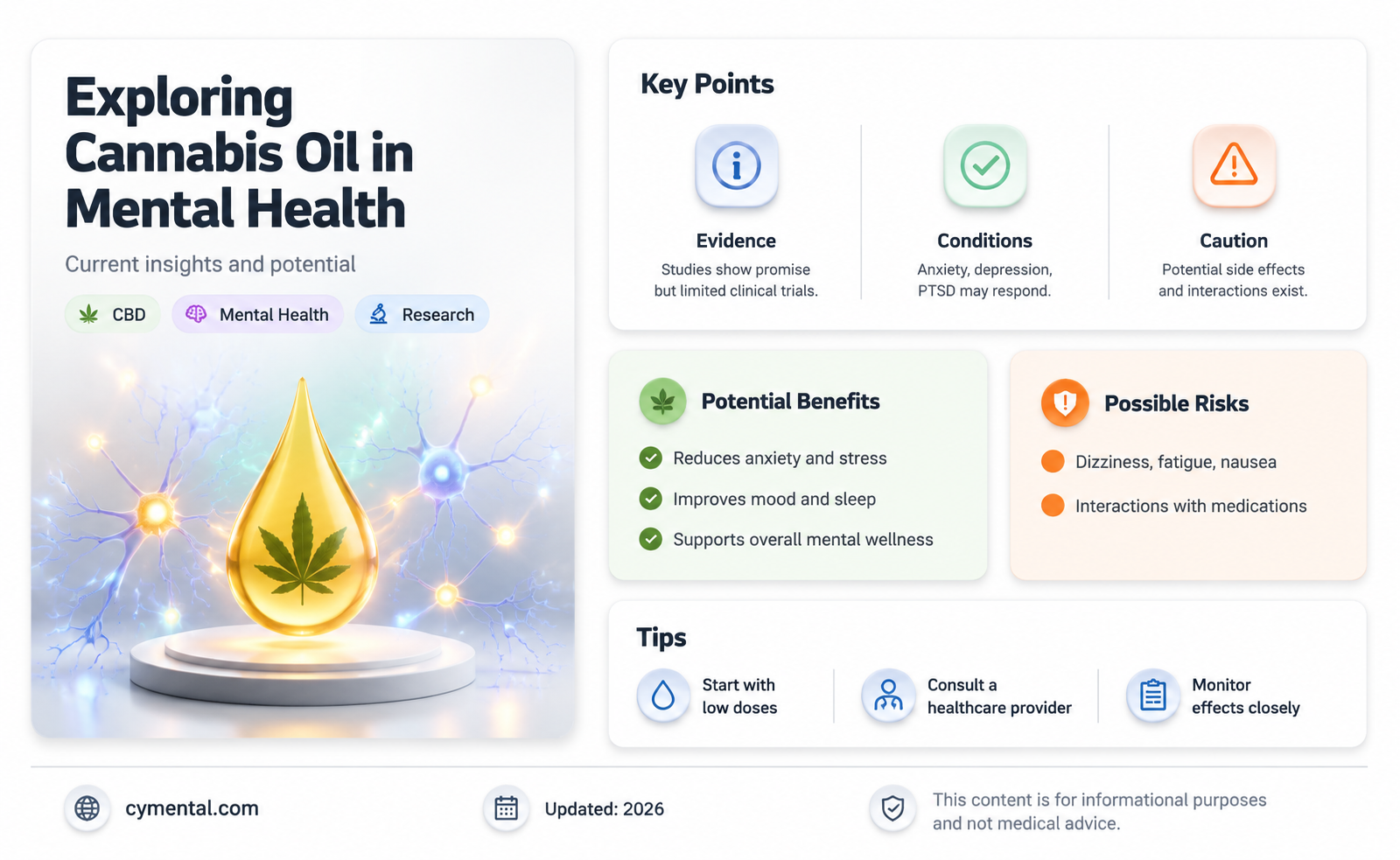
Cannabis oil, derived from the cannabis plant, has gained attention for its potential therapeutic effects, particularly in the realm of mental health. As mental illnesses such as anxiety, depression, and PTSD continue to affect millions worldwide, researchers and individuals alike are exploring alternative treatments, with cannabis oil emerging as a subject of interest. While some studies suggest that cannabinoids, the active compounds in cannabis oil, may help alleviate symptoms by interacting with the body’s endocannabinoid system, the evidence remains mixed and often inconclusive. Advocates argue that it can reduce anxiety, improve mood, and promote relaxation, but critics caution about potential risks, including dependency, cognitive impairment, and the lack of standardized dosages. As the debate continues, further research is essential to determine the efficacy, safety, and long-term implications of using cannabis oil as a treatment for mental illness.
Explore related products


What You'll Learn
- CBD for Anxiety Relief: Exploring how CBD oil reduces anxiety symptoms and promotes relaxation
- THC and Depression: Investigating THC’s potential to alleviate depressive symptoms in mental health patients
- Cannabis Oil for PTSD: Examining its role in managing PTSD symptoms like flashbacks and insomnia
- Bipolar Disorder Treatment: Assessing cannabis oil’s effects on mood stabilization in bipolar patients
- Schizophrenia and Cannabinoids: Studying the risks and benefits of cannabis oil in schizophrenia management

CBD for Anxiety Relief: Exploring how CBD oil reduces anxiety symptoms and promotes relaxation
CBD, a non-psychoactive compound derived from cannabis, has emerged as a potential ally for those grappling with anxiety. Unlike THC, CBD does not induce a "high," making it an appealing option for individuals seeking relief without cognitive impairment. Research suggests that CBD interacts with the endocannabinoid system, a complex cell-signaling system involved in regulating mood, stress response, and other physiological processes. By modulating this system, CBD may help reduce anxiety symptoms, offering a natural alternative to traditional pharmaceuticals.
For those considering CBD oil for anxiety relief, understanding dosage is crucial. Studies often use doses ranging from 300 to 600 mg daily, though individual needs vary. Beginners should start with a lower dose, such as 20–40 mg per day, and gradually increase until they achieve the desired effect. It’s essential to consult a healthcare provider, especially if you’re taking other medications, as CBD can interact with certain drugs. Sublingual tinctures are a popular method of administration, allowing for quick absorption and precise dosing.
One of the most compelling aspects of CBD is its ability to promote relaxation without sedation. Users often report feeling calmer and more focused, rather than drowsy or disconnected. This makes CBD particularly useful for managing situational anxiety, such as public speaking or high-pressure environments. For instance, a study published in *The Permanente Journal* found that 79% of participants experienced reduced anxiety after using CBD. Practical tips include taking CBD 30–60 minutes before a stressful event and pairing it with mindfulness practices like deep breathing for enhanced effects.
While CBD shows promise, it’s not a one-size-fits-all solution. Factors like age, weight, and the severity of anxiety symptoms influence its effectiveness. For older adults or those with chronic anxiety, combining CBD with therapy or lifestyle changes may yield better results. Additionally, quality matters—opt for third-party tested products to ensure purity and accurate CBD content. As the body of research grows, CBD oil stands out as a versatile tool in the mental health toolkit, offering hope for those seeking relief from anxiety’s grip.
Medications for Mental Illness: A Helpful Treatment or Not?
You may want to see also
Explore related products
![VINEVIDA [4oz] Cannabis Flower Fragrance Oil - Made in USA Scents for Candle Making - Natural Candle Fragrance Oil - Scents for Soap Making](https://m.media-amazon.com/images/I/41GXaJIIM1L._AC_UL320_.jpg)



THC and Depression: Investigating THC’s potential to alleviate depressive symptoms in mental health patients
Depression, a pervasive mental health condition affecting millions globally, often resists conventional treatments, leaving patients and clinicians seeking alternative therapies. Among these, THC (tetrahydrocannabinol), the psychoactive compound in cannabis, has emerged as a subject of intense scrutiny for its potential antidepressant effects. While research is still in its infancy, preliminary studies suggest that THC may modulate mood by interacting with the endocannabinoid system, which plays a crucial role in emotional regulation. However, the therapeutic window for THC is narrow; doses as low as 7.5 mg have shown promise in reducing depressive symptoms, while higher doses (e.g., 15 mg or more) may exacerbate anxiety or induce paranoia, particularly in individuals without prior cannabis exposure.
Consider the case of a 32-year-old patient with treatment-resistant depression who, under medical supervision, incorporated a 5 mg THC sublingual tincture into their daily regimen. Over six weeks, they reported a 40% reduction in depressive symptoms, measured via the PHQ-9 scale, without significant side effects. This example underscores the importance of personalized dosing and monitoring, as responses to THC vary widely based on factors like metabolism, tolerance, and comorbid conditions. For instance, older adults or those with hepatic impairment may require even lower doses (2.5–5 mg) to avoid adverse reactions.
Critics argue that THC’s psychoactive properties could complicate its use in mental health treatment, particularly for patients with a history of psychosis or substance misuse. Yet, emerging evidence suggests that THC’s efficacy may hinge on its ratio with CBD (cannabidiol), a non-psychoactive cannabinoid known for its anxiolytic effects. A 1:1 THC-to-CBD ratio, as seen in certain cannabis oil formulations, has demonstrated synergistic benefits in alleviating depressive symptoms while mitigating THC’s potential risks. For instance, a 2022 study published in *JAMA Psychiatry* found that patients receiving a 5 mg THC + 5 mg CBD combination experienced greater symptom relief compared to THC-only groups.
To explore THC as a depression treatment, patients should follow a structured approach: begin with a low dose (2.5–5 mg), administered via inhalation or sublingual methods for precise control; maintain a consistent schedule, avoiding nighttime use to prevent sleep disturbances; and document daily mood changes using validated tools like the PHQ-9. Clinicians must screen for contraindications, such as bipolar disorder or cardiovascular risk factors, and consider adjunctive CBD to enhance safety. While not a panacea, THC’s potential to address depressive symptoms warrants further investigation, particularly for those who have exhausted traditional options. Its integration into mental health care, however, must be guided by rigorous research and individualized care plans.
Supporting Mental Health: Compassionate Ways to Help a Loved One
You may want to see also
Explore related products


Cannabis Oil for PTSD: Examining its role in managing PTSD symptoms like flashbacks and insomnia
Post-traumatic stress disorder (PTSD) affects millions worldwide, often manifesting as flashbacks, insomnia, and severe anxiety. Cannabis oil, particularly its cannabinoids THC and CBD, has emerged as a potential therapeutic option. Research suggests that these compounds interact with the endocannabinoid system, which plays a role in regulating stress responses and memory consolidation. For instance, a 2019 study published in the *Journal of Alternative and Complementary Medicine* found that PTSD patients using cannabis reported a 75% reduction in flashbacks and nightmares. However, the effectiveness varies, and individual responses depend on factors like dosage, cannabinoid ratios, and the severity of symptoms.
To explore cannabis oil as a PTSD treatment, start with low doses and monitor effects closely. A common starting point is 5–10 mg of CBD or 2.5 mg of THC daily, gradually increasing under medical supervision. For insomnia, CBD-dominant products are often preferred due to their calming effects without the psychoactive "high" of THC. Conversely, THC may help extinguish traumatic memories by disrupting their retrieval, but its use requires caution, especially in individuals prone to anxiety or paranoia. Combining both cannabinoids in a 1:1 ratio has shown promise in some cases, but this should be tailored to the patient’s needs.
One practical tip for managing PTSD symptoms is to use cannabis oil in conjunction with therapy, such as cognitive-behavioral therapy (CBT). For example, a patient might take a small dose of CBD before a therapy session to reduce anxiety and enhance focus. For insomnia, sublingual tinctures or capsules taken 30–60 minutes before bedtime can promote relaxation. It’s crucial to avoid self-medication without professional guidance, as improper use can exacerbate symptoms or lead to dependency.
Comparatively, traditional PTSD treatments like SSRIs and benzodiazepines often come with side effects such as weight gain, drowsiness, or addiction risk. Cannabis oil, while not without risks, offers a potentially gentler alternative for some. However, its legal status and lack of standardized dosing remain barriers. For instance, in the U.S., only 36 states allow medical cannabis, and even then, PTSD is not always a qualifying condition. This patchwork of regulations complicates access and underscores the need for further research and policy reform.
In conclusion, cannabis oil shows promise in managing PTSD symptoms like flashbacks and insomnia, particularly when used thoughtfully and under professional guidance. While it’s not a cure-all, its unique mechanism of action and relatively mild side effect profile make it a valuable option for those who haven’t found relief through conventional treatments. Patients and clinicians alike must approach its use with caution, prioritizing individualized care and evidence-based practices to maximize benefits while minimizing risks.
Altruism's Healing Power: Can Selfless Acts Improve Mental Health?
You may want to see also
Explore related products


![VINEVIDA [4 Fl Oz] Cannabis Flower Fragrance Oil for Cold Air Diffusers, Essential Oils for Diffuser Oil Refill & Air Freshener Room Spray](https://m.media-amazon.com/images/I/41hP9tSBJAL._AC_UL320_.jpg)


Bipolar Disorder Treatment: Assessing cannabis oil’s effects on mood stabilization in bipolar patients
Bipolar disorder, characterized by extreme mood swings from manic highs to depressive lows, poses significant challenges for both patients and clinicians. Traditional treatments often include mood stabilizers, antipsychotics, and psychotherapy, but their efficacy varies widely. Amid growing interest in alternative therapies, cannabis oil has emerged as a potential adjunctive treatment. Its active compounds, THC and CBD, interact with the endocannabinoid system, which plays a role in mood regulation. However, the question remains: Can cannabis oil effectively stabilize mood in bipolar patients, and at what cost?
Consider the dual nature of cannabis oil’s components. THC, known for its psychoactive effects, may exacerbate manic symptoms or induce anxiety in some individuals, particularly at higher doses (e.g., >20 mg/day). Conversely, CBD, a non-psychoactive compound, has shown promise in reducing anxiety and improving sleep, which are critical for mood stabilization. A 2020 study published in *Neuropsychopharmacology* found that CBD doses of 300–600 mg/day reduced anxiety in bipolar patients without triggering manic episodes. However, these findings are preliminary, and long-term effects remain unclear. Patients considering cannabis oil should start with low CBD doses (e.g., 10–20 mg/day) and monitor responses closely, ideally under medical supervision.
The variability in individual responses complicates cannabis oil’s use in bipolar treatment. Factors such as age, metabolism, and concurrent medications influence its efficacy and safety. For instance, younger patients (under 25) may be more susceptible to THC-induced psychosis, while older adults (over 65) face higher risks of cognitive impairment. Additionally, cannabis oil can interact with common bipolar medications like lithium and valproate, potentially altering their blood levels. Patients must disclose all substances to their healthcare provider to avoid adverse interactions. A personalized approach, factoring in these variables, is essential for safe and effective use.
Critics argue that the lack of standardized dosing and regulatory oversight limits cannabis oil’s reliability as a bipolar treatment. Unlike FDA-approved medications, cannabis products vary widely in potency and purity, making consistent dosing difficult. For example, a 1 mL dose of one CBD oil may contain 20 mg of CBD, while another brand offers 50 mg. Patients should prioritize products with third-party lab testing and clear labeling. Moreover, the legal status of cannabis in many regions restricts access to high-quality products, further complicating its use. Until these issues are addressed, cannabis oil remains a supplementary, not primary, treatment option.
Despite these challenges, anecdotal reports and emerging research suggest cannabis oil may offer symptomatic relief for some bipolar patients. For instance, CBD’s anti-inflammatory and neuroprotective properties could theoretically mitigate mood dysregulation by reducing neuronal excitability. Practical tips for those exploring this option include maintaining a mood journal to track effects, avoiding high-THC products, and combining cannabis oil with evidence-based therapies. While not a panacea, cannabis oil warrants further investigation as a potential tool in the complex landscape of bipolar disorder management.
Find Free Depression Support: Resources and Helpful Services Available Now
You may want to see also
Explore related products


Schizophrenia and Cannabinoids: Studying the risks and benefits of cannabis oil in schizophrenia management
Schizophrenia, a complex and often debilitating mental disorder, affects approximately 20 million people worldwide, with symptoms ranging from hallucinations to cognitive impairment. Amidst the search for effective treatments, cannabinoids—particularly cannabis oil—have emerged as a subject of intense debate. While some studies suggest potential therapeutic benefits, others highlight significant risks, especially for individuals with schizophrenia. This duality demands a nuanced exploration of how cannabis oil might fit into schizophrenia management.
Consider the endocannabinoid system, a biological network that regulates mood, memory, and cognition—functions often disrupted in schizophrenia. Cannabis oil, rich in cannabinoids like CBD (cannabidiol) and THC (tetrahydrocannabinol), interacts with this system. Research indicates that CBD, a non-psychoactive compound, may reduce psychotic symptoms by modulating dopamine levels and neuroinflammation. A 2020 study published in *The American Journal of Psychiatry* found that patients treated with CBD experienced a significant decrease in positive psychotic symptoms compared to placebo groups. However, dosage is critical: 800 mg/day of CBD was effective, while lower doses showed minimal impact. This suggests that precise administration, under medical supervision, could be a viable adjunct therapy for some patients.
Contrastingly, THC, the psychoactive component of cannabis, poses substantial risks. High-THC cannabis use has been linked to earlier onset of schizophrenia in genetically predisposed individuals and exacerbation of symptoms in existing patients. A longitudinal study in *The Lancet Psychiatry* revealed that daily cannabis users with schizophrenia experienced more frequent relapses and hospitalizations. For this reason, cannabis oil products must be carefully formulated to minimize THC content, ideally below 0.3%, to avoid triggering psychosis or worsening cognitive deficits. This highlights the importance of distinguishing between CBD-dominant and THC-dominant products in clinical applications.
Practical implementation of cannabis oil in schizophrenia management requires a structured approach. Patients and caregivers should prioritize products with a high CBD-to-THC ratio, verified through third-party lab testing. Starting with a low dose (e.g., 20–40 mg of CBD daily) and gradually titrating upward allows for monitoring of efficacy and side effects. Regular psychiatric evaluations are essential to assess symptom changes and adjust treatment plans accordingly. Additionally, integrating cannabis oil with conventional antipsychotic medications should only occur under the guidance of a psychiatrist, as cannabinoids can interact with drugs like clozapine or olanzapine.
In conclusion, while cannabis oil presents a promising yet precarious avenue for schizophrenia management, its use must be evidence-based and individualized. The benefits of CBD in symptom reduction are compelling but require careful dosing and formulation to mitigate risks associated with THC. As research evolves, clinicians and patients alike must approach this treatment with caution, balancing potential therapeutic gains against the inherent complexities of schizophrenia and cannabinoid interactions.
AI's Role in Mental Health: Support, Challenges, and Future Potential
You may want to see also
Frequently asked questions
Some studies suggest that cannabis oil, particularly CBD (cannabidiol), may help reduce anxiety symptoms in certain individuals. However, THC (tetrahydrocannabinol) can exacerbate anxiety in some cases. Consult a healthcare professional before use.
Research on cannabis oil and depression is limited and mixed. While some users report mood improvements, there is no conclusive evidence to support its use as a primary treatment for depression. Professional medical advice is recommended.
Some studies indicate that cannabis oil, especially CBD, may help manage symptoms like insomnia and nightmares in PTSD patients. However, THC may worsen anxiety or paranoia in some individuals. Further research is needed.
There is insufficient evidence to support the use of cannabis oil for bipolar disorder. THC may trigger manic episodes or worsen mood instability, while CBD’s effects are not well-studied in this context. Always consult a healthcare provider before trying it.