Ava Ramirez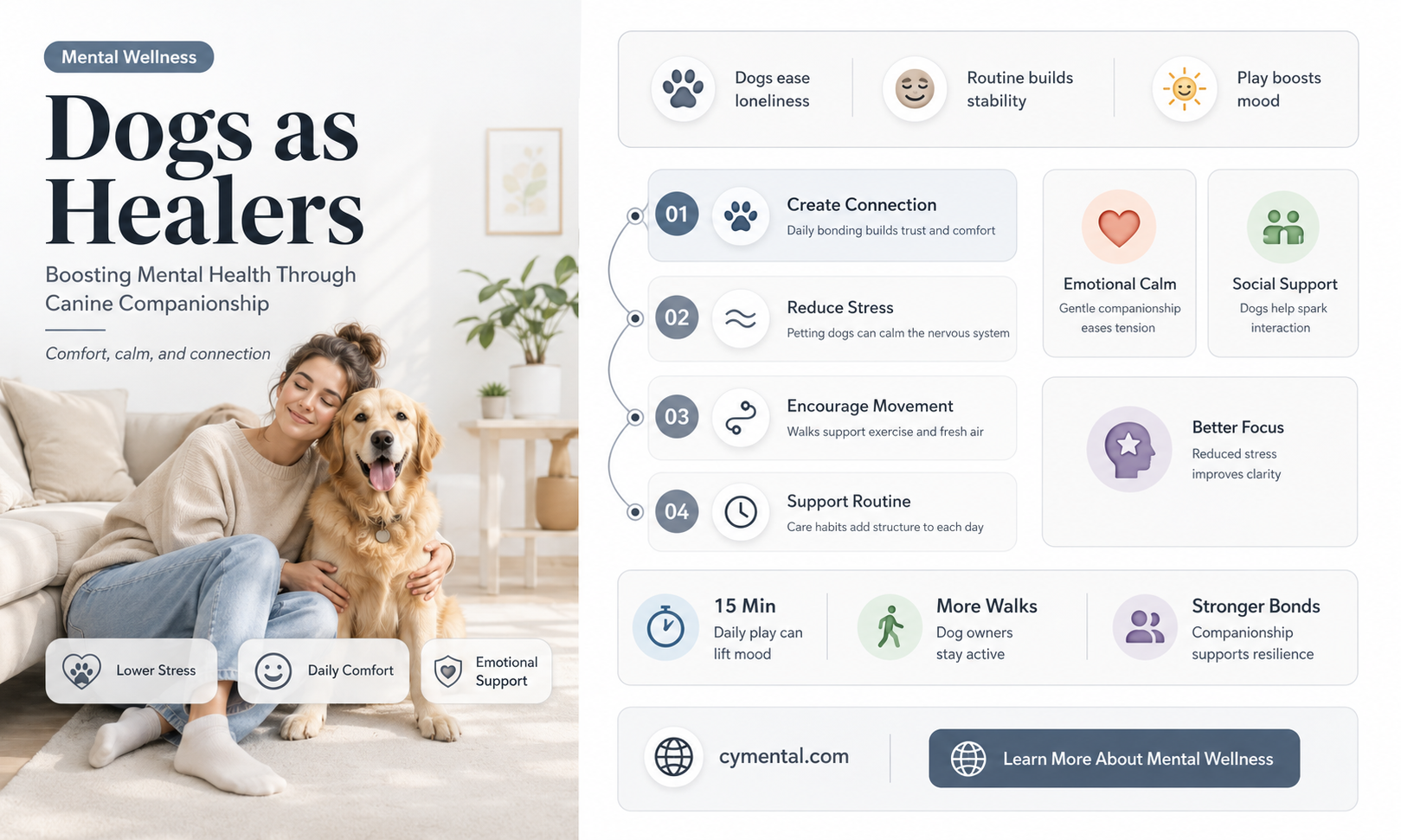
Dogs can play a significant role in supporting mental health by providing companionship, reducing stress, and fostering emotional well-being. Their unconditional love and non-judgmental presence create a sense of security and comfort, which can alleviate feelings of loneliness and anxiety. Physical activities like walking or playing with a dog encourage exercise and routine, both of which are beneficial for managing depression and improving mood. Additionally, dogs have been shown to lower cortisol levels (the stress hormone) and increase oxytocin (the bonding hormone), promoting relaxation and emotional connection. For individuals with conditions like PTSD or anxiety disorders, trained service dogs can offer specific support, such as interrupting panic attacks or providing grounding during moments of distress. Overall, the bond between humans and dogs can be a powerful tool in enhancing mental health and resilience.
Explore related products






What You'll Learn
- Emotional Support: Dogs provide comfort, reduce loneliness, and offer unconditional love, aiding emotional well-being
- Stress Reduction: Petting dogs lowers cortisol levels, promoting relaxation and reducing anxiety
- Social Interaction: Dogs encourage conversations, helping owners connect with others and build social networks
- Routine & Purpose: Caring for dogs creates structure, giving owners a sense of responsibility and focus
- Physical Activity: Walking dogs boosts endorphins, improves mood, and enhances overall mental health through exercise

Emotional Support: Dogs provide comfort, reduce loneliness, and offer unconditional love, aiding emotional well-being
Dogs have an unparalleled ability to sense human emotions, often responding with a nudge, a lick, or simply a quiet presence when their owners are distressed. This intuitive behavior is not just comforting—it’s therapeutic. Studies show that petting a dog for as little as 15 minutes can reduce cortisol levels, the hormone associated with stress, by up to 24%. This physiological response underscores why dogs are increasingly recognized as natural allies in managing anxiety and depression. Their mere presence can act as a grounding force, pulling individuals back from the brink of emotional overwhelm.
Consider the case of individuals living alone, particularly the elderly or those with limited social interaction. Loneliness can exacerbate mental health issues, creating a cycle of isolation and despair. Dogs break this cycle by demanding routine—walks, feedings, playtime—which forces their owners to engage with the world. A study published in the *Journal of Personality and Social Psychology* found that dog owners reported significantly lower levels of loneliness compared to non-owners, even when controlling for other social factors. This isn’t just about having a pet; it’s about having a companion who depends on you, fostering a sense of purpose and responsibility.
Unconditional love is a phrase often tossed around, but dogs embody it in a way humans rarely can. They don’t judge, criticize, or hold grudges. For someone struggling with self-esteem or past trauma, this acceptance can be transformative. Therapists often incorporate dogs into sessions to create a safe, non-threatening environment. For instance, children with anxiety disorders have shown marked improvement in therapy when a dog is present, as the animal’s calm demeanor encourages openness and trust. This dynamic highlights how dogs don’t just provide emotional support—they actively facilitate healing.
Practical integration of dogs into mental health routines requires thoughtfulness. For those considering adopting a dog for emotional support, it’s crucial to match the dog’s energy level with the owner’s lifestyle. A high-energy breed like a Border Collie might overwhelm someone with severe anxiety, while a calmer breed like a Cavalier King Charles Spaniel could be ideal. Additionally, establishing a daily routine that includes bonding activities—such as training sessions or grooming—can deepen the emotional connection. Remember, while dogs offer immense support, they are not a replacement for professional treatment. Combining canine companionship with therapy or medication, as advised by a healthcare provider, often yields the best results.
In essence, dogs are more than pets; they are emotional anchors in a turbulent world. Their ability to provide comfort, reduce loneliness, and offer unconditional love makes them invaluable allies in the fight against mental health challenges. By understanding and leveraging their unique qualities, individuals can harness this bond to foster resilience and emotional well-being.
Do Mental Hospitals Help: Exploring Effectiveness and Patient Outcomes
You may want to see also
Explore related products




Stress Reduction: Petting dogs lowers cortisol levels, promoting relaxation and reducing anxiety
Physical touch with dogs triggers a biochemical response in humans, specifically reducing cortisol, the body’s primary stress hormone. Studies show that just 15–30 minutes of petting a dog can lower cortisol levels by up to 24%, creating a measurable physiological shift toward relaxation. This isn’t merely anecdotal—research from the University of Missouri found that students who interacted with therapy dogs during exams experienced significantly lower stress markers compared to those who didn’t. The act of stroking a dog’s fur activates the parasympathetic nervous system, which counteracts the fight-or-flight response, making this a scientifically grounded method for immediate stress relief.
To harness this benefit, incorporate structured "petting sessions" into your daily routine. Aim for 10–15 minutes in the morning or evening, focusing on slow, rhythmic strokes along the dog’s back or sides. For maximum effect, pair this with deep breathing exercises, inhaling for 4 seconds, holding for 4, and exhaling for 6. Avoid areas like the tail or paws unless your dog signals comfort, as tension here can negate the calming effect. Consistency is key—regular interaction builds a cumulative reduction in baseline stress levels, making this a practical tool for long-term anxiety management.
While all dogs offer stress-reducing benefits, certain breeds excel in this role due to their temperament and size. Small, calm breeds like Cavalier King Charles Spaniels or Maltese are ideal for focused petting sessions, as their size allows for easy handling and their gentle nature promotes relaxation. Larger breeds like Golden Retrievers or Labrador Retrievers, known for their even temperaments, can also be effective, particularly for those who find comfort in the presence of a bigger animal. Regardless of breed, ensure the dog is comfortable and willing to engage—a stressed dog will not provide the same calming effect.
One caution: while petting dogs is universally beneficial, individuals with allergies or those in high-stress states may need modifications. For allergy sufferers, consider hypoallergenic breeds like Poodles or Portuguese Water Dogs, or use antihistamines prior to interaction. For those in acute stress, start with shorter sessions (5–7 minutes) to avoid overstimulation, gradually increasing duration as tolerance builds. Always prioritize the dog’s well-being—forceful or prolonged petting can cause discomfort, undermining the stress-reducing effect for both parties.
Incorporating dog petting into stress management doesn’t require ownership. Therapy dog programs in workplaces, schools, and hospitals offer accessible alternatives. For example, corporate initiatives like "Paws at Work" bring trained dogs into offices, providing employees with 10–15 minute petting breaks that have been shown to improve productivity and reduce burnout. Similarly, college campuses often host "puppy rooms" during exam periods, leveraging the cortisol-lowering effect to support student mental health. Whether through ownership or community programs, this simple, evidence-based practice is a powerful tool for fostering relaxation and reducing anxiety.
Art's Healing Power: Boosting Mental Health Through Creativity
You may want to see also
Explore related products



Social Interaction: Dogs encourage conversations, helping owners connect with others and build social networks
Dogs, with their boundless energy and innate charm, act as natural icebreakers in social situations. A simple walk in the park with your dog can turn into a series of interactions—a nod from a fellow dog owner, a smile from a passerby, or a full-blown conversation about breeds and training tips. These small but meaningful exchanges can significantly reduce feelings of isolation and loneliness, which are often precursors to mental health challenges like depression and anxiety. For individuals who struggle with initiating conversations, a dog provides a shared topic of interest, making social engagement feel less daunting.
Consider the mechanics of these interactions: when you’re out with your dog, people are more likely to approach you than if you were alone. This is because dogs are perceived as non-threatening and universally likable, lowering the social barriers that often inhibit human connection. Studies have shown that dog owners are more likely to engage in casual conversations with strangers, which can lead to the formation of new friendships or even community ties. For example, joining a local dog park group or attending training classes can create opportunities to meet like-minded individuals, fostering a sense of belonging.
However, leveraging your dog for social interaction requires intentionality. Start by incorporating daily walks into your routine, choosing routes where other dog owners frequent. If you’re anxious about initiating conversations, practice simple openers like, “What’s your dog’s name?” or “How old is your pup?” These questions are low-stakes but can lead to deeper discussions. For those with social anxiety, setting small goals—such as talking to one new person per walk—can make the process more manageable. Over time, these interactions can build confidence and expand your social network.
It’s also worth noting the role of online communities in this dynamic. Platforms like Instagram, Facebook, or Reddit host vibrant dog-lover groups where owners share stories, advice, and photos. Engaging in these spaces can complement in-person interactions, especially for those who find face-to-face conversations challenging. For instance, posting a picture of your dog with a caption about their quirky behavior can spark conversations and even lead to real-life meetups. The key is to use your dog as a bridge, both offline and online, to connect with others authentically.
Finally, while dogs facilitate social interaction, it’s essential to balance these engagements with your dog’s needs. Overstimulation or excessive socialization can stress some dogs, particularly breeds that are more reserved or anxious. Observe your dog’s body language and ensure they’re comfortable in social settings. If your dog enjoys attention, use their enthusiasm to your advantage; if they’re more reserved, focus on quieter interactions or smaller groups. By nurturing both your social life and your dog’s well-being, you create a mutually beneficial dynamic that enhances mental health for both of you.
Seeking Support: A Guide to Asking for Mental Health Help
You may want to see also
Explore related products




Routine & Purpose: Caring for dogs creates structure, giving owners a sense of responsibility and focus
Dogs thrive on routine, and their owners quickly learn that feeding, walking, and grooming must happen at consistent times. This predictability spills over into the owner's life, creating a framework that combats the aimlessness often accompanying mental health struggles. A 2018 study published in the *Journal of Psychiatric and Mental Health Nursing* found that dog owners with depression reported higher levels of daily structure and lower levels of loneliness compared to non-dog owners. The act of caring for another living being forces individuals to step outside their own heads, providing a sense of purpose beyond their internal struggles.
For those battling anxiety or depression, the alarm clock becomes a call to action, not a source of dread. Getting up to feed the dog, let them out, or prepare for a walk injects a sense of immediacy and responsibility into the morning routine. This simple act can disrupt the cycle of rumination and inertia that often characterizes these conditions. A study by the University of Manchester found that dog owners were more likely to meet recommended daily physical activity levels, further contributing to improved mood and reduced anxiety.
Consider the case of Sarah, a 32-year-old struggling with generalized anxiety disorder. Before getting her Labrador retriever, Max, Sarah's days were marked by overwhelming worry and a lack of structure. Now, Max's needs dictate her mornings: a 7 am walk, followed by breakfast and playtime. This routine has become a lifeline, providing a sense of control and predictability in a world that often feels chaotic. "Max gives me a reason to get out of bed," Sarah says. "Even on my darkest days, I know he's relying on me."
This structured approach to dog care doesn't require a rigid schedule. Even small, consistent tasks like daily brushing, training sessions, or designated playtime can provide a sense of accomplishment and purpose. For individuals with conditions like PTSD, the predictability of a dog's needs can be particularly grounding, offering a sense of safety and routine in a world that often feels unpredictable.
While the benefits of routine and purpose are clear, it's crucial to acknowledge the responsibility involved. Dog ownership is a long-term commitment, and individuals should carefully consider their ability to provide consistent care. Shelters are unfortunately filled with dogs surrendered due to owners underestimating the time and energy required. For those ready to embrace the challenge, the rewards can be life-changing. The structure and purpose provided by caring for a dog can be a powerful tool in managing mental health, offering a sense of stability and meaning in a world that often feels overwhelming.
Kick Stress Away: Soccer's Surprising Mental Health Benefits
You may want to see also
Explore related products


Physical Activity: Walking dogs boosts endorphins, improves mood, and enhances overall mental health through exercise
Dogs aren’t just pets; they’re personal trainers in furry packages. A 30-minute daily walk with your dog can elevate your heart rate to the moderate-intensity zone (50-70% of maximum heart rate), which is the sweet spot for endorphin release. These "feel-good" hormones act as natural painkillers and mood boosters, counteracting symptoms of anxiety and depression. Unlike solo exercise, walking a dog adds a layer of accountability—your pet’s eager wagging tail is a daily reminder to lace up your sneakers, even when motivation wanes.
Consider the mechanics: the rhythmic motion of walking reduces cortisol, the stress hormone, while simultaneously increasing blood flow to the brain. For older adults, this routine can improve balance and flexibility, reducing fall risks by up to 23%. For younger individuals, it’s a low-impact way to meet the WHO’s recommendation of 150 minutes of weekly exercise. Pro tip: Vary terrain (grass, gravel, hills) to engage different muscle groups and keep both you and your dog mentally stimulated.
The mental health benefits extend beyond biochemistry. Walking a dog fosters social interaction—a 2015 study found dog owners are 60% more likely to engage in conversations with strangers during walks. This micro-socialization combats loneliness, a risk factor for depression. For those with social anxiety, a dog acts as a buffer, providing a topic of neutral conversation. Pair this with the structure of a daily routine, and you’ve got a powerful tool for stabilizing mood disorders.
However, not all walks are created equal. Aim for consistency over intensity—a brisk 20-minute walk twice daily often yields better results than a single, exhaustive hour. For urban dwellers, combine short walks with indoor play (fetch, tug-of-war) to meet activity quotas. Caution: Avoid over-exercising breeds like Bulldogs or Pugs, which may have respiratory limitations. Always carry water and monitor your dog’s panting rate—if it exceeds 200 breaths per minute, it’s time to rest.
The takeaway? Walking a dog isn’t just exercise; it’s a symbiotic exchange. You provide structure, they offer companionship, and together you create a cycle of physical and mental well-being. Start small—even a 10-minute stroll can yield immediate mood improvements. Over time, this habit becomes a cornerstone of resilience, proving that sometimes, the best therapist has four legs and a collar.
Empowering Change: Simple Actions to Make a Positive Impact Today
You may want to see also
Frequently asked questions
Dogs can lower stress and anxiety by promoting the release of oxytocin (the "feel-good" hormone) and reducing cortisol (the stress hormone) in their owners. Their presence, companionship, and physical touch, such as petting, can provide immediate calming effects.
Yes, dogs provide unconditional love and companionship, which can combat feelings of loneliness and isolation. Their routine care, such as feeding and walking, also gives owners a sense of purpose and structure, which can be beneficial for managing depression.
Dogs, especially trained service animals, can be highly effective in supporting individuals with PTSD or other mental health conditions. They can provide emotional support, alert their owners to triggers, and help ground them during episodes of anxiety or flashbacks. Their presence alone can offer a sense of security and comfort.