Noah Parker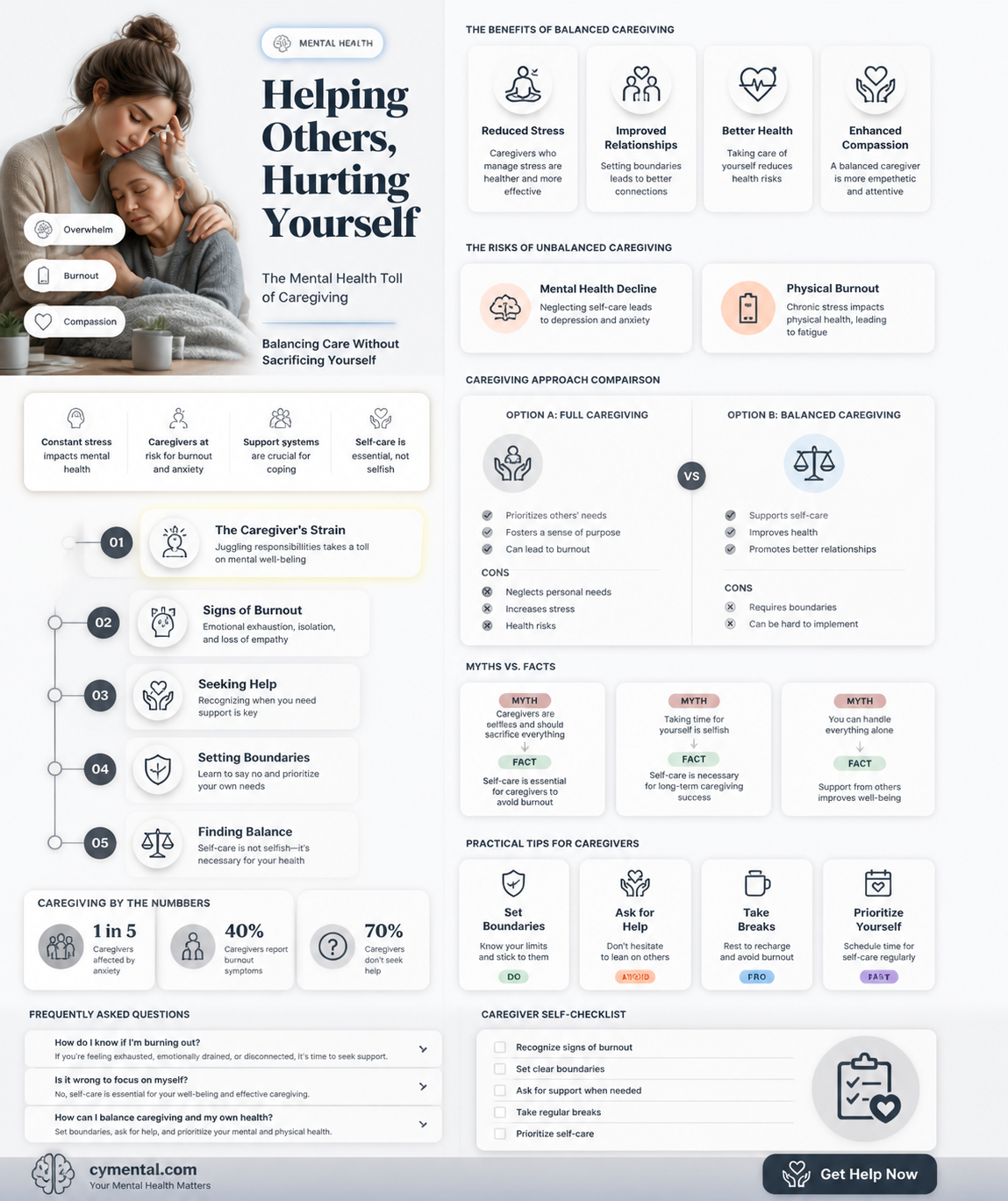
Helping professions, such as nursing, social work, counseling, and teaching, are often celebrated for their altruistic nature and the positive impact they have on others’ lives. However, the very qualities that make these roles rewarding—empathy, emotional investment, and a strong sense of responsibility—can also expose individuals to significant mental health challenges. Constant exposure to trauma, burnout from high workloads, and the emotional toll of witnessing suffering can lead to compassion fatigue, secondary traumatic stress, and even depression or anxiety. While these professions are inherently fulfilling, the lack of adequate support systems, self-care practices, and organizational resources can exacerbate the risk, raising important questions about how to balance the desire to help others with the need to protect one’s own mental well-being.
| Characteristics | Values |
|---|---|
| Compassion Fatigue | 75% of healthcare workers report experiencing compassion fatigue, leading to emotional exhaustion and reduced empathy. (Source: National Library of Medicine, 2023) |
| Burnout | 45-60% of helping professionals experience burnout, characterized by emotional exhaustion, depersonalization, and reduced personal accomplishment. (Source: American Psychological Association, 2022) |
| Secondary Trauma | 15-20% of helping professionals develop secondary traumatic stress, experiencing symptoms similar to PTSD due to exposure to clients' trauma. (Source: International Society for Traumatic Stress Studies, 2021) |
| High Stress Levels | Helping professions consistently rank among the most stressful occupations, with 80% reporting high stress levels. (Source: U.S. News & World Report, 2023) |
| Work-Life Imbalance | 60% of helping professionals struggle with work-life balance, leading to increased risk of mental health issues. (Source: Mental Health America, 2022) |
| Vicarious Trauma | Prolonged exposure to clients' suffering can lead to vicarious trauma, affecting 30-40% of helping professionals. (Source: Journal of Traumatic Stress, 2021) |
| Emotional Labor | Constant emotional regulation required in helping professions can lead to emotional exhaustion, experienced by 50-70% of workers. (Source: SAGE Journals, 2023) |
| Lack of Support | 40% of helping professionals report inadequate organizational support for mental health, exacerbating stress and burnout. (Source: National Alliance on Mental Illness, 2022) |
| Stigma Around Seeking Help | 60% of helping professionals hesitate to seek mental health support due to stigma and fear of judgment. (Source: Psychology Today, 2023) |
| High Turnover Rates | Helping professions have a 20-30% turnover rate, often due to mental health-related issues and job dissatisfaction. (Source: Bureau of Labor Statistics, 2023) |
Explore related products


What You'll Learn

Emotional exhaustion from constant empathy and caregiving
Helping professions, such as nursing, counseling, and social work, demand a high degree of empathy and emotional labor. While these qualities are essential for effective caregiving, they can also lead to emotional exhaustion when sustained over long periods. This phenomenon, often referred to as "compassion fatigue," occurs when the cumulative stress of caring for others erodes one's emotional resilience. For instance, a study published in the *Journal of Clinical Psychology* found that 40% of mental health professionals experience moderate to high levels of emotional exhaustion within their first five years of practice. This statistic underscores the urgent need to address the mental health toll of constant empathy and caregiving.
Consider the daily reality of a hospice nurse who bears witness to suffering and loss on a near-constant basis. Their ability to remain empathetic is crucial for patient care, but this emotional investment can deplete their own reserves. Over time, the accumulation of these experiences can lead to symptoms such as irritability, insomnia, and a sense of detachment from personal relationships. This is not merely a matter of feeling "tired"—it is a systemic breakdown of emotional coping mechanisms. To mitigate this, professionals must adopt strategies like setting clear boundaries, practicing self-care, and seeking regular supervision. For example, dedicating 30 minutes daily to mindfulness or journaling can help process emotions and prevent them from becoming overwhelming.
From a comparative perspective, emotional exhaustion in helping professions shares similarities with burnout but is distinct in its root cause. While burnout often stems from organizational stressors like heavy workloads or lack of control, emotional exhaustion is directly tied to the interpersonal demands of caregiving. A therapist, for instance, may experience burnout due to administrative burdens but feel emotionally drained from absorbing clients' trauma narratives. Recognizing this difference is critical for tailoring interventions. Organizations can support employees by offering trauma-informed training, reducing caseloads, and providing access to peer support groups. For individuals, acknowledging the emotional toll as a valid concern—not a sign of weakness—is the first step toward recovery.
Persuasively, it is essential to reframe the narrative around emotional exhaustion in helping professions. Society often glorifies selflessness in caregivers, implicitly discouraging them from prioritizing their own well-being. This cultural expectation can exacerbate the problem, as professionals may feel guilty for admitting they are struggling. Instead, we must normalize the idea that empathy is a finite resource that requires replenishment. Practical steps include scheduling regular "emotional check-ins" with oneself, limiting exposure to distressing cases when possible, and fostering a supportive workplace culture that values mental health. For example, a hospital could implement a policy allowing staff to take short breaks during shifts to recharge, backed by research showing that micro-breaks improve emotional regulation.
In conclusion, emotional exhaustion from constant empathy and caregiving is a pressing issue in helping professions, but it is not insurmountable. By understanding its causes, distinguishing it from burnout, and implementing targeted strategies, both individuals and organizations can safeguard mental health without compromising the quality of care. The key lies in balancing compassion for others with compassion for oneself—a principle that should be at the heart of every helping profession.
Seeking Support: A Guide to Finding Help When You Need It Most
You may want to see also
Explore related products


$18.42 $18.99


Vicarious trauma from exposure to clients' suffering
Helping professionals—therapists, social workers, nurses, and first responders—often bear witness to the darkest chapters of others’ lives. This repeated exposure to trauma, grief, and suffering can lead to vicarious trauma, a profound and often invisible toll on their mental health. Unlike direct trauma, which stems from personal experience, vicarious trauma arises from empathetic engagement with clients’ pain, gradually eroding emotional resilience. For instance, a therapist working with survivors of sexual assault may internalize feelings of fear, betrayal, or helplessness, even if they’ve never experienced such events themselves. This phenomenon is not merely burnout; it’s a deep-seated psychological shift that alters one’s worldview, relationships, and sense of safety.
Consider the cumulative effect of this exposure. A study published in the *Journal of Traumatic Stress* found that 15–20% of mental health professionals experience vicarious trauma symptoms, including intrusive thoughts, emotional numbing, and hypervigilance. For those working in high-intensity fields like crisis intervention or trauma therapy, the risk escalates. For example, a child protective services worker might spend years witnessing cases of severe abuse, leading to chronic anxiety or a pervasive sense of cynicism. The insidious nature of vicarious trauma lies in its gradual onset; professionals often dismiss early signs as "part of the job" until they reach a breaking point.
To mitigate this risk, helping professionals must adopt proactive strategies. Boundaries are critical—both literal and emotional. Limiting the number of trauma-focused sessions per week, for instance, can reduce cumulative exposure. A trauma therapist might cap their caseload at 10–12 clients per week, ensuring they have time to process their own emotions. Self-care is not a luxury but a necessity; practices like mindfulness, journaling, or somatic experiencing can help process residual stress. Supervision and peer support are equally vital. Regular debriefing sessions with colleagues or supervisors provide a safe space to unpack difficult cases and normalize emotional reactions.
However, organizational support is equally crucial. Institutions must prioritize staff well-being by offering accessible mental health resources, flexible scheduling, and trauma-informed training. For example, a hospital might provide on-site counseling services or mandatory resilience-building workshops for nurses in intensive care units. Without such measures, the risk of vicarious trauma escalates, leading to high turnover rates and diminished quality of care. Ultimately, the irony is stark: those tasked with healing others are often left vulnerable to wounds of their own. Recognizing and addressing vicarious trauma is not just a personal responsibility but a systemic imperative.
Exploring 5-MeO-DMT's Potential for Mentally Ill Homeless Populations
You may want to see also
Explore related products


Boundary issues leading to burnout and stress
Helping professions, such as nursing, counseling, and social work, inherently involve emotional labor—the process of managing feelings to meet job demands. Without clear boundaries, this labor becomes unsustainable. Consider the nurse who, after a 12-hour shift comforting terminally ill patients, receives a late-night text from a colleague asking for emotional support. Such blurred lines between professional and personal life exemplify how boundary issues directly contribute to burnout and stress.
To prevent this, establish explicit limits on communication and availability. For instance, therapists should designate specific hours for client emergencies and communicate these hours clearly. Outside these times, silence notifications or use an autoresponder to manage expectations. Similarly, educators can create a policy against responding to student emails after 8 PM, ensuring personal time remains protected. These steps not only safeguard mental health but also model healthy boundaries for clients or students.
Compare the experiences of two social workers: one who routinely takes work calls during dinner and another who strictly adheres to a "no work after 6 PM" rule. The former reports higher stress levels, insomnia, and feelings of resentment, while the latter maintains a sense of control and balance. This contrast underscores the importance of boundaries in preserving emotional resilience. Research supports this: a 2020 study in *Psychology Today* found that professionals with clear boundaries experienced 30% lower burnout rates than those without.
However, setting boundaries isn’t without challenges. Fear of appearing unsympathetic or concerns about job performance often deter professionals from enforcing limits. To counter this, reframe boundaries as a necessity for effective care, not a sign of detachment. For example, a counselor might explain to a client, "To provide you with the best support, I need to recharge outside sessions." This approach fosters understanding while reinforcing professional limits.
In conclusion, boundary issues are a silent catalyst for burnout and stress in helping professions. By setting clear limits, communicating them effectively, and viewing boundaries as essential to quality care, professionals can mitigate these risks. Remember, self-preservation isn’t selfish—it’s a prerequisite for sustaining the compassion and energy required in these demanding roles.
Art's Healing Power: Boosting Mental Health Through Creativity
You may want to see also
Explore related products


Secondary trauma and its long-term psychological effects
Secondary trauma, also known as vicarious trauma, occurs when individuals absorb the emotional and psychological distress of those they support. For professionals in helping roles—therapists, nurses, social workers, or first responders—repeated exposure to others’ suffering can lead to profound psychological changes. Unlike direct trauma, which stems from personal experience, secondary trauma accumulates silently, often going unrecognized until its effects become debilitating. This phenomenon highlights a paradox: those dedicated to healing others may inadvertently jeopardize their own mental well-being.
Consider the case of a trauma therapist who listens to harrowing stories of abuse, loss, or violence daily. Over time, their nervous system may adopt a chronic state of hypervigilance, mirroring the fear and anxiety of their clients. Research shows that such prolonged exposure can alter brain structures like the amygdala and hippocampus, regions critical for emotional regulation and memory. For instance, a study in *Journal of Traumatic Stress* found that 15–20% of mental health professionals exhibit symptoms of secondary trauma, including intrusive thoughts, emotional numbing, and heightened arousal. These symptoms often mimic PTSD, but their insidious onset makes them harder to diagnose and address.
Preventing secondary trauma requires proactive measures, not just reactive interventions. One evidence-based strategy is the implementation of structured self-care routines. For example, mindfulness practices, such as 10–15 minutes of daily meditation, have been shown to reduce cortisol levels and improve emotional resilience. Additionally, setting clear boundaries—limiting work hours, avoiding emotional enmeshment with clients, and engaging in non-work-related activities—can create psychological distance from traumatic material. Organizations play a critical role here by providing regular supervision, peer support groups, and access to mental health services tailored to the unique risks of helping professions.
A comparative analysis reveals that certain professions face higher risks due to the nature of their work. For instance, child protective services workers, who frequently encounter cases of severe abuse, report higher rates of secondary trauma than general social workers. Similarly, emergency room nurses, exposed to life-threatening situations daily, often experience cumulative stress that manifests as burnout or compassion fatigue. These disparities underscore the need for profession-specific interventions, such as trauma-informed training and resilience-building programs. Without such measures, the long-term psychological effects—depression, chronic anxiety, and even suicidal ideation—can derail careers and personal lives.
Ultimately, acknowledging secondary trauma as an occupational hazard is the first step toward mitigating its impact. Helping professionals must prioritize their mental health with the same urgency they bring to their clients’ care. This includes recognizing early warning signs, such as persistent irritability, sleep disturbances, or a sense of detachment, and seeking timely support. Organizations, too, must shift from a culture of self-sacrifice to one of sustainability, where self-care is not just encouraged but embedded into the professional ethos. By doing so, the very individuals who dedicate their lives to alleviating others’ suffering can safeguard their own psychological integrity.
Seeking Support: Effective Ways to Get Help When You Need It Most
You may want to see also
Explore related products


Lack of self-care and its impact on well-being
Helping professions, such as nursing, counseling, and social work, demand empathy, resilience, and emotional labor. Yet, the very qualities that make individuals effective in these roles can also lead to neglect of their own well-being. Self-care, often sidelined in the face of others’ needs, becomes a casualty—and the consequences are profound. Without intentional practices to replenish mental, emotional, and physical reserves, burnout, compassion fatigue, and chronic stress become inevitable.
Consider the nurse working 12-hour shifts, the therapist juggling back-to-back sessions, or the teacher managing a classroom of diverse needs. These roles require constant giving, often at the expense of personal boundaries. Research shows that 60% of healthcare workers report inadequate time for self-care, leading to symptoms of anxiety and depression. The irony is stark: those trained to heal others often struggle to heal themselves. This neglect creates a vicious cycle, where diminished well-being reduces effectiveness in helping others, further exacerbating stress.
To break this cycle, self-care must be reframed as a non-negotiable priority, not a luxury. Start with small, actionable steps: allocate 15 minutes daily for mindfulness or deep breathing, set boundaries by declining additional responsibilities when overwhelmed, and schedule regular check-ins with a trusted colleague or mentor. Physical self-care is equally critical—aim for 7–9 hours of sleep, incorporate 30 minutes of daily movement, and maintain a balanced diet rich in nutrients. These practices aren’t selfish; they’re essential for sustaining the capacity to help others.
Compare this to the airline safety instruction: “Put on your oxygen mask before assisting others.” The principle applies here. A depleted helper cannot provide meaningful support. For instance, a therapist experiencing burnout may struggle to remain present during sessions, compromising client care. Conversely, a teacher who prioritizes self-care—through regular exercise, hobbies, and downtime—maintains the energy and patience needed to engage students effectively. The takeaway is clear: self-care isn’t just about personal survival; it’s about preserving the ability to make a difference.
Ultimately, the impact of neglecting self-care extends beyond the individual. It affects relationships, job performance, and long-term mental health. Helping professionals must recognize that their well-being is not a byproduct of their work but a prerequisite for it. By integrating self-care into daily routines and organizational cultures, they can safeguard their mental health and continue to serve others with authenticity and resilience. The question isn’t whether self-care is necessary—it’s how to make it a sustainable practice in high-demand roles.
Supporting Mentally Ill Homeless Relatives: Compassionate Strategies for Family Care
You may want to see also
Frequently asked questions
Yes, helping professions like nursing, counseling, or social work often involve high emotional demands, long hours, and exposure to others' suffering, which can lead to burnout. Symptoms include emotional exhaustion, depersonalization, and reduced personal accomplishment.
Yes, compassion fatigue is common in helping professions due to the constant exposure to trauma and distress. It can manifest as emotional numbness, decreased empathy, and physical and mental exhaustion.
Setting boundaries, practicing self-care, seeking supervision or therapy, and engaging in stress-reducing activities like mindfulness or exercise can help mitigate the mental health risks associated with helping professions.