Madison Cole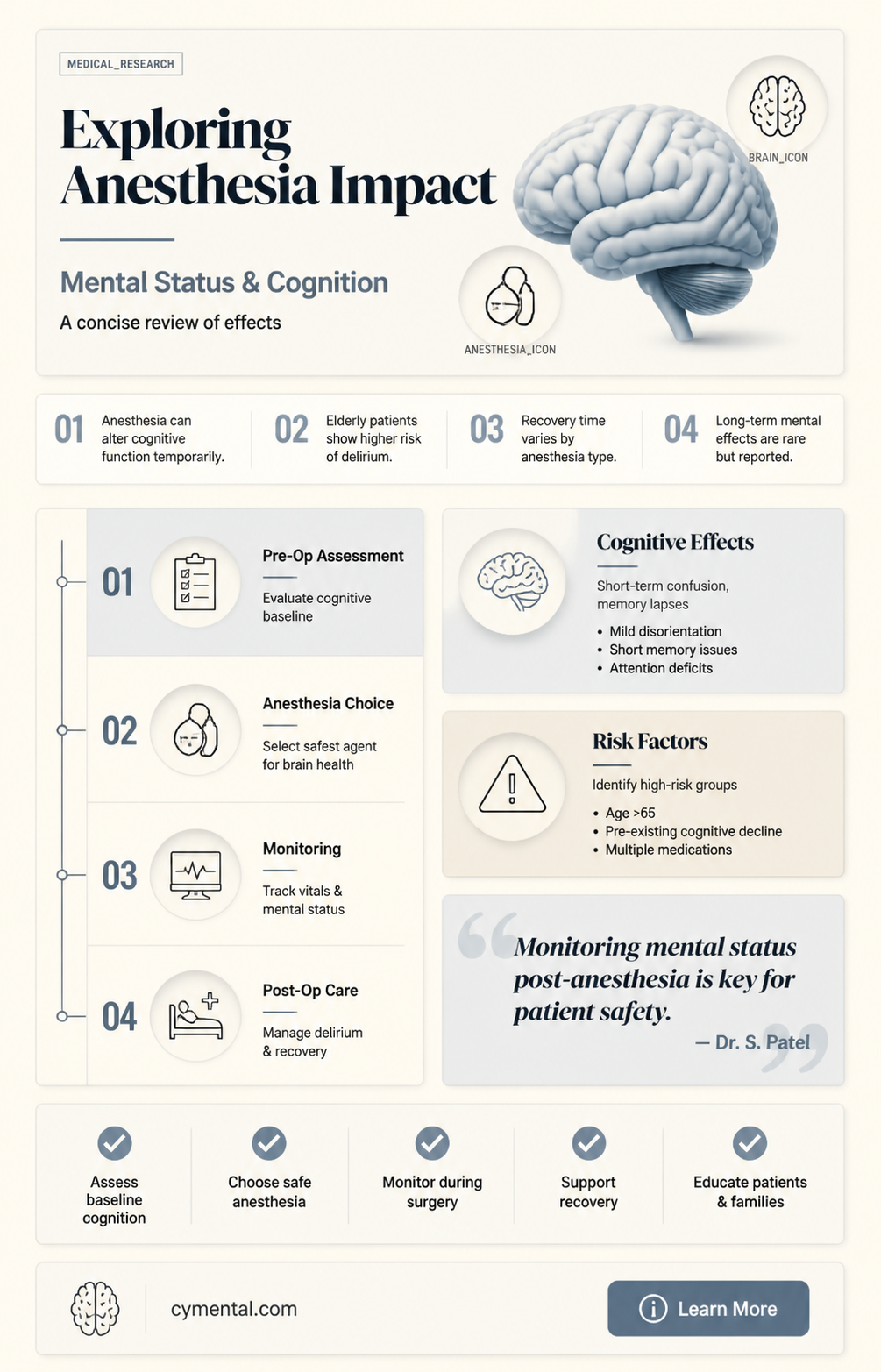
Anesthesia, a medical intervention used to induce a state of unconsciousness during surgical procedures, has long been a subject of fascination and concern. While it is generally considered safe, there is ongoing debate about its potential effects on mental status. Some patients report experiencing changes in their cognitive function, mood, or memory following anesthesia, raising questions about the long-term implications of this commonly used medical practice. Researchers have been investigating the possible links between anesthesia and mental status changes, exploring factors such as the type and duration of anesthesia, patient age and health, and pre-existing conditions that may contribute to these effects. As the population ages and the demand for surgical procedures increases, understanding the relationship between anesthesia and mental status becomes increasingly important for ensuring patient safety and well-being.
| Characteristics | Values |
|---|---|
| Definition | Anesthesia is a medical treatment that induces a state of unconsciousness, typically used during surgeries to prevent pain and movement. Changes in mental status refer to alterations in a person's cognitive, emotional, or behavioral state. |
| Types of Anesthesia | General anesthesia, regional anesthesia, local anesthesia, sedation. |
| Mechanism of Action | Anesthetics work by depressing the central nervous system, which can lead to a loss of consciousness and altered mental status. |
| Short-term Effects | Memory loss, confusion, disorientation, drowsiness, nausea, vomiting. |
| Long-term Effects | Cognitive impairment, particularly in elderly patients, increased risk of dementia, mood changes, anxiety, depression. |
| Risk Factors | Age, pre-existing medical conditions (e.g., neurological disorders, cardiovascular disease), duration and type of anesthesia, genetic predisposition. |
| Monitoring | Anesthesiologists closely monitor patients during anesthesia to ensure safety and minimize potential risks. |
| Prevention | Preoperative evaluation, careful selection of anesthetic agents, appropriate dosing, and postoperative monitoring can help prevent or mitigate changes in mental status. |
| Treatment | Management of symptoms, supportive care, and in some cases, medication to alleviate specific side effects. |
| Research | Ongoing studies are investigating the effects of anesthesia on the brain, particularly in relation to cognitive function and mental health. |
| Controversies | Debates exist regarding the safety of certain anesthetic agents and techniques, as well as the optimal management of patients with pre-existing mental health conditions. |
| Patient Education | Informing patients about the potential risks and benefits of anesthesia can help alleviate anxiety and promote informed decision-making. |
| Cost | The cost of anesthesia varies depending on the type, duration, and location of the procedure, as well as the patient's insurance coverage. |
| Alternatives | In some cases, alternative pain management techniques, such as nerve blocks or epidural analgesia, may be used to reduce the need for general anesthesia. |
| Future Directions | Advancements in anesthetic techniques and medications aim to improve patient safety and outcomes, while minimizing the impact on mental status. |
Explore related products


$284.99 $299.99


What You'll Learn
- Postoperative Cognitive Dysfunction: Anesthesia's impact on cognitive abilities post-surgery, including memory and concentration issues
- Anesthesia-Induced Unconsciousness: Exploring how different anesthetics affect consciousness levels and the brain's response to them
- Neurotoxicity of Anesthetic Agents: Investigating potential nerve damage caused by anesthetic drugs, especially in vulnerable populations
- Anesthesia and Psychiatric Disorders: Examining the relationship between anesthesia use and the development or exacerbation of psychiatric conditions
- Long-Term Cognitive Effects: Researching whether anesthesia has lasting effects on mental status, particularly in children and the elderly

Postoperative Cognitive Dysfunction: Anesthesia's impact on cognitive abilities post-surgery, including memory and concentration issues
Postoperative cognitive dysfunction (POCD) refers to the impairment of cognitive functions such as memory, attention, and executive functions following surgery. While the exact mechanisms are not fully understood, it is increasingly recognized that anesthesia plays a significant role in the development of POCD. Studies have shown that certain types of anesthetics, particularly those that affect the cholinergic system, can lead to cognitive deficits in the postoperative period.
One of the key areas of concern is the impact of anesthesia on memory formation and retrieval. Research suggests that anesthetics can interfere with the consolidation of new memories, making it difficult for patients to recall events that occurred during or shortly after surgery. This can be particularly problematic for elderly patients, who may already be at an increased risk for cognitive decline. In addition to memory issues, POCD can also manifest as difficulties with concentration, decision-making, and problem-solving. These cognitive impairments can significantly impact a patient's quality of life and ability to perform daily activities.
The risk factors for developing POCD are multifaceted and include patient-specific factors such as age, pre-existing cognitive impairment, and genetic predisposition, as well as surgical and anesthetic factors such as the type and duration of anesthesia, the complexity of the surgical procedure, and the presence of postoperative complications. It is essential for healthcare providers to consider these risk factors when planning and managing perioperative care to minimize the likelihood of POCD.
Recent studies have also explored the potential long-term effects of anesthesia on cognitive function. While the majority of patients experience a resolution of cognitive deficits within a few weeks to months postoperatively, some individuals may continue to experience persistent cognitive impairment. This has led to increased interest in the development of strategies to prevent or mitigate POCD, such as the use of cognitive-enhancing medications, behavioral interventions, and perioperative care protocols that minimize the risk of cognitive decline.
In conclusion, postoperative cognitive dysfunction is a complex and multifaceted issue that is influenced by a variety of patient and surgical factors. Anesthesia plays a significant role in the development of POCD, particularly through its effects on memory formation and retrieval. Healthcare providers must be aware of the risk factors and potential long-term effects of anesthesia on cognitive function to provide optimal perioperative care and support for patients.
The Lingering Impact: PTSD and Mental Abuse in Relationships
You may want to see also
Explore related products


$194.84 $249.99


Anesthesia-Induced Unconsciousness: Exploring how different anesthetics affect consciousness levels and the brain's response to them
Anesthesia-induced unconsciousness is a complex process that involves the administration of various drugs to achieve a state of unconsciousness for medical procedures. Different anesthetics can affect consciousness levels and the brain's response to them in unique ways. For instance, propofol, a commonly used intravenous anesthetic, acts on the brain's GABA receptors to induce unconsciousness rapidly. In contrast, inhaled anesthetics like sevoflurane and isoflurane affect the brain's ion channels, leading to a slower onset of unconsciousness.
The depth of unconsciousness achieved with anesthesia can be monitored using various techniques, such as the Bispectral Index (BIS), which measures the brain's electrical activity. A BIS score of 50-60 indicates a moderate level of unconsciousness, suitable for most surgical procedures. However, for certain procedures, such as those involving the heart or brain, a deeper level of unconsciousness may be required, with a BIS score of 40-50.
One of the challenges in anesthesia is ensuring that patients do not regain consciousness during a procedure, which can lead to awareness and potential psychological trauma. To prevent this, anesthesiologists must carefully monitor the patient's response to the anesthetic and adjust the dosage as needed. Additionally, the use of adjunctive drugs, such as opioids and benzodiazepines, can help to maintain a stable level of unconsciousness and reduce the risk of awareness.
Another area of interest in anesthesia research is the study of how different anesthetics affect the brain's response to pain. Recent studies have shown that certain anesthetics, such as ketamine, can have a direct analgesic effect on the brain, reducing the need for opioids and other pain medications. This could have significant implications for the management of pain in patients undergoing surgery or other medical procedures.
In conclusion, anesthesia-induced unconsciousness is a complex and multifaceted process that requires careful consideration of the different anesthetics available and their effects on consciousness levels and the brain's response. By understanding these factors, anesthesiologists can provide safe and effective anesthesia care for patients undergoing a wide range of medical procedures.
Exploring the Link: Parietal Lobe Injuries and Mental Health
You may want to see also
Explore related products




Neurotoxicity of Anesthetic Agents: Investigating potential nerve damage caused by anesthetic drugs, especially in vulnerable populations
Anesthetic agents, while crucial for surgical procedures, have long been scrutinized for their potential neurotoxic effects. This concern is particularly pronounced in vulnerable populations, such as the elderly, children, and those with pre-existing neurological conditions. The neurotoxicity of these drugs can manifest in various ways, including cognitive impairment, memory loss, and even long-term neurological damage.
Recent studies have highlighted the potential risks associated with certain anesthetic agents. For instance, propofol, a commonly used intravenous anesthetic, has been linked to cognitive dysfunction in elderly patients. Similarly, inhalational anesthetics like isoflurane and sevoflurane have been shown to cause neurotoxicity in animal models, raising concerns about their safety in human use.
The mechanisms underlying anesthetic neurotoxicity are complex and multifaceted. Some theories suggest that these drugs may disrupt normal neuronal function by altering neurotransmitter release or interfering with mitochondrial energy production. Others propose that anesthetics may induce oxidative stress or inflammation in the brain, leading to neuronal damage.
Given these concerns, it is essential for healthcare providers to carefully consider the risks and benefits of anesthetic use, particularly in vulnerable populations. This may involve selecting alternative anesthetic agents with lower neurotoxic potential or implementing strategies to mitigate the risks associated with anesthesia. For example, some studies have suggested that the use of antioxidants or anti-inflammatory drugs may help to reduce the neurotoxic effects of anesthetics.
In conclusion, the neurotoxicity of anesthetic agents is a significant concern that warrants further investigation. By understanding the mechanisms underlying this phenomenon and developing strategies to mitigate its effects, healthcare providers can work to ensure the safety and well-being of patients undergoing anesthesia.
Exploring the Connection: Panic Attacks and Mental Health Crises
You may want to see also
Explore related products


Anesthesia and Psychiatric Disorders: Examining the relationship between anesthesia use and the development or exacerbation of psychiatric conditions
Anesthesia, a critical component of modern surgical practices, has been a subject of interest in the realm of psychiatric health due to its potential impact on mental status. While the primary purpose of anesthesia is to induce unconsciousness and alleviate pain during medical procedures, its effects on the brain have raised questions about a possible link to psychiatric disorders. Research has delved into whether anesthesia use can contribute to the development or worsening of conditions such as depression, anxiety, and post-traumatic stress disorder (PTSD).
Studies have shown that certain types of anesthesia, particularly those involving volatile anesthetics like isoflurane and sevoflurane, may have neuroprotective properties that could potentially mitigate the risk of psychiatric complications. These substances have been found to reduce inflammation and oxidative stress in the brain, which are factors implicated in the pathophysiology of various psychiatric disorders. However, the relationship between anesthesia and psychiatric health is complex and multifaceted, with some evidence suggesting that the stress of surgery itself, rather than the anesthesia, may be a more significant contributor to postoperative psychiatric symptoms.
It is also important to consider the role of pre-existing psychiatric conditions in patients undergoing anesthesia. Individuals with a history of mental health issues may be more susceptible to experiencing adverse psychiatric effects following anesthesia. This highlights the need for thorough preoperative assessments and personalized perioperative care plans that take into account a patient's psychiatric history and risk factors.
In conclusion, while the relationship between anesthesia and psychiatric disorders remains an area of ongoing research, it is clear that a nuanced understanding of this interaction is crucial for optimizing patient outcomes. Healthcare providers must balance the benefits of anesthesia with the potential risks to mental health, and strive to develop evidence-based strategies for minimizing the impact of anesthesia on psychiatric well-being.
Exploring the Impact of Mental Health Crises on Brain Function
You may want to see also
Explore related products


Long-Term Cognitive Effects: Researching whether anesthesia has lasting effects on mental status, particularly in children and the elderly
Research into the long-term cognitive effects of anesthesia has yielded mixed results, with some studies suggesting a potential link between anesthesia exposure and cognitive decline, particularly in vulnerable populations such as children and the elderly. One study published in the Journal of the American Medical Association found that children who underwent multiple surgeries with general anesthesia before the age of 4 had a higher risk of developing learning disabilities and behavioral problems later in life. Similarly, a study in the British Medical Journal reported that elderly patients who received general anesthesia for elective surgery had a greater likelihood of experiencing postoperative cognitive dysfunction, which can manifest as confusion, memory loss, and difficulty with problem-solving.
However, other research has failed to establish a definitive connection between anesthesia and long-term cognitive impairment. A study in the journal Anesthesia & Analgesia found no significant difference in cognitive function between children who received general anesthesia and those who underwent surgery without anesthesia. Additionally, a review article in the Cochrane Database of Systematic Reviews concluded that there is insufficient evidence to support the claim that anesthesia causes long-term cognitive decline in elderly patients.
The mechanisms by which anesthesia might affect cognitive function are not fully understood, but several theories have been proposed. One possibility is that anesthesia may disrupt the normal functioning of neurotransmitters in the brain, leading to changes in cognitive processing. Another theory suggests that anesthesia may cause inflammation in the brain, which could contribute to cognitive decline. Further research is needed to elucidate the potential long-term effects of anesthesia on mental status and to identify strategies for mitigating any adverse effects.
In the meantime, healthcare providers should carefully consider the potential risks and benefits of anesthesia when treating children and elderly patients. It may be advisable to explore alternative pain management strategies or to use regional anesthesia techniques, which have been shown to be associated with fewer cognitive side effects. Additionally, close monitoring of patients during and after anesthesia can help to identify any early signs of cognitive impairment, allowing for prompt intervention and support.
Exploring the Link Between Mental Breakdowns and PTSD: What You Need to Know
You may want to see also
Frequently asked questions
Yes, anesthesia can cause changes in mental status. Anesthesia is a medical treatment that induces a state of unconsciousness, which can affect cognitive functions, memory, and emotional well-being.
Common mental status changes after anesthesia include confusion, disorientation, memory loss, and difficulty concentrating. These changes are usually temporary and resolve within a few days to weeks after the procedure.
Mental status changes after anesthesia typically last for a few days to weeks. However, in some cases, cognitive impairment can persist for several months or even years, especially in older adults or those with pre-existing cognitive conditions.
Factors that can increase the risk of mental status changes after anesthesia include older age, pre-existing cognitive impairment, certain medical conditions (such as diabetes or hypertension), and the type and duration of anesthesia used. It is essential to discuss these risks with your healthcare provider before undergoing any surgical procedure.