Noah Parker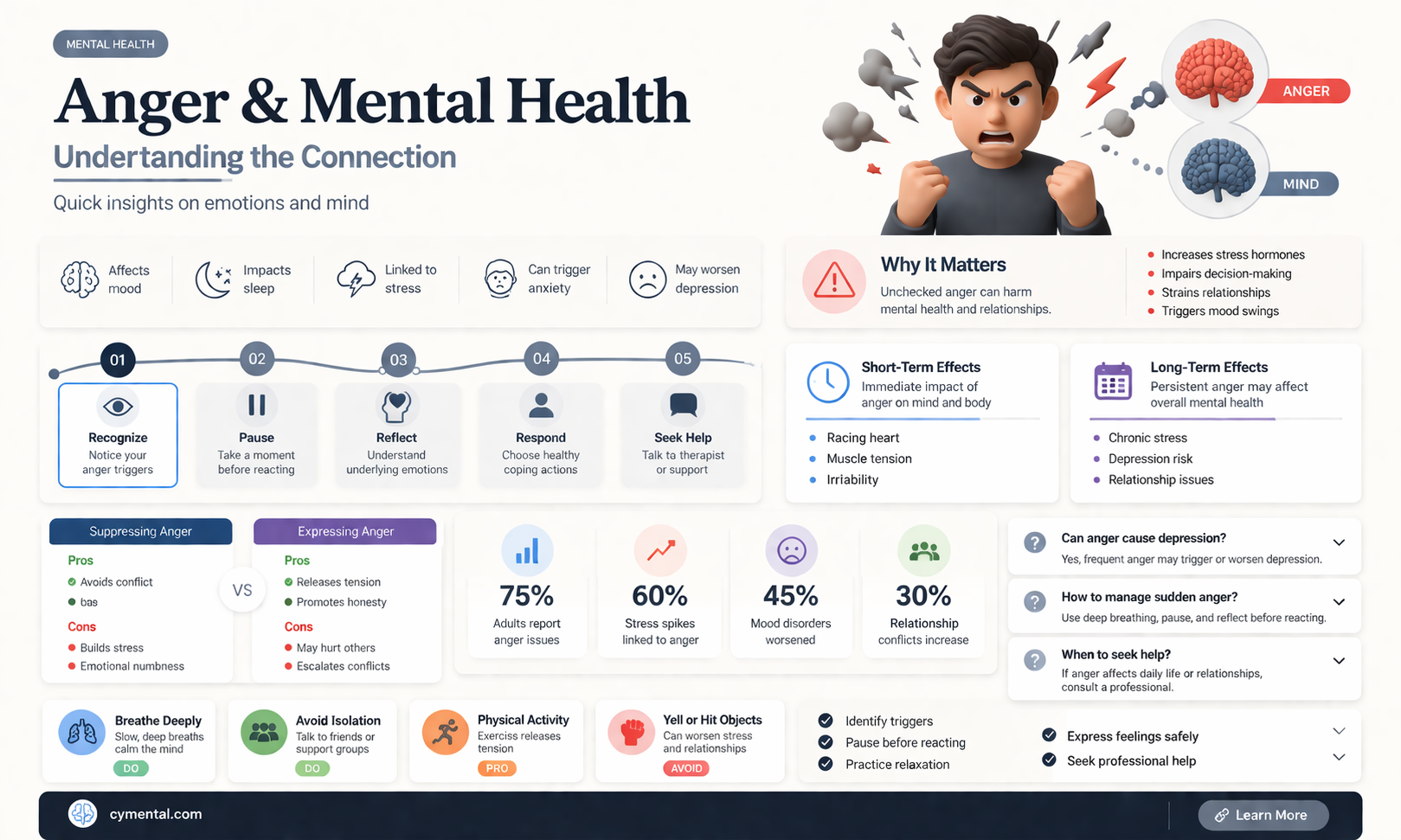
Anger is a complex emotion that can have significant impacts on mental health. While it is a normal and often healthy response to certain situations, excessive or uncontrolled anger can lead to a range of mental health issues. Research suggests that chronic anger can contribute to the development of conditions such as depression, anxiety, and even psychosis. Additionally, anger can exacerbate existing mental health problems, making them more difficult to manage. Understanding the relationship between anger and mental illness is crucial for developing effective treatment strategies and promoting overall well-being.
| Characteristics | Values |
|---|---|
| Definition | Anger is an emotional state characterized by feelings of hostility, agitation, and antagonism towards someone or something. |
| Types | There are different types of anger, including: - Trait anger: A general tendency to experience anger. - State anger: A temporary emotional state. - Reactive anger: A response to a specific situation or event. |
| Causes | Common causes of anger include: - Frustration - Fear - Threat - Loss - Betrayal |
| Physiological Effects | When angry, the body releases stress hormones like adrenaline and cortisol, which can lead to: - Increased heart rate - Elevated blood pressure - Tense muscles - Rapid breathing |
| Psychological Effects | Anger can impact mental health by: - Increasing anxiety and depression - Impairing cognitive functioning - Reducing empathy and compassion - Damaging relationships |
| Expression | Anger can be expressed in various ways, including: - Verbally (yelling, cursing) - Physically (hitting, throwing objects) - Passive-aggressively (sulking, procrastination) |
| Management | Healthy ways to manage anger include: - Deep breathing exercises - Physical activity - Mindfulness meditation - Cognitive restructuring - Seeking professional help |
| Impact on Others | Anger can affect those around us by: - Causing fear and anxiety - Damaging relationships - Creating a hostile environment - Setting a negative example |
| Cultural Perspectives | Different cultures view anger in various ways: - Some cultures encourage the expression of anger as a way to maintain social hierarchy. - Other cultures view anger as a negative emotion that should be suppressed. |
| Gender Differences | Research suggests that: - Men are more likely to experience and express anger than women. - Women are more likely to experience and express anger in passive-aggressive ways. |
| Age Differences | Anger expression and management can change with age: - Children may have more difficulty regulating their anger. - Older adults may have more experience managing their anger effectively. |
| Disorders | Certain mental health disorders are characterized by anger problems, including: - Intermittent Explosive Disorder - Oppositional Defiant Disorder - Conduct Disorder |
| Treatment | Treatment for anger-related issues may include: - Cognitive-behavioral therapy - Anger management classes - Medication (in some cases) |
| Prevention | Strategies to prevent anger-related problems include: - Teaching healthy coping mechanisms - Encouraging empathy and compassion - Providing a stable and supportive environment |
| Research | Ongoing research is exploring: - The neural basis of anger - The role of genetics in anger regulation - The effectiveness of different anger management interventions |
Explore related products


What You'll Learn
- Anger and Stress: Chronic anger can lead to increased stress levels, impacting mental health
- Anger Management: Effective anger management techniques can help prevent mental illness
- Neurological Impact: Anger can affect brain chemistry, potentially leading to mental health issues
- Social Isolation: Uncontrolled anger may result in social isolation, exacerbating mental illness
- Underlying Causes: Addressing underlying causes of anger is crucial in preventing mental health problems

Anger and Stress: Chronic anger can lead to increased stress levels, impacting mental health
Chronic anger can lead to increased stress levels, impacting mental health.
Chronic anger can lead to increased stress levels, impacting mental health. Anger and Stress: Chronic anger can lead to increased stress levels, impacting mental health.
Chronic anger can lead to increased stress levels, impacting mental health. Anger and Stress: Chronic anger can lead to increased stress levels, impacting mental health. Chronic anger can lead to increased stress levels, impacting mental health.
Chronic anger can lead to increased stress levels, impacting mental health. Anger and Stress: Chronic anger can lead to increased stress levels, impacting mental health. Chronic anger can lead to increased stress levels, impacting mental health. Chronic anger can lead to increased stress levels, impacting mental health.
Chronic anger can lead to increased stress levels, impacting mental health. Anger and Stress: Chronic anger can lead to increased stress levels, impacting mental health. Chronic anger can lead to increased stress levels, impacting mental health. Chronic anger can lead to increased stress levels, impacting mental health. Chronic anger can lead to increased stress levels, impacting mental health.
Exploring the Link Between TIA and Mental Confusion: What You Need to Know
You may want to see also
Explore related products


Anger Management: Effective anger management techniques can help prevent mental illness
Chronic anger can be a precursor to various mental health issues, including anxiety, depression, and even psychosis. However, by employing effective anger management techniques, individuals can mitigate the risk of developing these conditions. One such technique is cognitive restructuring, which involves identifying and challenging negative thought patterns that contribute to anger. For example, a person might learn to recognize when they are catastrophizing a situation and replace those thoughts with more realistic and balanced ones.
Another key strategy is relaxation training, which teaches individuals how to calm their bodies and minds in response to anger triggers. This can include techniques such as deep breathing, progressive muscle relaxation, and mindfulness meditation. By practicing these skills regularly, individuals can reduce their overall stress levels and become less reactive to situations that might otherwise provoke anger.
In addition to these psychological techniques, lifestyle changes can also play a role in anger management. Regular exercise, for instance, can help to reduce stress and improve mood, while a balanced diet can ensure that the body is properly nourished and less prone to mood swings. Adequate sleep is also crucial, as fatigue can exacerbate irritability and anger.
It is important to note that anger management is not about suppressing or denying one's feelings, but rather about learning to express them in a healthy and constructive manner. This might involve setting boundaries, communicating assertively, and finding creative outlets for emotional expression, such as art or music. By developing these skills, individuals can reduce the negative impact of anger on their mental health and well-being.
Ultimately, effective anger management requires a multifaceted approach that addresses both the psychological and physiological aspects of anger. By combining cognitive restructuring, relaxation training, lifestyle changes, and healthy emotional expression, individuals can develop the tools they need to prevent anger from contributing to mental illness.
Sleep Deprivation and Mental Health: Understanding the Breakdown
You may want to see also
Explore related products


Neurological Impact: Anger can affect brain chemistry, potentially leading to mental health issues
Anger has a profound impact on the brain's chemistry, which can lead to a range of mental health issues if not managed properly. When a person experiences anger, the brain releases a cocktail of chemicals, including adrenaline, cortisol, and norepinephrine. These chemicals prepare the body for a fight-or-flight response, which is a natural and necessary reaction to perceived threats. However, chronic anger can lead to an overproduction of these chemicals, which can have detrimental effects on the brain and body.
One of the most significant effects of chronic anger on the brain is the potential for it to lead to depression and anxiety. When the brain is constantly flooded with stress hormones, it can disrupt the normal functioning of neurotransmitters like serotonin and dopamine, which are essential for regulating mood. This disruption can lead to feelings of sadness, hopelessness, and anxiety, which can be debilitating if left untreated.
In addition to depression and anxiety, chronic anger can also lead to other mental health issues, such as bipolar disorder and post-traumatic stress disorder (PTSD). Bipolar disorder is characterized by extreme mood swings, which can be triggered by intense anger. PTSD, on the other hand, can develop after a person experiences a traumatic event, and anger can be a common symptom of this condition.
It's important to note that anger itself is not a mental illness, but rather a normal emotion that can become problematic if it's not managed properly. Learning healthy ways to express and manage anger, such as through therapy or anger management classes, can help prevent the negative neurological impacts of chronic anger. By addressing anger issues early on, individuals can reduce their risk of developing mental health problems and improve their overall well-being.
Unraveling the Roots of Mental Fatigue: A Comprehensive Guide
You may want to see also
Explore related products


Social Isolation: Uncontrolled anger may result in social isolation, exacerbating mental illness
Uncontrolled anger can lead to social isolation, which in turn can exacerbate mental illness. This is because when individuals experience frequent and intense anger, they may lash out at those around them, causing others to distance themselves. Over time, this can result in a lack of social support and connection, which is essential for maintaining good mental health.
Social isolation can worsen mental illness by increasing feelings of loneliness, depression, and anxiety. When individuals are isolated, they may have fewer opportunities to engage in activities that bring them joy and fulfillment, leading to a decline in their overall well-being. Additionally, social isolation can make it more difficult for individuals to access resources and support that could help them manage their mental health.
One way to mitigate the effects of social isolation is to seek out social support. This can include joining a support group, talking to a therapist, or reaching out to friends and family. Engaging in activities that promote social connection, such as volunteering or participating in community events, can also be helpful.
Another important step is to learn how to manage anger effectively. This can involve practicing relaxation techniques, such as deep breathing or meditation, as well as learning how to communicate assertively and resolve conflicts in a healthy way. By developing these skills, individuals can reduce the likelihood of experiencing uncontrolled anger and the social isolation that can result from it.
In conclusion, social isolation can be a significant consequence of uncontrolled anger, and it can exacerbate mental illness. By seeking out social support and learning how to manage anger effectively, individuals can reduce the risk of social isolation and improve their overall mental health.
Exploring the Link Between Mental Breakdown and Psychosis: A Comprehensive Guide
You may want to see also
Explore related products


Underlying Causes: Addressing underlying causes of anger is crucial in preventing mental health problems
Unresolved anger can stem from a variety of underlying causes, each with its own unique impact on mental health. One significant contributor is past trauma, which can leave lasting emotional scars and trigger intense anger responses. Traumatic events, whether experienced in childhood or adulthood, can alter the brain's emotional regulation pathways, making it more challenging to manage anger effectively. Addressing these traumatic roots through therapy or counseling can be instrumental in reducing anger-related mental health issues.
Another underlying cause of anger is chronic stress, which can wear down the body's stress response systems and lead to heightened irritability and anger. Prolonged exposure to stressors, such as financial difficulties, relationship problems, or work-related pressures, can create a constant state of tension that manifests as anger. Implementing stress management techniques, such as mindfulness meditation, exercise, or time management strategies, can help mitigate these anger-inducing stressors.
Furthermore, anger can be a symptom of underlying mental health conditions, such as depression or anxiety. In these cases, the anger may serve as a coping mechanism or a way to mask deeper emotional pain. Treating the underlying condition through medication, therapy, or a combination of both can help alleviate the anger symptoms. It's crucial to recognize that anger is not always a standalone issue but can be interconnected with other mental health challenges.
Additionally, anger can be fueled by cognitive distortions, such as catastrophizing, overgeneralizing, or jumping to conclusions. These distorted thought patterns can amplify feelings of anger and make it more difficult to manage. Cognitive-behavioral therapy (CBT) can be an effective tool in addressing these distortions and promoting healthier thought processes. By learning to reframe negative thoughts and develop more balanced perspectives, individuals can better control their anger responses.
In conclusion, addressing the underlying causes of anger is essential in preventing mental health problems. By identifying and treating the root causes, whether they be trauma, stress, underlying mental health conditions, or cognitive distortions, individuals can learn to manage their anger more effectively and improve their overall mental well-being. It's important to approach anger management as a comprehensive process that involves both self-awareness and professional support when needed.
Sweet or Sour: The Impact of Sugar on Mental Health
You may want to see also
Frequently asked questions
While anger itself is not a mental illness, chronic and unmanaged anger can contribute to the development of mental health issues such as anxiety, depression, and interpersonal problems. It's important to address and manage anger in a healthy way to prevent its negative impact on mental well-being.
Anger triggers the release of stress hormones like cortisol and adrenaline, which can lead to increased heart rate, blood pressure, and heightened alertness. Prolonged exposure to these hormones can negatively impact brain function, particularly in areas responsible for emotional regulation and decision-making.
Healthy anger management strategies include practicing relaxation techniques like deep breathing and meditation, engaging in physical activity, communicating assertively, and seeking support from friends, family, or a mental health professional. Learning to identify and challenge negative thought patterns can also be beneficial.
It's advisable to seek professional help if anger is interfering with daily life, relationships, or work. Signs that anger may be a problem include frequent outbursts, physical violence, property damage, or feeling overwhelmed by anger. A mental health professional can provide guidance, support, and evidence-based treatments to help manage anger effectively.