Noah Parker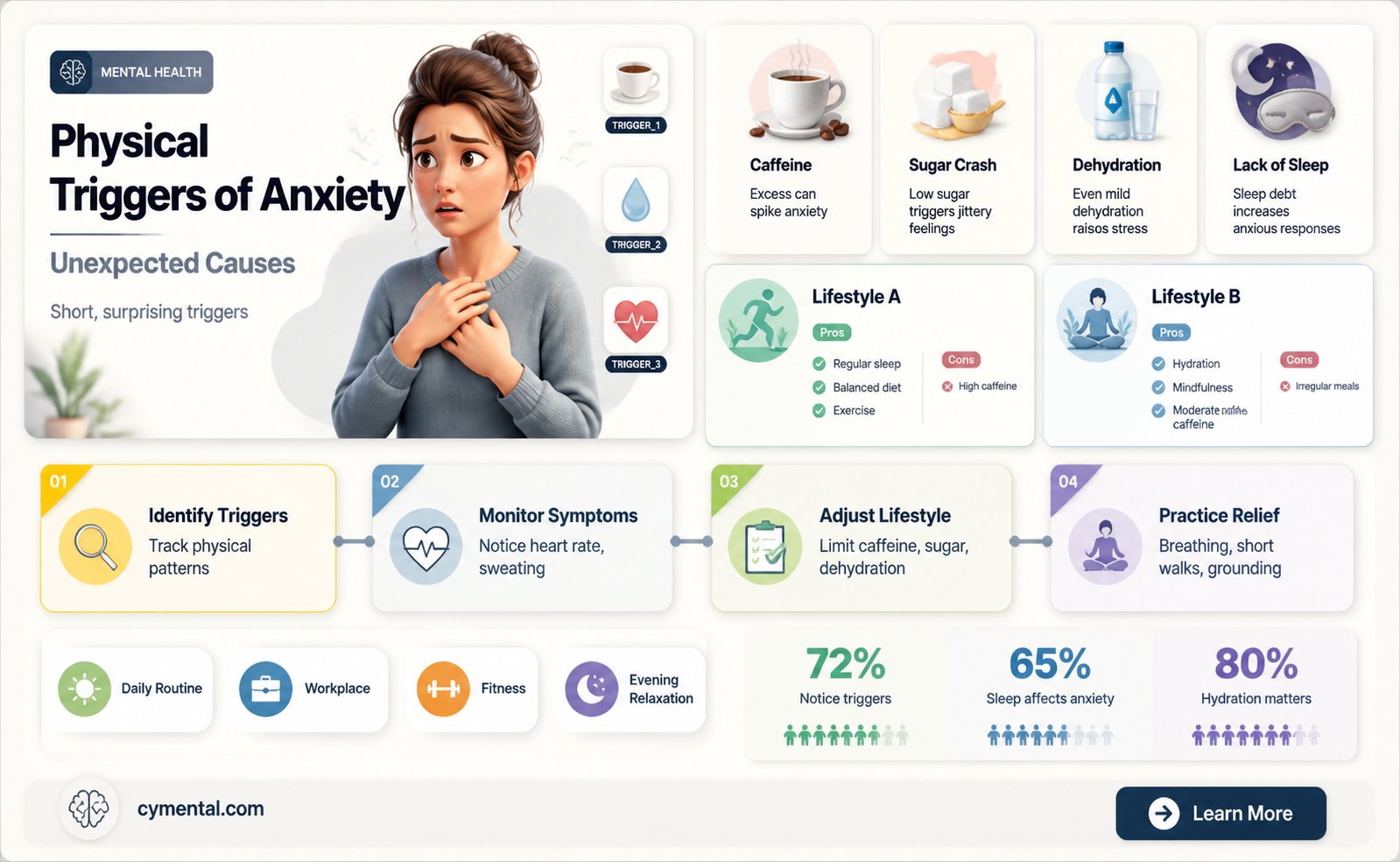
Anxiety attacks, also known as panic attacks, are often associated with mental triggers such as stress, fear, or traumatic experiences. However, it is less commonly discussed that anxiety attacks can also be caused by non-mental triggers. These triggers can include physical health conditions, certain medications, or even environmental factors. For instance, an anxiety attack might be induced by a sudden drop in blood sugar levels, a side effect of a medication, or exposure to a substance like caffeine or nicotine. Understanding these non-mental triggers is crucial for a comprehensive approach to managing and treating anxiety disorders, as it highlights the complex interplay between physical and mental health.
| Characteristics | Values |
|---|---|
| Definition | Anxiety attacks, also known as panic attacks, are sudden episodes of intense fear or discomfort that reach a peak within minutes and include physical and emotional symptoms. |
| Common Triggers | While often associated with mental or emotional stress, anxiety attacks can indeed be triggered by non-mental factors. |
| Non-Mental Triggers | These may include physical health conditions, certain medications, substance abuse, or even environmental factors. |
| Physical Health Conditions | Conditions such as heart disease, diabetes, or respiratory issues can contribute to anxiety attacks due to the body's response to physical stress. |
| Medications | Some medications, including certain antidepressants, stimulants, or corticosteroids, can induce anxiety as a side effect. |
| Substance Abuse | The use or withdrawal from substances like alcohol, caffeine, or illicit drugs can trigger anxiety attacks. |
| Environmental Factors | Exposure to toxins, extreme temperatures, or high altitudes can also provoke anxiety symptoms. |
| Genetic Predisposition | Individuals with a family history of anxiety disorders may be more susceptible to experiencing anxiety attacks, even in response to non-mental triggers. |
| Neurochemical Imbalance | Imbalances in neurotransmitters such as serotonin, dopamine, or GABA can contribute to the development of anxiety attacks. |
| Stress Response | The body's natural stress response, including the release of adrenaline, can lead to anxiety symptoms when triggered by non-mental factors. |
| Frequency | Anxiety attacks can occur sporadically or in response to specific situations, including those that are not mentally or emotionally stressful. |
| Duration | The physical symptoms of an anxiety attack typically peak within 10-15 minutes and can last up to an hour, while the emotional impact may persist longer. |
| Treatment | Treatment for anxiety attacks may include a combination of medication, therapy, and lifestyle changes to address both mental and non-mental triggers. |
| Prevention | Identifying and managing non-mental triggers, such as maintaining a healthy lifestyle and avoiding substances that exacerbate anxiety, can help prevent anxiety attacks. |
| Prognosis | With proper treatment and management, individuals can learn to cope with anxiety attacks and reduce their frequency and severity, regardless of the trigger. |
Explore related products




What You'll Learn
- Physical Health Conditions: Certain medical issues like heart disease, diabetes, or thyroid disorders can manifest as anxiety symptoms
- Medication Side Effects: Some medications, including caffeine, nicotine, and certain antidepressants, can induce anxiety as a side effect
- Environmental Factors: Exposure to toxins, such as heavy metals or pesticides, has been linked to increased anxiety levels
- Diet and Nutrition: Consuming high amounts of sugar, processed foods, or food additives may exacerbate anxiety symptoms
- Sleep Deprivation: Lack of quality sleep can significantly contribute to the development and worsening of anxiety attacks

Physical Health Conditions: Certain medical issues like heart disease, diabetes, or thyroid disorders can manifest as anxiety symptoms
It is well-documented that physical health conditions can have a profound impact on mental well-being. Certain medical issues, such as heart disease, diabetes, and thyroid disorders, can manifest as anxiety symptoms, leading to a complex interplay between physical and mental health. This phenomenon underscores the importance of a holistic approach to healthcare, where both the mind and body are considered in diagnosis and treatment.
Heart disease, for instance, can cause anxiety due to the stress of managing a chronic condition, fear of complications, and the impact of symptoms on daily life. Similarly, diabetes can lead to anxiety as individuals navigate the challenges of blood sugar management, dietary restrictions, and the risk of long-term complications. Thyroid disorders, which affect the body's metabolism and energy levels, can also contribute to anxiety symptoms, as individuals may experience significant changes in their physical and emotional states.
The relationship between physical health conditions and anxiety is bidirectional. Not only can medical issues trigger anxiety, but anxiety can also exacerbate physical symptoms, creating a vicious cycle. For example, anxiety can increase heart rate and blood pressure, which can be particularly problematic for individuals with heart disease. In the case of diabetes, anxiety can affect blood sugar levels, making it more challenging to manage the condition.
Recognizing the link between physical health conditions and anxiety is crucial for effective treatment. Healthcare providers should consider the potential for anxiety when diagnosing and treating medical conditions, and conversely, mental health professionals should be aware of the physical health implications of anxiety disorders. A comprehensive treatment plan may include a combination of medical interventions, lifestyle modifications, and mental health support to address both the physical and emotional aspects of well-being.
In conclusion, the connection between physical health conditions and anxiety symptoms highlights the need for an integrated approach to healthcare. By acknowledging and addressing the interplay between the mind and body, healthcare providers can offer more effective and compassionate care to individuals struggling with these complex issues.
Exploring the Link: Can Allergies Trigger Mental Health Issues?
You may want to see also
Explore related products


Medication Side Effects: Some medications, including caffeine, nicotine, and certain antidepressants, can induce anxiety as a side effect
Certain medications can inadvertently trigger anxiety attacks, even in individuals without a history of mental health issues. This phenomenon highlights the complex interplay between physical health treatments and mental well-being. For instance, caffeine, commonly found in coffee, tea, and energy drinks, is a stimulant that can exacerbate anxiety symptoms. Similarly, nicotine, present in tobacco products, can lead to increased heart rate and blood pressure, mimicking the physiological responses associated with anxiety.
Antidepressants, particularly selective serotonin reuptake inhibitors (SSRIs), are another category of medications that can sometimes induce anxiety as a side effect. While these drugs are designed to alleviate symptoms of depression, they can initially cause heightened anxiety in some patients. This is often a temporary effect that subsides as the body adjusts to the medication, but it can be distressing for those experiencing it.
Other medications, such as corticosteroids, thyroid hormones, and certain asthma treatments, can also contribute to anxiety symptoms. The underlying mechanisms vary, but these drugs can alter neurotransmitter levels, hormonal balances, or physiological responses, all of which can influence mental health.
It is crucial for healthcare providers to consider the potential for medication-induced anxiety when prescribing treatments. Patients should be informed about possible side effects and encouraged to report any changes in their mental health. In some cases, adjusting the dosage or switching to an alternative medication can mitigate these effects. Additionally, incorporating non-pharmacological interventions, such as cognitive-behavioral therapy or relaxation techniques, can help manage anxiety symptoms caused by medications.
Understanding the relationship between medications and anxiety can empower individuals to take a more active role in their healthcare. By being aware of potential side effects and working closely with healthcare providers, patients can make informed decisions about their treatment plans and minimize the risk of medication-induced anxiety attacks.
Unraveling the Link: Alcohol Addiction and Mental Illness Explored
You may want to see also
Explore related products

$10.05 $12.99


$11.69 $19.99


Environmental Factors: Exposure to toxins, such as heavy metals or pesticides, has been linked to increased anxiety levels
Exposure to environmental toxins, such as heavy metals and pesticides, has been increasingly recognized as a potential contributor to anxiety disorders. Research suggests that these substances can interfere with neurological processes, leading to heightened anxiety levels. For instance, studies have shown that exposure to lead, a common heavy metal, can result in increased anxiety and stress responses in both humans and animals. Similarly, pesticides like organophosphates have been linked to anxiety-like behaviors in experimental models.
The mechanisms by which these toxins affect anxiety are complex and multifaceted. Heavy metals, for example, can disrupt the balance of neurotransmitters in the brain, such as serotonin and dopamine, which play crucial roles in regulating mood and anxiety. Pesticides, on the other hand, may interfere with the body's natural detoxification processes, leading to the accumulation of harmful substances that can exacerbate anxiety symptoms.
It is important to note that while the link between environmental toxins and anxiety is supported by growing evidence, more research is needed to fully understand the extent and nature of this relationship. Factors such as the duration and level of exposure, as well as individual susceptibility, likely play significant roles in determining the impact of these toxins on anxiety levels.
In terms of practical implications, reducing exposure to environmental toxins may be a valuable strategy for managing anxiety. This can involve taking steps to minimize contact with heavy metals and pesticides in the home and workplace, as well as supporting the body's natural detoxification processes through a healthy diet and lifestyle. For example, consuming foods rich in antioxidants and fiber can help to reduce the absorption and accumulation of heavy metals in the body.
Overall, the potential role of environmental factors in anxiety highlights the importance of considering a holistic approach to mental health. By addressing not only psychological and emotional factors but also environmental and physical influences, individuals may be better equipped to manage and reduce anxiety symptoms.
Exploring the Link: Mental Health Meds and Heart Palpitations
You may want to see also
Explore related products


Diet and Nutrition: Consuming high amounts of sugar, processed foods, or food additives may exacerbate anxiety symptoms
Research has shown that diet plays a significant role in mental health, particularly in the exacerbation of anxiety symptoms. Consuming high amounts of sugar can lead to rapid spikes and drops in blood sugar levels, which can mimic and intensify the physical symptoms of anxiety, such as palpitations and trembling. Processed foods, which are often high in unhealthy fats, sugars, and sodium, can contribute to inflammation in the body, further exacerbating anxiety symptoms. Food additives, such as artificial sweeteners and preservatives, have also been linked to increased anxiety levels in some individuals.
One study published in the journal "Psychological Medicine" found that a diet high in sugar and processed foods was associated with a higher risk of developing anxiety disorders. Another study published in the "Journal of Affective Disorders" found that a diet rich in fruits, vegetables, and whole grains was associated with lower levels of anxiety and depression. These findings suggest that making dietary changes can be a useful strategy for managing anxiety symptoms.
To reduce anxiety symptoms through diet, it is recommended to limit the consumption of sugary and processed foods and to increase the intake of whole, nutrient-dense foods. This can include incorporating more fruits, vegetables, whole grains, lean proteins, and healthy fats into the diet. Additionally, staying hydrated and limiting caffeine intake can also help to alleviate anxiety symptoms.
It is important to note that while dietary changes can be helpful in managing anxiety, they should not replace other forms of treatment, such as therapy or medication. If anxiety symptoms are severe or persistent, it is important to seek professional help from a healthcare provider or mental health professional.
In conclusion, the link between diet and anxiety is complex, but research suggests that making healthy dietary choices can be a useful strategy for managing anxiety symptoms. By limiting the consumption of sugary and processed foods and increasing the intake of whole, nutrient-dense foods, individuals may be able to reduce their anxiety levels and improve their overall mental health.
Exploring the Link Between Mental Breakdown and Psychosis: A Comprehensive Guide
You may want to see also
Explore related products


Sleep Deprivation: Lack of quality sleep can significantly contribute to the development and worsening of anxiety attacks
Chronic sleep deprivation can significantly exacerbate anxiety attacks, creating a vicious cycle where lack of sleep increases anxiety, and heightened anxiety disrupts sleep patterns further. Research indicates that sleep plays a crucial role in emotional regulation and cognitive function, both of which are impaired in individuals experiencing anxiety disorders. When sleep is compromised, the brain's ability to process and manage stress is hindered, leading to increased vulnerability to anxiety attacks.
Several studies have demonstrated the impact of sleep deprivation on anxiety levels. For instance, a study published in the Journal of Sleep Research found that participants who were sleep-deprived for 24 hours exhibited increased anxiety levels compared to those who had a full night's sleep. Another study in the journal Sleep Medicine Reviews highlighted that chronic sleep deprivation can lead to long-term anxiety disorders, including generalized anxiety disorder and panic disorder.
The relationship between sleep deprivation and anxiety attacks can be attributed to several physiological and psychological factors. Sleep deprivation affects the balance of neurotransmitters in the brain, such as serotonin and norepinephrine, which are crucial for mood regulation. Additionally, lack of sleep impairs the prefrontal cortex's function, which is responsible for executive control and decision-making, leading to heightened emotional reactivity and reduced impulse control.
Moreover, sleep deprivation can lead to physical symptoms that contribute to anxiety, such as increased heart rate, muscle tension, and gastrointestinal issues. These physical symptoms can further intensify the psychological experience of anxiety, creating a feedback loop that perpetuates the cycle of anxiety and sleep disruption.
To mitigate the impact of sleep deprivation on anxiety attacks, it is essential to prioritize good sleep hygiene practices. This includes maintaining a consistent sleep schedule, creating a relaxing bedtime routine, ensuring a comfortable sleep environment, and avoiding stimulants such as caffeine and nicotine close to bedtime. Cognitive-behavioral therapy for insomnia (CBT-I) has also been shown to be effective in improving sleep quality and reducing anxiety symptoms.
In conclusion, addressing sleep deprivation is a critical component in the management of anxiety attacks. By understanding the complex interplay between sleep and anxiety, individuals can take proactive steps to improve their sleep quality and alleviate anxiety symptoms, ultimately enhancing their overall well-being.
Exploring the Link Between Heartbreak and Mental Health
You may want to see also
Frequently asked questions
Yes, anxiety attacks can indeed be triggered by physical health conditions. Certain medical issues, such as thyroid disorders, heart conditions, or respiratory problems, can cause symptoms that mimic or exacerbate anxiety. It's important to consult with a healthcare professional to rule out any underlying physical causes if you're experiencing anxiety attacks.
Environmental factors can play a significant role in triggering anxiety attacks. Stressful life events, such as the loss of a loved one, job changes, or financial difficulties, can contribute to anxiety. Additionally, exposure to toxins, certain medications, or even caffeine and nicotine can provoke anxiety symptoms in some individuals.
Absolutely, lifestyle factors like inadequate sleep and poor diet can significantly impact anxiety levels. Lack of sleep can disrupt the body's stress response system, making it more difficult to cope with stressors. Similarly, a diet high in processed foods and low in essential nutrients can contribute to increased anxiety. Maintaining a balanced diet and ensuring sufficient sleep are crucial steps in managing anxiety.