Caleb Wright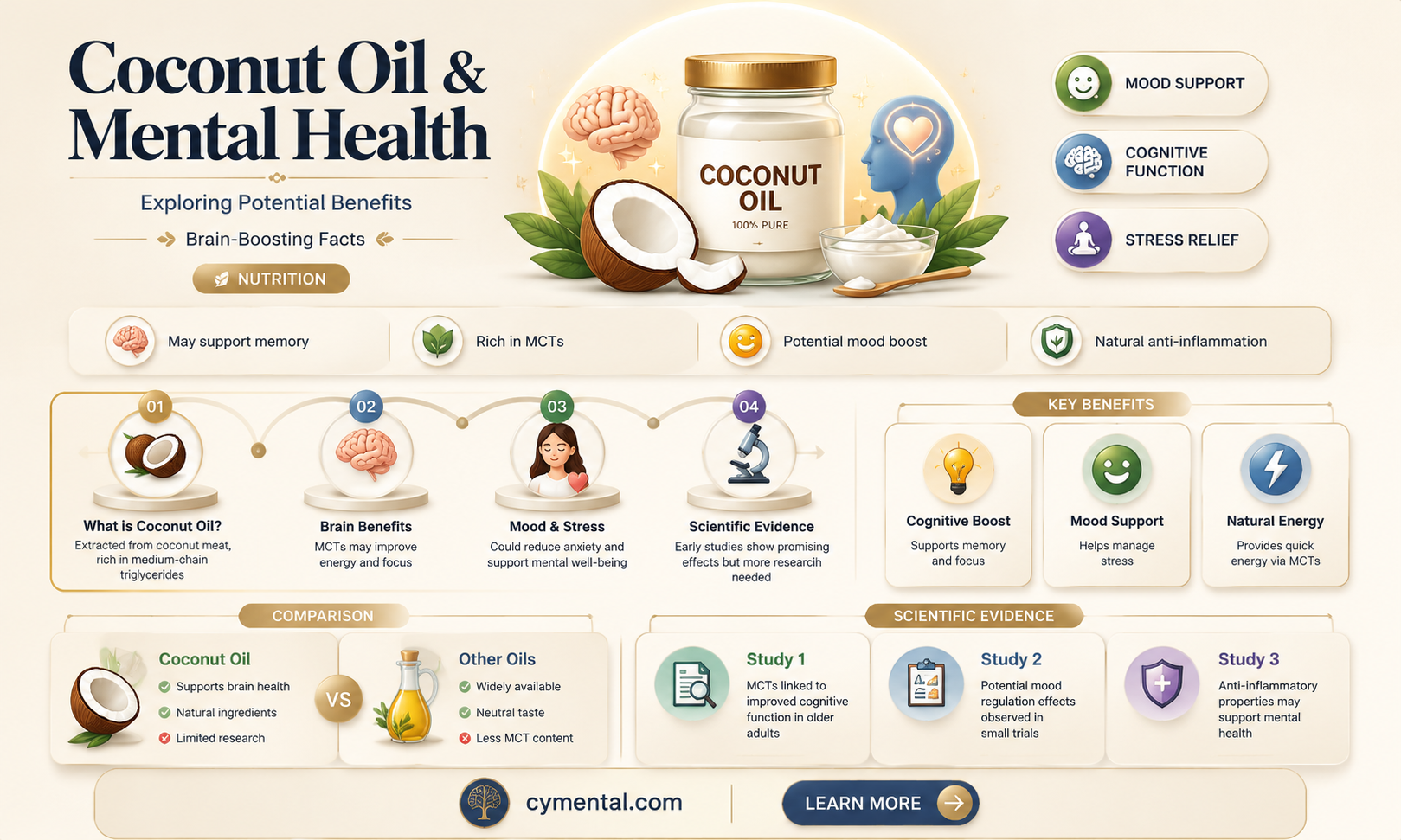
Coconut oil has gained attention in recent years for its potential health benefits, including its role in supporting mental well-being. Rich in medium-chain triglycerides (MCTs), particularly lauric acid, coconut oil is believed to provide a readily available energy source for the brain, which may enhance cognitive function and mood stability. Additionally, its anti-inflammatory and antioxidant properties could help reduce oxidative stress and inflammation, factors often linked to mental health disorders such as depression and anxiety. While anecdotal evidence and preliminary studies suggest promising effects, more rigorous research is needed to fully understand how coconut oil might contribute to mental health and whether it can be a viable complementary approach alongside traditional treatments.
| Characteristics | Values |
|---|---|
| Anti-inflammatory Properties | Coconut oil contains medium-chain triglycerides (MCTs), which have been shown to reduce inflammation. Chronic inflammation is linked to mental health disorders like depression and anxiety. |
| Ketone Production | MCTs in coconut oil are metabolized into ketones, which can serve as an alternative energy source for the brain. Ketones may improve cognitive function and reduce symptoms of depression and Alzheimer's disease. |
| Antioxidant Effects | Coconut oil contains antioxidants like phenolic compounds, which help combat oxidative stress. Oxidative stress is associated with neurodegenerative diseases and mental health issues. |
| Cholesterol Regulation | Coconut oil may improve HDL (good) cholesterol levels, which is linked to better brain health and reduced risk of depression. |
| Gut Health | Coconut oil's antimicrobial properties may support gut health by reducing harmful bacteria. A healthy gut microbiome is crucial for mental health, as the gut-brain axis influences mood and cognition. |
| Limited Direct Evidence | While anecdotal and preliminary studies suggest benefits, there is no conclusive scientific evidence directly linking coconut oil to significant improvements in mental health conditions. |
| Potential Risks | High saturated fat content may increase LDL (bad) cholesterol, posing cardiovascular risks. Excessive consumption could counteract potential mental health benefits. |
| Dosage and Form | Optimal dosage and form (e.g., MCT oil vs. virgin coconut oil) for mental health benefits are not established. Individual responses may vary. |
| Complementary Role | Coconut oil may support mental health as part of a balanced diet and lifestyle but should not replace proven treatments like therapy or medication. |
Explore related products


What You'll Learn

Coconut oil's impact on brain function and cognitive performance
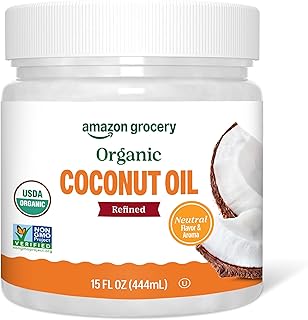
Coconut oil, rich in medium-chain triglycerides (MCTs), has been touted for its potential to enhance brain function and cognitive performance. MCTs are metabolized differently from long-chain triglycerides, producing ketones that serve as an alternative energy source for the brain. This is particularly relevant for individuals with conditions like Alzheimer’s disease, where the brain’s ability to use glucose for energy may be impaired. Studies suggest that ketones can improve cognitive function in mild to moderate Alzheimer’s patients, though results are not universally consistent. For those considering supplementation, starting with 1–2 tablespoons of coconut oil daily, divided into meals, may help monitor tolerance and potential benefits.
While the link between coconut oil and brain health is promising, it’s essential to approach its use with a critical eye. The majority of research focuses on MCT oil, a more concentrated form of MCTs, rather than coconut oil itself, which contains only about 13–15% MCTs. This raises questions about the efficacy of coconut oil as a standalone cognitive enhancer. Additionally, individual responses vary based on factors like age, metabolism, and overall health. For instance, older adults with cognitive decline may see more noticeable benefits compared to younger individuals with healthy brain function. Pairing coconut oil with a balanced diet and mental exercises, such as puzzles or memory games, could amplify its potential cognitive effects.
From a practical standpoint, incorporating coconut oil into daily routines requires creativity and moderation. It can be used in cooking, added to smoothies, or even consumed directly in small amounts. However, its high saturated fat content warrants caution, especially for those with cardiovascular concerns. A gradual approach, starting with 1 teaspoon daily and increasing to 1 tablespoon over a week, can help minimize digestive discomfort. For optimal results, combine coconut oil use with lifestyle habits known to support brain health, such as regular physical activity, adequate sleep, and stress management techniques like meditation.
Comparatively, coconut oil’s impact on cognitive performance stacks up against other brain-boosting supplements like omega-3 fatty acids and ginkgo biloba, though its mechanism of action is distinct. While omega-3s support neuronal structure and ginkgo improves blood flow to the brain, coconut oil’s ketone production offers a unique metabolic advantage. However, its effectiveness may be limited to specific populations or conditions, making it less of a universal solution. For those exploring natural cognitive enhancers, coconut oil is worth considering as part of a broader strategy, but it should not replace evidence-based treatments or professional medical advice.
In conclusion, coconut oil’s potential to enhance brain function and cognitive performance lies in its MCT content and ketone production, particularly for individuals with certain neurological conditions. However, its benefits are not guaranteed for everyone, and its use should be tailored to individual health needs and goals. By integrating coconut oil thoughtfully into a holistic approach to brain health, individuals can explore its potential while minimizing risks. As research evolves, staying informed and consulting healthcare professionals will remain key to maximizing its cognitive benefits.
Exploring Cannabis Oil's Potential in Mental Health Treatment: What We Know
You may want to see also
Explore related products
$5.92


Role of MCTs in reducing anxiety and stress levels
Medium-chain triglycerides (MCTs), abundant in coconut oil, have emerged as a focal point in discussions about natural remedies for anxiety and stress. Unlike long-chain fatty acids, MCTs are rapidly absorbed and metabolized by the liver, producing ketones that serve as an alternative energy source for the brain. This unique metabolic pathway is believed to underpin their potential anxiolytic effects. Research suggests that ketones may enhance mitochondrial function in brain cells, reducing oxidative stress and promoting neural stability—factors closely linked to mood regulation. For individuals exploring dietary interventions for mental health, understanding MCTs’ role offers a scientifically grounded starting point.
To harness MCTs’ potential, practical implementation is key. Incorporating 1–2 tablespoons of coconut oil daily into meals or beverages is a common recommendation, though individual tolerance varies. For those new to MCTs, starting with smaller doses (e.g., 1 teaspoon) and gradually increasing can minimize gastrointestinal discomfort. Pairing coconut oil with foods high in omega-3 fatty acids, such as avocado or fatty fish, may amplify its benefits by supporting overall brain health. However, it’s essential to view MCTs as a complementary strategy, not a standalone solution, particularly for individuals with severe anxiety or stress disorders.
A comparative analysis highlights MCTs’ advantages over traditional fats. While long-chain triglycerides require carnitine for metabolism and are stored as body fat, MCTs bypass this process, providing immediate energy. This efficiency may explain why some users report improved focus and reduced mental fatigue within hours of consumption. Anecdotal evidence from biohackers and wellness enthusiasts often cites MCT oil or coconut oil as a staple in morning routines, claiming it stabilizes mood and enhances resilience to stressors. However, scientific studies remain limited, emphasizing the need for controlled trials to validate these claims.
One intriguing application of MCTs is their use in older adults, a demographic increasingly affected by anxiety and cognitive decline. Ketones, produced from MCT metabolism, have shown promise in improving brain energy metabolism in aging populations. A 2019 study published in *Aging Cell* found that MCT supplementation improved cognitive performance in older adults with mild cognitive impairment. While not directly measuring anxiety, the study suggests that enhanced brain energy may indirectly mitigate stress by improving mental clarity and focus. For caregivers or seniors, adding coconut oil to smoothies or oatmeal could be a simple, palatable way to explore these benefits.
In conclusion, while the role of MCTs in reducing anxiety and stress levels is promising, it is not a panacea. Dosage, individual health status, and dietary context all influence outcomes. For those considering this approach, consulting a healthcare provider is advisable, especially for individuals with underlying conditions like diabetes or liver disease. Pairing MCT consumption with stress-reduction techniques, such as mindfulness or exercise, may yield synergistic effects. As research evolves, MCTs stand out as a compelling, accessible tool in the broader toolkit for mental well-being.
Supporting Your Adult Son’s Mental Health: Practical Steps for Parents
You may want to see also
Explore related products


Potential benefits for Alzheimer’s and memory improvement
Coconut oil's potential role in Alzheimer's disease and memory enhancement has sparked considerable interest, particularly due to its medium-chain triglycerides (MCTs), which the body metabolizes differently than other fats. MCTs can produce ketones, an alternative energy source for the brain, which may benefit individuals with Alzheimer's whose brains struggle to use glucose efficiently. While research is still in its early stages, anecdotal reports and preliminary studies suggest that incorporating coconut oil into the diet could offer cognitive benefits, especially for memory and mental clarity.
To explore this potential, consider starting with a small daily dose of coconut oil, such as 1 tablespoon (15 ml), and gradually increasing to 2–3 tablespoons (30–45 ml) over several weeks. This gradual approach allows the body to adapt and minimizes digestive discomfort, a common side effect of MCTs. For older adults or those with Alzheimer's, combining coconut oil with a balanced diet rich in omega-3 fatty acids, antioxidants, and brain-boosting foods like berries, nuts, and leafy greens may amplify its effects. Always consult a healthcare provider before making significant dietary changes, especially for individuals with pre-existing conditions.
A comparative analysis of coconut oil versus other MCT sources, such as MCT oil supplements, reveals that while both provide ketones, coconut oil offers additional benefits like lauric acid, which has antimicrobial properties. However, MCT oil contains a higher concentration of caprylic and capric acids, the most ketogenic MCTs, making it a more potent option for those specifically targeting brain energy. For practical application, coconut oil can be incorporated into meals by using it in cooking, adding it to smoothies, or spreading it on toast, while MCT oil is best taken directly or mixed into beverages due to its neutral flavor.
Persuasively, the case for coconut oil in Alzheimer's care lies in its accessibility and versatility. Unlike prescription medications, coconut oil is a natural, affordable option that can be easily integrated into daily routines. While it is not a cure, its potential to improve quality of life by supporting brain function warrants consideration. Caregivers and individuals alike can experiment with coconut oil as part of a holistic approach to cognitive health, combining it with mental exercises, physical activity, and social engagement for optimal results.
In conclusion, while the science behind coconut oil and Alzheimer's is promising but not definitive, its unique metabolic properties and anecdotal success stories make it a compelling option for memory improvement and brain health. By starting with a measured dose, monitoring effects, and pairing it with a brain-healthy lifestyle, individuals can explore its potential benefits with minimal risk. As research progresses, coconut oil may emerge as a valuable tool in the fight against cognitive decline, offering hope and practical support for those affected by Alzheimer's.
Seeking Support: Exploring Resources to Help Navigate Life's Challenges
You may want to see also
Explore related products





Anti-inflammatory effects on mood disorders like depression
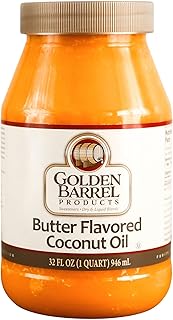
Chronic inflammation is increasingly recognized as a key player in the development and persistence of mood disorders like depression. Elevated levels of inflammatory markers, such as cytokines, are commonly found in depressed individuals, suggesting a biological link between inflammation and mental health. Coconut oil, rich in medium-chain triglycerides (MCTs), has been studied for its potential anti-inflammatory properties. MCTs, particularly lauric acid, are believed to modulate immune responses by reducing pro-inflammatory cytokines and promoting a balanced inflammatory state. This mechanism positions coconut oil as a possible adjunctive therapy for managing depression by targeting its inflammatory underpinnings.
To harness coconut oil’s anti-inflammatory benefits for mood disorders, consider incorporating it into your daily routine with precision. Start with 1–2 tablespoons of virgin coconut oil daily, either consumed directly, added to beverages like coffee or smoothies, or used in cooking. For optimal absorption, pair it with meals containing healthy fats. While coconut oil is generally safe, excessive intake can lead to gastrointestinal discomfort, so gradual introduction is advised. Monitor your body’s response, and consult a healthcare provider if you have pre-existing conditions like cardiovascular disease, as coconut oil is high in saturated fats.
Comparatively, coconut oil’s anti-inflammatory potential stands out when juxtaposed with other dietary interventions for depression. Unlike omega-3 fatty acids, which directly target inflammation through EPA and DHA, coconut oil’s MCTs work indirectly by enhancing mitochondrial function and reducing oxidative stress. This dual action may offer a unique advantage, particularly for individuals who do not respond to traditional anti-inflammatory supplements. However, it’s essential to note that coconut oil should complement, not replace, evidence-based treatments like antidepressants or therapy.
A descriptive exploration of coconut oil’s role in mental health reveals its versatility beyond anti-inflammatory effects. Its ability to improve gut health, another critical factor in mood regulation, further underscores its potential. MCTs in coconut oil are readily absorbed and converted into ketones, which serve as an alternative energy source for the brain. This metabolic shift may alleviate symptoms of depression by enhancing neuronal function and resilience. For those exploring natural approaches, coconut oil offers a multifaceted tool that addresses both inflammation and energy metabolism in the context of mental health.
In conclusion, while research on coconut oil’s direct impact on depression is still emerging, its anti-inflammatory properties and metabolic benefits make it a compelling option for those seeking adjunctive strategies. Practical implementation, mindful of dosage and individual health status, can maximize its potential. As with any intervention, consistency and patience are key, as improvements in mood disorders often require sustained effort. Coconut oil, when integrated thoughtfully, may contribute to a holistic approach to managing depression by addressing its inflammatory and metabolic roots.
Supporting Student Well-being: Practical Strategies for Schools to Enhance Mental Health
You may want to see also
Explore related products




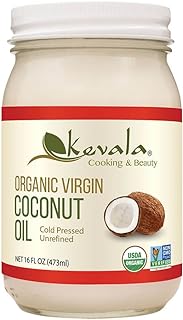
Coconut oil’s influence on hormone balance and mental well-being
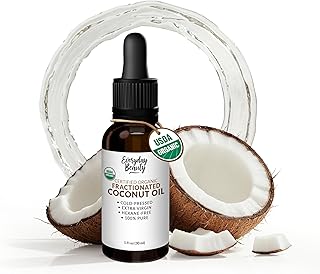
Coconut oil's potential to influence hormone balance and mental well-being hinges on its unique composition, particularly its medium-chain triglycerides (MCTs). Unlike long-chain fatty acids, MCTs are rapidly absorbed and converted into ketones, which serve as an alternative energy source for the brain. This process is crucial for individuals with hormonal imbalances, such as those with thyroid disorders, as ketones can enhance metabolic efficiency and support hormonal regulation. For instance, a study published in the *Journal of Nutrition and Metabolism* suggests that MCTs may improve thyroid function by boosting basal metabolic rate, indirectly supporting hormone production and balance.
To harness these benefits, incorporating coconut oil into your diet requires a strategic approach. Start with 1–2 tablespoons daily, either in cooking or as a supplement, and monitor your body’s response. For mental well-being, the anti-inflammatory properties of coconut oil’s lauric acid may reduce brain inflammation, a common factor in mood disorders. Pairing coconut oil with foods rich in omega-3 fatty acids, like flaxseeds or walnuts, can amplify its effects on brain health. However, individuals with pre-existing conditions like diabetes or heart disease should consult a healthcare provider, as excessive saturated fat intake may pose risks.
A comparative analysis reveals that coconut oil’s impact on mental health is not solely hormonal but also tied to its ability to stabilize blood sugar levels. Fluctuations in blood glucose can exacerbate anxiety and depression, but the MCTs in coconut oil provide a steady energy source, reducing cravings and mood swings. For example, a 2018 study in *Behavioral Brain Research* found that ketone supplementation improved cognitive function and reduced stress markers in participants. This suggests that coconut oil’s role in ketone production could be a valuable tool for managing mental health symptoms, particularly in adults aged 25–50 who are prone to stress-related hormonal imbalances.
Practical tips for integrating coconut oil into your routine include using it as a coffee additive for a "bulletproof" effect, which enhances focus and energy. Alternatively, apply it topically to the skin to reduce cortisol absorption, a stress hormone that can disrupt mental clarity. For children or adolescents, smaller doses (1 teaspoon daily) can be incorporated into smoothies or oatmeal to support developing hormonal systems without overwhelming their metabolism. The key is consistency and moderation, as overconsumption may lead to digestive discomfort or weight gain.
In conclusion, coconut oil’s influence on hormone balance and mental well-being is rooted in its MCT content and anti-inflammatory properties. By supporting thyroid function, stabilizing blood sugar, and promoting ketone production, it offers a multifaceted approach to mental health. However, its effectiveness varies by individual, and tailored usage is essential. Whether as a dietary supplement or topical application, coconut oil can be a valuable addition to a holistic mental health strategy, provided it is used mindfully and in conjunction with professional guidance.
Social Media's Role in Supporting Mental Health and Well-being
You may want to see also
Frequently asked questions
Coconut oil contains medium-chain triglycerides (MCTs), which can provide an alternative energy source for the brain. Some studies suggest MCTs may improve cognitive function in certain individuals, particularly those with conditions like Alzheimer’s disease, though more research is needed for conclusive evidence.
There is limited scientific evidence directly linking coconut oil to reduced anxiety or depression. While its anti-inflammatory properties and potential brain-boosting effects may indirectly support mental health, it should not replace professional treatment for these conditions.
Coconut oil’s MCTs may support stable energy levels, which could indirectly help manage stress. Additionally, its use in aromatherapy or topical application may promote relaxation, though these effects are anecdotal and not scientifically proven.
There is no strong scientific evidence to support coconut oil as a treatment for ADHD or other mental health disorders. While its MCTs may offer cognitive benefits, it should not be used as a substitute for evidence-based therapies or medications. Always consult a healthcare professional for personalized advice.