Lucas Bennett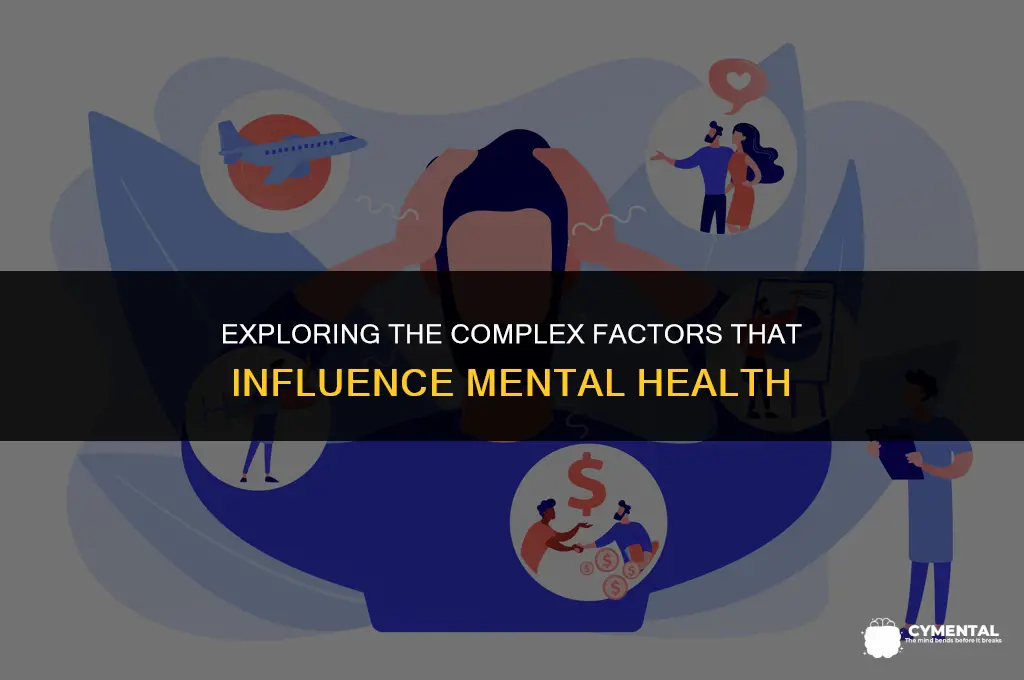
Mental health is a complex and multifaceted aspect of overall well-being that can be influenced by a wide range of factors. These factors can be broadly categorized into biological, psychological, social, and environmental determinants. Biological factors include genetic predispositions, brain chemistry, and hormonal imbalances, which can contribute to the development of mental health conditions such as depression, anxiety, and bipolar disorder. Psychological factors, on the other hand, encompass individual experiences, thoughts, and behaviors that can impact mental health, including trauma, stress, and coping mechanisms. Social determinants of mental health involve interpersonal relationships, social support networks, and socioeconomic status, which can affect access to resources and opportunities for maintaining good mental health. Finally, environmental factors, such as living conditions, access to green spaces, and exposure to pollutants, can also play a role in shaping mental health outcomes. Understanding the interplay between these various factors is crucial for promoting mental health and developing effective interventions to address mental health challenges.
Explore related products


What You'll Learn
- Genetic Factors: Family history and genetic predispositions can influence an individual's mental health
- Environmental Triggers: Life events, trauma, and chronic stressors can impact mental well-being
- Brain Chemistry: Imbalances in neurotransmitters like serotonin and dopamine can contribute to mental health issues
- Social Connections: Relationships, social support, and feelings of isolation can affect mental health
- Lifestyle Choices: Diet, exercise, sleep patterns, and substance use can all influence mental health

Genetic Factors: Family history and genetic predispositions can influence an individual's mental health
Research has consistently shown that genetic factors play a significant role in mental health. Family history, in particular, can be a strong predictor of an individual's susceptibility to certain mental health conditions. For instance, studies have found that individuals with a family history of depression are more likely to experience depression themselves. This genetic predisposition can manifest in various ways, such as an increased risk of developing a mental health disorder, a more severe presentation of symptoms, or a reduced response to treatment.
One of the key mechanisms by which genetic factors influence mental health is through the inheritance of specific genes that affect brain function and structure. These genes can impact neurotransmitter systems, hormonal regulation, and neural circuitry, all of which are critical components of mental health. Additionally, genetic variations can influence an individual's resilience to stress and their ability to cope with challenging life events.
It is important to note that while genetic factors can significantly influence mental health, they do not operate in isolation. Environmental factors, such as life experiences, social support, and access to resources, also play a crucial role in shaping an individual's mental health. The interplay between genetic and environmental factors is complex and can vary greatly from person to person.
Understanding the role of genetic factors in mental health can have important implications for prevention, diagnosis, and treatment. For example, individuals with a family history of mental health disorders may benefit from early intervention and monitoring. Additionally, genetic testing may one day be used to identify individuals at high risk of developing certain mental health conditions, allowing for targeted prevention strategies.
In conclusion, genetic factors are a critical component of mental health, influencing an individual's susceptibility to mental health disorders, the severity of symptoms, and the response to treatment. While genetic factors do not operate in isolation, they play a significant role in shaping an individual's mental health trajectory. Further research into the genetic underpinnings of mental health is essential for developing more effective prevention and treatment strategies.
Unveiling the Impact: Stigma's Role in Mental Health Struggles
You may want to see also
Explore related products


Environmental Triggers: Life events, trauma, and chronic stressors can impact mental well-being
Life events, trauma, and chronic stressors can significantly impact mental well-being, often acting as environmental triggers that exacerbate or initiate mental health issues. These triggers can range from acute, one-time events to ongoing, pervasive stressors that wear down an individual's resilience over time. Understanding these triggers is crucial for developing effective strategies to mitigate their impact and promote mental health.
Trauma, whether experienced in childhood or adulthood, can have long-lasting effects on mental health. Traumatic events such as physical or emotional abuse, neglect, accidents, or witnessing violence can lead to conditions like post-traumatic stress disorder (PTSD), anxiety, and depression. The brain's response to trauma can alter neural pathways, affecting how an individual processes emotions and responds to stress. Chronic stressors, such as ongoing financial difficulties, relationship problems, or work-related stress, can also contribute to mental health issues. These stressors can lead to a state of hyperarousal, where the body's stress response system is constantly activated, resulting in symptoms like fatigue, irritability, and decreased cognitive function.
Life events, even those that are typically considered positive, can also act as triggers. Major life changes such as moving, getting married, having a child, or experiencing a significant loss can create stress and disrupt an individual's sense of stability. These events can trigger anxiety, depression, or other mental health issues, particularly if the individual lacks a strong support system or coping mechanisms.
To mitigate the impact of these environmental triggers, it is essential to develop healthy coping strategies. This can include practices like mindfulness meditation, regular exercise, and seeking social support. Additionally, therapy can provide a safe space for individuals to process trauma and develop strategies to manage stress. By understanding the role of environmental triggers in mental health, individuals can take proactive steps to protect their well-being and seek help when needed.
Unraveling the Complex Link: Substance Abuse and Mental Health
You may want to see also
Explore related products

$26.95 $19.95


Brain Chemistry: Imbalances in neurotransmitters like serotonin and dopamine can contribute to mental health issues
Neurotransmitters such as serotonin and dopamine play a crucial role in regulating mood, motivation, and other cognitive functions. An imbalance in these chemicals can lead to a range of mental health issues, including depression, anxiety, and psychosis. For instance, low levels of serotonin are often associated with depression, while excessive dopamine can contribute to symptoms of schizophrenia.
One of the primary ways in which neurotransmitter imbalances affect mental health is by disrupting the normal functioning of neural circuits. This can lead to difficulties in processing emotions, making decisions, and maintaining a stable mood. In addition, neurotransmitter imbalances can also impact physical health, as these chemicals are involved in regulating a variety of bodily functions, such as sleep, appetite, and pain perception.
There are several factors that can contribute to neurotransmitter imbalances, including genetics, diet, stress, and substance abuse. For example, a diet high in processed foods and low in essential nutrients can lead to decreased levels of serotonin and dopamine. Similarly, chronic stress can deplete these neurotransmitters, making it more difficult for individuals to cope with daily challenges.
Fortunately, there are a number of strategies that can be used to address neurotransmitter imbalances and improve mental health. These include lifestyle changes, such as adopting a healthy diet and engaging in regular exercise, as well as therapeutic interventions, such as medication and talk therapy. In some cases, supplements like omega-3 fatty acids and vitamin D may also be beneficial in supporting neurotransmitter function.
It is important to note that neurotransmitter imbalances are just one factor that can contribute to mental health issues. A comprehensive approach to mental health care should take into account a variety of factors, including biological, psychological, and social influences. By understanding the complex interplay between these factors, individuals can develop a personalized treatment plan that addresses their unique needs and promotes overall well-being.
Unraveling the Impact: Anxiety's Influence on Mental Health
You may want to see also
Explore related products

$18.79 $22.99


Social Connections: Relationships, social support, and feelings of isolation can affect mental health
Human beings are inherently social creatures, and the quality of our social connections plays a pivotal role in our mental well-being. Research has consistently shown that strong, supportive relationships can act as a buffer against stress, anxiety, and depression, while feelings of isolation and loneliness can exacerbate these conditions.
One of the most significant ways in which social connections impact mental health is through the provision of emotional support. When individuals feel understood, validated, and cared for by their social network, they are better equipped to cope with life's challenges. This emotional support can take many forms, such as a listening ear, a shoulder to cry on, or practical assistance in times of need. Conversely, a lack of emotional support can lead to feelings of abandonment and hopelessness, which can contribute to the development of mental health issues.
Social connections also influence mental health through the promotion of healthy behaviors and lifestyle choices. People who are part of a supportive social network are more likely to engage in regular physical activity, maintain a balanced diet, and avoid harmful substances such as drugs and alcohol. These healthy behaviors, in turn, can help to reduce the risk of developing mental health problems.
Furthermore, social connections can provide a sense of purpose and belonging, which are essential components of mental well-being. When individuals feel connected to a community or group, they are more likely to experience a sense of meaning and direction in their lives. This sense of purpose can help to mitigate feelings of aimlessness and despair, which are often associated with mental health issues.
In today's digital age, it is important to note that the quality of social connections is more important than the quantity. While social media platforms can provide a way to stay connected with others, they can also contribute to feelings of isolation and loneliness if not used mindfully. It is essential to prioritize face-to-face interactions and to cultivate deep, meaningful relationships with a small number of people rather than relying solely on virtual connections.
In conclusion, social connections play a critical role in maintaining good mental health. By fostering strong, supportive relationships and prioritizing face-to-face interactions, individuals can build resilience against stress and adversity, promote healthy behaviors, and cultivate a sense of purpose and belonging. Conversely, feelings of isolation and loneliness can have a detrimental impact on mental health, highlighting the importance of nurturing social connections in our lives.
Exploring Emotional States: A Guide to Describing Affect in Mental Status Exams
You may want to see also
Explore related products


Lifestyle Choices: Diet, exercise, sleep patterns, and substance use can all influence mental health
A balanced diet rich in nutrients is fundamental to maintaining good mental health. Foods high in omega-3 fatty acids, such as salmon and walnuts, have been shown to reduce symptoms of depression and anxiety. Conversely, a diet high in processed foods and sugar can exacerbate mental health issues. It's crucial to pay attention to portion sizes and meal regularity to ensure a steady supply of energy and nutrients to the brain.
Regular physical activity is another key component in the mental health equation. Exercise releases endorphins, which are natural mood lifters, and can help reduce stress and anxiety. Aim for at least 30 minutes of moderate-intensity exercise most days of the week. Activities like yoga and tai chi can also be beneficial, as they combine physical movement with mindfulness practices.
Sleep patterns play a significant role in mental health. Chronic sleep deprivation can lead to a range of mental health issues, including depression, anxiety, and cognitive impairment. Establishing a consistent sleep schedule, creating a relaxing bedtime routine, and ensuring a comfortable sleep environment can all contribute to better sleep quality. It's recommended that adults aim for 7-9 hours of sleep per night.
Substance use, including alcohol and drugs, can have a profound impact on mental health. While some substances may provide temporary relief from symptoms, they can ultimately worsen mental health conditions and lead to dependency. It's important to be aware of the potential risks and to seek professional help if substance use becomes problematic.
In conclusion, making informed lifestyle choices can significantly influence mental health. By prioritizing a balanced diet, regular exercise, healthy sleep patterns, and responsible substance use, individuals can take proactive steps towards maintaining their mental wellbeing.
Unveiling the Mental Impact: A Deep Dive into Depressants' Effects
You may want to see also
Frequently asked questions
Common factors that can negatively impact mental health include stress, trauma, social isolation, poor diet, lack of exercise, substance abuse, and chronic medical conditions.
Social media use can have both positive and negative effects on mental health. While it can provide a sense of connection and community, excessive use can lead to feelings of loneliness, anxiety, and depression.
Genetics can play a significant role in mental health, as certain mental health conditions such as depression, anxiety, and schizophrenia can run in families. However, environmental factors also play a crucial role in the development of mental health conditions.
Yes, lifestyle changes such as regular exercise, a healthy diet, getting enough sleep, and practicing stress-reducing techniques like meditation and yoga can improve mental health and reduce the risk of developing mental health conditions.