Noah Parker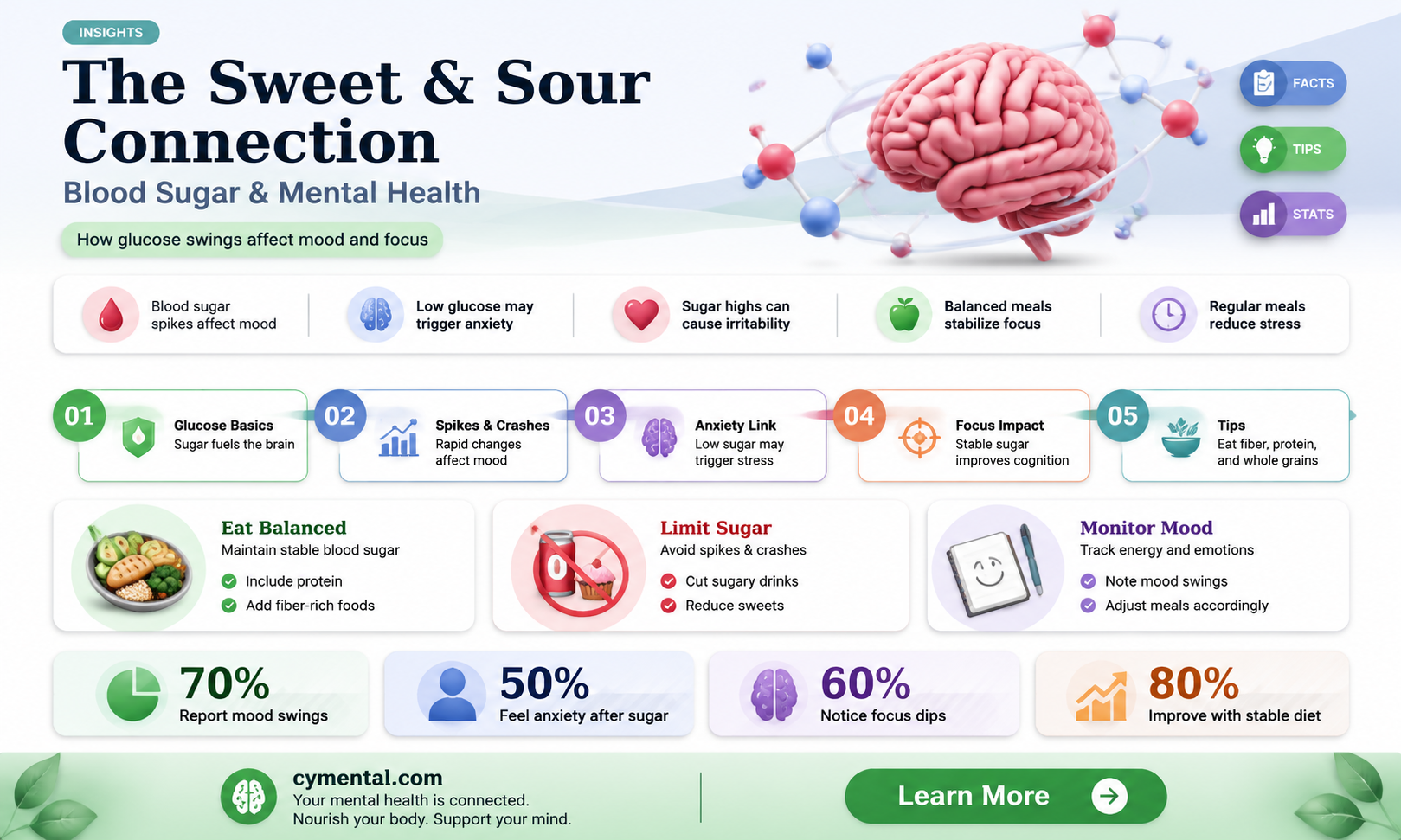
Blood sugar levels play a crucial role in maintaining overall health, including mental well-being. Fluctuations in blood sugar can significantly impact mood, cognitive function, and emotional stability. When blood sugar levels drop, individuals may experience symptoms such as irritability, anxiety, and difficulty concentrating. Conversely, elevated blood sugar levels can lead to feelings of lethargy, depression, and impaired memory. Understanding the intricate relationship between blood sugar and mental health is essential for developing effective strategies to promote psychological wellness and prevent potential mental health disorders.
Explore related products


What You'll Learn
- Blood Sugar and Mood: Fluctuations in blood sugar levels can impact mood, causing irritability and anxiety
- Cognitive Function: Unstable blood sugar may affect cognitive abilities, including memory and concentration
- Depression Link: Chronic high or low blood sugar can contribute to symptoms of depression
- Anxiety and Stress: Blood sugar imbalances may exacerbate anxiety and stress responses
- Mental Health Strategies: Managing blood sugar through diet and exercise can improve mental well-being

Blood Sugar and Mood: Fluctuations in blood sugar levels can impact mood, causing irritability and anxiety
Fluctuations in blood sugar levels can have a profound impact on mood, often leading to irritability and anxiety. This connection is rooted in the physiological responses of the body to changes in blood glucose. When blood sugar levels drop, the body releases stress hormones such as cortisol and adrenaline, which can trigger feelings of anxiety and irritability. Conversely, high blood sugar levels can lead to inflammation and oxidative stress, which have been linked to depression and other mood disorders.
One of the key mechanisms by which blood sugar affects mood is through its influence on neurotransmitters. Serotonin, a neurotransmitter that plays a crucial role in regulating mood, is produced from tryptophan, an amino acid that competes with other amino acids for entry into the brain. When blood sugar levels are high, the body releases more insulin, which helps to clear glucose from the bloodstream. However, this can also lead to a decrease in tryptophan levels in the brain, resulting in lower serotonin production and potentially contributing to depression.
In addition to its effects on neurotransmitters, blood sugar can also impact mood through its influence on energy levels. When blood sugar levels are unstable, energy levels can fluctuate, leading to feelings of fatigue and lethargy. This can be particularly problematic for individuals with diabetes, who may experience frequent episodes of hypoglycemia (low blood sugar) or hyperglycemia (high blood sugar). These fluctuations can not only affect physical energy but also mental clarity and emotional well-being.
Research has also shown that chronic hyperglycemia can lead to cognitive impairment and an increased risk of developing mood disorders such as depression and anxiety. This is likely due to the long-term effects of high blood sugar on brain function and structure. For example, high glucose levels can damage blood vessels in the brain, leading to reduced blood flow and oxygenation, which can contribute to cognitive decline and mood disturbances.
To mitigate the impact of blood sugar fluctuations on mood, it is important to maintain stable blood glucose levels through a balanced diet, regular exercise, and, if necessary, medication. Monitoring blood sugar levels and being aware of the signs of hypoglycemia and hyperglycemia can also help individuals take proactive steps to manage their blood sugar and protect their mental health. By understanding the complex relationship between blood sugar and mood, individuals can better navigate the challenges of maintaining both physical and emotional well-being.
Navigating Work Life with Mental Illness: Challenges and Triumphs
You may want to see also
Explore related products


Cognitive Function: Unstable blood sugar may affect cognitive abilities, including memory and concentration
Fluctuations in blood sugar levels can have a profound impact on cognitive function, affecting abilities such as memory, concentration, and overall mental clarity. When blood sugar levels are unstable, the brain may not receive the consistent energy supply it needs to function optimally. This can lead to difficulties in focusing, remembering information, and processing thoughts efficiently.
Research has shown that both high and low blood sugar levels can impair cognitive performance. Hyperglycemia, or high blood sugar, can cause inflammation in the brain and damage to blood vessels, potentially leading to long-term cognitive decline. On the other hand, hypoglycemia, or low blood sugar, can result in immediate symptoms such as confusion, dizziness, and difficulty concentrating. Over time, repeated episodes of hypoglycemia can also contribute to cognitive impairment.
Managing blood sugar levels through a balanced diet, regular exercise, and, if necessary, medication can help mitigate these cognitive effects. It is essential for individuals with diabetes or those at risk of developing the condition to monitor their blood sugar levels closely and work with healthcare professionals to develop a personalized management plan. By maintaining stable blood sugar levels, individuals can support their cognitive health and reduce the risk of mental health issues associated with blood sugar imbalances.
In addition to lifestyle modifications, there are specific strategies that can be employed to enhance cognitive function in the face of blood sugar fluctuations. For example, incorporating brain-boosting foods such as omega-3 fatty acids, antioxidants, and complex carbohydrates into the diet can help support mental clarity and focus. Engaging in regular physical activity has also been shown to improve cognitive performance by increasing blood flow to the brain and promoting the growth of new brain cells. Furthermore, practicing stress management techniques such as meditation and deep breathing exercises can help reduce the negative impact of stress on blood sugar levels and cognitive function.
In conclusion, unstable blood sugar levels can significantly affect cognitive abilities, including memory and concentration. By understanding the relationship between blood sugar and cognitive function, individuals can take proactive steps to manage their blood sugar levels and support their mental health. Through a combination of lifestyle modifications, dietary choices, and stress management techniques, it is possible to mitigate the cognitive effects of blood sugar imbalances and maintain optimal brain function.
Chilling Effects: How a Cold Can Impact Your Mental Well-being
You may want to see also
Explore related products

$23.99 $29.98

$11.51 $14.99


Depression Link: Chronic high or low blood sugar can contribute to symptoms of depression
Chronic fluctuations in blood sugar levels have been linked to an increased risk of developing symptoms of depression. This connection is rooted in the intricate relationship between glucose and the brain's function. When blood sugar levels are consistently high or low, it can disrupt the balance of neurotransmitters, such as serotonin and dopamine, which play a crucial role in regulating mood.
Research has shown that individuals with diabetes, a condition characterized by persistently high blood sugar levels, are more likely to experience symptoms of depression compared to those without the condition. This is because elevated glucose levels can lead to inflammation in the brain, which in turn can contribute to the development of depressive symptoms. Conversely, low blood sugar levels, or hypoglycemia, can also trigger symptoms of depression, as the brain is deprived of the necessary glucose it needs to function properly.
The impact of blood sugar on mental health is not limited to those with diabetes. Studies have found that even in individuals without the condition, chronic high or low blood sugar levels can contribute to the development of depressive symptoms. This is because the brain's function is highly dependent on a steady supply of glucose, and any disruptions to this supply can have a significant impact on mood and overall mental health.
It is important to note that the relationship between blood sugar and depression is complex and multifaceted. While chronic high or low blood sugar levels can contribute to the development of depressive symptoms, other factors, such as genetics, lifestyle, and environmental stressors, also play a significant role. Therefore, it is essential to consider the broader context when evaluating the impact of blood sugar on mental health.
In conclusion, the link between depression and chronic high or low blood sugar levels highlights the importance of maintaining a healthy balance of glucose in the body. This can be achieved through a balanced diet, regular exercise, and, in some cases, medication. By taking steps to manage blood sugar levels, individuals can potentially reduce their risk of developing symptoms of depression and improve their overall mental health.
The Impact of Finances on Mental Well-being: A Comprehensive Guide
You may want to see also
Explore related products





Anxiety and Stress: Blood sugar imbalances may exacerbate anxiety and stress responses
Blood sugar imbalances can significantly impact mental health, particularly by exacerbating anxiety and stress responses. When blood sugar levels fluctuate, the body's stress response is triggered, releasing hormones like cortisol and adrenaline. These hormones prepare the body for a "fight or flight" response, which can manifest as increased heart rate, rapid breathing, and heightened alertness. In individuals with anxiety disorders, these physiological responses can amplify feelings of anxiety and panic.
Moreover, chronic stress can lead to persistently high cortisol levels, which in turn can contribute to insulin resistance and further blood sugar imbalances. This creates a vicious cycle where elevated stress levels worsen blood sugar control, and poor blood sugar control intensifies anxiety and stress. Breaking this cycle is crucial for managing both mental health and blood sugar levels effectively.
One practical approach to mitigating the effects of blood sugar imbalances on anxiety and stress is through dietary modifications. Consuming a balanced diet that includes complex carbohydrates, lean proteins, and healthy fats can help stabilize blood sugar levels. Additionally, incorporating stress-reduction techniques such as mindfulness meditation, deep breathing exercises, and regular physical activity can help lower cortisol levels and improve overall mental well-being.
It's also important to monitor blood sugar levels regularly, especially for individuals with diabetes or those at risk of developing the condition. Keeping track of blood sugar levels can help identify patterns and triggers that may be contributing to anxiety and stress. Working with a healthcare provider to develop a personalized management plan that addresses both blood sugar control and mental health can be highly beneficial.
In conclusion, understanding the interplay between blood sugar imbalances and anxiety and stress responses is essential for maintaining good mental health. By adopting a holistic approach that includes dietary changes, stress management techniques, and regular monitoring of blood sugar levels, individuals can effectively break the cycle of stress and blood sugar imbalances, leading to improved overall well-being.
Unveiling the Crucial Link: Sleep's Impact on Mental Health
You may want to see also
Explore related products




Mental Health Strategies: Managing blood sugar through diet and exercise can improve mental well-being
Research has shown that there is a significant link between blood sugar levels and mental health. Fluctuations in blood sugar can lead to mood swings, anxiety, and even depression. This is because the brain relies heavily on glucose for energy, and when blood sugar levels drop, it can impair cognitive function and emotional regulation. Conversely, high blood sugar levels can cause inflammation and oxidative stress, which can also negatively impact mental health.
One effective strategy for managing blood sugar levels is through diet. Consuming a balanced diet that is low in refined sugars and high in fiber, protein, and healthy fats can help to stabilize blood sugar levels. This, in turn, can lead to improved mental well-being. For example, a study published in the journal Diabetes Care found that a low-glycemic index diet was associated with reduced symptoms of depression in individuals with type 2 diabetes.
In addition to diet, regular exercise can also play a crucial role in managing blood sugar levels and improving mental health. Physical activity helps to increase insulin sensitivity, which allows the body to better regulate blood sugar levels. Furthermore, exercise has been shown to reduce symptoms of anxiety and depression, and to improve overall mood and cognitive function. The American Diabetes Association recommends at least 150 minutes of moderate-intensity aerobic exercise per week, as well as strength training exercises at least two times per week.
It is important to note that while diet and exercise can be effective strategies for managing blood sugar levels and improving mental health, they should not replace medical treatment for individuals with diabetes or other blood sugar disorders. It is always recommended to consult with a healthcare professional before making any significant changes to your diet or exercise routine.
In conclusion, managing blood sugar levels through diet and exercise can have a significant impact on mental well-being. By consuming a balanced diet and engaging in regular physical activity, individuals can help to stabilize their blood sugar levels, reduce symptoms of anxiety and depression, and improve their overall mood and cognitive function.
Unveiling the Hidden Impact: Mold Exposure and Mental Health
You may want to see also
Frequently asked questions
Yes, high blood sugar levels can negatively impact mental health. Elevated glucose levels have been linked to increased symptoms of anxiety and depression, as well as cognitive impairment and reduced mental clarity.
Low blood sugar, or hypoglycemia, can also have detrimental effects on mental health. It can cause irritability, mood swings, anxiety, and confusion. In severe cases, it may lead to disorientation and even hallucinations.
Blood sugar fluctuations can contribute to mood swings. When blood sugar levels rise and fall rapidly, it can lead to feelings of irritability, anxiety, and depression. Maintaining stable blood sugar levels through proper diet and exercise can help mitigate these mood swings.
Yes, managing blood sugar levels effectively can lead to improved mental health outcomes. By maintaining stable glucose levels, individuals may experience reduced symptoms of anxiety and depression, as well as enhanced cognitive function and overall well-being.
Strategies for maintaining healthy blood sugar levels include eating a balanced diet rich in whole foods, fiber, and lean proteins, engaging in regular physical activity, managing stress levels, and getting adequate sleep. Monitoring blood sugar levels and working with a healthcare provider to develop a personalized management plan can also be beneficial.