Caleb Wright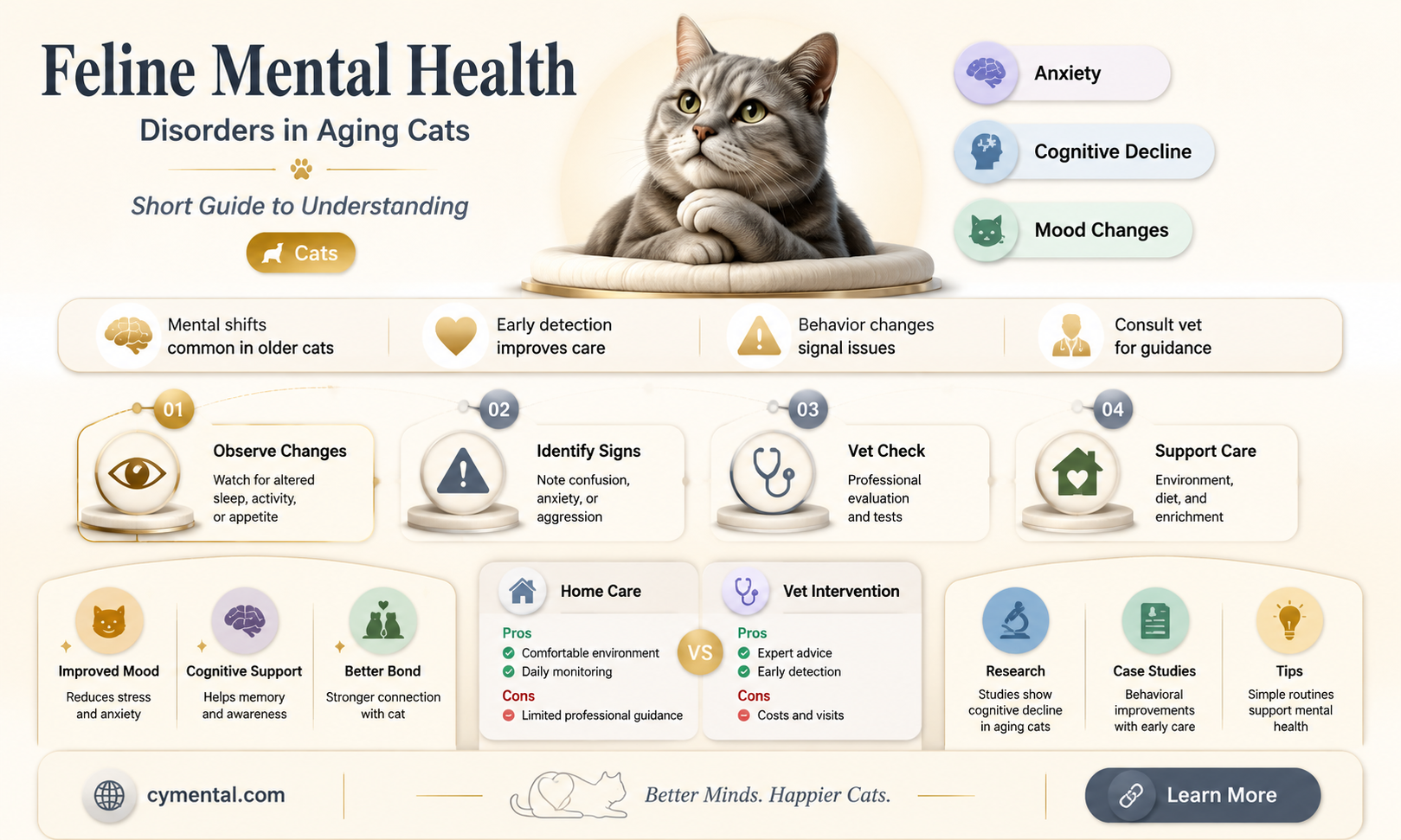
As cats age, they can indeed experience mental disorders similar to those seen in humans. Feline cognitive dysfunction, often referred to as cat dementia, is a common condition in older cats. It can manifest in various ways, including disorientation, changes in behavior, and memory loss. For instance, an affected cat might wander around the house aimlessly, meow excessively, or forget where its food bowl is located. While the exact causes of feline cognitive dysfunction are still being studied, factors such as genetics, diet, and overall health can play a role. It's essential for cat owners to be aware of these potential issues and consult with a veterinarian if they notice any concerning changes in their elderly cat's behavior or cognitive abilities. Early detection and intervention can help manage the symptoms and improve the cat's quality of life.
Explore related products


What You'll Learn
- Feline Cognitive Dysfunction: Similar to Alzheimer's in humans, affecting memory, learning, and behavior in older cats
- Anxiety in Senior Cats: Increased stress levels and anxiety disorders common in aging felines, often due to health issues
- Depression in Elderly Felines: Loss of interest in activities, changes in appetite, and withdrawal can indicate depression in older cats
- Age-Related Behavioral Changes: Normal aging can lead to changes in a cat's behavior, such as increased vocalization or aggression
- Health Issues and Mental Disorders: Chronic health conditions like arthritis, dental problems, or thyroid issues can contribute to mental disorders in senior cats

Feline Cognitive Dysfunction: Similar to Alzheimer's in humans, affecting memory, learning, and behavior in older cats
As cats age, they can experience a decline in cognitive function, a condition known as Feline Cognitive Dysfunction (FCD). This disorder is similar to Alzheimer's disease in humans, affecting memory, learning, and behavior. FCD can manifest in various ways, such as disorientation, changes in social behavior, and decreased ability to learn new tasks.
One of the key indicators of FCD is a cat's inability to recognize familiar people or objects. This can lead to confusion and anxiety, as the cat struggles to navigate its environment. Additionally, affected cats may exhibit changes in their sleep patterns, becoming more restless or sleeping less.
Diagnosing FCD can be challenging, as the symptoms can be subtle and may be attributed to other age-related health issues. Veterinarians often use a combination of physical examinations, behavioral assessments, and diagnostic tests to rule out other conditions and confirm a diagnosis of FCD.
While there is no cure for FCD, there are treatments available to help manage the symptoms and slow the progression of the disease. These may include medications to improve cognitive function, as well as environmental modifications to make the cat's surroundings more familiar and less stressful.
It's important for cat owners to be aware of the signs of FCD and to seek veterinary care if they suspect their cat may be affected. Early diagnosis and treatment can help improve the quality of life for cats with FCD and their caregivers.
Exploring the Complex Intersection of Mental Health and Criminal Responsibility
You may want to see also
Explore related products


Anxiety in Senior Cats: Increased stress levels and anxiety disorders common in aging felines, often due to health issues
As cats age, they may experience increased stress levels and anxiety disorders, which can significantly impact their quality of life. This is often due to health issues that are more prevalent in older felines, such as arthritis, dental problems, or cognitive decline. These conditions can cause pain, discomfort, and confusion, leading to heightened anxiety in senior cats.
One of the challenges in diagnosing anxiety in older cats is that the symptoms can be similar to those of other age-related health issues. For example, a cat with cognitive decline may exhibit signs of anxiety, such as restlessness or agitation, which could be mistaken for the normal aging process. Therefore, it is crucial for pet owners to monitor their senior cats closely and consult with a veterinarian if they notice any significant changes in behavior or mood.
There are several strategies that can help alleviate anxiety in senior cats. First, it is essential to address any underlying health issues that may be contributing to the anxiety. This could involve managing pain through medication or alternative therapies, such as acupuncture or massage. Additionally, providing a stable and predictable environment can help reduce stress levels in older cats. This may include maintaining a consistent routine, minimizing changes to the living space, and providing plenty of hiding spots and comfortable resting areas.
Another effective approach is to use pheromone therapy, which involves using synthetic pheromones to mimic the natural calming signals that cats produce. This can help create a sense of security and reduce anxiety in senior cats. Furthermore, some cats may benefit from the use of calming supplements, such as L-theanine or melatonin, which can help promote relaxation and improve sleep quality.
In conclusion, anxiety in senior cats is a common issue that can have a significant impact on their well-being. By addressing underlying health issues, providing a stable environment, and using pheromone therapy or calming supplements, pet owners can help alleviate anxiety in their aging feline companions and improve their quality of life.
Love Beyond Walls: Marriage Possibilities in Mental Health Facilities
You may want to see also
Explore related products



Depression in Elderly Felines: Loss of interest in activities, changes in appetite, and withdrawal can indicate depression in older cats
As cats age, they may experience a range of physical and emotional changes. One significant concern for elderly felines is the potential for depression. This mental health issue can manifest in various ways, including a loss of interest in activities they once enjoyed, changes in appetite, and increased withdrawal from social interactions. It's essential for cat owners to recognize these signs and understand that depression in older cats is a real and treatable condition.
One unique aspect of depression in elderly cats is the challenge of distinguishing it from other age-related health issues. For instance, a decrease in activity levels could be attributed to arthritis or other physical limitations, while changes in appetite might be linked to dental problems or gastrointestinal issues. Therefore, it's crucial for veterinarians to conduct a thorough physical examination and consider the cat's overall health when diagnosing depression.
Another important consideration is the impact of environmental factors on an elderly cat's mental well-being. Changes in their living situation, such as the loss of a companion animal or a move to a new home, can be particularly stressful for older cats. Additionally, the natural decline in sensory abilities that occurs with aging can make it more difficult for cats to engage with their environment, potentially leading to feelings of isolation and disconnection.
Treatment for depression in elderly cats may involve a combination of approaches. Medication, such as selective serotonin reuptake inhibitors (SSRIs), can be effective in some cases, but it's important to carefully monitor the cat's response and adjust the dosage as needed. Behavioral therapy, including environmental enrichment and social interaction, can also play a crucial role in improving the cat's quality of life. Providing opportunities for gentle play, social interaction with other cats or humans, and stimulating activities can help alleviate symptoms of depression and promote overall well-being.
In conclusion, depression in elderly felines is a complex issue that requires careful consideration of both physical and emotional factors. By recognizing the signs of depression and working closely with a veterinarian, cat owners can help ensure that their aging pets receive the appropriate care and support to maintain a good quality of life.
Navigating Mental Health: A Guide to Getting Evaluated
You may want to see also
Explore related products


Age-Related Behavioral Changes: Normal aging can lead to changes in a cat's behavior, such as increased vocalization or aggression
As cats age, their behavior can undergo significant changes. One common alteration is an increase in vocalization. Older cats may meow more frequently or loudly, sometimes due to hearing loss which makes them less aware of the volume of their own voice. This increased vocalization can be a sign of discomfort, pain, or a desire for attention. It's essential for owners to monitor their aging cat's vocal patterns and consult with a veterinarian if there's a sudden or significant change, as it could indicate an underlying health issue.
Another behavioral change that can occur with aging is increased aggression. This can manifest in various ways, such as hissing, growling, or swatting. Older cats may become more territorial or feel threatened by changes in their environment, leading to aggressive behavior. It's crucial for owners to provide a stable and predictable environment for their aging cats, minimizing changes and providing plenty of hiding spots and vertical spaces where they can feel safe and secure.
In addition to these behavioral changes, older cats may also experience a decline in their cognitive abilities. This can lead to confusion, disorientation, and changes in their daily routines. Owners can help support their aging cat's cognitive health by providing mental stimulation through interactive toys, puzzle feeders, and regular playtime. A diet rich in omega-3 fatty acids and antioxidants can also support cognitive function in older cats.
It's important to note that while these behavioral changes are common in aging cats, they are not inevitable. Many cats will continue to exhibit their typical behavior well into old age. However, being aware of these potential changes can help owners provide the best possible care for their aging feline companions. Regular veterinary check-ups, a balanced diet, and a stimulating environment can all contribute to a happy and healthy old age for cats.
Can Inmates in California Request Mental Health Evaluations?
You may want to see also
Explore related products


Health Issues and Mental Disorders: Chronic health conditions like arthritis, dental problems, or thyroid issues can contribute to mental disorders in senior cats
Chronic health conditions in senior cats, such as arthritis, dental problems, or thyroid issues, can significantly contribute to the development of mental disorders. Arthritis, a common condition in older cats, can lead to pain and reduced mobility, which may result in anxiety or depression due to the cat's inability to engage in normal activities. Dental problems, like tooth decay or gum disease, can cause discomfort and difficulty eating, potentially leading to stress and behavioral changes. Thyroid issues, particularly hyperthyroidism, are prevalent in senior cats and can manifest as anxiety, restlessness, and increased vocalization.
The interplay between physical health and mental well-being in cats is complex. Chronic pain or discomfort can lead to changes in behavior, such as increased aggression, withdrawal, or changes in appetite and sleep patterns. These behavioral changes can be mistaken for age-related decline in mental function, but they may actually be a response to underlying health issues. Therefore, it is crucial for pet owners to monitor their senior cats closely and consult with a veterinarian if they notice any significant changes in behavior or physical condition.
Diagnosing mental disorders in cats, especially those with chronic health conditions, requires a comprehensive approach. Veterinarians will typically conduct a thorough physical examination, review the cat's medical history, and possibly perform diagnostic tests to rule out other health issues. Behavioral assessments and observations at home can also provide valuable insights into the cat's mental state. Treatment may involve a combination of medication, dietary changes, environmental modifications, and behavioral therapy, depending on the specific condition and the cat's overall health.
Preventive care is key in managing the risk of mental disorders in senior cats. Regular veterinary check-ups can help detect and manage chronic health conditions early on, potentially reducing the likelihood of mental health issues. Providing a comfortable and stimulating environment, ensuring proper nutrition, and engaging in regular play and interaction can also support a cat's mental well-being as they age. By addressing both physical and mental health needs, pet owners can help their senior cats maintain a good quality of life.
Recognizing the Signs: Am I Experiencing Mental Abuse?
You may want to see also
Frequently asked questions
Yes, cats can develop mental disorders as they age. Common issues include cognitive dysfunction, anxiety, and depression. Signs may include confusion, disorientation, changes in behavior, and decreased interaction with their environment.
Symptoms of cognitive dysfunction in older cats can include memory loss, confusion, disorientation, changes in appetite and sleep patterns, and decreased ability to learn new things. Cats may also show a decline in their ability to navigate their environment or recognize familiar people and animals.
If you suspect your older cat has a mental disorder, it's important to consult with a veterinarian. They can perform a thorough examination and recommend appropriate treatment, which may include medication, behavioral therapy, or environmental changes to help improve your cat's quality of life.