Lucas Bennett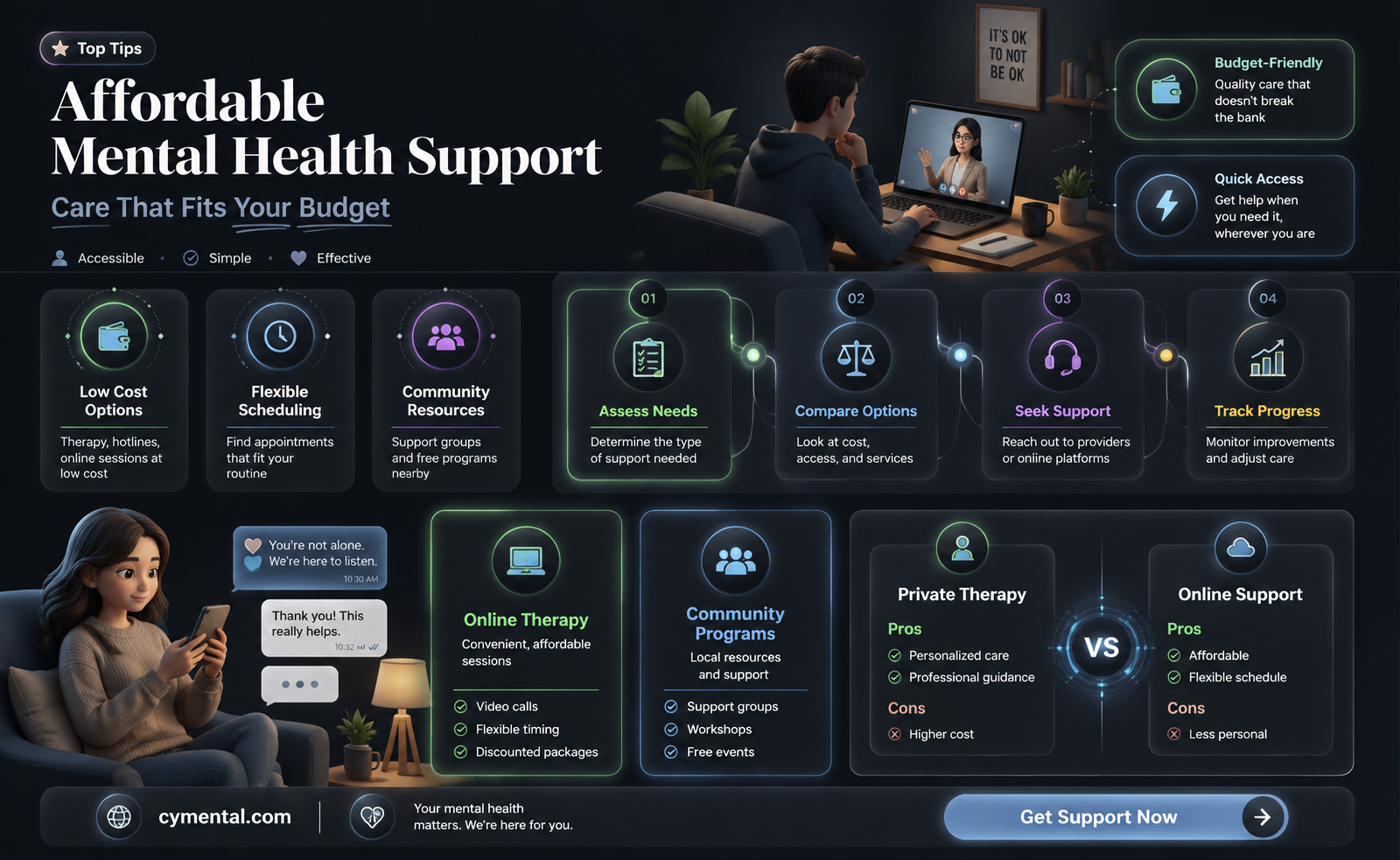
Access to affordable mental health care remains a critical yet often overlooked issue, as many individuals struggle to find adequate support within their financial means. The rising costs of therapy, medication, and specialized treatments can create significant barriers, leaving those in need feeling overwhelmed and unsupported. While mental health awareness has grown, the disparity between available resources and affordability persists, particularly for low-income individuals or those without comprehensive insurance. This challenge highlights the urgent need for systemic changes, such as expanded insurance coverage, sliding-scale payment options, and community-based programs, to ensure that everyone, regardless of their financial situation, can access the mental health care they deserve.
Explore related products


What You'll Learn
- Sliding Scale Therapy Options: Affordable counseling based on income, reducing costs for low-income individuals
- Community Mental Health Centers: Non-profit clinics offering low-cost or free mental health services
- Online Therapy Platforms: Budget-friendly virtual counseling with flexible payment plans and subscriptions
- Support Groups & Hotlines: Free peer-led groups and crisis hotlines for immediate emotional support
- Insurance Coverage Tips: Maximizing mental health benefits and understanding copays for affordable care

Sliding Scale Therapy Options: Affordable counseling based on income, reducing costs for low-income individuals
Access to mental health care often hinges on affordability, a barrier that sliding scale therapy options aim to dismantle. This model adjusts counseling fees based on an individual’s income, ensuring that low-income individuals can access quality care without financial strain. For example, a therapist might charge a client earning $30,000 annually $50 per session, while a client earning $80,000 might pay $120. This flexible pricing structure bridges the gap between need and cost, making therapy a viable option for those who might otherwise forgo it.
Implementing sliding scale therapy requires transparency and trust between the therapist and client. Therapists typically assess income through a brief application or conversation, ensuring the fee is fair and sustainable for both parties. Clients must be honest about their financial situation to benefit fully from this system. For instance, a single parent working part-time might qualify for a significantly reduced rate, while a freelancer with fluctuating income could negotiate a rate that reflects their average monthly earnings. This personalized approach fosters inclusivity and reduces the stigma of seeking help.
One challenge of sliding scale therapy is its availability, as not all therapists or clinics offer this option. However, resources like Open Path Collective and local community mental health centers often provide sliding scale services. Prospective clients can also inquire directly with therapists during initial consultations. Additionally, telehealth platforms have expanded access, allowing individuals in rural or underserved areas to connect with affordable providers. For those on tight budgets, group therapy sessions or workshops may offer a cost-effective alternative, though they lack the individualized focus of one-on-one counseling.
The long-term benefits of sliding scale therapy extend beyond individual well-being. By making mental health care accessible, this model contributes to healthier communities and reduces societal costs associated with untreated mental illness. For low-income individuals, consistent therapy can improve job performance, relationships, and overall quality of life. While it may require research and advocacy to find the right provider, sliding scale therapy proves that affordable, adequate mental health care is not only possible but essential.
Teen Mental Health Support: Confidential Options Without Parental Involvement
You may want to see also
Explore related products


Community Mental Health Centers: Non-profit clinics offering low-cost or free mental health services
Access to affordable mental health care remains a critical challenge for many, but community mental health centers offer a beacon of hope. These non-profit clinics are designed to bridge the gap between need and affordability, providing low-cost or free services to individuals who might otherwise go without care. Unlike private practices, which often charge fees that are out of reach for low-income individuals, community centers operate on a sliding scale or fee-waiver system, ensuring that financial barriers do not prevent access to therapy, counseling, or psychiatric services. For example, a single parent earning minimum wage might pay as little as $10 per session, while someone with no income could receive services at no cost. This model prioritizes equity, making mental health care a right rather than a privilege.
One of the most compelling aspects of community mental health centers is their integration into the local fabric. These centers often partner with schools, churches, and social service agencies to identify and serve those in need. For instance, a center in a low-income neighborhood might offer walk-in crisis counseling, group therapy sessions for teens, or workshops on stress management for adults. This community-based approach not only reduces stigma but also ensures that services are culturally sensitive and tailored to the specific needs of the population. A study by the Substance Abuse and Mental Health Services Administration (SAMHSA) found that such localized efforts increase treatment adherence by 30%, as individuals feel more connected to their care providers.
However, navigating the system can be daunting for first-time users. To access services, start by locating a community mental health center near you—many states have directories available online. During your initial visit, be prepared to provide proof of income, as this will determine your fee structure. It’s also helpful to come with a list of concerns or symptoms, as this will guide the intake process. For those hesitant to seek help, remember that these centers often offer anonymous support groups or peer-led programs, which can be a less intimidating first step. Additionally, many centers provide telehealth options, making it easier for individuals with transportation or mobility challenges to receive care.
Despite their benefits, community mental health centers face challenges that can impact service quality. Funding is often limited, leading to long wait times or reduced hours of operation. To mitigate this, some centers prioritize urgent cases, such as individuals experiencing suicidal ideation or severe anxiety. If you’re in a non-emergency situation, consider asking about waitlist options or exploring complementary resources like free online therapy platforms or local support groups. Advocacy is also key—supporting policies that increase funding for these centers can help ensure their long-term sustainability and expand their reach.
In conclusion, community mental health centers are a vital resource for affordable, accessible care. By leveraging their sliding-scale fees, community partnerships, and diverse service offerings, these non-profit clinics make mental health support attainable for those who need it most. While challenges remain, their impact is undeniable, offering a lifeline to individuals who might otherwise fall through the cracks. Whether you’re seeking help for yourself or a loved one, these centers provide a starting point for healing that doesn’t break the bank.
Art's Healing Power: Boosting Mental Health Through Creativity
You may want to see also
Explore related products





Online Therapy Platforms: Budget-friendly virtual counseling with flexible payment plans and subscriptions
The rise of online therapy platforms has revolutionized access to mental health care, making it more affordable and convenient than traditional in-person sessions. These platforms offer a range of pricing models, from pay-per-session options to monthly subscriptions, often at a fraction of the cost of face-to-face therapy. For instance, platforms like BetterHelp and Talkspace provide unlimited messaging with a licensed therapist starting at $60–$90 per week, billed monthly. This flexibility allows users to choose a plan that fits their budget without compromising on quality.
Consider the financial barriers many face when seeking mental health support. Traditional therapy sessions can range from $100 to $250 per hour, making long-term care unsustainable for those on tight budgets. Online platforms address this by offering sliding scale fees, financial aid, or discounted rates for students and low-income individuals. For example, Open Path Collective connects users with therapists who charge $30–$60 per session, while platforms like 7 Cups provide peer support for as little as $150 per month. These options ensure that cost is no longer a prohibitive factor in accessing care.
One of the most appealing aspects of online therapy platforms is their subscription-based model, which often includes additional resources like self-guided courses, meditation tools, and progress tracking. For instance, Calm and Headspace, while primarily focused on mindfulness, offer therapy subscriptions that bundle counseling with their extensive libraries of mental wellness content. This holistic approach not only makes therapy more affordable but also empowers users to take an active role in their mental health journey.
However, it’s crucial to evaluate the value of these platforms beyond their price tags. While budget-friendly, some may lack specialized care for complex conditions like severe depression or PTSD. Users should research therapists’ credentials, read reviews, and ensure the platform aligns with their specific needs. Additionally, those with limited internet access or tech-savvy may find virtual therapy less accessible. Despite these considerations, online therapy platforms remain a game-changer for many, offering a cost-effective, flexible, and stigma-free way to prioritize mental well-being.
Moving Out: A Mental Health Boost or Added Stress?
You may want to see also
Explore related products


Support Groups & Hotlines: Free peer-led groups and crisis hotlines for immediate emotional support
In moments of crisis, the immediacy of support can be a lifeline. Crisis hotlines offer 24/7 access to trained volunteers or professionals who provide confidential, non-judgmental assistance for individuals experiencing emotional distress, suicidal thoughts, or mental health emergencies. For example, the National Suicide Prevention Lifeline (988 in the U.S.) connects callers to a network of crisis centers, while Crisis Text Line (text HOME to 741741) offers silent, text-based support for those who prefer not to speak. These services are free, anonymous, and available to anyone, regardless of age or background.
While hotlines address immediate needs, peer-led support groups provide ongoing emotional sustenance through shared experiences. Organizations like Depression and Bipolar Support Alliance (DBSA) and National Alliance on Mental Illness (NAMI) host free, peer-facilitated groups where individuals can discuss challenges, exchange coping strategies, and build community. Unlike therapy, these groups emphasize mutual understanding and collective resilience, making them accessible and affordable alternatives for long-term support. For instance, DBSA’s peer-led model ensures participants feel heard by someone who’s “been there,” fostering a sense of belonging and hope.
Choosing between a hotline and a support group depends on the nature of your need. Hotlines are ideal for acute crises—when you’re overwhelmed, suicidal, or need someone to talk to immediately. They’re structured to de-escalate situations and provide actionable next steps, such as local resources or safety planning. In contrast, support groups are better suited for chronic struggles, offering a space to process emotions, learn from others, and develop coping mechanisms over time. For example, a person managing anxiety might call a hotline during a panic attack but attend weekly NAMI meetings to build long-term resilience.
Practical tips can maximize the effectiveness of these resources. When using a hotline, speak openly about your feelings—the more information you provide, the better the support. If you’re nervous about calling, practice what you want to say beforehand or write it down. For support groups, attend consistently to build trust and rapport with the group. If you’re unsure about a specific group, try a few sessions before deciding if it’s the right fit. Both options are free, but their value lies in their ability to provide immediate relief or sustained connection, depending on your needs.
Ultimately, support groups and hotlines democratize mental health care by removing financial barriers and offering accessible, human-centered support. They’re not substitutes for professional therapy or medication but serve as vital complements, especially for those who cannot afford traditional care. By leveraging these resources, individuals can find solace in shared humanity, whether in a moment of crisis or during the slow work of healing. The key is knowing they exist and understanding how to use them effectively.
Acupuncture and Mental Health: A Natural Path to Wellness?
You may want to see also
Explore related products


Insurance Coverage Tips: Maximizing mental health benefits and understanding copays for affordable care
Navigating insurance coverage for mental health can feel like deciphering a complex code, but understanding your benefits and copays is crucial for accessing affordable care. Start by reviewing your policy’s Summary of Benefits and Coverage (SBC), a document that outlines what services are covered, including therapy sessions, psychiatric consultations, and medication management. Look for terms like "parity," which ensures mental health coverage is equal to physical health coverage under federal law. If your plan uses a copay structure, note the fixed amount you’ll pay per visit—typically $20 to $50 for in-network providers. For example, a plan might cover 80% of the cost after a $30 copay, leaving you with a manageable out-of-pocket expense. Knowing these details upfront empowers you to budget effectively and avoid unexpected bills.
Next, maximize your benefits by staying in-network whenever possible. Insurance companies negotiate lower rates with in-network providers, reducing your copay and overall costs. Use your insurer’s online provider directory to find mental health professionals within your network. If you prefer a specific therapist who is out-of-network, check if your plan offers out-of-network reimbursement. Some policies cover a percentage of out-of-network costs, though you’ll likely pay more upfront. For instance, a $150 session might be reimbursed at 50%, leaving you responsible for $75. Additionally, consider telehealth options, which many insurers now cover at the same rate as in-person visits, expanding your access to affordable care.
Understanding copays is only part of the equation; deductibles and coinsurance also play a significant role in affordability. A deductible is the amount you must pay out-of-pocket before insurance kicks in, while coinsurance is the percentage of costs you share after the deductible is met. For example, if your plan has a $1,000 deductible and 20% coinsurance, you’ll pay the first $1,000 of mental health expenses, then 20% of subsequent costs until you reach your out-of-pocket maximum. To minimize expenses, schedule higher-cost services like psychiatric evaluations early in the year to meet your deductible faster. Keep detailed records of payments and services to track progress toward your out-of-pocket limit, ensuring you don’t overpay.
Finally, leverage additional resources to supplement your insurance coverage. Many employers offer Employee Assistance Programs (EAPs) that provide free, short-term counseling sessions. Nonprofit organizations and community health centers often offer sliding-scale fees based on income, making therapy more accessible. For medication management, ask your psychiatrist about generic prescriptions, which can cost 80–85% less than brand-name drugs. Some pharmaceutical companies also offer patient assistance programs for those without adequate coverage. By combining insurance benefits with these resources, you can create a comprehensive and affordable mental health care plan tailored to your needs.
Seeking Support: Discovering Accessible Resources for Guidance and Assistance
You may want to see also
Frequently asked questions
Start by checking community health centers, non-profit organizations, and sliding-scale clinics that offer services based on income. Online platforms like Open Path Collective or TherapyDen also list affordable therapists. Additionally, contact your insurance provider to explore covered options or inquire about employee assistance programs (EAPs) if available.
Yes, many free resources exist, such as crisis hotlines (e.g., 988 Suicide & Crisis Lifeline), support groups (e.g., NAMI or AA), and online therapy platforms with free trials. Some universities offer low-cost or free counseling through their psychology training programs.
Yes, most insurance plans cover mental health services, but coverage varies. Review your policy details, check for in-network providers, and verify if telehealth options are included. If uninsured, explore Medicaid or state-funded programs for low-cost or free care.
Look for community-based programs, faith-based organizations, or peer support groups that offer free or low-cost assistance. Apps like Calm or Headspace provide affordable self-help tools, and some therapists offer pro bono sessions or payment plans. Additionally, consider group therapy, which is often more affordable than individual sessions.


![Help![Blu-ray]](https://m.media-amazon.com/images/I/6155cLsT0HL._AC_UY218_.jpg)