Harper Lewis
Creatine, a well-known supplement primarily associated with enhancing physical performance and muscle strength, has recently garnered attention for its potential benefits on mental health. Emerging research suggests that creatine may play a role in supporting cognitive function, mood regulation, and overall brain health. Studies indicate that it could improve memory, attention, and problem-solving abilities, particularly under conditions of stress or sleep deprivation. Additionally, creatine’s neuroprotective properties may offer benefits for conditions like depression, anxiety, and even neurodegenerative diseases. While the evidence is still growing, these findings raise intriguing possibilities for creatine as a complementary approach to mental health support, alongside traditional treatments.
| Characteristics | Values |
|---|---|
| Cognitive Function | Some studies suggest creatine supplementation may improve memory, attention, and problem-solving skills, particularly in vegetarians, the elderly, or those with low baseline creatine levels. |
| Mood & Depression | Preliminary research indicates potential benefits for depressive symptoms, possibly due to increased dopamine levels and improved mitochondrial function. More research is needed. |
| Stress & Anxiety | Limited evidence suggests creatine might reduce stress hormone levels and improve resilience to stress, but further studies are required. |
| Neuroprotection | Creatine's antioxidant and energy-boosting properties may offer neuroprotective effects against neurodegenerative diseases like Parkinson's and Alzheimer's, though research is still in early stages. |
| Mechanism of Action | Creatine likely exerts its potential mental health benefits through increased ATP production, enhanced mitochondrial function, and potential modulation of neurotransmitter systems. |
| Dosage | Common dosage is 3-5 grams per day, with loading phases of 20 grams/day for 5-7 days sometimes used. |
| Safety | Generally considered safe for healthy individuals, but consult a doctor before use, especially if pregnant, breastfeeding, or having kidney problems. |
| Limitations | Most studies are small and short-term. More large-scale, long-term research is needed to confirm findings and understand optimal dosage and duration. |
Explore related products


What You'll Learn

Creatine's impact on cognitive function and brain health
Creatine, a compound renowned for its role in muscle energy production, has emerged as a potential ally in cognitive function and brain health. Research indicates that creatine supplementation may enhance memory, attention, and problem-solving abilities, particularly in individuals with low baseline creatine levels. A study published in the *Journal of Environmental and Experimental Psychology* found that vegetarians, who typically have lower creatine stores, experienced significant improvements in working memory tasks after just four weeks of 5g daily creatine supplementation. This suggests that creatine’s cognitive benefits may be most pronounced in those with dietary deficiencies or increased mental demands.
To harness creatine’s cognitive benefits, consider starting with a loading phase of 20g per day, divided into 4x5g doses, for 5–7 days, followed by a maintenance dose of 3–5g daily. This regimen ensures rapid saturation of brain creatine stores, optimizing its availability for cognitive processes. However, it’s crucial to stay hydrated, as creatine draws water into cells, and consult a healthcare provider if you have kidney concerns or are taking medications. For older adults, creatine may also counteract age-related cognitive decline by supporting mitochondrial function and reducing oxidative stress in the brain.
Comparatively, creatine’s impact on brain health extends beyond cognition. Animal studies have shown that creatine supplementation can protect neurons from damage caused by ischemia, trauma, or neurotoxicity. In humans, preliminary research suggests it may mitigate symptoms of depression and anxiety by modulating dopamine and serotonin levels. While more clinical trials are needed, these findings position creatine as a multifaceted tool for both cognitive enhancement and neurological resilience.
A practical tip for integrating creatine into your routine is to pair it with a carbohydrate or protein source, as insulin spikes can enhance its absorption. Additionally, combining creatine with alpha-lipoic acid or coenzyme Q10 may amplify its neuroprotective effects. For students, athletes, or professionals seeking a mental edge, creatine offers a safe, cost-effective strategy to support brain health and cognitive performance, provided it’s used thoughtfully and consistently.
Effective Strategies to Support and Empower Individuals in Need
You may want to see also
Explore related products


Role of creatine in reducing stress and anxiety symptoms
Creatatine, a compound well-known for its role in enhancing physical performance, has emerged as a potential ally in the battle against stress and anxiety. Research suggests that creatine supplementation may influence brain function by increasing phosphocreatine stores, which can improve energy availability in the brain. This is particularly relevant during periods of stress, when the brain’s energy demands spike. A study published in *Experimental Neurology* found that creatine supplementation reduced symptoms of anxiety in animal models exposed to chronic stress, highlighting its neuroprotective effects. For individuals grappling with stress-induced mental fatigue, incorporating creatine into their regimen could offer a tangible way to bolster resilience.
To harness creatine’s stress-reducing potential, consider starting with a loading phase of 20 grams per day, divided into 4 doses of 5 grams each, for 5–7 days. This is followed by a maintenance dose of 3–5 grams daily. While creatine is generally safe for adults, it’s advisable to consult a healthcare provider, especially if you have pre-existing kidney conditions or are taking medications. Pairing creatine with a balanced diet rich in omega-3 fatty acids and magnesium can enhance its efficacy, as these nutrients synergistically support brain health. Avoid excessive caffeine intake, as it may counteract creatine’s calming effects by overstimulating the nervous system.
Comparatively, while traditional anxiety treatments like SSRIs or therapy target neurotransmitter imbalances, creatine works by addressing the brain’s energy metabolism. This makes it a complementary option rather than a standalone solution. For instance, a 2019 study in *Psychopharmacology* demonstrated that creatine, when combined with cognitive-behavioral therapy, significantly improved anxiety symptoms in young adults compared to therapy alone. This suggests that creatine’s role in stress reduction is most potent when integrated into a holistic approach, rather than relied upon in isolation.
Practically, incorporating creatine into a stress management routine requires consistency and mindfulness. For those in high-stress professions or academic environments, taking creatine in the morning or pre-workout can help maintain mental clarity throughout the day. However, it’s crucial to monitor how your body responds, as individual reactions vary. Some users report mild side effects like bloating or gastrointestinal discomfort, which can often be mitigated by staying hydrated and taking creatine with meals. Ultimately, creatine’s ability to reduce stress and anxiety symptoms lies in its capacity to support the brain’s energy needs, making it a valuable tool for those seeking to fortify their mental health.
Seeking Mental Health Support: Can 111 Be a Helpful Resource?
You may want to see also
Explore related products


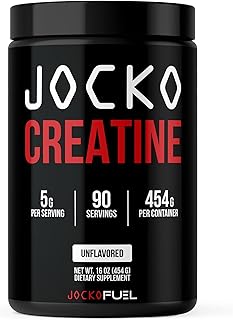


Potential benefits for depression and mood regulation
Creatine, a compound well-known for its role in enhancing physical performance, has emerged as a potential ally in the realm of mental health, particularly in addressing depression and mood regulation. Research suggests that creatine may influence brain function by supporting energy metabolism in neurons, which could have a stabilizing effect on mood. Studies have shown that individuals with depression often exhibit lower levels of phosphocreatine in their brains, a marker that creatine supplementation might help restore. This biochemical link opens the door to exploring creatine as a complementary approach to traditional treatments.
To harness creatine’s potential benefits for mood regulation, consider starting with a daily dose of 3–5 grams, a range commonly used in studies. This dosage is generally well-tolerated and can be taken with or without food. For those already undergoing treatment for depression, it’s crucial to consult a healthcare provider before adding creatine to your regimen, as it may interact with certain medications or conditions. Consistency is key; allow 2–4 weeks for noticeable effects, as creatine’s impact on brain function builds over time. Pairing supplementation with a balanced diet rich in omega-3 fatty acids and regular physical activity can further enhance its mood-stabilizing effects.
A comparative analysis of creatine’s role in mental health reveals its unique position among supplements. Unlike antidepressants, which primarily target neurotransmitters like serotonin, creatine works at the cellular level by improving energy availability in the brain. This mechanism may explain why some studies report improvements in fatigue and motivation among depressed individuals taking creatine. However, it’s not a standalone solution. Creatine’s benefits are most pronounced when combined with other therapeutic strategies, such as cognitive-behavioral therapy or medication, making it a valuable adjunct rather than a replacement.
Practical tips for incorporating creatine into a mental health routine include monitoring for side effects, such as mild gastrointestinal discomfort or weight gain due to water retention, which are typically temporary. For older adults or individuals with kidney concerns, lower doses (2–3 grams daily) are advisable. Creatine monohydrate, the most researched form, is the recommended choice for mental health applications. Keep in mind that while creatine shows promise, it’s not a cure-all. Its effectiveness varies by individual, and ongoing research is needed to fully understand its role in depression and mood regulation.
Arrested or Assisted: Mental Illness and the Justice System's Dilemma
You may want to see also
Explore related products
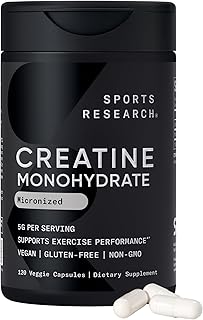


Creatine supplementation for memory and learning enhancement
Creatine, a compound renowned for its role in muscle energy production, has emerged as a potential cognitive enhancer, particularly in the realms of memory and learning. Research suggests that creatine supplementation may improve brain function by enhancing phosphocreatine stores, which are crucial for rapid ATP regeneration in the brain. This mechanism could support cognitive processes that require quick energy, such as memory formation and retrieval. Studies have shown that creatine supplementation can lead to measurable improvements in tasks requiring short-term memory and reasoning skills, especially in individuals with lower baseline creatine levels, such as vegetarians or older adults.
To harness these benefits, a typical creatine supplementation regimen involves a loading phase of 20 grams per day, divided into 4 doses of 5 grams each, for 5–7 days. This is followed by a maintenance phase of 3–5 grams per day. For cognitive enhancement, consistency is key; daily supplementation over several weeks to months is necessary to observe significant effects. It’s important to note that creatine is most effective when paired with a balanced diet and adequate hydration, as it draws water into muscle and brain cells. While generally safe, individuals with kidney issues or those taking medications should consult a healthcare provider before starting supplementation.
One compelling area of research focuses on creatine’s impact on learning in specific populations, such as students or older adults experiencing age-related cognitive decline. For instance, a study published in *Experimental Gerontology* found that creatine supplementation improved memory and intelligence test scores in elderly individuals. Similarly, younger adults undergoing cognitively demanding tasks, like exams or intense study sessions, may benefit from creatine’s ability to sustain mental energy and focus. Practical tips include taking creatine with a carbohydrate-rich meal to enhance absorption and monitoring hydration levels to avoid potential side effects like bloating.
Comparatively, creatine stands out among nootropics for its dual benefits in physical and cognitive performance. Unlike stimulants or other cognitive enhancers, creatine works at a cellular level to support energy metabolism, making it a versatile supplement for those seeking holistic improvement. However, its effects are subtle and may not be as immediately noticeable as those of caffeine or other quick-acting substances. For optimal results, combining creatine with other brain-boosting strategies, such as regular exercise, adequate sleep, and a nutrient-rich diet, can amplify its cognitive benefits.
In conclusion, creatine supplementation offers a promising avenue for enhancing memory and learning, particularly in populations with suboptimal creatine levels or high cognitive demands. By understanding its mechanisms, following proper dosing guidelines, and integrating it into a comprehensive lifestyle approach, individuals can maximize its potential as a cognitive enhancer. While more research is needed to fully explore its long-term effects, current evidence supports creatine as a safe and effective tool for those looking to sharpen their mental edge.
Comic Books and Cartoons: Unlocking Mental Health Benefits Through Art
You may want to see also
Explore related products


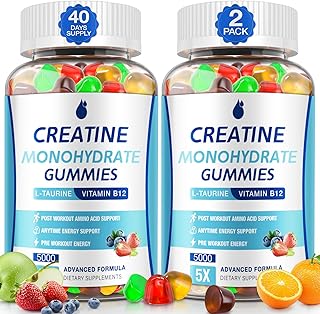


Effects of creatine on fatigue and mental energy levels
Creatine, a compound renowned for its role in enhancing physical performance, has emerged as a potential ally in combating mental fatigue and boosting cognitive energy. Research suggests that creatine supplementation may improve mental fatigue resistance, particularly in scenarios demanding sustained cognitive effort. A study published in *Psychopharmacology* found that participants who took 5 grams of creatine daily for six weeks exhibited better performance on tasks requiring prolonged mental focus compared to a placebo group. This effect is attributed to creatine’s ability to enhance ATP (adenosine triphosphate) production in the brain, which fuels neural activity and supports mental stamina.
For individuals experiencing chronic fatigue or those in high-stress environments, incorporating creatine into their routine could be a practical strategy. The recommended dosage for cognitive benefits typically ranges from 3 to 5 grams per day, taken consistently over several weeks to allow for adequate brain saturation. It’s important to note that while creatine is generally safe, individuals with kidney issues or those taking certain medications should consult a healthcare provider before starting supplementation. Pairing creatine with a balanced diet rich in omega-3 fatty acids and antioxidants may further amplify its cognitive benefits.
Comparatively, creatine’s impact on mental energy levels stands out when contrasted with stimulants like caffeine. While caffeine provides a short-term boost by blocking adenosine receptors, creatine works at a cellular level to sustain energy production, offering a more stable and prolonged effect. This makes it particularly beneficial for tasks requiring extended mental endurance, such as studying for exams or managing long workdays. Unlike caffeine, creatine does not lead to jitters or crashes, making it a favorable option for those sensitive to stimulants.
A descriptive lens reveals that creatine’s benefits extend beyond athletes to professionals, students, and anyone seeking to optimize mental clarity and resilience. Imagine a scenario where a student, after weeks of creatine supplementation, notices improved focus during late-night study sessions or a professional maintaining sharp decision-making abilities during back-to-back meetings. These real-world applications highlight creatine’s potential as a tool for enhancing mental energy in diverse contexts.
In conclusion, creatine’s role in mitigating mental fatigue and elevating energy levels is supported by both scientific research and practical applications. By understanding its mechanisms, appropriate dosages, and comparative advantages, individuals can strategically incorporate creatine into their routines to support cognitive endurance. Whether for academic, professional, or personal pursuits, creatine offers a promising avenue for those seeking to sustain mental vitality in an increasingly demanding world.
Finding Support: Where to Get Mental Health Help and Resources
You may want to see also
Frequently asked questions
Yes, creatine has been shown to enhance cognitive function, particularly in tasks requiring short-term memory, reasoning, and problem-solving, especially in individuals with low dietary creatine intake or during periods of sleep deprivation or stress.
Some studies suggest creatine may have mood-enhancing effects, particularly when used as an adjunct to antidepressant medication. It is thought to support dopamine and serotonin function, though more research is needed for definitive conclusions.
Creatine may reduce mental fatigue by improving energy availability in the brain, particularly during prolonged mental tasks or in individuals with high cognitive demands, such as students or professionals.
Creatine is generally safe for most people when taken in recommended doses (3–5 grams daily). Side effects are rare but may include mild gastrointestinal discomfort, weight gain due to water retention, or dehydration if fluid intake is insufficient.
Preliminary research suggests creatine may have neuroprotective properties and could potentially slow cognitive decline in neurodegenerative diseases, but more clinical trials are needed to confirm its efficacy and safety in these populations.