Harper Lewis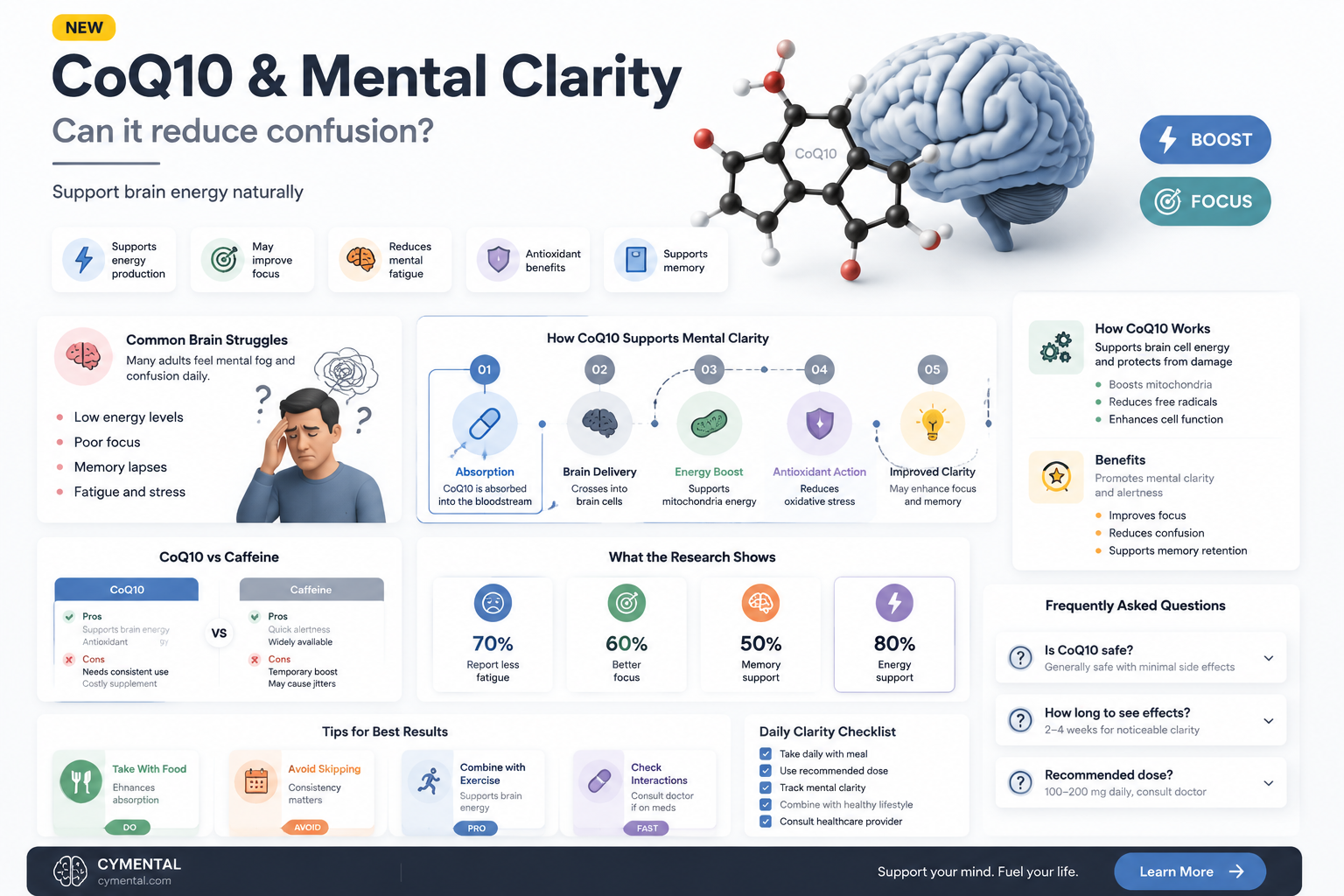
Coenzyme Q10 (CoQ10), a naturally occurring antioxidant involved in energy production within cells, has garnered attention for its potential role in supporting cognitive health. Recent studies suggest that CoQ10 may help alleviate mental confusion, particularly in individuals with conditions linked to mitochondrial dysfunction or oxidative stress, such as aging, neurodegenerative diseases, or certain medications. By enhancing cellular energy metabolism and reducing oxidative damage, CoQ10 may improve brain function and clarity. However, while preliminary findings are promising, more research is needed to fully understand its efficacy and mechanisms in addressing mental confusion.
| Characteristics | Values |
|---|---|
| Definition of CoQ10 | Coenzyme Q10 (CoQ10) is a naturally occurring antioxidant produced by the body, essential for energy production in cells. |
| Role in Brain Health | Supports mitochondrial function, reduces oxidative stress, and may improve neuronal health. |
| Potential for Mental Confusion | Some studies suggest CoQ10 may help reduce cognitive decline and improve mental clarity, particularly in conditions like Parkinson’s disease or aging-related cognitive impairment. |
| Scientific Evidence | Limited but promising; some studies show CoQ10 supplementation may improve cognitive function, though results are not conclusive. |
| Mechanism of Action | Acts as an antioxidant, protects brain cells from damage, and enhances ATP production in mitochondria. |
| Dosage for Cognitive Benefits | Typically 100–200 mg/day, but varies based on individual needs and health conditions. |
| Safety Profile | Generally safe with minimal side effects (e.g., mild gastrointestinal issues). |
| Populations Benefiting Most | Older adults, individuals with mitochondrial disorders, or those with neurodegenerative conditions. |
| Limitations | Not a standalone treatment for mental confusion; works best as a supplement to other therapies. |
| Need for Further Research | More large-scale, long-term studies are needed to confirm its efficacy in treating mental confusion. |
Explore related products




What You'll Learn

CoQ10's Role in Brain Energy Production
CoQ10, or coenzyme Q10, is a vital molecule that plays a central role in the mitochondria, often referred to as the "powerhouses" of cells. In the brain, where energy demands are exceptionally high, CoQ10 is essential for producing adenosine triphosphate (ATP), the primary energy currency of cells. Without adequate CoQ10, mitochondrial function declines, leading to reduced energy availability in neurons. This deficiency has been linked to cognitive impairments, including mental confusion, particularly in aging populations or individuals with neurological conditions.
Consider the brain’s energy requirements: it consumes approximately 20% of the body’s total energy despite accounting for only 2% of body weight. CoQ10 supports this demand by facilitating the electron transport chain, a critical process in ATP synthesis. Studies suggest that CoQ10 levels naturally decline with age, which may contribute to age-related cognitive decline. For instance, a 2018 study published in *Nutrients* found that older adults with higher CoQ10 levels exhibited better cognitive performance compared to those with lower levels. This highlights the importance of maintaining optimal CoQ10 levels for brain health.
For those considering CoQ10 supplementation to address mental confusion or cognitive decline, dosage is key. Clinical trials often use doses ranging from 100 to 300 mg per day, with ubiquinol (the active form of CoQ10) being more bioavailable, especially for older adults. However, supplementation should be approached cautiously, particularly for individuals on blood-thinning medications or those with liver conditions. Consulting a healthcare provider is essential to determine the appropriate dosage and ensure safety.
Practical tips for maximizing CoQ10’s benefits include pairing it with healthy fats, as it is fat-soluble, and incorporating foods rich in CoQ10, such as fatty fish, organ meats, and whole grains. Additionally, lifestyle factors like regular exercise and a balanced diet can enhance mitochondrial function and complement CoQ10’s role in brain energy production. While CoQ10 is not a cure-all, its role in supporting mitochondrial health makes it a valuable consideration for individuals experiencing mental confusion or seeking to preserve cognitive function.
Social Media's Role in Supporting Mental Health and Well-being
You may want to see also
Explore related products




Impact on Cognitive Function and Clarity
Coenzyme Q10 (CoQ10) is a naturally occurring compound that plays a crucial role in cellular energy production, particularly within the mitochondria. Its potential to enhance cognitive function and mental clarity has garnered attention, especially in populations experiencing age-related cognitive decline or conditions like mild cognitive impairment (MCI). Studies suggest that CoQ10 may improve mitochondrial efficiency, reducing oxidative stress and inflammation—factors linked to cognitive deterioration. For instance, a 2015 study published in the *Journal of Clinical Psychopharmacology* found that participants with MCI who took 200 mg of CoQ10 daily for 40 weeks showed significant improvements in memory and attention compared to a placebo group.
To maximize CoQ10’s impact on cognitive clarity, consider its bioavailability. CoQ10 exists in two forms: ubiquinone and ubiquinol, with the latter being more readily absorbed, particularly in older adults or those with metabolic conditions. Pairing CoQ10 with healthy fats, such as avocado or olive oil, can further enhance absorption. For adults over 50, a daily dose of 100–200 mg is often recommended, though consulting a healthcare provider is essential to tailor dosage to individual needs. Combining CoQ10 with other cognitive-supportive nutrients like omega-3 fatty acids or vitamin D may amplify its benefits, creating a synergistic effect on brain health.
While CoQ10 shows promise, its effectiveness varies based on the root cause of mental confusion. For example, individuals with mitochondrial disorders or statin-induced CoQ10 depletion may experience more pronounced benefits. Conversely, those with confusion stemming from non-mitochondrial causes, such as medication side effects or sleep disorders, may see limited improvement. It’s critical to address underlying issues alongside supplementation. Practical tips include maintaining a balanced diet, staying hydrated, and engaging in regular physical activity to support overall cognitive function while using CoQ10 as a complementary tool.
A comparative analysis highlights CoQ10’s advantages over other cognitive supplements. Unlike stimulants like caffeine, which provide temporary focus, CoQ10 targets cellular health for sustained clarity. Compared to ginkgo biloba, CoQ10’s mechanism is more directly tied to energy metabolism, making it particularly beneficial for age-related cognitive decline. However, its effects are gradual, requiring consistent use for 8–12 weeks to notice improvements. For those seeking immediate results, combining CoQ10 with short-term cognitive enhancers may be a strategic approach, though long-term reliance on quick-fix solutions is discouraged.
In conclusion, CoQ10’s impact on cognitive function and clarity is rooted in its ability to optimize mitochondrial health and combat oxidative stress. While not a universal solution, it offers a promising avenue for individuals with specific cognitive challenges, particularly when paired with lifestyle adjustments and proper dosing. As research evolves, CoQ10 remains a valuable addition to the toolkit for maintaining and enhancing mental clarity, especially in aging populations or those with mitochondrial-related cognitive issues.
Effective Strategies to Support and Empower Individuals in Need
You may want to see also
Explore related products



Studies Linking CoQ10 to Mental Fog Reduction
Coenzyme Q10 (CoQ10), a naturally occurring antioxidant in the body, has been studied for its potential to alleviate mental fog, a symptom often associated with aging, stress, and certain medical conditions. Research suggests that CoQ10 plays a crucial role in mitochondrial function, the energy-producing units of cells, which may directly impact cognitive clarity. Studies have explored its efficacy in reducing mental confusion, particularly in populations with mitochondrial dysfunction or oxidative stress. For instance, a 2018 study published in *Nutrition* found that older adults supplementing with 200 mg of CoQ10 daily for six months experienced significant improvements in cognitive performance compared to a placebo group. This highlights the compound’s potential as a neuroprotective agent.
One of the key mechanisms linking CoQ10 to mental fog reduction is its ability to enhance cellular energy production. Mental confusion often stems from reduced brain energy metabolism, a condition exacerbated by aging or neurodegenerative diseases. A 2014 study in *Mitochondrion* demonstrated that CoQ10 supplementation improved mitochondrial function in patients with Parkinson’s disease, a condition frequently accompanied by cognitive decline. Participants taking 1,200 mg of CoQ10 daily showed slower progression of motor and cognitive symptoms, suggesting that higher doses may be particularly effective in severe cases. These findings underscore the importance of CoQ10 in maintaining brain health and mitigating mental fog.
While the evidence is promising, it’s essential to approach CoQ10 supplementation with caution. Dosage varies widely across studies, typically ranging from 100 mg to 1,200 mg daily, depending on the individual’s health status and the severity of symptoms. For general cognitive support, starting with 100–200 mg daily is recommended, with adjustments based on response. It’s also crucial to note that CoQ10 is fat-soluble, so pairing it with a meal containing healthy fats can enhance absorption. However, individuals on blood-thinning medications or those with liver conditions should consult a healthcare provider before starting supplementation, as CoQ10 may interact with certain drugs.
Practical tips for incorporating CoQ10 into a daily routine include choosing high-quality supplements with proven bioavailability, such as ubiquinol (the active form of CoQ10). Combining CoQ10 with other cognitive-enhancing nutrients like omega-3 fatty acids or vitamin B complex may amplify its effects. Additionally, lifestyle factors such as regular exercise, adequate sleep, and a balanced diet can synergize with CoQ10 to combat mental fog more effectively. While more research is needed to fully understand its mechanisms, current studies provide a compelling case for CoQ10 as a valuable tool in the fight against cognitive decline and mental confusion.
Are Mental Health Diagnoses Helpful? Exploring Benefits and Limitations
You may want to see also
Explore related products


CoQ10 Deficiency and Neurological Symptoms
Coenzyme Q10 (CoQ10) is a vital molecule that plays a critical role in cellular energy production, particularly in the mitochondria. When levels of this coenzyme drop, the body’s ability to generate energy is compromised, leading to a cascade of effects that can manifest as neurological symptoms. Mental confusion, fatigue, and cognitive decline are among the most concerning outcomes of CoQ10 deficiency, particularly in older adults or those with certain medical conditions. Recognizing the link between CoQ10 levels and brain function is the first step in addressing these symptoms effectively.
Consider the case of mitochondrial disorders, where CoQ10 deficiency is often implicated. Patients with conditions like primary CoQ10 deficiency or those taking statins (which can deplete CoQ10 levels) frequently report neurological issues such as memory lapses, difficulty concentrating, and even seizures. Studies suggest that supplementing with CoQ10 can alleviate these symptoms, though the effectiveness varies based on dosage and individual health status. For instance, doses ranging from 100 to 300 mg per day have shown promise in improving cognitive function in some patients, but consultation with a healthcare provider is essential to tailor the approach.
From a practical standpoint, addressing CoQ10 deficiency requires a two-pronged strategy: supplementation and lifestyle adjustments. Ubiquinol, the active form of CoQ10, is often recommended for better absorption, especially in older adults or those with malabsorption issues. Pairing CoQ10 with healthy fats, such as avocado or olive oil, can enhance its bioavailability. Additionally, incorporating CoQ10-rich foods like fatty fish, organ meats, and whole grains into the diet can support natural levels. However, dietary sources alone may not suffice for those with significant deficiencies, making supplementation a necessary intervention.
A comparative analysis of CoQ10’s role in neurological health reveals its potential as both a preventive and therapeutic agent. Unlike medications that target specific symptoms, CoQ10 addresses the root cause by supporting mitochondrial function. This makes it particularly valuable for conditions like Parkinson’s disease or migraines, where mitochondrial dysfunction is a contributing factor. While research is ongoing, early findings suggest that CoQ10 could be a game-changer for individuals experiencing mental confusion linked to energy metabolism issues.
In conclusion, CoQ10 deficiency should not be overlooked as a potential contributor to neurological symptoms, including mental confusion. By understanding its role in energy production and taking proactive steps to maintain optimal levels, individuals can support cognitive health and overall well-being. Whether through supplementation, dietary adjustments, or a combination of both, addressing CoQ10 deficiency is a practical and evidence-based approach to mitigating neurological symptoms. Always consult a healthcare professional to determine the most appropriate strategy for your specific needs.
Supporting Loved Ones: A Guide to Accessing Mental Health Care for Family
You may want to see also
Explore related products


Optimal Dosage for Mental Confusion Relief
CoQ10, or coenzyme Q10, is a compound that plays a crucial role in energy production within cells, particularly in the mitochondria. Its potential to alleviate mental confusion stems from its antioxidant properties and its ability to support brain health. However, determining the optimal dosage for mental confusion relief requires a nuanced approach, as individual needs vary based on age, health status, and the severity of symptoms.
Analytical Perspective: Studies suggest that CoQ10 supplementation may improve cognitive function, particularly in individuals with conditions like Parkinson’s disease or mitochondrial disorders, where mental confusion is a symptom. Research often cites dosages ranging from 100 mg to 300 mg daily for therapeutic effects. For older adults, who naturally produce less CoQ10, starting at the lower end of this range (100–200 mg) and gradually increasing under medical supervision is advisable. Younger adults or those with mild symptoms may find 100 mg sufficient, while those with chronic conditions might require up to 300 mg daily.
Instructive Approach: To maximize the benefits of CoQ10 for mental clarity, follow these steps: 1) Consult a healthcare provider to determine the appropriate dosage based on your specific needs. 2) Take CoQ10 with a meal containing healthy fats, as it is fat-soluble and better absorbed this way. 3) Monitor your symptoms over 4–6 weeks, as cognitive improvements may take time to manifest. 4) Avoid exceeding 300 mg daily unless directed by a physician, as higher doses may cause mild side effects like nausea or diarrhea.
Comparative Insight: Unlike prescription medications for cognitive issues, CoQ10 is a natural supplement with a favorable safety profile. However, its effectiveness for mental confusion relief may not match that of targeted pharmaceuticals. For instance, while CoQ10 supports overall brain health, medications like cholinesterase inhibitors are specifically designed to address cognitive decline in conditions like Alzheimer’s. CoQ10 is best used as a complementary approach, particularly for those seeking a holistic or preventive strategy.
Practical Tips: For individuals over 60, combining CoQ10 with other brain-boosting supplements like omega-3 fatty acids or vitamin D may enhance its effects. Pregnant or breastfeeding women should avoid CoQ10 unless prescribed by a doctor, as its safety in these populations is not well-established. Additionally, store CoQ10 in a cool, dry place to maintain its potency, and opt for ubiquinol (the active form of CoQ10) if you have absorption issues or are over 50, as it is more bioavailable.
In conclusion, the optimal CoQ10 dosage for mental confusion relief depends on individual factors, but 100–300 mg daily is a common therapeutic range. By combining proper dosing with practical strategies, individuals can harness CoQ10’s potential to support cognitive health effectively.
Finding Support: Where to Go for Mental Health Help and Guidance
You may want to see also
Frequently asked questions
CoQ10 may support brain health by enhancing energy production in cells and reducing oxidative stress, which could indirectly improve mental clarity. However, direct evidence linking CoQ10 to reducing mental confusion is limited, and more research is needed.
CoQ10 is generally considered safe for most people when taken in recommended doses. However, it’s important to consult a healthcare provider before starting any supplement, especially if you have underlying health conditions or are taking medications.
There is no standardized dosage specifically for mental confusion. Typical doses range from 100–200 mg per day, but individual needs may vary. Always follow a healthcare professional’s guidance.
CoQ10 is well-tolerated by most people, but rare side effects like insomnia, dizziness, or gastrointestinal issues may occur. These symptoms could potentially exacerbate confusion in sensitive individuals, so monitoring is advised.