Noah Parker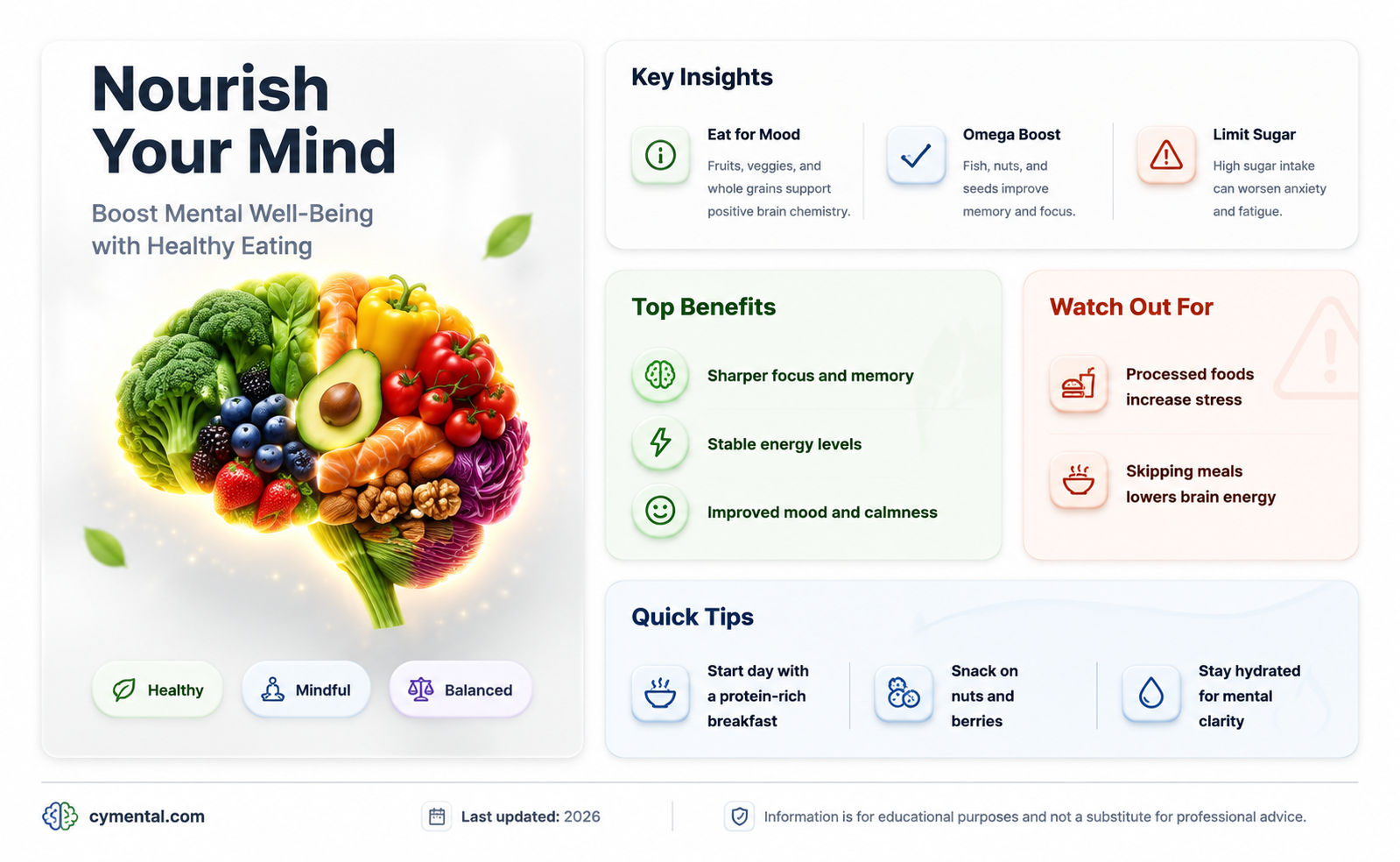
Eating a healthy diet is often associated with physical benefits like weight management and disease prevention, but its impact on mental health is equally significant. Research suggests that nutrient-rich foods, such as fruits, vegetables, whole grains, and lean proteins, can positively influence brain function, mood, and overall mental well-being. For instance, omega-3 fatty acids found in fish and nuts are linked to reduced symptoms of depression and anxiety, while a diet high in processed foods and sugar has been correlated with increased risks of mental health issues. By nourishing the body with the right nutrients, individuals may experience improved cognitive function, better stress management, and a more stable emotional state, highlighting the profound connection between diet and mental health.
| Characteristics | Values |
|---|---|
| Reduced Risk of Depression | Studies show a Mediterranean diet rich in fruits, vegetables, whole grains, and healthy fats is associated with a 25-35% lower risk of depression. (Source: Molecular Psychiatry, 2019) |
| Improved Mood and Well-being | Diets high in omega-3 fatty acids (found in fatty fish, flaxseeds) and low in processed foods are linked to improved mood and reduced anxiety symptoms. (Source: Journal of Affective Disorders, 2020) |
| Enhanced Cognitive Function | A diet rich in antioxidants (berries, nuts) and vitamins (leafy greens) may protect against cognitive decline and improve focus. (Source: Neurology, 2021) |
| Increased Resilience to Stress | Nutrient-dense foods provide the body with the building blocks to produce neurotransmitters like serotonin, which regulate stress response. (Source: Nutritional Neuroscience, 2022) |
| Better Sleep Quality | Avoiding sugary and processed foods before bed and consuming tryptophan-rich foods (turkey, bananas) can promote better sleep, crucial for mental health. (Source: Sleep Medicine Reviews, 2023) |
| Gut-Brain Axis Connection | A healthy gut microbiome, supported by fiber-rich foods (whole grains, legumes) and probiotics (yogurt), communicates with the brain, influencing mood and anxiety. (Source: Nature Reviews Neuroscience, 2020) |
Explore related products


What You'll Learn
- Nutrient Impact on Mood: Essential vitamins and minerals directly influence brain function and emotional stability
- Gut-Brain Connection: Healthy gut microbiome supports mental health through neurotransmitter production
- Anti-Inflammatory Diets: Reducing inflammation via diet can alleviate symptoms of depression and anxiety
- Stable Blood Sugar: Balanced meals prevent mood swings by maintaining consistent energy levels
- Omega-3s and Brain Health: Fatty acids in fish and nuts boost cognitive function and mood

Nutrient Impact on Mood: Essential vitamins and minerals directly influence brain function and emotional stability
The brain, a voracious consumer of nutrients, relies on a steady supply of vitamins and minerals to regulate neurotransmitters, reduce inflammation, and maintain structural integrity. Deficiencies in key nutrients like omega-3 fatty acids, B vitamins, and magnesium have been linked to increased anxiety, depression, and cognitive decline. For instance, a 2019 study published in the *Journal of Psychiatric Research* found that individuals with low levels of vitamin D were twice as likely to experience depressive symptoms. This isn’t merely correlation—it’s a biochemical necessity. The brain’s ability to produce serotonin, often called the “feel-good” neurotransmitter, depends on adequate intake of tryptophan, an amino acid found in turkey, eggs, and bananas. Without these building blocks, emotional stability falters.
Consider the role of magnesium, a mineral often overlooked but critical for mood regulation. It acts as a natural calmative by binding to GABA receptors in the brain, reducing neuronal excitability. Adults require 310–420 mg daily, yet nearly half of Americans fall short. Incorporating magnesium-rich foods like spinach, almonds, and black beans can mitigate this gap. Similarly, omega-3 fatty acids, particularly EPA and DHA, are essential for neuronal membrane fluidity and anti-inflammatory processes. A 2020 meta-analysis in *Translational Psychiatry* revealed that omega-3 supplementation significantly reduced symptoms of depression, particularly in individuals with diagnosed clinical depression. Aim for 250–500 mg of combined EPA and DHA daily, either through fatty fish like salmon or high-quality supplements.
B vitamins, particularly B6, B9 (folate), and B12, are another cornerstone of mental health. They facilitate the synthesis of neurotransmitters like dopamine and norepinephrine, which regulate motivation, pleasure, and stress response. A deficiency in B12, common in vegans and older adults, can lead to irritability, fatigue, and even psychosis. Pregnant individuals, in particular, must ensure adequate folate intake (400–600 mcg daily) to prevent neural tube defects in infants and reduce maternal mood disturbances. Fortified cereals, leafy greens, and lean meats are excellent dietary sources, but supplementation may be necessary for those at risk.
Practical implementation is key. Start by auditing your diet for nutrient-dense foods. Swap refined carbohydrates for whole grains, incorporate a variety of colorful vegetables, and prioritize lean proteins. For those with dietary restrictions or absorption issues, targeted supplementation can bridge the gap. However, caution is warranted—excessive intake of fat-soluble vitamins (A, D, E, K) can lead to toxicity. Always consult a healthcare provider before starting high-dose supplements, especially if you’re on medication. Small, consistent changes yield the most significant results. For example, replacing sugary snacks with a handful of nuts provides an immediate magnesium and healthy fat boost, while a daily serving of fatty fish or flaxseeds ensures steady omega-3 intake.
The interplay between nutrients and mood is not a one-size-fits-all solution but a personalized approach rooted in biochemistry. Age, genetics, and lifestyle influence absorption and utilization, making tailored strategies essential. Children and adolescents, for instance, require higher levels of iron and zinc to support brain development, while older adults may need additional vitamin D due to reduced sun exposure. By understanding these nuances and adopting a nutrient-focused mindset, you can fortify your mental health from the inside out. The plate isn’t just a source of fuel—it’s a toolkit for emotional resilience.
Supporting Mentally Ill Homeless Relatives: Compassionate Strategies for Family Care
You may want to see also
Explore related products



Gut-Brain Connection: Healthy gut microbiome supports mental health through neurotransmitter production
The gut microbiome, a complex community of trillions of microorganisms residing in our intestines, plays a pivotal role in mental health by influencing neurotransmitter production. Neurotransmitters like serotonin, dopamine, and GABA, which regulate mood, stress, and anxiety, are not solely produced in the brain—up to 90% of serotonin is synthesized in the gut. This gut-brain connection highlights how dietary choices directly impact mental well-being. For instance, a diet rich in fiber, fermented foods, and polyphenols nourishes beneficial gut bacteria, fostering an environment conducive to neurotransmitter synthesis. Conversely, a diet high in processed foods and sugar can disrupt this balance, potentially exacerbating mental health issues.
To harness the gut-brain connection, focus on prebiotic and probiotic foods. Prebiotics, such as garlic, onions, and bananas, act as food for beneficial bacteria, while probiotics found in yogurt, kefir, and sauerkraut introduce healthy microbes. Incorporating these into daily meals can improve gut diversity. For example, starting the day with a banana and a probiotic-rich smoothie or adding a side of fermented vegetables to dinner can make a tangible difference. Research suggests that consistent consumption of these foods over 4–6 weeks can lead to noticeable improvements in mood and stress levels, particularly in adults aged 18–65.
However, not all gut-friendly diets are created equal. While supplements like probiotic capsules can be beneficial, they should complement, not replace, whole foods. Over-reliance on supplements without dietary changes may yield limited results. Additionally, individual responses vary—what works for one person may not work for another. Keeping a food and mood journal can help track how specific dietary changes affect mental health. For instance, note how you feel after consuming fermented foods versus processed snacks over a month to identify patterns.
A cautionary note: drastic dietary changes should be approached with care, especially for those with pre-existing conditions like irritable bowel syndrome (IBS) or mental health disorders. Consulting a healthcare provider or dietitian ensures that dietary modifications align with overall health needs. For example, while fiber is essential, increasing intake too quickly can cause bloating or discomfort. Gradually increasing fiber intake by 5–10 grams per week, paired with adequate water consumption, can mitigate these issues.
In conclusion, nurturing the gut microbiome through mindful eating is a powerful strategy for supporting mental health. By prioritizing foods that promote neurotransmitter production, individuals can take proactive steps toward emotional well-being. Small, consistent changes—like swapping refined carbs for whole grains or adding a daily serving of fermented foods—can yield significant long-term benefits. The gut-brain connection underscores the adage "you are what you eat," reminding us that mental health begins in the gut.
Mental Health Attitudes: Impact on Help-Seeking Behavior and Service Utilization
You may want to see also
Explore related products


Anti-Inflammatory Diets: Reducing inflammation via diet can alleviate symptoms of depression and anxiety
Chronic inflammation, often a silent culprit, has been increasingly linked to mental health disorders like depression and anxiety. Emerging research suggests that anti-inflammatory diets, rich in specific nutrients and low in inflammatory triggers, can play a pivotal role in mitigating these symptoms. By targeting the root cause—inflammation—such diets offer a holistic approach to mental well-being, complementing traditional therapies.
Consider the Mediterranean diet, a prime example of an anti-inflammatory eating pattern. It emphasizes whole foods like fatty fish (salmon, mackerel), olive oil, nuts, seeds, and colorful vegetables, all packed with omega-3 fatty acids, antioxidants, and polyphenols. These compounds actively combat inflammation by reducing pro-inflammatory markers like C-reactive protein (CRP) and cytokines. Studies show that adhering to this diet can lower depression risk by up to 30%, particularly in adults over 50. For instance, incorporating two servings of fatty fish weekly provides adequate EPA and DHA, omega-3s critical for brain health and mood regulation.
However, adopting an anti-inflammatory diet isn’t just about adding "superfoods"—it’s equally about eliminating inflammatory triggers. Processed foods, refined sugars, and trans fats, common in Western diets, exacerbate inflammation and worsen mental health symptoms. A 2019 study found that individuals who reduced their intake of sugary beverages and fried foods experienced a 20% decrease in anxiety symptoms within 12 weeks. Practical steps include swapping refined carbs for whole grains, using herbs and spices like turmeric and ginger for their anti-inflammatory properties, and limiting red meat to occasional consumption.
While the evidence is compelling, it’s essential to approach anti-inflammatory diets as part of a broader mental health strategy. They are not a standalone cure but a powerful tool when combined with therapy, medication, and lifestyle changes. For those with severe symptoms, consulting a dietitian or healthcare provider ensures the diet aligns with individual needs, especially when managing conditions like diabetes or allergies. Small, consistent changes—like starting the day with a berry-rich smoothie or snacking on walnuts—can yield significant long-term benefits, proving that what’s on your plate truly impacts your mind.
Finding Support: A Guide to Getting Help for Schizophrenia
You may want to see also
Explore related products


Stable Blood Sugar: Balanced meals prevent mood swings by maintaining consistent energy levels
Blood sugar fluctuations are a silent saboteur of mental well-being. A spike after a sugary snack might grant temporary euphoria, but the inevitable crash leaves you irritable, foggy, and prone to anxiety. Conversely, prolonged low blood sugar can induce fatigue, difficulty concentrating, and even depression-like symptoms. This rollercoaster, often fueled by erratic eating habits, disrupts the delicate balance of neurotransmitters and hormones that regulate mood.
Imagine your brain as a high-performance engine. It demands a steady supply of premium fuel – glucose – to function optimally. Refined carbohydrates and sugary treats provide a quick burst of energy, akin to pouring cheap gasoline into a luxury car. The engine sputters, stalls, and eventually suffers. Balanced meals, rich in complex carbohydrates, lean protein, healthy fats, and fiber, act as the premium fuel, delivering sustained energy release and keeping your mental engine purring smoothly.
Achieving stable blood sugar isn't about restrictive diets or eliminating entire food groups. It's about mindful choices and strategic combinations. Aim for meals that include:
- Complex Carbohydrates: Opt for whole grains like brown rice, quinoa, and whole-wheat bread. These release glucose slowly, preventing spikes and crashes.
- Lean Protein: Incorporate sources like chicken, fish, tofu, beans, and lentils. Protein slows carbohydrate absorption, further stabilizing blood sugar levels.
- Healthy Fats: Avocado, nuts, seeds, and olive oil provide sustained energy and promote satiety, preventing cravings and overeating.
- Fiber: Found in fruits, vegetables, and whole grains, fiber slows digestion and nutrient absorption, contributing to steady blood sugar levels.
Consider this: a breakfast of oatmeal with berries and nuts provides a slow release of energy throughout the morning, keeping you focused and energized. Compare this to a sugary donut, which leads to a rapid spike followed by a slump, leaving you feeling tired and irritable by mid-morning.
By prioritizing balanced meals, you're not just nourishing your body; you're investing in your mental resilience. Stable blood sugar translates to improved mood, enhanced cognitive function, and a greater sense of overall well-being. It's a simple yet powerful strategy for cultivating a healthier, happier you.
Christian Psychology: A Faith-Based Approach to Mental Health Healing?
You may want to see also
Explore related products


Omega-3s and Brain Health: Fatty acids in fish and nuts boost cognitive function and mood
Omega-3 fatty acids, found abundantly in fish like salmon, mackerel, and sardines, as well as in nuts like walnuts and flaxseeds, are not just a dietary trend—they are a cornerstone of brain health. These essential fats, particularly EPA (eicosapentaenoic acid) and DHA (docosahexaenoic acid), play a critical role in maintaining the structure and function of brain cells. Research consistently shows that higher intake of omega-3s is associated with improved cognitive function, including better memory, focus, and problem-solving skills. For instance, a study published in *The American Journal of Clinical Nutrition* found that older adults with higher blood levels of omega-3s experienced less cognitive decline over time. This isn’t just about aging gracefully—it’s about optimizing brain performance at any age.
Incorporating omega-3s into your diet doesn’t require a complete overhaul. Start with simple swaps: replace red meat with fatty fish twice a week, sprinkle ground flaxseeds on yogurt or oatmeal, or snack on a handful of walnuts. For those who struggle with dietary sources, supplements can be a practical alternative. The recommended daily intake of omega-3s varies, but most health organizations suggest at least 250–500 mg of combined EPA and DHA for adults. Pregnant women and older adults may benefit from higher doses, but consulting a healthcare provider is advisable to tailor intake to individual needs.
The link between omega-3s and mood is equally compelling. These fatty acids are integral to neurotransmitter function, influencing serotonin and dopamine levels—chemicals that regulate mood and emotional well-being. A meta-analysis in *Journal of Clinical Psychiatry* revealed that omega-3 supplementation significantly reduced symptoms of depression in individuals with diagnosed depressive disorders. While not a standalone treatment, omega-3s can be a valuable adjunct to therapy and medication. For those seeking natural ways to support mental health, this is a scientifically backed strategy worth considering.
However, not all omega-3 sources are created equal. Fish oil supplements, for example, vary widely in quality and potency. Look for products tested by third-party organizations like NSF International or USP to ensure purity and avoid contaminants like mercury. For vegetarians and vegans, algae-based DHA supplements are an excellent alternative, as they provide a direct source of this crucial fatty acid without relying on fish. Pairing omega-3 intake with a diet rich in antioxidants (think berries, leafy greens, and colorful vegetables) can further enhance their brain-boosting effects by reducing oxidative stress.
The takeaway is clear: omega-3s are a powerful tool for nurturing both cognitive function and emotional resilience. Whether through diet or supplementation, prioritizing these fatty acids can yield tangible benefits for mental health. Small, consistent changes—like swapping out snacks or adding a supplement—can add up to significant long-term gains. In a world where mental health challenges are increasingly prevalent, this is one dietary choice that offers both simplicity and profound impact.
Prisoner Mental Health Support: Accessing Care Behind Bars
You may want to see also
Frequently asked questions
Yes, eating healthy can significantly improve mental health. Nutrient-rich foods support brain function, reduce inflammation, and stabilize mood, while poor diets are linked to higher risks of depression and anxiety.
Foods rich in omega-3 fatty acids (salmon, walnuts), antioxidants (berries, spinach), and complex carbohydrates (whole grains) are particularly beneficial for mental well-being.
A poor diet, high in processed foods and sugar, can lead to inflammation, imbalances in gut bacteria, and fluctuations in blood sugar, all of which negatively impact mood and cognitive function.
Yes, a balanced diet can help reduce symptoms of anxiety and depression by providing essential nutrients that support neurotransmitter function and overall brain health.
While individual responses vary, some people may notice improvements in mood and energy levels within a few weeks of adopting a healthier diet. Long-term benefits are more pronounced with consistent dietary changes.