Lucas Bennett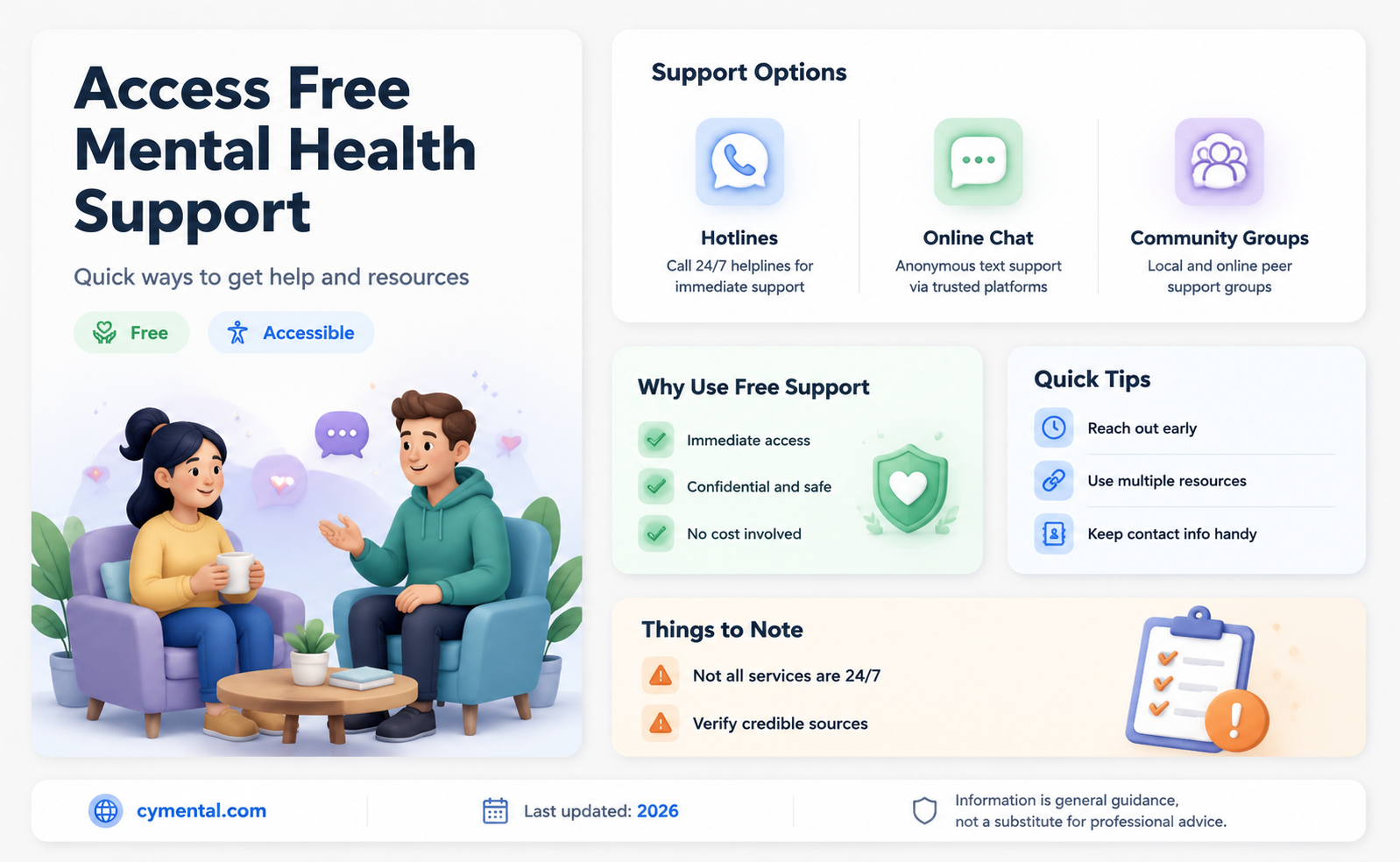
Access to mental health support is a critical concern for many, and the question of whether free resources are available is both common and important. Fortunately, there are numerous options for obtaining mental health help without cost, ranging from government-funded programs and community health centers to nonprofit organizations and online platforms. Many countries offer free or low-cost counseling services through public health systems, while organizations like the National Alliance on Mental Illness (NAMI) and Crisis Text Line provide immediate support. Additionally, some therapists and clinics offer sliding scale fees or pro bono sessions for those in need. Exploring these avenues can ensure that financial barriers do not prevent individuals from receiving the care they deserve.
Explore related products


What You'll Learn
- Community Mental Health Clinics: Offer free or low-cost therapy, counseling, and support services for individuals in need
- Nonprofit Organizations: Provide free mental health resources, hotlines, and peer support programs for various conditions
- Government-Funded Programs: Free mental health services through local health departments or state-run initiatives
- Online Platforms: Free apps, websites, and forums offering therapy tools, mindfulness exercises, and support communities
- University Training Clinics: Free or low-cost therapy sessions provided by supervised graduate students in psychology programs

Community Mental Health Clinics: Offer free or low-cost therapy, counseling, and support services for individuals in need
Access to affordable mental health care is a pressing concern, but community mental health clinics stand as a beacon of hope for those in need. These clinics, often funded by government grants, donations, or partnerships with local organizations, provide essential services at little to no cost. For instance, in the United States, federally qualified health centers (FQHCs) offer therapy and counseling on a sliding scale, meaning fees are adjusted based on income. This model ensures that even individuals without insurance or with limited financial resources can receive professional support.
Consider the practical steps to locate and utilize these services. Start by searching online directories like the Substance Abuse and Mental Health Services Administration (SAMHSA) Treatment Locator, which lists clinics nationwide. Alternatively, contact your local health department or community organizations for recommendations. When reaching out, be prepared to provide basic information such as income level and insurance status, as these details often determine eligibility for reduced fees. Many clinics also offer walk-in hours, making it easier to access immediate support without an appointment.
One of the most compelling aspects of community mental health clinics is their holistic approach. Beyond individual therapy, they frequently provide group counseling, family therapy, and workshops on topics like stress management or coping with trauma. For example, a clinic in Chicago offers weekly mindfulness sessions for adults and art therapy programs for children, all free of charge. Such diverse offerings cater to varying needs, ensuring that individuals can find a form of support that resonates with them.
However, it’s important to manage expectations. While these clinics are invaluable, they may face limitations such as long waitlists or fewer specialized services compared to private practices. For instance, accessing therapy for complex conditions like severe PTSD or bipolar disorder might require additional resources. In such cases, clinics often act as a starting point, providing stabilization and referrals to more specialized care. Patience and persistence are key when navigating these systems.
In conclusion, community mental health clinics are a vital resource for free or low-cost mental health care. By offering a range of services tailored to diverse populations, they bridge significant gaps in accessibility. While they may not be a one-size-fits-all solution, their impact is undeniable, offering hope and healing to countless individuals who might otherwise go without support. Take the first step today—reach out to a clinic near you and explore the possibilities for your mental well-being.
Melodies of Healing: Music's Powerful Impact on Mental Well-Being
You may want to see also
Explore related products

$7.76 $18.99


Nonprofit Organizations: Provide free mental health resources, hotlines, and peer support programs for various conditions
Access to mental health support shouldn’t be limited by financial barriers, and nonprofit organizations are stepping in to bridge this gap. These groups offer a lifeline through free resources, hotlines, and peer support programs tailored to diverse needs, from anxiety and depression to trauma and addiction. By leveraging donations, grants, and volunteers, they ensure that anyone, regardless of income, can find help. For instance, organizations like the National Alliance on Mental Illness (NAMI) provide free educational programs and support groups, while Crisis Text Line offers 24/7 text-based crisis intervention. These services are not just temporary fixes but ongoing support systems designed to foster long-term mental wellness.
Navigating the landscape of free mental health resources can feel overwhelming, but nonprofits simplify this process by offering centralized access points. Many organizations maintain hotlines staffed by trained professionals or volunteers who provide immediate assistance during moments of crisis. For example, the Substance Abuse and Mental Health Services Administration (SAMHSA) operates a free, confidential helpline available 24/7 for individuals facing mental health or substance use challenges. Additionally, peer support programs, such as those offered by Depression and Bipolar Support Alliance (DBSA), connect individuals with others who have lived experience, fostering a sense of community and shared understanding. These programs often include virtual or in-person meetings, making them accessible to people in remote or underserved areas.
One of the most compelling aspects of nonprofit-led mental health initiatives is their ability to address specific conditions and demographics. For instance, The Trevor Project focuses on LGBTQ+ youth, offering free crisis intervention and suicide prevention services. Similarly, Postpartum Support International provides specialized resources for individuals experiencing perinatal mood and anxiety disorders. These targeted programs ensure that support is culturally sensitive and condition-specific, increasing their effectiveness. Many nonprofits also offer multilingual services, breaking down language barriers and reaching a broader audience. By tailoring their approach, these organizations create safe spaces where individuals feel seen, heard, and understood.
While free mental health resources are invaluable, it’s essential to recognize their limitations and use them as part of a broader strategy. Nonprofit services are often not a substitute for long-term therapy or medical treatment but can serve as a critical first step or supplementary support. To maximize their benefit, individuals should explore multiple resources, such as combining hotline assistance with peer support groups or educational workshops. Additionally, staying informed about available programs through nonprofit websites or community health centers can ensure continuous access to help. By leveraging these free tools thoughtfully, anyone can take proactive steps toward improving their mental health without financial strain.
Family Doctors: Your First Line in Mental Health Support?
You may want to see also
Explore related products


Government-Funded Programs: Free mental health services through local health departments or state-run initiatives
In the United States, government-funded programs provide a vital safety net for individuals seeking free mental health services. Local health departments and state-run initiatives often offer counseling, therapy, and support groups at no cost, particularly for low-income residents or those without insurance. For instance, the Substance Abuse and Mental Health Services Administration (SAMHSA) operates a national helpline (1-800-662-HELP) that connects individuals to local treatment centers, many of which are state-funded and offer sliding-scale or free services based on income. These programs are designed to ensure that financial barriers do not prevent access to essential mental health care.
To access these services, start by contacting your local health department or visiting your state’s mental health authority website. Most states have dedicated portals listing available programs, eligibility criteria, and application processes. For example, California’s Mental Health Services Act (MHSA) funds county-based programs that provide free therapy, crisis intervention, and peer support for residents of all ages. Similarly, New York’s Office of Mental Health offers free or low-cost services through its network of community clinics, prioritizing uninsured individuals and those with Medicaid. Be prepared to provide proof of income or residency, as these are common requirements for enrollment.
While government-funded programs are a valuable resource, they often come with limitations. Wait times can be lengthy due to high demand, and service availability may vary by location. For instance, rural areas may have fewer state-run clinics compared to urban centers. Additionally, some programs focus on specific populations, such as veterans, youth, or individuals with severe mental illness, which can restrict access for others. To navigate these challenges, consider combining state-funded services with other free resources, such as support groups, hotlines, or community-based organizations that complement formal treatment.
A practical tip for maximizing these programs is to stay informed about funding changes and new initiatives. Government budgets for mental health services can fluctuate, leading to the introduction or expansion of programs. Subscribing to newsletters from state mental health agencies or following local advocacy groups can keep you updated on opportunities. For example, the American Rescue Plan Act of 2021 allocated significant funding to mental health services, leading many states to expand their free or low-cost offerings. By staying proactive, you can take advantage of these developments and ensure timely access to care.
In conclusion, government-funded mental health programs through local health departments and state-run initiatives are a cornerstone of free mental health care in the U.S. While they may require patience and persistence to navigate, these services provide critical support for those in need. By understanding eligibility criteria, exploring available resources, and staying informed about program updates, individuals can effectively utilize these offerings to address their mental health needs without financial burden.
Seeking Support: A Guide to Accessing Mental Health Assistance
You may want to see also
Explore related products


Online Platforms: Free apps, websites, and forums offering therapy tools, mindfulness exercises, and support communities
The digital age has unlocked a treasure trove of free mental health resources, putting therapy tools, mindfulness exercises, and supportive communities at your fingertips. Online platforms, from apps to forums, offer accessible and often anonymous ways to manage stress, anxiety, and other mental health challenges without the cost of traditional therapy.
Consider Headspace and Calm, two popular apps that provide guided meditations, sleep stories, and mindfulness exercises. While they offer premium features, their free versions include foundational tools to start or maintain a mindfulness practice. For example, Headspace’s "Basics" course is entirely free and teaches meditation fundamentals in just 10 days, 10 minutes per session. Similarly, Insight Timer boasts thousands of free guided meditations and talks from experts worldwide, allowing users to explore various techniques without commitment.
For those seeking structured therapy tools, Woebot and Moodpath stand out. Woebot is a chatbot that uses cognitive-behavioral therapy (CBT) principles to help users manage anxiety and depression through daily conversations. Moodpath, on the other hand, offers a two-week mental health assessment and provides personalized feedback, along with exercises to improve mood and emotional well-being. Both apps are free to use, though Moodpath limits some features unless you subscribe.
Support communities play a vital role in mental health, and platforms like 7 Cups and Reddit fill this need. 7 Cups connects users with trained listeners for free, anonymous emotional support via chat. Reddit’s mental health subreddits, such as r/depression and r/anxiety, offer peer-to-peer advice and shared experiences, fostering a sense of belonging. However, it’s crucial to approach these forums with caution, as they lack professional oversight.
While these platforms are valuable, they’re not a substitute for professional therapy in severe cases. Use them as supplements to traditional care or as starting points for mild to moderate symptoms. Always prioritize platforms with evidence-based practices and positive user reviews. With consistency and the right tools, free online resources can be powerful allies in your mental health journey.
Finding Support: Where to Go for Help in Difficult Times
You may want to see also
Explore related products



University Training Clinics: Free or low-cost therapy sessions provided by supervised graduate students in psychology programs
University training clinics offer a little-known yet invaluable resource for those seeking mental health support on a budget. These clinics, often affiliated with psychology or counseling programs at universities, provide therapy sessions at significantly reduced costs—sometimes even for free. The catch? You’ll be working with graduate students who are in the final stages of their training. But don’t let that deter you; these students are closely supervised by licensed professionals, ensuring you receive competent and ethical care.
To access these services, start by researching universities in your area with psychology or counseling programs. Most institutions list their training clinics on their websites, often under departments like psychology, counseling, or mental health services. Reach out directly to inquire about availability, eligibility, and fees. Some clinics operate on a sliding scale, meaning the cost is adjusted based on your income. Others may offer free sessions as part of their training requirements. Be prepared to provide basic demographic information and a brief description of your concerns during the intake process.
One of the unique benefits of university training clinics is the opportunity to engage with therapists who are up-to-date on the latest research and therapeutic techniques. Graduate students are often eager to apply cutting-edge methods they’ve learned in their coursework, which can lead to innovative and effective treatment plans. However, it’s important to manage expectations: sessions may be slightly longer than traditional therapy due to supervision requirements, and there may be a waitlist depending on demand.
While these clinics are an excellent option for many, they may not be suitable for everyone. Individuals with severe or complex mental health conditions, such as acute psychosis or high-risk situations, might require more specialized care. In such cases, the clinic may refer you to a more appropriate resource. Additionally, since sessions are part of a training program, there may be limitations on the number of sessions available or the duration of treatment.
To make the most of this resource, approach it with an open mind and a willingness to collaborate. Feedback is often a key component of the training process, so you may be asked to provide input on your therapist’s performance. This not only helps them grow as professionals but also ensures your needs are being met. By leveraging university training clinics, you can access quality mental health care without the financial burden, while supporting the next generation of therapists in their development.
Find Free Depression Support: Resources and Helpful Services Available Now
You may want to see also
Frequently asked questions
Yes, many free or low-cost mental health resources are available, including community health clinics, non-profit organizations, government programs, and online platforms offering therapy or counseling at no cost.
You can locate free mental health services by contacting local community health centers, checking government health department websites, or using online directories like SAMHSA’s treatment locator or Mental Health America’s resource finder.
Yes, several platforms offer free or low-cost online therapy, such as 7 Cups, BetterHelp’s financial aid program, or apps like Moodpath. Additionally, some organizations provide free counseling sessions through their websites or helplines.