Madison Cole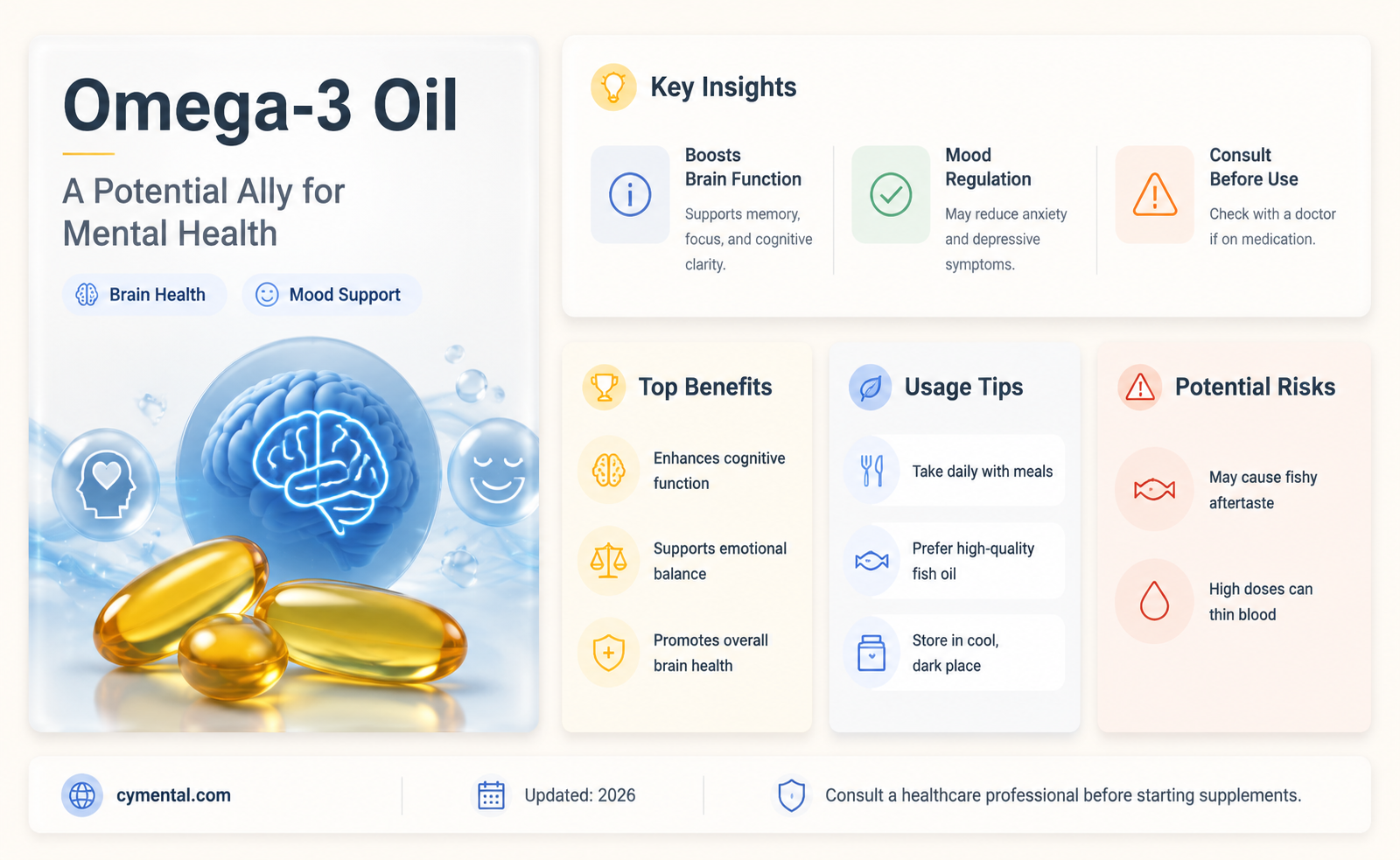
Omega-3 fatty acids, commonly found in fish oil supplements, have garnered significant attention for their potential role in supporting mental health. Research suggests that these essential fats, particularly EPA (eicosapentaenoic acid) and DHA (docosahexaenoic acid), may play a crucial role in brain function and mood regulation. Studies have explored their effectiveness in alleviating symptoms of various mental disorders, including depression, anxiety, bipolar disorder, and even schizophrenia. While findings are promising, with some evidence indicating that omega-3 supplementation can reduce symptoms and improve overall well-being, results remain mixed, and further research is needed to establish clear guidelines for their use as a complementary treatment. Nonetheless, the growing body of evidence highlights omega-3s as a potentially valuable tool in the management of mental health conditions.
| Characteristics | Values |
|---|---|
| Effect on Depression | Omega-3 fatty acids, particularly EPA (eicosapentaenoic acid), have shown potential in reducing symptoms of major depressive disorder (MDD). Studies suggest they may enhance the effectiveness of antidepressants. |
| Impact on Anxiety | Research indicates omega-3 supplementation may modestly reduce anxiety symptoms, though results are mixed and more consistent in individuals with clinical anxiety disorders. |
| Role in Bipolar Disorder | Omega-3s, especially EPA, may help stabilize mood and reduce relapse rates in bipolar disorder, particularly for depressive episodes. |
| Influence on ADHD | Some studies suggest omega-3 supplementation can improve attention and reduce hyperactivity/impulsivity in children with ADHD, though evidence is not conclusive. |
| Effect on Schizophrenia | Omega-3s may improve cognitive function and reduce symptoms in schizophrenia when used as an adjunct to antipsychotic medication, but results are inconsistent. |
| Mechanism of Action | Omega-3s modulate neuroinflammation, enhance neuroplasticity, and influence neurotransmitter systems (e.g., serotonin, dopamine) in the brain. |
| Recommended Dosage | Typical doses range from 1-4 grams of combined EPA and DHA daily, with higher EPA content often recommended for mental health benefits. |
| Safety Profile | Generally safe with minimal side effects (e.g., fishy aftertaste, mild GI discomfort). High doses may increase bleeding risk or interact with anticoagulants. |
| Evidence Strength | Moderate to strong evidence for depression; limited to moderate evidence for other disorders. More research is needed for definitive conclusions. |
| Population Considerations | Benefits may vary based on baseline omega-3 levels, diet, and individual response. Pregnant women and children may have specific needs. |
Explore related products


![NatureWise Extra-Strength Omega 3 Fish Oil Supplement - 1000mg per Serving - 600 EPA & 400 DHA and Vitamin E - Support for Heart & Brain Health - Lemon Flavor, GMO-Free - 60 Softgels[1-Month Supply]](https://m.media-amazon.com/images/I/71418dH6kVL._AC_UL320_.jpg)

What You'll Learn

Omega-3 and Depression: Potential mood regulation benefits
Depression affects over 264 million people globally, and while traditional treatments like antidepressants and therapy are effective for many, a growing body of research suggests omega-3 fatty acids may play a role in mood regulation. Omega-3s, particularly EPA (eicosapentaenoic acid) and DHA (docosahexaenoic acid), are essential fats found in fatty fish, flaxseeds, and walnuts. Studies indicate that individuals with depression often have lower levels of these fatty acids, sparking interest in their potential as a complementary treatment.
Analyzing the evidence, several meta-analyses have shown that omega-3 supplementation, especially with higher EPA content, can reduce depressive symptoms in some individuals. For instance, a 2019 review in *Translational Psychiatry* found that omega-3s were most effective in patients with more severe depression. However, results vary, and not all studies show significant benefits. Dosage appears critical; most effective studies used 1–2 grams of EPA daily, often in combination with DHA. It’s important to note that omega-3s are not a standalone cure but may enhance the efficacy of traditional treatments.
Incorporating omega-3s into your routine doesn’t require drastic changes. For adults, aim for 2–3 servings of fatty fish (salmon, mackerel, sardines) per week, or consider a high-quality fish oil supplement. If opting for supplements, look for products with at least 60% EPA and DHA content, and consult a healthcare provider to determine the right dosage for your needs. For those who avoid fish, algae-based supplements provide a vegan alternative rich in DHA.
While omega-3s show promise, they aren’t a one-size-fits-all solution. Factors like age, overall diet, and the presence of other mental health conditions can influence their effectiveness. For example, older adults may benefit more due to age-related changes in brain lipid composition, while adolescents might require tailored dosages. Combining omega-3s with a balanced diet, regular exercise, and stress management techniques can maximize their potential mood-regulating benefits.
In conclusion, omega-3 fatty acids offer a natural, accessible option for those exploring complementary approaches to managing depression. While research is ongoing, the current evidence supports their use as part of a holistic strategy. Practical steps, like dietary adjustments or targeted supplementation, can be a simple yet impactful way to support mental well-being. Always consult a healthcare professional before starting any new regimen, especially if you’re already on medication.
Seeking Mental Health Support: A Guide to Finding the Right Help
You may want to see also
Explore related products
![NatureWise Extra-Strength Omega 3 Fish Oil Supplement - 1000mg per Serving - 600 EPA & 400 DHA and Vitamin E - Support for Heart & Brain Health - Lemon Flavor, GMO-Free - 180 Softgels[3-Month Supply]](https://m.media-amazon.com/images/I/71OQz4zqy5L._AC_UL320_.jpg)




Anxiety Reduction: Omega-3’s role in calming effects
Omega-3 fatty acids, particularly EPA (eicosapentaenoic acid) and DHA (docosahexaenoic acid), have been extensively studied for their potential to alleviate anxiety symptoms. Research suggests that these essential fats play a crucial role in modulating neurotransmitters like serotonin and dopamine, which are directly linked to mood regulation. A meta-analysis published in *JAMA Network Open* found that omega-3 supplementation significantly reduced anxiety symptoms, particularly in individuals with clinical diagnoses. For those considering supplementation, a daily dose of 1,000–2,000 mg of combined EPA and DHA is commonly recommended, though individual needs may vary based on severity of symptoms and dietary intake.
Incorporating omega-3s into your routine isn’t just about popping a pill. Dietary sources like fatty fish (salmon, mackerel, sardines), flaxseeds, and walnuts can complement supplementation. For instance, consuming two servings of fatty fish per week provides approximately 500 mg of EPA and DHA per serving, contributing to overall intake. However, for those with higher anxiety levels or dietary restrictions, supplements may be more practical. It’s essential to choose high-quality, third-party tested supplements to ensure purity and potency, as low-quality products may contain contaminants like mercury.
One practical tip for maximizing omega-3’s calming effects is to pair supplementation with lifestyle changes. Regular physical activity, mindfulness practices, and adequate sleep enhance the body’s ability to utilize these fats for brain health. For example, a study in *Nutritional Neuroscience* found that omega-3s combined with aerobic exercise significantly reduced anxiety markers in participants. Additionally, avoiding pro-inflammatory foods like processed sugars and trans fats can prevent counteracting omega-3’s anti-inflammatory benefits.
While omega-3s show promise, they aren’t a one-size-fits-all solution. Individual responses vary based on factors like genetics, baseline omega-3 levels, and the presence of other mental health conditions. For instance, individuals with generalized anxiety disorder may experience more pronounced benefits compared to those with situational anxiety. Consulting a healthcare provider before starting supplementation is advisable, especially for those on medications or with underlying health issues. Monitoring symptoms over 8–12 weeks can help assess effectiveness, as noticeable improvements often take time.
In conclusion, omega-3s offer a natural, evidence-based approach to anxiety reduction, particularly when integrated into a holistic health strategy. By understanding dosage, sourcing quality supplements, and combining them with lifestyle adjustments, individuals can harness their calming effects effectively. While not a standalone cure, omega-3s represent a valuable tool in managing anxiety, supported by both scientific research and practical application.
The Power of Friendship: How Friends Support Mental Health
You may want to see also
Explore related products




ADHD Symptoms: Impact on focus and hyperactivity
ADHD symptoms often manifest as a double-edged sword, impairing focus while simultaneously fueling hyperactivity. This paradoxical combination can disrupt daily life, making it difficult to concentrate on tasks, follow instructions, or sit still for extended periods. For individuals with ADHD, the brain’s executive functions—such as attention regulation and impulse control—are often compromised, leading to a constant state of mental and physical restlessness. This duality not only affects academic or professional performance but also strains personal relationships and self-esteem.
Research suggests that omega-3 fatty acids, particularly EPA (eicosapentaenoic acid) and DHA (docosahexaenoic acid), may play a role in mitigating these symptoms. Omega-3s are essential for brain health, supporting neuronal communication and reducing inflammation, which is often elevated in individuals with ADHD. Studies have shown that children and adults with ADHD frequently have lower levels of these fatty acids compared to their neurotypical peers. Supplementation with omega-3 oil, typically in doses ranging from 500 to 2,000 mg daily, has been linked to modest improvements in focus, attention, and hyperactivity in some cases.
However, it’s crucial to approach omega-3 supplementation as a complementary strategy rather than a standalone treatment. While evidence is promising, results vary widely among individuals, and omega-3s are not a substitute for evidence-based interventions like stimulant medications or behavioral therapy. For parents or adults considering this approach, starting with a lower dose (e.g., 500 mg daily for children, 1,000 mg for adults) and gradually increasing under medical supervision is advisable. Pairing supplementation with dietary sources of omega-3s, such as fatty fish, flaxseeds, or walnuts, can also enhance its effectiveness.
Practical tips for integrating omega-3s into an ADHD management plan include choosing high-quality supplements that are third-party tested for purity and potency, as fish oil can sometimes contain contaminants like mercury. Additionally, combining omega-3 supplementation with structured routines, mindfulness practices, and regular physical activity can amplify its benefits. For instance, a child with ADHD might benefit from a morning routine that includes a fish oil capsule, a balanced breakfast, and a short yoga session to improve focus before school.
In conclusion, while omega-3 oil is not a cure for ADHD, it holds potential as a supportive tool in managing symptoms of focus and hyperactivity. Its effectiveness lies in its ability to address underlying neurological imbalances, but it works best when integrated into a holistic approach tailored to the individual’s needs. As with any supplement, consulting a healthcare provider is essential to ensure safety and appropriateness, especially for children or those with pre-existing medical conditions.
Metabolic Screening: A New Tool for Mental Health Diagnosis?
You may want to see also
Explore related products


![NatureWise Omega 3 Fish Oil - 500 mg per Pill - EPA & DHA - Immune Support, Brain & Optimal Wellness - Gluten and Soy Free, Non-GMO - 60 Softgels[2-Month Supply]](https://m.media-amazon.com/images/I/71qEZ7BWEqL._AC_UL320_.jpg)


Bipolar Disorder: Stabilizing mood swings with Omega-3
Bipolar disorder, characterized by extreme mood swings from manic highs to depressive lows, poses significant challenges for those affected. Emerging research suggests that omega-3 fatty acids, particularly EPA (eicosapentaenoic acid) and DHA (docosahexaenoic acid), may play a role in stabilizing these mood fluctuations. Studies indicate that individuals with bipolar disorder often have lower levels of omega-3s in their blood, hinting at a potential link between these essential fats and mood regulation. While not a standalone treatment, omega-3 supplementation has shown promise as an adjunct therapy, particularly in reducing depressive symptoms and prolonging periods of remission.
Analyzing the evidence, a 2019 meta-analysis published in *Psychiatry Research* found that omega-3 supplementation, especially at higher doses of EPA (1,000–2,000 mg/day), significantly improved depressive episodes in bipolar disorder. However, its impact on manic symptoms remains less clear, with some studies suggesting a modest stabilizing effect. The mechanism behind this benefit may lie in omega-3’s anti-inflammatory properties and its role in enhancing neurotransmitter function, both of which are disrupted in bipolar disorder. For those considering supplementation, it’s crucial to consult a healthcare provider, as omega-3s can interact with medications like blood thinners.
Incorporating omega-3s into a bipolar disorder management plan requires a strategic approach. For adults, a daily dose of 1,000–2,000 mg of EPA, often combined with DHA, is commonly recommended. Fish oil supplements are the most accessible source, but plant-based options like algae oil are suitable for vegetarians. Practical tips include taking omega-3s with meals to enhance absorption and choosing high-quality, third-party tested brands to ensure purity. While dietary sources like fatty fish (salmon, mackerel) are beneficial, achieving therapeutic doses through food alone is challenging, making supplementation a more reliable option.
Comparing omega-3s to traditional bipolar treatments, such as mood stabilizers and antipsychotics, highlights their role as a complementary rather than primary intervention. Unlike medications, omega-3s are generally well-tolerated with minimal side effects, making them an appealing option for those seeking adjunctive therapies. However, they should not replace prescribed treatments without medical guidance. For caregivers and individuals alike, tracking mood changes over several months can help assess the effectiveness of omega-3 supplementation, providing valuable insights into its role in long-term mood stabilization.
In conclusion, while omega-3s are not a cure for bipolar disorder, their potential to stabilize mood swings offers a promising avenue for symptom management. By addressing nutritional deficiencies and supporting brain health, these fatty acids can serve as a valuable tool in a comprehensive treatment plan. As research continues to evolve, staying informed and working closely with healthcare providers will be key to maximizing their benefits for those living with bipolar disorder.
Mental Health Medication: Effective for Co-Occurring Disorders?
You may want to see also
Explore related products


Schizophrenia Support: Cognitive function improvement possibilities
Schizophrenia, a complex mental disorder characterized by hallucinations, delusions, and cognitive impairments, often leaves individuals and their families searching for adjunctive treatments to enhance quality of life. Among the emerging possibilities, omega-3 fatty acids have garnered attention for their potential to support cognitive function in schizophrenia. Research suggests that these essential fats, particularly EPA (eicosapentaenoic acid) and DHA (docosahexaenoic acid), may play a role in neuroprotection and brain health, offering a glimmer of hope for symptom management.
Analyzing the evidence, several studies have explored the impact of omega-3 supplementation on cognitive deficits in schizophrenia. A 2019 meta-analysis published in *Schizophrenia Bulletin* found that higher doses of EPA (at least 2 grams daily) were associated with modest but significant improvements in executive function and working memory. These cognitive domains are often severely affected in schizophrenia, hindering daily functioning and social integration. While not a cure, such improvements could translate to better independence and engagement in therapeutic activities.
For those considering omega-3 supplementation, practical implementation is key. Adults with schizophrenia may benefit from starting with a daily dose of 2–4 grams of combined EPA and DHA, preferably in a purified form to avoid contaminants. It’s crucial to consult a healthcare provider before beginning any new supplement, especially when taking antipsychotic medications, as interactions are possible. Additionally, dietary sources like fatty fish (salmon, mackerel) and flaxseeds can complement supplementation, though achieving therapeutic doses through diet alone is challenging.
A comparative perspective highlights the appeal of omega-3s: unlike many psychiatric medications, they are generally well-tolerated and have a favorable side effect profile. However, they should not replace prescribed treatments but rather serve as a supportive measure. For caregivers and individuals alike, tracking cognitive changes over time—such as improved problem-solving or memory recall—can provide tangible evidence of progress. Pairing supplementation with cognitive-behavioral therapy or brain-training exercises may further enhance outcomes.
In conclusion, while omega-3 fatty acids are not a panacea for schizophrenia, their potential to improve cognitive function offers a valuable adjunctive strategy. With careful dosing, professional guidance, and realistic expectations, this natural intervention could contribute to a more comprehensive approach to managing this challenging disorder. As research evolves, staying informed and proactive remains essential for those seeking every possible avenue of support.
Supporting Loved Ones: Practical Ways to Help Family with Mental Illness
You may want to see also
Frequently asked questions
Yes, omega-3 fatty acids, particularly EPA (eicosapentaenoic acid), have shown potential in reducing symptoms of depression. Research suggests they may enhance the effectiveness of antidepressants and work as a standalone treatment for mild to moderate depression.
Some studies indicate that omega-3 supplementation, especially with higher EPA levels, may help improve attention and reduce hyperactivity in individuals with ADHD, though results vary and it’s not a replacement for standard treatments.
Omega-3s, particularly EPA, have been linked to reduced anxiety symptoms in certain populations. However, effects can differ based on the type of anxiety disorder and individual response, so results are not universal.
While some research suggests omega-3s may help stabilize mood and reduce depressive episodes in bipolar disorder, evidence is limited, and it should not replace prescribed medications or therapies. Consult a healthcare provider before use.