Caleb Wright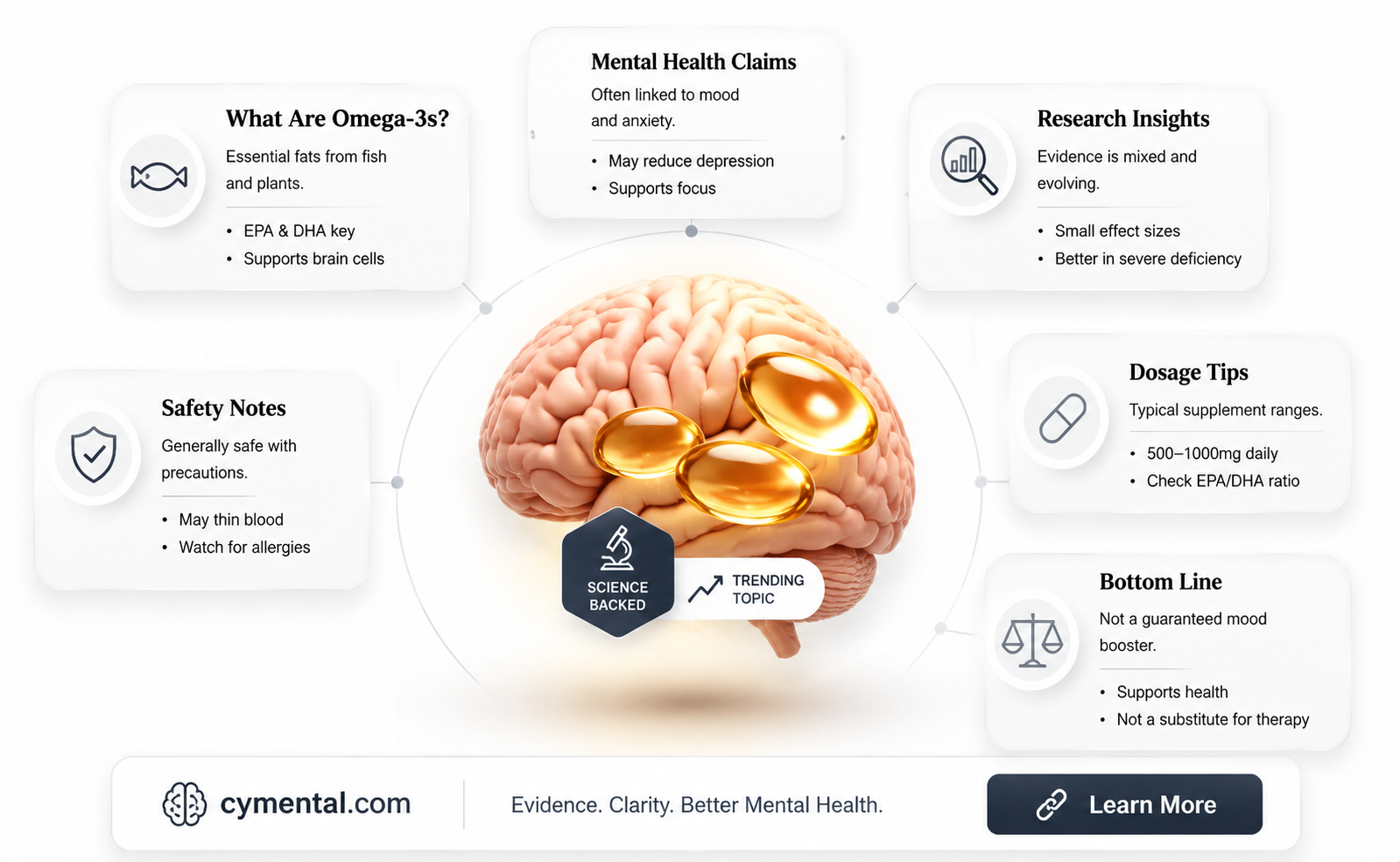
Omega-3 fatty acids, particularly EPA (eicosapentaenoic acid) and DHA (docosahexaenoic acid), have garnered significant attention for their potential role in supporting mental health. Found primarily in fish oil, flaxseeds, and walnuts, these essential nutrients are crucial for brain function and have been studied for their effects on mood disorders, anxiety, and cognitive decline. Research suggests that omega-3 supplements may help reduce symptoms of depression, improve focus, and support overall brain health, though results vary depending on individual factors such as dosage, formulation, and pre-existing conditions. As mental health concerns continue to rise globally, understanding the potential benefits and limitations of omega-3 supplementation has become an important area of exploration in both scientific and clinical settings.
Explore related products


![NatureWise Extra-Strength Omega 3 Fish Oil Supplement - 1000mg per Serving - 600 EPA & 400 DHA and Vitamin E - Support for Heart & Brain Health - Lemon Flavor, GMO-Free - 60 Softgels[1-Month Supply]](https://m.media-amazon.com/images/I/71418dH6kVL._AC_UL320_.jpg)
What You'll Learn

Omega-3's role in reducing depression symptoms
Depression affects over 264 million people globally, and while traditional treatments like antidepressants and therapy are effective for many, a growing body of research suggests omega-3 fatty acids may play a significant role in symptom reduction. These essential fats, particularly EPA (eicosapentaenoic acid) and DHA (docosahexaenoic acid), are found in fatty fish like salmon, mackerel, and sardines, but supplementation has become a popular strategy for those seeking additional support. Studies indicate that omega-3s can modulate neurotransmitter function, reduce inflammation, and promote neuroplasticity—all factors implicated in depression. For instance, a meta-analysis published in *Translational Psychiatry* found that omega-3 supplementation, particularly with higher EPA doses, significantly improved depressive symptoms in individuals with clinical depression.
To harness omega-3s’ potential, dosage matters. Most studies showing benefits used daily doses of 1,000–2,000 mg of combined EPA and DHA, with a higher EPA-to-DHA ratio (e.g., 2:1 or 3:1) appearing more effective for depression. For example, a study in the *Journal of Clinical Psychiatry* found that 1,000 mg of EPA daily led to notable improvements in depressive symptoms compared to placebo. It’s important to note that results may vary based on individual factors like baseline omega-3 levels, severity of depression, and concurrent treatments. For those considering supplementation, starting with a lower dose and gradually increasing while monitoring symptoms is a practical approach. Always consult a healthcare provider, especially if taking medications, as omega-3s can interact with blood thinners.
While omega-3s aren’t a standalone cure for depression, they can be a valuable adjunctive therapy. Their anti-inflammatory properties are particularly relevant, as chronic inflammation is increasingly linked to depressive disorders. A study in *Molecular Psychiatry* highlighted that individuals with higher inflammatory markers experienced greater symptom relief from omega-3 supplementation. Additionally, omega-3s support brain health by maintaining cell membrane fluidity and enhancing serotonin and dopamine function—neurotransmitters critical for mood regulation. For those hesitant to rely solely on supplements, incorporating omega-3-rich foods like flaxseeds, walnuts, and algae-based sources can complement supplementation efforts.
Practical tips for integrating omega-3s into a mental health strategy include choosing high-quality supplements with third-party testing to ensure purity and potency. Look for products labeled "molecularly distilled" to avoid contaminants like mercury. Pairing omega-3s with a balanced diet rich in fruits, vegetables, and whole grains can maximize their benefits, as these foods provide additional nutrients that support brain health. For individuals under 18 or over 65, dosage adjustments may be necessary, so professional guidance is essential. While omega-3s may not replace traditional treatments, their potential to reduce depression symptoms makes them a worthwhile consideration for a holistic approach to mental well-being.
Effective Strategies to Support and Empower Individuals in Need
You may want to see also
Explore related products


![NatureWise Extra-Strength Omega 3 Fish Oil Supplement - 1000mg per Serving - 600 EPA & 400 DHA and Vitamin E - Support for Heart & Brain Health - Lemon Flavor, GMO-Free - 180 Softgels[3-Month Supply]](https://m.media-amazon.com/images/I/71OQz4zqy5L._AC_UL320_.jpg)


Impact of DHA and EPA on anxiety levels
Omega-3 fatty acids, particularly docosahexaenoic acid (DHA) and eicosapentaenoic acid (EPA), have been extensively studied for their potential role in mental health, with anxiety being a key area of interest. Research suggests that these compounds may modulate neurotransmitter function, reduce inflammation, and support neuronal structure, all of which are critical in managing anxiety symptoms. For instance, a meta-analysis published in *JAMA Network Open* found that omega-3 supplementation significantly reduced anxiety symptoms, particularly in individuals with clinical diagnoses or elevated baseline anxiety levels. This highlights the potential of DHA and EPA as adjunctive treatments for anxiety disorders.
To harness the anxiety-reducing benefits of DHA and EPA, dosage is critical. Studies typically use doses ranging from 1,000 to 2,000 mg of combined EPA and DHA daily, with higher EPA ratios often showing greater efficacy. For example, a randomized controlled trial in *Brain, Behavior, and Immunity* demonstrated that a 2:1 EPA-to-DHA ratio reduced anxiety scores more effectively than lower ratios. It’s important to note that individual responses vary, and consulting a healthcare provider is advisable to tailor dosage to specific needs. Additionally, consistency is key; benefits may take 8–12 weeks to manifest, so patience is essential.
While omega-3 supplements show promise, they are not a one-size-fits-all solution. Factors such as age, diet, and underlying health conditions influence their effectiveness. For instance, older adults may require higher doses due to reduced absorption, while individuals with diets rich in fatty fish (e.g., salmon, mackerel) may already meet their omega-3 needs. Practical tips include choosing high-quality supplements with third-party testing for purity and combining supplementation with lifestyle changes like stress management and regular exercise for optimal results.
Comparatively, DHA and EPA’s impact on anxiety stands out when contrasted with other natural interventions. While mindfulness and herbal remedies like lavender or valerian root target symptom relief, omega-3s address underlying biological mechanisms, such as reducing pro-inflammatory cytokines linked to anxiety. This makes them a compelling option for those seeking a holistic approach. However, they should complement, not replace, evidence-based treatments like cognitive-behavioral therapy or medication, particularly for severe cases.
In conclusion, DHA and EPA offer a scientifically grounded avenue for managing anxiety, particularly when used strategically. By understanding dosage, individual factors, and complementary approaches, individuals can maximize their benefits. As research evolves, omega-3 supplementation may become an increasingly integral part of mental health care, bridging the gap between nutrition and neuroscience.
Mental Illness and Plea Bargaining: A Negotiation Strategy or Hindrance?
You may want to see also
Explore related products



Effects on cognitive function and brain health
Omega-3 fatty acids, particularly EPA (eicosapentaenoic acid) and DHA (docosahexaenoic acid), are foundational components of brain cell membranes, influencing fluidity, signaling, and overall neural function. Studies suggest that adequate omega-3 levels may enhance cognitive performance, particularly in areas like memory, attention, and problem-solving. For instance, a 2019 meta-analysis published in *Neuropsychopharmacology* found that omega-3 supplementation improved working memory in healthy adults, with effects more pronounced in individuals over 50. To maximize cognitive benefits, aim for a daily intake of 250–500 mg of combined EPA and DHA, either through diet (fatty fish like salmon or mackerel) or supplements.
Consider the brain’s structural reliance on DHA, which constitutes approximately 40% of polyunsaturated fatty acids in the cerebral cortex. Without sufficient omega-3s, the brain may substitute less efficient molecules, potentially impairing cognitive function. This is particularly critical during aging, as declining omega-3 levels correlate with cognitive decline and neurodegenerative diseases. For older adults, pairing omega-3 supplements with cognitive exercises, such as puzzles or language learning, may amplify benefits. However, consult a healthcare provider before starting supplementation, especially if taking blood-thinning medications.
While evidence supports omega-3’s role in cognitive health, not all supplements are created equal. Opt for high-quality, molecularly distilled products to avoid contaminants like mercury. Vegan sources, such as algal oil, provide DHA directly, bypassing the need for the body to convert ALA (found in flaxseeds or walnuts) into DHA, a process that is inefficient in many individuals. For children and adolescents, omega-3 supplementation has shown promise in improving focus and academic performance, particularly in those with attention deficits. A 2020 study in *The Journal of Child Psychology and Psychiatry* reported that 600 mg of daily omega-3s reduced ADHD symptoms in children aged 6–12.
Despite the potential benefits, omega-3s are not a standalone solution for cognitive health. They work best as part of a holistic approach that includes a balanced diet, regular physical activity, adequate sleep, and stress management. For instance, combining omega-3 supplementation with a Mediterranean diet, rich in antioxidants and healthy fats, may yield synergistic effects on brain health. Conversely, excessive intake (over 3 grams daily) can lead to side effects like bleeding risks or gastrointestinal discomfort. Always prioritize moderation and personalized guidance from a healthcare professional.
In summary, omega-3 supplements can support cognitive function and brain health by optimizing neural structure and performance, particularly in aging populations and children. Practical steps include choosing high-quality supplements, adhering to recommended dosages, and integrating them into a broader lifestyle strategy. While not a cure-all, omega-3s offer a valuable tool for maintaining and enhancing mental acuity across the lifespan.
Medication's Role in Stabilizing Mental Health and Medical Conditions
You may want to see also
Explore related products


Potential benefits for ADHD and focus improvement
Omega-3 fatty acids, particularly EPA (eicosapentaenoic acid) and DHA (docosahexaenoic acid), have been extensively studied for their role in brain health, and emerging research suggests they may offer specific benefits for individuals with ADHD. Studies indicate that omega-3 supplementation can improve attention, hyperactivity, and impulsivity in children and adults with ADHD, though results vary. For instance, a meta-analysis published in *Translational Psychiatry* found that omega-3/omega-6 supplementation led to modest but significant improvements in ADHD symptoms, particularly in children with omega-3 deficiencies. While not a standalone treatment, omega-3s may complement traditional therapies like medication and behavioral interventions.
To harness these potential benefits, dosage is critical. For children with ADHD, a typical recommendation is 500–1,000 mg of combined EPA and DHA daily, while adults may benefit from 1,000–2,000 mg. It’s essential to choose high-quality supplements that are purified to remove contaminants like mercury. Liquid formulations can be easier for children to consume, while capsules are convenient for adults. Always consult a healthcare provider before starting supplementation, especially if you’re taking medications like blood thinners, as omega-3s can interact with certain drugs.
Beyond ADHD, omega-3s may enhance focus and cognitive function in the general population. DHA, in particular, is a major structural component of brain cell membranes, supporting neural communication. A study in *PLOS ONE* found that healthy adults who took 1,280 mg of DHA daily showed improved sustained attention and working memory. For those seeking to boost focus, pairing omega-3 supplementation with lifestyle changes—such as reducing screen time, prioritizing sleep, and maintaining a balanced diet—can maximize benefits.
However, it’s important to manage expectations. Omega-3s are not a magic bullet for ADHD or focus issues. Their effectiveness can depend on individual factors like baseline omega-3 levels, diet, and the severity of symptoms. For example, individuals with diets low in fatty fish (a natural source of omega-3s) may see more pronounced benefits from supplementation. Additionally, combining omega-3s with other nutrients like zinc and magnesium, which also support brain health, could enhance their efficacy.
Incorporating omega-3s into a mental health strategy requires patience and consistency. Results may take 8–12 weeks to become noticeable, so sticking to the regimen is key. For parents of children with ADHD, tracking symptoms through journals or teacher feedback can help assess progress. Adults can monitor improvements in focus and productivity using apps or self-assessment tools. Ultimately, while omega-3s show promise, they are most effective as part of a holistic approach to managing ADHD and enhancing cognitive function.
Music's Power: Boosting Middle Schoolers' Mental Health and Well-Being
You may want to see also
Explore related products
![NatureWise Omega 3 Fish Oil - 500 mg per Pill - EPA & DHA - Immune Support, Brain & Optimal Wellness - Gluten and Soy Free, Non-GMO - 60 Softgels[2-Month Supply]](https://m.media-amazon.com/images/I/71qEZ7BWEqL._AC_UL320_.jpg)



Omega-3 supplementation in managing bipolar disorder symptoms
Bipolar disorder, characterized by extreme mood swings, affects millions globally, with traditional treatments often falling short for some individuals. Emerging research suggests that omega-3 fatty acids, particularly EPA (eicosapentaenoic acid) and DHA (docosahexaenoic acid), may play a role in managing its symptoms. Studies indicate that omega-3 supplementation could stabilize mood, reduce depressive episodes, and enhance the efficacy of conventional medications. For instance, a 2019 meta-analysis published in *Neuropsychopharmacology* found that omega-3s, especially at higher EPA doses (1–2 grams daily), significantly improved depressive symptoms in bipolar patients. This finding highlights a potential adjunctive therapy for those seeking additional support beyond standard treatments.
To incorporate omega-3s into a bipolar management plan, consider starting with a daily dose of 1–2 grams of EPA, as this range has shown the most promise in clinical trials. Opt for high-quality supplements that are molecularly distilled to ensure purity and minimize contaminants like mercury. Pairing supplementation with a diet rich in natural omega-3 sources, such as fatty fish (salmon, mackerel), flaxseeds, and walnuts, can further enhance benefits. However, it’s crucial to consult a healthcare provider before beginning any new regimen, as omega-3s can interact with medications like blood thinners. Monitoring mood changes over several weeks will help determine the supplement’s effectiveness.
While omega-3s offer a promising avenue, they are not a standalone cure for bipolar disorder. Their role is primarily supportive, working in tandem with established treatments like mood stabilizers and psychotherapy. For example, a 2020 study in the *Journal of Clinical Psychiatry* noted that omega-3 supplementation reduced relapse rates in bipolar patients when combined with traditional therapy. This underscores the importance of viewing omega-3s as part of a comprehensive approach rather than a replacement for proven interventions. Patients should also be aware that individual responses vary, and what works for one person may not work for another.
Practical tips for maximizing the benefits of omega-3 supplementation include taking the supplement with meals to enhance absorption and storing it in a cool, dry place to maintain potency. For those who struggle with pills, liquid or chewable forms are available. Additionally, tracking symptoms in a mood journal can help identify patterns and assess the supplement’s impact over time. While omega-3s may not be a miracle solution, their potential to improve quality of life for bipolar patients makes them a valuable tool in the mental health toolkit. Always approach supplementation with patience and a collaborative mindset, working closely with healthcare professionals to tailor the approach to individual needs.
Boost Your Mental Health: Hobbies That Heal and Inspire
You may want to see also
Frequently asked questions
Yes, research suggests that omega-3 fatty acids, particularly EPA (eicosapentaenoic acid), may help reduce symptoms of depression, especially in individuals with clinical depression. However, results vary, and it’s often recommended as a complementary treatment alongside traditional therapies.
Some studies indicate that omega-3 supplements, especially those high in EPA, may help reduce anxiety symptoms in certain populations. However, evidence is mixed, and more research is needed to confirm their effectiveness as a standalone treatment for anxiety.
Omega-3s, particularly DHA (docosahexaenoic acid), are important for brain health and may support cognitive function. While they may slow age-related cognitive decline in some cases, evidence for preventing conditions like Alzheimer’s disease is inconclusive. A balanced diet rich in omega-3s is generally recommended for brain health.