Noah Parker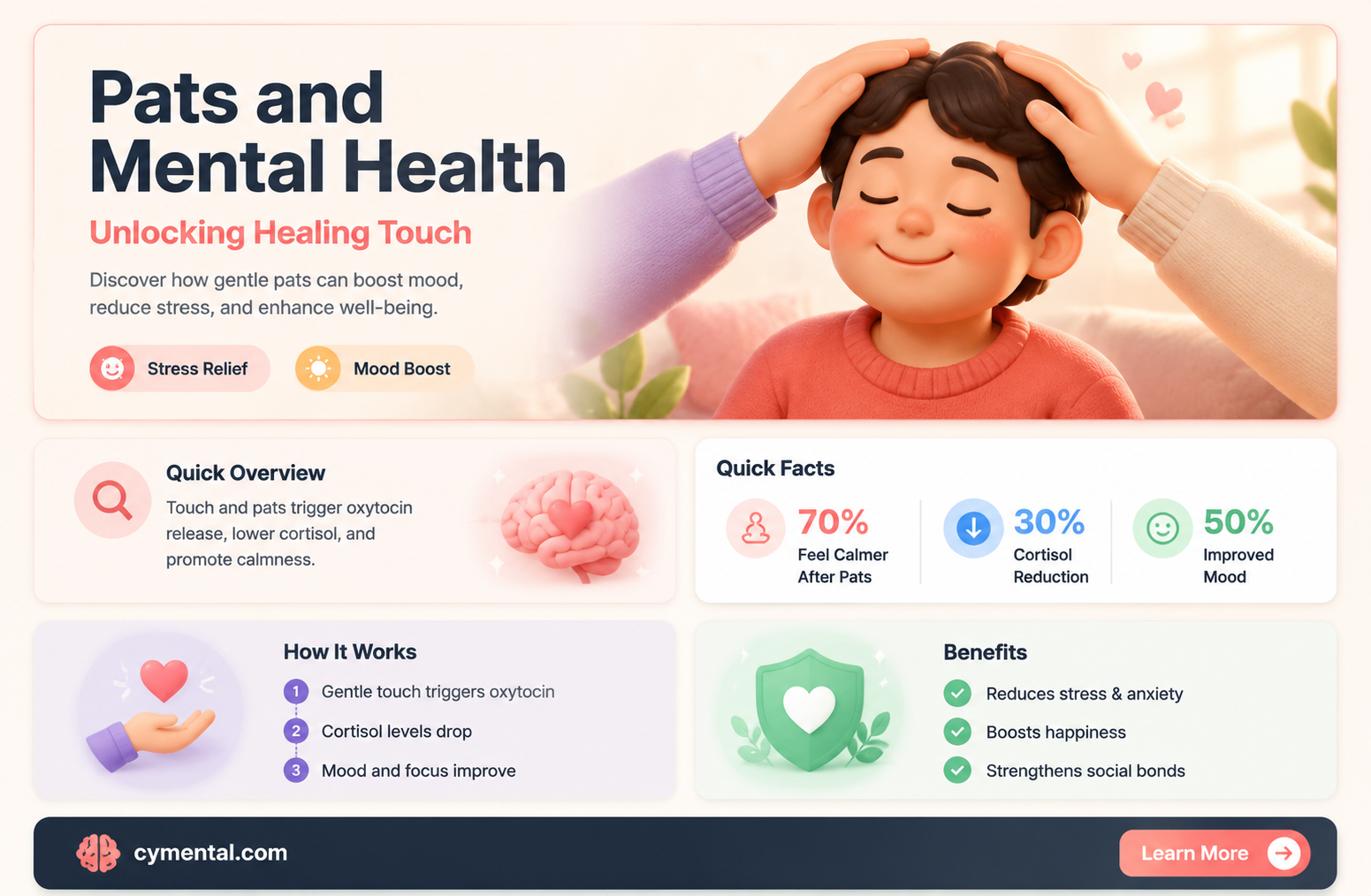
Pets, particularly dogs and cats, have been increasingly recognized for their positive impact on mental health. Numerous studies suggest that interacting with pets can reduce stress, anxiety, and depression by releasing oxytocin, a hormone associated with bonding and emotional well-being. Pets provide unconditional love, companionship, and a sense of purpose, which can alleviate feelings of loneliness and isolation. Additionally, the routine of caring for a pet, such as walking a dog, can encourage physical activity and establish a structured daily schedule, both of which are beneficial for mental health. Overall, the emotional support and therapeutic presence of pets make them valuable allies in managing and improving mental well-being.
| Characteristics | Values |
|---|---|
| Reduces Stress & Anxiety | Petting an animal releases oxytocin (the "love hormone") and decreases cortisol (stress hormone) levels, leading to a calming effect. Studies show significant reductions in anxiety and stress markers in individuals interacting with pets. |
| Combats Loneliness & Depression | Pets provide companionship and unconditional love, reducing feelings of isolation and loneliness. Playing with or caring for a pet can boost mood and provide a sense of purpose, potentially alleviating symptoms of depression. |
| Improves Mood & Well-being | Interacting with pets increases serotonin and dopamine levels, neurotransmitters associated with happiness and pleasure. |
| Encourages Physical Activity | Walking, playing, or caring for a pet promotes physical activity, which is beneficial for both physical and mental health. |
| Provides Structure & Routine | Caring for a pet establishes a daily routine, offering a sense of predictability and control, which can be helpful for individuals struggling with mental health issues. |
| Social Facilitation | Pets can act as social catalysts, encouraging interactions with others, potentially reducing social anxiety and increasing social connections. |
| Sensory Stimulation | The tactile experience of petting an animal can be soothing and grounding, particularly for individuals with sensory processing difficulties. |
| Emotional Support | Pets offer non-judgmental emotional support, providing comfort and a sense of security during difficult times. |
| Mindfulness & Presence | Focusing on the present moment while interacting with a pet can promote mindfulness and reduce rumination on negative thoughts. |
| Responsibility & Self-Worth | Caring for a pet fosters a sense of responsibility and accomplishment, boosting self-esteem and self-worth. |
Explore related products


What You'll Learn
- Petting Reduces Stress: Physical contact with pets lowers cortisol, promoting relaxation and reducing anxiety levels
- Companionship Combats Loneliness: Pets provide consistent emotional support, easing feelings of isolation and depression
- Routine Improves Structure: Caring for pets creates daily routines, enhancing mental stability and purpose
- Exercise Boosts Mood: Walking pets increases physical activity, releasing endorphins and improving mental well-being
- Unconditional Love Builds Confidence: Pets offer non-judgmental affection, fostering self-esteem and emotional resilience

Petting Reduces Stress: Physical contact with pets lowers cortisol, promoting relaxation and reducing anxiety levels
Physical contact with pets, particularly the act of petting, has been shown to significantly reduce stress levels in humans. This phenomenon is rooted in the physiological response triggered by the interaction: petting an animal lowers cortisol, the body's primary stress hormone, while increasing the production of oxytocin, often referred to as the "love hormone." Studies have found that just 15 to 30 minutes of petting a dog or cat can lead to measurable decreases in cortisol levels, promoting a state of relaxation. For individuals experiencing chronic stress or anxiety, incorporating regular petting sessions into their daily routine can serve as a simple yet effective coping mechanism.
To maximize the stress-reducing benefits of petting, consider the environment and timing. Create a calm, quiet space where both you and the pet can relax without distractions. For optimal results, aim for at least two 15-minute petting sessions per day, ideally in the morning and evening. This routine can help regulate cortisol levels throughout the day, reducing the cumulative effects of stress. Additionally, focus on gentle, rhythmic strokes, as this type of touch has been shown to be particularly soothing for both the pet and the person. Consistency is key; making petting a regular practice can lead to long-term improvements in mental well-being.
While petting is beneficial for most age groups, it is especially impactful for adolescents and older adults. Teenagers, who often face academic and social pressures, may find petting a pet to be a grounding activity that helps manage anxiety. Similarly, seniors, who may experience loneliness or isolation, can benefit from the companionship and stress relief provided by petting. However, it’s important to ensure that the pet is comfortable and willing to be petted, as forced interaction can negate the positive effects. Always observe the animal’s body language and respect their boundaries to maintain a mutually beneficial experience.
For those without pets, there are still ways to harness the stress-reducing power of petting. Visiting animal shelters, participating in pet therapy programs, or even spending time with a friend’s pet can provide similar benefits. Some workplaces and universities now offer "pet therapy" sessions, where trained animals are brought in for employees or students to interact with. These structured environments ensure safety and accessibility, allowing individuals to experience the calming effects of petting without the commitment of pet ownership. Regardless of the setting, the act of petting remains a powerful tool for reducing stress and promoting mental health.
Dance Therapy: Unlocking Mental Wellness Through Movement and Expression
You may want to see also
Explore related products


Companionship Combats Loneliness: Pets provide consistent emotional support, easing feelings of isolation and depression
Loneliness is a silent epidemic, affecting millions worldwide, and its impact on mental health cannot be overstated. Enter pets, our four-legged, feathered, or even scaly companions, who have an extraordinary ability to fill the void that loneliness creates. Research consistently shows that pet ownership is associated with reduced feelings of isolation and depression. A study published in the *Journal of Personality and Social Psychology* found that pet owners reported significantly lower levels of loneliness compared to non-owners, highlighting the profound emotional support pets provide. This isn’t just anecdotal—it’s backed by science.
Consider the routine of caring for a pet. Feeding, walking, or even just sitting with them creates a sense of purpose and structure, which can be particularly beneficial for individuals struggling with mental health. For example, dog owners are often compelled to leave their homes for daily walks, inadvertently increasing their social interactions and exposure to nature—both proven mood boosters. Cats, on the other hand, offer a quieter form of companionship, their purring often likened to a natural antidepressant. Even small pets like hamsters or fish can provide a focal point for attention, reducing the mental space loneliness occupies.
The emotional support pets offer is consistent and unconditional, a stark contrast to human relationships, which can be unpredictable. Pets don’t judge, criticize, or abandon. They simply *are*, and their presence alone can be a powerful antidote to loneliness. For instance, therapy animals are increasingly being used in mental health settings to provide comfort and companionship. A 2018 study in *BMC Psychiatry* found that patients with depression who interacted with therapy dogs experienced significant reductions in depressive symptoms after just a few sessions. This underscores the tangible impact pets can have on mental well-being.
Practical tips for maximizing the benefits of pet companionship include setting aside dedicated time for interaction, such as 15–30 minutes of play or cuddling daily. For those with mobility issues or busy schedules, low-maintenance pets like fish or reptiles can still provide emotional support without the physical demands of a dog or cat. Additionally, incorporating pets into mindfulness practices—such as focusing on their breathing or movements—can enhance the calming effect. It’s not just about having a pet; it’s about actively engaging with them to combat loneliness.
In conclusion, pets are more than just animals—they are lifelines for those grappling with loneliness and depression. Their consistent presence, combined with the routine and purpose they provide, creates a powerful buffer against the isolating effects of mental health struggles. Whether it’s a dog’s wagging tail, a cat’s gentle purr, or the soothing sight of a fish tank, pets offer a unique and accessible form of emotional support. For anyone feeling alone, adopting a pet could be a transformative step toward healing.
Coconut Oil and Mental Health: Exploring Potential Benefits and Science
You may want to see also
Explore related products


Routine Improves Structure: Caring for pets creates daily routines, enhancing mental stability and purpose
Pets demand consistency, and their care naturally imposes structure on our days. Feeding, walking, grooming, and playtime become non-negotiable anchors in a schedule that might otherwise drift aimlessly. For individuals struggling with mental health, this forced routine can be a lifeline. Research suggests that structured daily activities reduce symptoms of anxiety and depression by providing a sense of predictability and control. A study published in the *Journal of Psychiatric Research* found that pet owners with depression reported lower levels of hopelessness, largely attributed to the routine care their pets required.
Consider the act of walking a dog. It’s not just exercise for the pet—it’s a commitment to step outside, breathe fresh air, and move your body, often at specific times each day. This simple routine can combat the inertia that often accompanies mental health challenges. For example, a 20-minute walk twice daily not only meets a dog’s needs but also aligns with the recommended 30 minutes of daily physical activity for adults, as advised by the World Health Organization. Over time, this consistency can improve mood, reduce stress, and even regulate sleep patterns, which are often disrupted in conditions like depression and anxiety.
However, establishing this routine requires intentionality. Start small: set alarms for feeding times, mark a calendar for vet appointments, or pair pet care tasks with existing habits (e.g., brushing your pet while you watch TV). For those with severe mental health struggles, it’s crucial to avoid overwhelm. Begin with one or two tasks and gradually build from there. If mornings are particularly difficult, delegate evening tasks or enlist a support system to share responsibilities until the routine feels manageable.
The psychological benefits of this structure extend beyond the tasks themselves. Caring for another living being fosters a sense of purpose and accountability, counteracting feelings of worthlessness or isolation. A cat’s purr or a dog’s wagging tail provides immediate feedback, reinforcing the idea that your actions matter. This dynamic can be particularly powerful for individuals who struggle with self-esteem or motivation. For instance, a survey by the Human Animal Bond Research Institute (HABRI) revealed that 74% of pet owners reported improved mental health, with many citing the sense of responsibility as a key factor.
Incorporating pet care into your routine isn’t a cure-all, but it’s a practical, accessible tool for enhancing mental stability. It combines physical activity, emotional connection, and structured time management—all evidence-based strategies for mental health. For maximum benefit, pair this routine with professional treatment, such as therapy or medication, as recommended by a healthcare provider. Pets don’t replace human support, but they can complement it, offering a unique blend of consistency and companionship that strengthens your daily framework.
Finding Support: Where to Go for Help in Difficult Times
You may want to see also
Explore related products


Exercise Boosts Mood: Walking pets increases physical activity, releasing endorphins and improving mental well-being
Physical activity is a proven mood enhancer, and walking a pet is a simple yet effective way to reap these benefits. The act of walking, even at a moderate pace, triggers the release of endorphins, often referred to as 'feel-good' hormones, which can reduce stress and anxiety. For instance, a 30-minute brisk walk with your dog can increase endorphin levels, providing a natural and immediate boost to your mood. This is particularly beneficial for individuals experiencing mild depression or those seeking a natural way to manage daily stress.
The Science Behind the Stride
Research supports the idea that regular walks can significantly impact mental health. A study published in the *Journal of Psychiatric Research* found that participants who engaged in regular walking showed reduced symptoms of depression and anxiety. When you add a pet to the equation, the benefits multiply. Pets provide companionship, which can alleviate feelings of loneliness, a common contributor to mental health issues. The routine of walking a pet also establishes a healthy habit, offering structure and a sense of purpose, especially for those struggling with motivation.
Practical Steps to Get Started
Incorporating pet walks into your routine is straightforward. Begin with short, 15-minute walks and gradually increase the duration and pace. Aim for at least 30 minutes of brisk walking daily, as recommended by most health guidelines. For older adults or those with physical limitations, even a gentle stroll can be beneficial. The key is consistency. Make it a daily ritual, and soon it will become a natural part of your routine, benefiting both you and your pet's health.
Maximizing the Benefits
To enhance the mood-boosting effects, consider walking in natural environments. Parks, trails, or even quiet neighborhoods with greenery can provide a calming atmosphere. The combination of physical activity and exposure to nature has been shown to have a more significant impact on mental well-being. Additionally, vary your routes to keep the walks interesting and engaging, ensuring you and your pet remain motivated.
A Holistic Approach to Mental Health
While walking pets is a powerful tool, it's essential to view it as part of a broader strategy for mental health. Combine regular walks with other activities like social interactions, healthy eating, and adequate sleep. For those with more severe mental health concerns, professional guidance should be sought. Pet walking can be a complementary practice, offering a natural and accessible way to support overall mental well-being. This simple activity has the potential to make a significant difference in managing and improving mood and mental health.
Supporting Through Crisis: Effective Ways to Aid Mental Breakdown Recovery
You may want to see also
Explore related products


Unconditional Love Builds Confidence: Pets offer non-judgmental affection, fostering self-esteem and emotional resilience
Pets provide a unique form of emotional support that humans often struggle to replicate: unconditional love. Unlike human relationships, which can be complicated by judgment, expectations, or conflict, the bond between a person and their pet is built on simplicity and acceptance. This non-judgmental affection creates a safe space for individuals to be themselves without fear of criticism or rejection. For someone struggling with mental health issues, this dynamic can be transformative, laying the groundwork for improved self-esteem and emotional resilience.
Consider the daily interactions between a pet owner and their animal companion. A dog greets its owner with unbridled enthusiasm, regardless of the day’s failures or shortcomings. A cat curls up on a lap, offering silent comfort without demanding explanations or solutions. These moments, though seemingly small, accumulate over time, reinforcing the message that the individual is worthy of love and companionship. For someone battling anxiety, depression, or low self-worth, this consistent affirmation can counteract negative self-talk and foster a more positive self-image. Research supports this: studies have shown that pet owners report higher levels of self-esteem and lower levels of loneliness compared to non-pet owners, particularly in individuals with mental health challenges.
To maximize the confidence-building benefits of pet ownership, intentional engagement is key. For example, spending 15–30 minutes daily on structured activities like grooming, training, or play can strengthen the bond between owner and pet while providing a sense of accomplishment. For those with social anxiety, practicing public interactions with a pet—such as walking a dog in a park—can serve as a low-stakes way to build confidence in social settings. It’s important, however, to match the pet’s needs with the owner’s capabilities. A high-energy dog may overwhelm someone with limited physical or emotional bandwidth, while a low-maintenance pet like a fish or hamster might not provide the same level of interactive affection.
Critics might argue that relying on pets for emotional support is a temporary fix or a distraction from deeper issues. While it’s true that pets cannot replace professional therapy or medication, their role in mental health should not be underestimated. The emotional resilience built through pet ownership often complements other forms of treatment, providing a stable foundation for healing. For instance, a person in therapy for depression may find that the routine and responsibility of caring for a pet help structure their day, while the pet’s unconditional love reinforces the progress made in therapy sessions.
Incorporating pets into mental health strategies requires mindfulness and practicality. For those considering pet ownership, it’s essential to assess lifestyle, resources, and long-term commitment. Alternatives like pet-sitting, volunteering at shelters, or spending time with therapy animals can offer similar benefits without the full-time responsibility. Ultimately, the non-judgmental love of a pet serves as a powerful reminder that one is capable of giving and receiving affection, a truth that can rebuild confidence from the ground up.
Meditation and Mental Health: A Powerful Tool for Healing?
You may want to see also
Frequently asked questions
Yes, pets can significantly reduce stress and anxiety. Interacting with pets, such as petting a dog or cat, releases oxytocin (the "feel-good" hormone) and lowers cortisol (the stress hormone), promoting relaxation and emotional well-being.
Absolutely. Pets offer companionship, routine, and unconditional love, which can alleviate symptoms of depression. Their presence can provide a sense of purpose and reduce feelings of loneliness or isolation.
Yes, pets can act as social catalysts. Walking a dog, for example, often leads to interactions with others, fostering social connections. Additionally, the bond with a pet can help individuals feel less alone, improving overall mental health.
While dogs and cats are most commonly associated with mental health benefits, any pet that provides comfort and companionship can be helpful. The best pet depends on the individual’s lifestyle, preferences, and needs. Even smaller animals like fish or birds can offer therapeutic benefits.