Lucas Bennett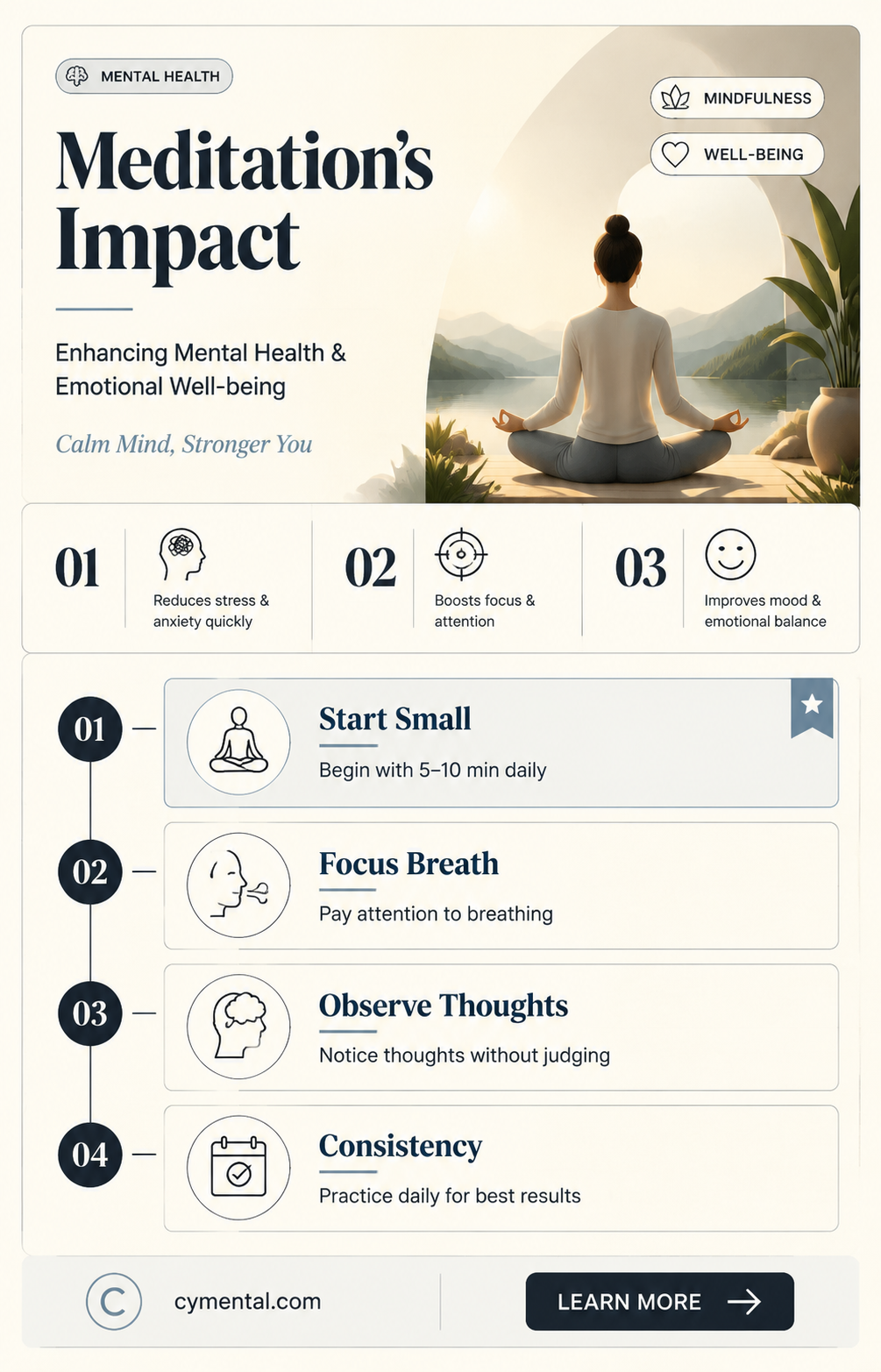
Meditation has gained significant attention as a potential tool for improving mental health, with growing evidence suggesting its effectiveness in reducing symptoms of anxiety, depression, and stress. By fostering mindfulness and promoting relaxation, meditation encourages individuals to focus on the present moment, which can help break the cycle of negative thoughts and emotions. Studies have shown that regular practice may lead to structural changes in the brain, enhancing emotional regulation and resilience. Additionally, meditation is often recommended as a complementary therapy alongside traditional treatments, offering a holistic approach to managing mental health challenges. While it may not be a standalone solution for severe conditions, its accessibility and minimal side effects make it a valuable resource for many seeking to support their mental well-being.
Explore related products


What You'll Learn
- Reducing stress and anxiety through mindfulness practices
- Improving focus and emotional regulation with meditation techniques
- Meditation’s role in managing depression symptoms effectively
- Enhancing sleep quality and reducing insomnia via meditation
- Building resilience and coping skills through regular meditation

Reducing stress and anxiety through mindfulness practices
Stress and anxiety are not merely modern inconveniences; they are physiological responses hardwired into our survival mechanisms. Yet, when chronically activated, these responses can hijack mental health, leading to conditions like generalized anxiety disorder or burnout. Mindfulness practices, rooted in ancient traditions but validated by contemporary neuroscience, offer a counterbalance. Studies show that just 10 minutes of daily mindfulness meditation can reduce cortisol levels—the body’s primary stress hormone—by up to 15%. This isn’t about eliminating stress but recalibrating the nervous system to respond more adaptively.
Consider the mechanics: mindfulness trains the brain to observe thoughts and sensations without judgment, breaking the cycle of rumination that fuels anxiety. A 2019 meta-analysis in *JAMA Internal Medicine* found that mindfulness-based interventions were as effective as antidepressants in reducing anxiety symptoms. Practically, this translates to techniques like focused breathing or body scans. For instance, inhaling for 4 seconds, holding for 4, and exhaling for 6 activates the parasympathetic nervous system, inducing calm. Consistency is key—think of it as mental hygiene, not a quick fix.
However, mindfulness isn’t one-size-fits-all. For some, sitting in silence can feel overwhelming, amplifying anxiety rather than alleviating it. Here, movement-based mindfulness, such as yoga or tai chi, offers an alternative. A 2021 study in *Frontiers in Psychiatry* found that 30 minutes of yoga 3 times a week reduced anxiety scores by 34% in adults aged 18–45. The combination of breath control, physical postures, and present-moment awareness creates a holistic stress-reduction effect. Even walking meditation—focusing on the sensation of each step—can be a gentler entry point for those resistant to stillness.
Skeptics might argue that mindfulness is too passive to address deep-rooted anxiety. Yet, its power lies in its ability to rewire neural pathways over time. Functional MRI studies reveal that regular mindfulness practice increases gray matter density in the prefrontal cortex—the brain’s decision-making center—while shrinking the amygdala, responsible for fear responses. This structural change explains why mindfulness isn’t just about feeling better in the moment but building resilience against future stressors. Think of it as mental weight training, where each session strengthens your ability to handle pressure.
Finally, integrating mindfulness into daily life requires strategy, not just intention. Start small: pair mindfulness with existing routines, like focusing on your breath while brushing your teeth or noticing textures during meals. Apps like Headspace or Calm provide guided sessions tailored to stress relief, though they’re no substitute for self-practice. For those with severe anxiety, combining mindfulness with therapy amplifies benefits—a 2020 study in *Psychotherapy Research* found this hybrid approach reduced symptoms by 50% in 8 weeks. The takeaway? Mindfulness isn’t a cure-all, but when practiced thoughtfully, it’s a potent tool for reclaiming mental equilibrium.
Hypnosis and Mental Health: Exploring Its Potential as a Therapeutic Tool
You may want to see also
Explore related products





Improving focus and emotional regulation with meditation techniques
Meditation’s ability to enhance focus and emotional regulation is rooted in its impact on brain structure and function. Studies using neuroimaging show that regular meditators exhibit increased gray matter density in the prefrontal cortex, the region responsible for attention and decision-making, and the hippocampus, linked to emotional memory. Conversely, the amygdala, which drives stress responses, shows reduced activity in long-term practitioners. These changes suggest meditation rewires the brain for better focus and emotional control, making it a powerful tool for mental health.
To harness these benefits, start with a simple mindfulness meditation practice. Set aside 10–15 minutes daily in a quiet space. Sit comfortably, close your eyes, and focus on your breath. Notice the sensation of air entering and leaving your nostrils. When your mind wanders (which it will), gently bring your attention back to the breath. Consistency is key—aim for daily practice, gradually increasing duration as you build stamina. For beginners, guided meditations via apps like Headspace or Calm can provide structure and support.
Emotional regulation improves through techniques like loving-kindness meditation (metta). Begin by directing well-wishes toward yourself, then extend them to loved ones, acquaintances, and even difficult individuals. This practice cultivates compassion and reduces reactivity to emotional triggers. Research indicates that just 7 weeks of metta meditation can significantly lower stress and increase positive emotions. Pair this with journaling to reflect on emotional shifts, noting patterns and progress over time.
While meditation is accessible to all ages, its application varies. Children benefit from shorter, playful practices, such as visualizing a "calm place" or using breathing exercises like "pretending to smell a flower, then blow out a candle." Teens and adults can explore more structured techniques, like body scan meditation, which promotes awareness of physical sensations tied to emotions. Caution: individuals with trauma or severe anxiety should approach meditation under professional guidance, as intense focus may trigger distressing emotions.
Incorporating meditation into daily routines amplifies its effectiveness. Pair morning practice with a consistent wake-up time to anchor your day in focus. Use brief mindfulness breaks during work—for instance, a 2-minute breathing exercise before meetings. For emotional regulation, practice "pause and notice" when triggered: take three deep breaths, identify the emotion, and respond rather than react. Over time, these habits build resilience, transforming meditation from a practice into a way of being.
Prisoner Mental Health Support: Accessing Care Behind Bars
You may want to see also
Explore related products

$8.44 $14.99


Meditation’s role in managing depression symptoms effectively
Depression often manifests as a relentless inner critic, a voice that undermines self-worth and distorts reality. Meditation, particularly mindfulness-based practices, offers a powerful countermeasure by fostering meta-awareness—the ability to observe thoughts without judgment. Studies show that regular mindfulness meditation can reduce activity in the brain’s default mode network (DMN), the region linked to rumination and self-referential thinking. For instance, a 2018 study in *JAMA Psychiatry* found that participants practicing mindfulness-based cognitive therapy (MBCT) experienced a 31% lower relapse rate into depression compared to those on antidepressants alone. To harness this benefit, start with 10 minutes of daily mindfulness meditation, focusing on breath and bodily sensations, gradually increasing to 20–30 minutes as tolerance builds.
While mindfulness is widely studied, loving-kindness meditation (LKM) emerges as a complementary tool for alleviating depressive symptoms, particularly emotional numbness and social withdrawal. LKM involves silently repeating phrases like, "May I be happy. May I be at peace," extending these wishes to others. A 2013 study in *Mindfulness* journal demonstrated that eight weeks of LKM practice significantly increased positive emotions and reduced depressive symptoms in participants. This practice is especially effective for individuals struggling with self-compassion. Begin by directing kindness inward, then gradually expand to include neutral, difficult, and finally, all beings. Consistency is key—aim for daily sessions, even if brief.
For those overwhelmed by depression’s paralyzing inertia, body scan meditation provides a grounded entry point. This practice involves mentally scanning the body from head to toe, noting sensations without attachment. It anchors the mind in the present, disrupting the cycle of depressive rumination. A 2015 study in *Frontiers in Psychology* highlighted that body scan practitioners reported improved emotional regulation and reduced physical symptoms of depression, such as fatigue. Incorporate this practice into your evening routine to enhance relaxation and sleep quality, a critical factor in depression management. Start with guided recordings to build familiarity, then transition to unguided sessions.
Despite meditation’s benefits, it’s not a standalone cure for depression, particularly in severe cases. Combining meditation with traditional treatments—therapy, medication, or lifestyle changes—yields the most robust outcomes. For example, a 2020 meta-analysis in *PLOS ONE* found that meditation-based interventions were most effective when integrated into comprehensive treatment plans. Caution: individuals with trauma-related depression should approach meditation under professional guidance, as it may inadvertently trigger distressing memories. Always consult a healthcare provider before altering your treatment regimen. Meditation’s role is to complement, not replace, evidence-based care.
Finally, consistency and adaptability are paramount in using meditation to manage depression. While daily practice is ideal, even sporadic sessions can provide relief. Apps like Headspace or Calm offer structured programs tailored to depression, making it easier to maintain a routine. For those resistant to traditional meditation, movement-based practices like yoga or tai chi offer similar benefits by combining mindfulness with physical activity. Track your progress using mood journals to identify patterns and adjust techniques accordingly. Remember, meditation is a skill—it requires patience and persistence, but its rewards in depression management are well worth the effort.
Gaming's Surprising Benefits: Boosting Mental Health and Well-Being
You may want to see also
Explore related products


Enhancing sleep quality and reducing insomnia via meditation
Meditation's impact on sleep quality is a fascinating aspect of its mental health benefits, offering a natural remedy for those struggling with insomnia. Research suggests that regular meditation practice can significantly improve sleep patterns, providing a calming antidote to the modern sleep crisis. A study published in *JAMA Internal Medicine* found that mindfulness meditation programs resulted in modest improvements in sleep quality, with participants reporting less insomnia, fatigue, and depression. This is particularly relevant given that sleep disturbances are often intertwined with mental health issues, creating a cycle that meditation can help break.
The Science Behind Meditation and Sleep:
The connection between meditation and improved sleep lies in its ability to regulate the nervous system and reduce stress hormones. When you meditate, you activate the body's relaxation response, counteracting the fight-or-flight mode often associated with insomnia. This is achieved through various techniques, such as focused attention on the breath, body scan meditations, or loving-kindness practices. For instance, a simple 10-minute bedtime meditation routine can signal to your body that it's time to wind down, lowering heart rate and calming the mind's chatter. Over time, this practice can reset your body's internal clock, making it easier to fall asleep and improving overall sleep efficiency.
Practical Tips for Meditative Sleep Enhancement:
- Consistency is Key: Aim for a daily meditation practice, ideally at the same time each day. For sleep improvement, a short session before bed is beneficial, but morning or afternoon meditation can also reduce overall stress, indirectly improving sleep.
- Create a Soothing Environment: Transform your bedroom into a meditation-friendly space. Dim the lights, ensure a comfortable temperature, and consider adding soft background sounds like nature recordings or calming music.
- Guided Meditations for Sleep: Beginners may find guided meditations particularly useful. Numerous apps and online resources offer sleep-specific meditations, often combining relaxation techniques with soothing narratives.
- Mindful Breathing Techniques: Focus on slow, deep breathing. Try the 4-7-8 breathing technique: inhale for 4 seconds, hold for 7, and exhale for 8. This activates the parasympathetic nervous system, promoting relaxation.
A Comparative Approach:
Unlike sleep medications, which may provide temporary relief but often come with side effects, meditation offers a sustainable, side-effect-free solution. It addresses the root causes of insomnia by managing stress and anxiety, common culprits of sleep disorders. While it may not work overnight, consistent meditation practice can lead to long-term improvements in sleep quality, as evidenced by numerous personal testimonials and growing scientific research.
Incorporating meditation into your nightly routine is a powerful tool for those seeking a natural, holistic approach to better sleep. By understanding the science and applying practical techniques, individuals can take control of their sleep health, potentially reducing reliance on external aids and fostering a deeper, more restorative sleep experience. This is a prime example of how meditation's benefits extend far beyond the meditation cushion, impacting various aspects of mental and physical well-being.
Bilingual Brains: Can Language Learning Aid Mental Health Disorders?
You may want to see also
Explore related products


Building resilience and coping skills through regular meditation
Meditation isn’t just a tool for relaxation—it’s a gym for the mind, strengthening resilience and coping skills through consistent practice. Research shows that regular meditation, particularly mindfulness-based techniques, rewires the brain’s stress response system. A study published in *Psychiatry Research: Neuroimaging* found that eight weeks of daily mindfulness meditation (20–30 minutes per session) increased gray matter density in the hippocampus, a region linked to emotional regulation, while decreasing it in the amygdala, responsible for fear and stress. This neurological shift equips individuals to face adversity with greater calm and clarity.
To build resilience through meditation, start with a simple, structured routine. Beginners should aim for 10–15 minutes daily, gradually increasing to 20–30 minutes as focus improves. Apps like Headspace or Calm offer guided sessions tailored to stress reduction and emotional resilience. Incorporate body scans or loving-kindness meditation to cultivate self-compassion, a key component of resilience. For teens and young adults, shorter, engaging practices like walking meditation or mindful breathing exercises can be more accessible. Consistency is critical—think of it as mental hygiene, as essential as brushing your teeth.
However, meditation isn’t a one-size-fits-all solution. While it’s effective for many, individuals with trauma or severe anxiety may find certain practices triggering. For example, focusing on the breath can sometimes amplify panic in those with respiratory-related anxiety. In such cases, grounding techniques like sensory awareness (noting five things you see, hear, and touch) can be safer alternatives. Always pair meditation with professional support if you’re managing a mental health condition. The goal is to complement, not replace, therapy or medication.
Comparing meditation to physical exercise highlights its role in building mental endurance. Just as lifting weights strengthens muscles, meditation trains the mind to handle stress without becoming overwhelmed. A 2018 study in *JAMA Internal Medicine* found that mindfulness meditation was as effective as antidepressants in preventing relapse in recurrent depression. This underscores its potential as a long-term coping strategy. Unlike quick fixes, meditation’s benefits compound over time, fostering a deeper sense of stability and self-awareness.
Incorporating meditation into daily life doesn’t require a silent retreat. Micro-practices—like mindful breathing during a commute or a minute of stillness before a meeting—can reinforce resilience in real-time. For parents, modeling these habits can teach children adaptive coping skills early. Schools in the UK and Canada have introduced mindfulness programs, with studies showing improved emotional regulation in students aged 8–12. Whether you’re a busy professional or a student, meditation’s adaptability makes it a powerful tool for navigating life’s challenges with grace and grit.
Finding Support: Where to Go for Help in Difficult Times
You may want to see also
Frequently asked questions
Yes, meditation has been shown to reduce symptoms of anxiety and stress by promoting relaxation, improving emotional regulation, and lowering cortisol levels.
Meditation, particularly mindfulness meditation, can help alleviate symptoms of depression by fostering self-awareness, reducing negative thought patterns, and enhancing overall mood.
Yes, meditation practices like mindfulness can improve attention and focus in individuals with ADHD by training the mind to stay present and reduce distractions.
Meditation, especially techniques like guided meditation or body scan, can improve sleep quality by calming the mind, reducing racing thoughts, and promoting relaxation before bedtime.
Mindfulness meditation, loving-kindness meditation, and transcendental meditation are commonly recommended for mental health, as they target stress reduction, emotional well-being, and overall mental clarity.