Noah Parker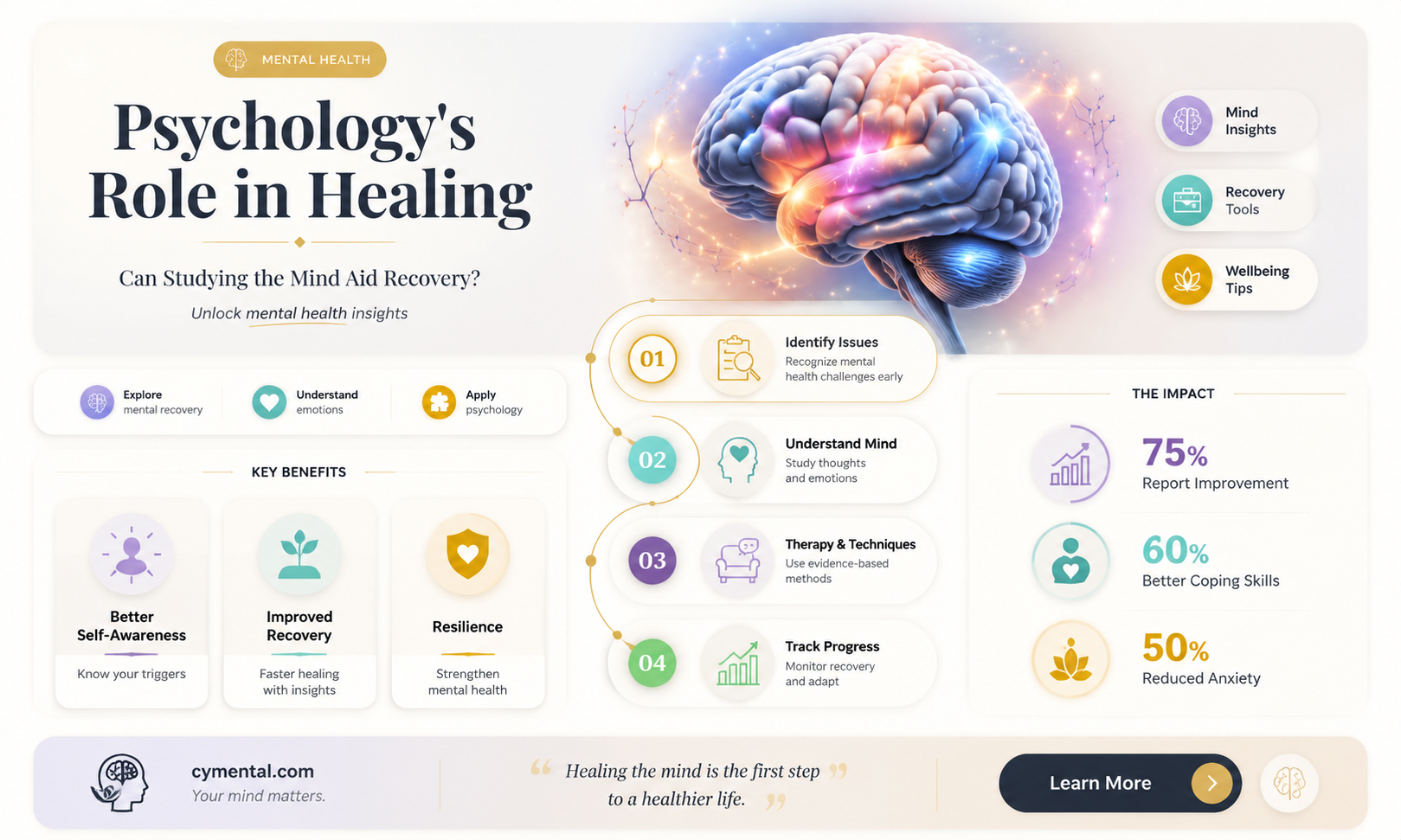
The study of psychology plays a pivotal role in understanding, diagnosing, and treating mental health conditions, offering invaluable tools to help mental health patients. By examining human behavior, emotions, and thought processes, psychologists can identify underlying causes of mental illnesses, develop evidence-based therapies, and tailor interventions to individual needs. Psychological research has led to breakthroughs in treatments like cognitive-behavioral therapy (CBT) and mindfulness-based approaches, which have proven effective in managing disorders such as depression, anxiety, and PTSD. Additionally, psychology fosters empathy and communication skills in mental health professionals, enabling them to build trust and provide compassionate care. Ultimately, the application of psychological principles not only alleviates symptoms but also empowers patients to lead more fulfilling lives, highlighting the profound impact of this field on mental health recovery.
| Characteristics | Values |
|---|---|
| Improved Diagnosis | Psychological knowledge helps in accurately identifying mental health disorders through standardized assessments and diagnostic criteria (e.g., DSM-5, ICD-11). |
| Effective Therapies | Evidence-based psychological interventions like Cognitive Behavioral Therapy (CBT), Dialectical Behavior Therapy (DBT), and psychodynamic therapy have proven efficacy in treating conditions such as depression, anxiety, and PTSD. |
| Personalized Treatment | Understanding individual differences in behavior, cognition, and emotion allows for tailored treatment plans, improving patient outcomes. |
| Prevention Strategies | Psychological research informs preventive measures, such as resilience-building programs and early intervention for at-risk populations. |
| Reduced Stigma | Education in psychology promotes awareness and reduces societal stigma surrounding mental health, encouraging patients to seek help. |
| Holistic Approach | Psychology integrates biological, social, and environmental factors to address mental health comprehensively. |
| Improved Communication | Psychological training enhances therapist-patient communication, fostering trust and adherence to treatment. |
| Research Advancements | Ongoing psychological research contributes to new therapies, medications, and understanding of mental health disorders. |
| Self-Management Skills | Patients learn coping strategies, emotional regulation, and problem-solving skills through psychological interventions. |
| Long-Term Support | Psychological care provides ongoing support for chronic mental health conditions, improving quality of life. |
| Cost-Effectiveness | Psychological interventions are often more cost-effective than long-term medication or hospitalization. |
| Integration with Other Disciplines | Psychology collaborates with psychiatry, neuroscience, and social work for multidisciplinary care. |
| Cultural Sensitivity | Psychological training emphasizes culturally competent care, addressing diverse patient needs. |
| Evidence-Based Practice | Psychological treatments are grounded in empirical research, ensuring effectiveness and reliability. |
| Empowerment | Psychological interventions empower patients by enhancing self-awareness and autonomy in managing their mental health. |
Explore related products


$15.71 $20


$31.33 $32.99


What You'll Learn
- Understanding Patient Behavior: Insights into thoughts, emotions, and actions aid in tailored treatment plans
- Effective Communication Skills: Psychological knowledge improves therapist-patient interactions and trust-building
- Early Intervention Strategies: Recognizing symptoms early through psychology can prevent severe mental health crises
- Personalized Therapy Approaches: Psychology helps match treatments to individual needs, enhancing recovery outcomes
- Reducing Stigma: Education in psychology promotes empathy, reducing societal stigma around mental illness

Understanding Patient Behavior: Insights into thoughts, emotions, and actions aid in tailored treatment plans
Psychological insights into patient behavior serve as the cornerstone for crafting effective, personalized treatment plans. By deciphering the intricate interplay of thoughts, emotions, and actions, clinicians can move beyond one-size-fits-all approaches. For instance, a patient with generalized anxiety disorder may exhibit avoidance behaviors rooted in catastrophic thinking patterns. Understanding these cognitive distortions allows therapists to employ cognitive-behavioral techniques, such as cognitive restructuring, to challenge and reframe maladaptive thoughts. This tailored intervention not only addresses the symptom but also targets the underlying psychological mechanisms driving the behavior.
Consider the case of a 28-year-old patient diagnosed with major depressive disorder who presents with persistent feelings of worthlessness and social withdrawal. A psychological assessment reveals that these emotions stem from unresolved childhood trauma and a deep-seated belief of inadequacy. Armed with this knowledge, the treatment plan integrates trauma-focused therapy, such as Eye Movement Desensitization and Reprocessing (EMDR), alongside interpersonal psychotherapy to address current relational challenges. This multi-faceted approach, informed by an understanding of the patient’s emotional and cognitive landscape, fosters deeper healing than symptom management alone.
Tailoring treatment plans based on behavioral insights also requires a dynamic, iterative process. For example, a 45-year-old patient with obsessive-compulsive disorder (OCD) may initially respond to exposure and response prevention (ERP) therapy but later plateau due to emerging resistance. By closely monitoring the patient’s thoughts and emotions during sessions—such as fear of losing control or heightened anxiety during exposure exercises—the therapist can adjust the pacing of ERP or incorporate mindfulness techniques to enhance emotional regulation. This adaptive approach ensures that treatment remains aligned with the patient’s evolving needs.
Practical application of psychological insights extends to everyday clinical settings. For instance, a child psychologist working with a 10-year-old exhibiting aggressive behavior in school might uncover that the outbursts are linked to feelings of frustration and low self-esteem. Instead of punitive measures, the therapist designs a plan that includes anger management skills training, positive reinforcement for prosocial behaviors, and family sessions to improve communication. This holistic strategy, grounded in an understanding of the child’s emotional and cognitive development, addresses the root causes of the behavior rather than merely suppressing symptoms.
In conclusion, understanding patient behavior through psychological insights is not a luxury but a necessity for effective mental health care. By dissecting the complex web of thoughts, emotions, and actions, clinicians can design interventions that resonate with the individual’s unique experience. Whether through cognitive restructuring, trauma-focused therapies, or adaptive treatment adjustments, this approach ensures that care is not only personalized but also transformative. As mental health professionals, embracing this nuanced understanding empowers us to move beyond surface-level treatments and foster lasting change.
Do Mental Hospitals Help: Exploring Effectiveness and Patient Outcomes
You may want to see also
Explore related products


Effective Communication Skills: Psychological knowledge improves therapist-patient interactions and trust-building
Psychological knowledge equips therapists with the tools to decode nonverbal cues, a critical aspect of effective communication. Patients often communicate distress through body language, tone, or even silence, which can be missed without a trained eye. For instance, a patient’s avoidance of eye contact or fidgeting during a session may signal anxiety or discomfort. Therapists trained in psychology recognize these cues, adapt their approach, and create a safer space for the patient to open up. This nuanced understanding fosters trust, as patients feel seen and understood beyond their words.
Consider the following scenario: A therapist, armed with psychological insights, notices a patient’s crossed arms and tense posture during a discussion about family conflict. Instead of pressing forward, the therapist pauses, acknowledges the patient’s discomfort, and reframes the conversation to explore underlying emotions. This empathetic response, rooted in psychological understanding, not only de-escalates tension but also strengthens the therapeutic alliance. Practical tip: Therapists can practice active observation by dedicating 30 seconds at the start of each session to silently assess the patient’s nonverbal cues before engaging verbally.
Comparatively, therapists without psychological training may misinterpret these cues or overlook them entirely, leading to miscommunication or mistrust. For example, a patient’s silence might be mistaken for disinterest rather than fear of judgment. Psychological knowledge bridges this gap by providing a framework for interpreting behavior and tailoring communication strategies accordingly. Studies show that therapists who integrate psychological principles into their practice report higher patient satisfaction and better treatment outcomes, particularly in cases of trauma or chronic mental health conditions.
To build trust effectively, therapists should employ psychologically informed techniques such as reflective listening and validation. Reflective listening involves paraphrasing the patient’s words to demonstrate understanding, while validation acknowledges the legitimacy of their feelings. For instance, instead of saying, “You shouldn’t feel that way,” a therapist might say, “It makes sense that you’re feeling overwhelmed given what you’ve been through.” These strategies, grounded in psychological theory, communicate empathy and respect, which are cornerstone elements of trust-building. Caution: Overuse of these techniques without genuine intent can come across as insincere, so therapists must balance structure with authenticity.
In conclusion, psychological knowledge transforms therapist-patient interactions by enhancing communication and fostering trust. By recognizing nonverbal cues, employing empathetic strategies, and validating patient experiences, therapists create a therapeutic environment where healing can flourish. For therapists looking to refine their skills, incorporating psychological principles into daily practice is not just beneficial—it’s essential. Start small: Dedicate one session per week to consciously applying one new psychological technique, such as reflective listening, and observe the impact on patient engagement and trust.
Reading for Resilience: How Books Support Mental Health and Healing
You may want to see also
Explore related products


Early Intervention Strategies: Recognizing symptoms early through psychology can prevent severe mental health crises
The human brain, much like a complex machine, often sends out subtle signals when something is amiss. In the realm of mental health, these signals—early symptoms of potential disorders—are frequently overlooked or misinterpreted. Psychology, with its emphasis on understanding behavior and cognition, equips us with the tools to decode these signals. For instance, a teenager exhibiting sudden social withdrawal, changes in sleep patterns, or unexplained irritability might be showing early signs of depression or anxiety. Recognizing these symptoms through psychological frameworks can lead to interventions that prevent the escalation into more severe, harder-to-treat conditions.
Consider the case of cognitive-behavioral therapy (CBT), a psychological intervention often employed in early stages of mental health issues. Studies show that CBT, when administered within the first six months of symptom onset, can reduce the severity of conditions like generalized anxiety disorder by up to 50%. This is not merely about treating symptoms but about rewiring thought patterns before they become entrenched. For children aged 8–12, early intervention programs focusing on emotional regulation and social skills have demonstrated long-term benefits, including lower rates of substance abuse and improved academic performance. The key lies in timely identification—a skill honed through psychological study.
However, early intervention is not without its challenges. Misdiagnosis or over-pathologizing normal behaviors can lead to unnecessary treatments or stigmatization. For example, a child’s temporary mood swings might be misconstrued as bipolar disorder without a nuanced understanding of developmental psychology. Practitioners must balance vigilance with caution, relying on evidence-based criteria like the DSM-5 to guide assessments. Additionally, accessibility remains a barrier; rural or low-income communities often lack resources for early psychological screenings, highlighting the need for systemic solutions.
To implement effective early intervention, a multi-faceted approach is essential. Schools can play a pivotal role by integrating mental health education into curricula and training teachers to spot warning signs. Parents can be empowered through workshops on developmental milestones and red flags. Policymakers must prioritize funding for community-based screening programs, particularly in underserved areas. For individuals, self-awareness is crucial—keeping a mood journal or using apps that track behavioral changes can serve as early warning systems. The goal is not to medicalize every emotion but to foster a culture of proactive mental health care.
In conclusion, psychology’s role in early intervention is both transformative and preventative. By recognizing symptoms before they crystallize into crises, we can alter the trajectory of mental health outcomes. Yet, this requires a collective effort—from educators and clinicians to policymakers and individuals. The science is clear: early action saves lives. The question is not whether psychology can help but how we can leverage its insights to build a more resilient, mentally healthy society.
Austin's Impact: How the City Boosts Mental Health and Well-Being
You may want to see also
Explore related products

$12.14 $19.99


Personalized Therapy Approaches: Psychology helps match treatments to individual needs, enhancing recovery outcomes
Psychology’s role in tailoring therapy to individual needs is revolutionizing mental health treatment. Traditional one-size-fits-all approaches often fall short, as mental health conditions manifest differently across patients. For instance, two individuals diagnosed with depression may have vastly different triggers—one rooted in trauma, the other in biochemical imbalances. Psychology equips clinicians with tools to assess these nuances, enabling the selection of therapies like cognitive-behavioral therapy (CBT) for trauma-based cases or pharmacotherapy combined with light therapy for seasonal affective disorder. This precision not only accelerates recovery but also minimizes trial-and-error periods that can discourage patients.
Consider the case of a 28-year-old with generalized anxiety disorder (GAD) who responds poorly to standard SSRIs. A psychologist might employ psychometric assessments like the Beck Anxiety Inventory to gauge symptom severity, then recommend a combination of mindfulness-based stress reduction (MBSR) and low-dose benzodiazepines (e.g., 0.5 mg of alprazolam as needed) for acute episodes. This hybrid approach addresses both cognitive distortions and physiological symptoms, illustrating how psychology bridges the gap between mind and body in treatment planning.
However, personalization is not without challenges. Clinicians must balance evidence-based practices with patient preferences, cultural contexts, and resource limitations. For example, a 45-year-old with PTSD may prefer eye movement desensitization and reprocessing (EMDR) over prolonged exposure therapy due to its less confrontational nature. Psychology provides frameworks like the transtheoretical model to guide such decisions, ensuring interventions align with the patient’s stage of readiness for change. Without this insight, even the most effective therapies risk disengagement.
Practical implementation requires collaboration. Psychologists, psychiatrists, and primary care providers must share insights to create holistic care plans. For instance, a teenager with ADHD might benefit from a regimen combining stimulant medication (e.g., 10 mg of methylphenidate daily), behavioral therapy, and parent training programs. Psychology’s emphasis on interdisciplinary communication ensures no aspect of the patient’s life—academic, familial, or social—is overlooked.
Ultimately, personalized therapy is not a luxury but a necessity in modern mental health care. By leveraging psychological principles, clinicians can move beyond generic protocols to deliver treatments that resonate with each patient’s unique experiences and biology. This not only improves outcomes but also fosters trust and adherence, turning passive recipients into active participants in their recovery journey.
Encouraging Mental Health Support for Your Husband: Options and Limits
You may want to see also
Explore related products




Reducing Stigma: Education in psychology promotes empathy, reducing societal stigma around mental illness
Stigma surrounding mental illness often stems from misunderstanding and fear of the unknown. Psychology education dismantles these barriers by equipping individuals with knowledge about the biological, psychological, and social factors contributing to mental health conditions. For instance, learning that depression is not merely "feeling sad" but a complex interplay of neurotransmitters, genetics, and environmental stressors fosters a more nuanced understanding. This knowledge shifts public perception from judgment to compassion, encouraging society to view mental illness as a health issue rather than a personal failing.
Consider the impact of integrating psychology into high school curricula. A study by the American Psychological Association found that students who completed courses on mental health reported higher levels of empathy and reduced stigmatizing attitudes. These courses often include role-playing exercises, case studies, and personal narratives, which humanize mental health struggles and challenge stereotypes. For example, a lesson on anxiety disorders might involve students simulating a panic attack scenario, helping them grasp the physical and emotional toll it takes. Such experiential learning not only educates but also cultivates empathy, a cornerstone of stigma reduction.
However, education alone is not a panacea. To maximize its impact, psychology curricula must be designed thoughtfully. They should emphasize evidence-based practices, avoid oversimplification, and include diverse perspectives to reflect the complexity of mental health. For instance, discussing cultural differences in symptom expression or treatment approaches can prevent the perpetuation of one-size-fits-all narratives. Additionally, educators should model empathetic language, avoiding terms like "crazy" or "schizo" that reinforce stigma. Practical tips for educators include incorporating guest speakers with lived experience, using multimedia resources, and encouraging open dialogue about mental health.
The ripple effects of psychology education extend beyond the classroom. When individuals understand mental illness, they are more likely to recognize symptoms in themselves or others and seek help without fear of judgment. This shift can lead to earlier interventions, better treatment outcomes, and improved quality of life for those affected. For example, a parent educated in child psychology might notice signs of anxiety in their teenager and seek professional support rather than dismissing it as "teenage moodiness." By normalizing conversations about mental health, psychology education creates a supportive environment where stigma cannot thrive.
In conclusion, psychology education serves as a powerful tool in the fight against mental health stigma. By promoting empathy through knowledge, experiential learning, and inclusive curricula, it transforms societal attitudes and fosters a culture of understanding. While challenges remain, the potential for positive change is undeniable. As more individuals become psychologically literate, the stigma surrounding mental illness will continue to erode, paving the way for a more compassionate and informed society.
Supporting Loved Ones: Strategies to Assist Those Denying Mental Health Struggles
You may want to see also
Frequently asked questions
Yes, studying psychology provides professionals with evidence-based techniques, therapeutic approaches, and a deeper understanding of mental health conditions, enabling them to offer more effective treatment and support to patients.
Psychology teaches empathy, active listening, and non-judgmental communication, which are essential for building trust and rapport with patients, fostering a safe environment for healing.
Trained psychologists and mental health professionals can diagnose disorders using standardized tools and assessments, but proper credentials and clinical training are required for accurate diagnosis and treatment.
Yes, understanding the science behind mental health conditions through psychology education promotes awareness, compassion, and challenges misconceptions, contributing to stigma reduction.
Absolutely. Psychology equips individuals with insights into behavior, coping strategies, and self-awareness, empowering patients to manage their mental health proactively in daily life.