Ava Ramirez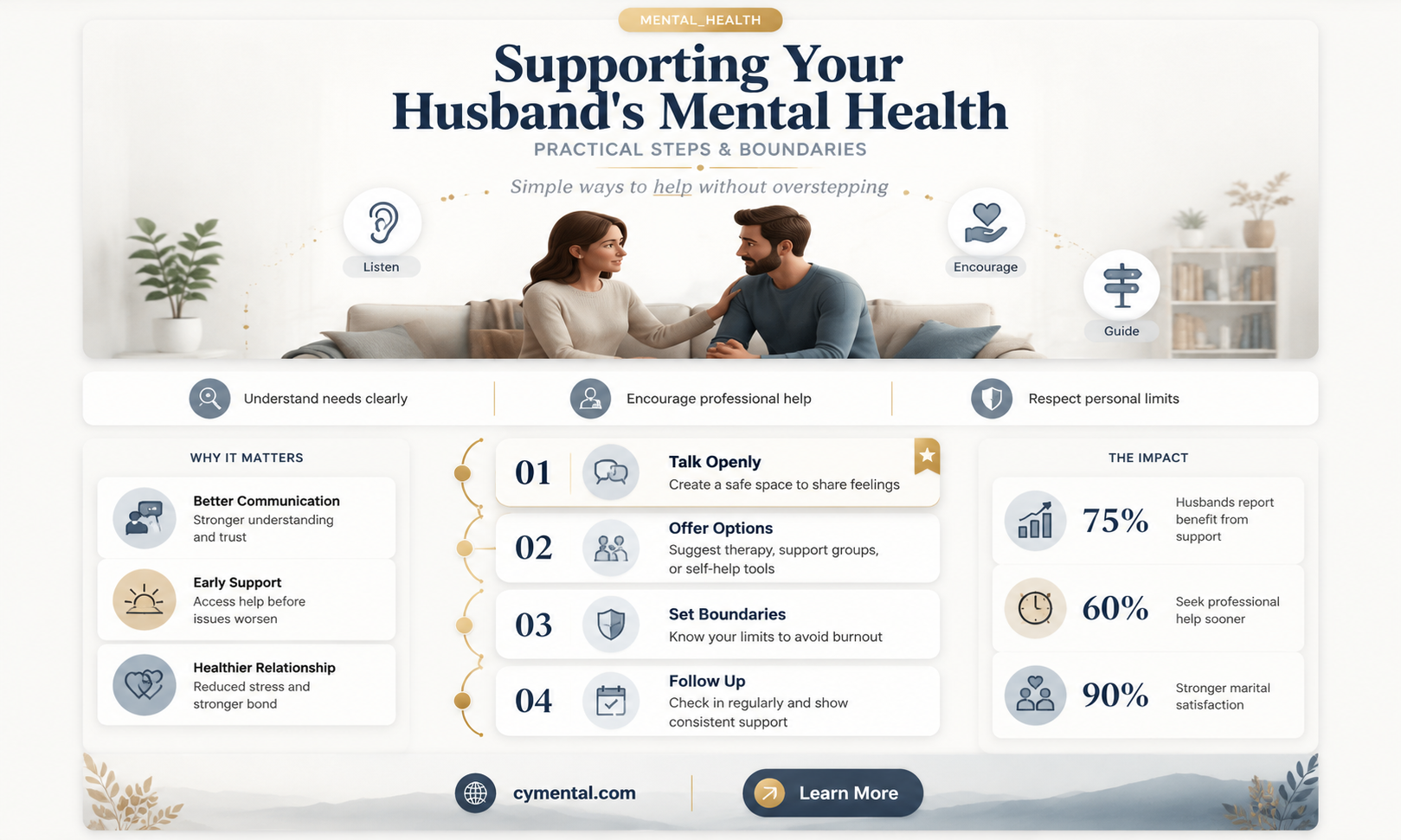
Seeking mental health support is a deeply personal decision, and it’s natural to feel concerned if your husband is struggling but resistant to getting help. While you cannot force someone to seek treatment, you can encourage open communication, express your concerns empathetically, and explore options like couples therapy or involving a trusted third party, such as a counselor or family member. It’s important to approach the situation with patience, understanding, and respect for his autonomy, while also prioritizing your own well-being and setting boundaries if his behavior becomes harmful. Ultimately, fostering a supportive environment and offering resources may help him feel more comfortable taking steps toward healing.
| Characteristics | Values |
|---|---|
| Legal Ability to Force Treatment | Generally, you cannot force an adult to seek mental health treatment against their will unless they pose an immediate danger to themselves or others. Laws vary by jurisdiction, but most require a court order for involuntary commitment. |
| Involuntary Commitment Criteria | Typically requires evidence of severe mental illness, inability to care for oneself, and a substantial risk of harm to self or others. |
| Role of Spouse | As a spouse, you can express concern, encourage treatment, and seek legal advice, but you cannot force treatment without meeting legal criteria. |
| Ethical Considerations | Forcing treatment raises ethical concerns about autonomy and consent. It’s often more effective to approach the situation with empathy and support. |
| Supportive Actions | Encourage open communication, offer to accompany them to appointments, and seek couples therapy or family support. |
| Crisis Intervention | In a crisis, contact emergency services or a mental health hotline for immediate assistance. |
| Legal Consultation | Consult a lawyer or mental health professional to understand your options and the legal process in your area. |
| Long-Term Strategies | Focus on building trust, educating yourself about mental health, and creating a supportive environment. |
| Cultural and Social Factors | Stigma around mental health may influence willingness to seek help; approach the topic sensitively and without judgment. |
| Professional Resources | Utilize therapists, counselors, or support groups to navigate the situation effectively. |
Explore related products


What You'll Learn

Legal Options for Intervention
In situations where a spouse’s mental health poses a risk to themselves or others, legal intervention may become necessary. While the ability to "force" someone into treatment varies by jurisdiction, certain legal mechanisms exist to address urgent cases. One such option is an involuntary commitment order, also known as a "Section 52" in some regions or a "72-hour hold" in others. This process typically requires evidence of imminent danger, such as suicidal behavior, homicidal threats, or severe self-neglect. A petition must be filed with a court, often supported by a mental health professional’s evaluation, to initiate this process. It’s a drastic measure, reserved for crises, but it can provide immediate intervention when voluntary treatment is not an option.
Another legal avenue is guardianship or conservatorship, which grants a designated individual the authority to make decisions on behalf of the person in need. This option is more long-term and involves proving that the individual is incapable of managing their own affairs due to mental illness. The process requires court approval and often involves ongoing oversight by a judge. While it can ensure consistent care, it also raises ethical concerns about autonomy and should be considered only after less restrictive measures have been explored. Guardianship is not about control but about ensuring safety and well-being when all other options have been exhausted.
For less severe cases, some jurisdictions offer outpatient commitment programs, which mandate treatment while allowing the individual to remain in the community. These programs often include regular therapy sessions, medication management, and court-supervised check-ins. Eligibility criteria vary, but they generally require a demonstrated history of non-compliance with treatment leading to hospitalization or dangerous behavior. While this approach respects independence more than inpatient commitment, it still relies on legal enforcement to ensure adherence to the treatment plan.
It’s crucial to approach these legal options with caution and empathy. Involuntary treatment can strain relationships and may only be effective if paired with long-term support systems. Consulting with a family law attorney or mental health advocate can provide clarity on the specific laws in your area and help navigate the complexities of the process. Remember, the goal is not to punish but to secure the care needed for recovery, even when it must be legally enforced.
Finding Support: Where to Go for Mental Health Help and Guidance
You may want to see also
Explore related products





Recognizing Signs of Mental Distress
Mental distress often manifests in subtle changes before escalating into noticeable behaviors. Look for shifts in daily routines, such as sudden disinterest in hobbies, irregular sleep patterns, or unexplained changes in appetite. For instance, a husband who once enjoyed morning runs might now skip them consistently, or he might start binge-eating late at night. These deviations from baseline behavior can signal underlying emotional turmoil. Tracking these changes over time, perhaps in a journal, can help you identify patterns and determine whether professional intervention is necessary.
Analyzing communication patterns is another critical step in recognizing mental distress. Pay attention to increased irritability, frequent withdrawal from conversations, or expressions of hopelessness. For example, if your husband begins responding to simple questions with frustration or avoids discussing future plans altogether, these could be red flags. Compare his current communication style to how he interacted six months ago. Such a comparative analysis can highlight deterioration in mental health and underscore the urgency of seeking help.
Physical symptoms often accompany mental distress, serving as silent cries for attention. Persistent headaches, unexplained fatigue, or gastrointestinal issues without a clear medical cause may indicate psychological strain. For instance, if your husband complains of constant back pain despite no recent injury, consider whether stress or anxiety could be contributing factors. Encouraging a medical checkup can rule out physical causes and open a conversation about mental health.
Persuading someone to seek help requires empathy and strategy. Start by expressing concern without judgment, using "I" statements to avoid defensiveness. For example, say, "I’ve noticed you seem more tired lately, and I’m worried about you," instead of, "You’re always so moody now." Offer practical steps, such as researching therapists together or suggesting a trial session with a counselor. Remember, forcing help is rarely effective, but creating a supportive environment can encourage voluntary action.
Finally, recognize the limits of your role in your husband’s mental health journey. While you can identify signs of distress and offer support, the decision to seek help ultimately rests with him. Educate yourself about mental health resources, such as crisis hotlines or support groups, and share them casually without pressure. By focusing on understanding and compassion, you can foster an atmosphere where seeking help becomes a collaborative effort rather than a confrontation.
Helping Reluctant Loved Ones Access Mental Health Care in Texas
You may want to see also
Explore related products


Approaches to Encourage Seeking Help
Encouraging a partner to seek mental health support requires a delicate balance of empathy, patience, and strategic communication. Start by creating a safe, non-judgmental space for open dialogue. Choose a calm moment when neither of you is distracted or stressed, and use "I" statements to express your concerns without sounding accusatory. For example, say, "I’ve noticed you seem more withdrawn lately, and I’m worried about you," rather than, "You’re always so distant and it’s frustrating." This approach minimizes defensiveness and invites collaboration.
One effective strategy is to frame seeking help as a shared goal rather than a personal failure. Research shows that men often avoid mental health treatment due to societal stigma or fear of appearing weak. Counteract this by emphasizing that therapy or counseling is a sign of strength and self-care. Share stories of others who have benefited from professional help, or suggest couples therapy as a way to address relationship challenges together. This shifts the focus from individual blame to mutual growth.
Practical barriers often deter people from seeking help, so proactively address these obstacles. Offer to help find a therapist, schedule appointments, or accompany your partner to the first session. If cost is a concern, explore affordable options like sliding-scale clinics, telehealth services, or employee assistance programs. For those hesitant to commit, suggest starting with a single session or a mental health screening to ease anxiety about the process. Small, manageable steps can make the idea of seeking help feel less overwhelming.
Finally, be prepared for resistance and avoid ultimatums, which can escalate tension and deepen resentment. Instead, focus on reinforcing your support and maintaining consistency in your message. Let your partner know that you’re there for them, regardless of their decision, but also set boundaries to protect your own well-being. Encouraging mental health treatment is a gradual process that requires persistence, compassion, and respect for your partner’s autonomy. Over time, your efforts can help foster a mindset shift, making the idea of seeking help feel less daunting and more attainable.
Mental Health Attitudes: Impact on Help-Seeking Behavior and Service Utilization
You may want to see also
Explore related products


$10.71 $20

$12.14 $19.99


Impact on Marriage and Family
Unaddressed mental health issues in a spouse can create a ripple effect, straining the very foundation of a marriage and family life. The emotional toll on the partner often manifests as frustration, fear, and a sense of helplessness, leading to communication breakdowns and a growing emotional distance. Children, inherently sensitive to familial dynamics, may internalize the tension, exhibiting behavioral changes or academic struggles. This silent crisis underscores the urgency of addressing mental health within the family unit.
Consider the logistical challenges: a spouse’s untreated mental health condition can disrupt daily routines, from financial stability to co-parenting responsibilities. For instance, a partner with severe depression may struggle to maintain employment, placing undue financial pressure on the family. Similarly, anxiety disorders can lead to overprotective parenting, stifling a child’s independence. Practical steps, such as establishing a shared family calendar or delegating tasks based on individual strengths, can mitigate some of these challenges, but they are Band-Aids on a deeper wound.
Persuasively, it’s critical to recognize that forcing mental health treatment is rarely effective and often counterproductive. Coercion can breed resentment and erode trust, further damaging the marital bond. Instead, focus on fostering an environment of empathy and open dialogue. Encourage professional help by framing it as a collaborative effort for the family’s well-being, not as a personal failure. For example, suggesting couples therapy can provide a neutral space to address concerns and rebuild connection.
Comparatively, families that prioritize mental health as a collective responsibility tend to fare better. In households where both partners model self-care and seek support when needed, children learn resilience and empathy. Contrast this with families where mental health is stigmatized or ignored, where the long-term consequences can include strained relationships, intergenerational trauma, and a cycle of avoidance. The takeaway is clear: addressing mental health is not just an individual issue—it’s a family imperative.
Descriptively, imagine a family dinner where tension hangs heavier than the food on the table. The husband, withdrawn and irritable, barely engages, while the wife’s forced smiles mask her growing despair. The children, sensing the unease, eat in silence. This scene is a snapshot of the emotional erosion that occurs when mental health issues go unaddressed. Breaking this cycle requires proactive steps: scheduling regular family check-ins, educating children about mental health in age-appropriate ways (e.g., explaining anxiety as “worry feelings” for younger kids), and celebrating small victories together. The goal is not perfection but progress—one conversation, one therapy session, one shared moment of understanding at a time.
Supporting Mental Health: Practical Ways to Help Someone in Need
You may want to see also
Explore related products




Ethical Considerations and Boundaries
Forcing someone into mental health treatment raises profound ethical questions about autonomy versus care. The principle of self-determination in healthcare asserts that competent adults have the right to make their own medical decisions, even if those choices seem unwise to others. Mental health treatment, in particular, relies on voluntary engagement for effectiveness; coerced therapy often leads to resistance, distrust, and limited therapeutic alliance. While concern for a loved one’s well-being is understandable, overriding their autonomy without clear evidence of immediate danger can erode trust and worsen the relationship. Ethical frameworks like the Belmont Report emphasize respect for persons, beneficence, and justice—all of which are compromised when coercion replaces consent.
Legal boundaries further complicate attempts to mandate mental health treatment. In most jurisdictions, involuntary commitment requires proof of a severe mental health condition, imminent harm to self or others, and the absence of less restrictive alternatives. For example, in the U.S., criteria for involuntary hospitalization vary by state but typically involve a court order or emergency evaluation by mental health professionals. Misinterpreting a spouse’s behavior as dangerous without clinical evidence can lead to legal backlash, including accusations of abuse of power or violation of rights. Even in cases where intervention is legally justified, the process must adhere strictly to due process, ensuring the individual’s rights are protected.
A more constructive approach involves balancing support with respect for boundaries. Start by fostering open communication, expressing concern without judgment, and offering to accompany your spouse to a voluntary assessment. Practical steps include researching therapists or programs together, emphasizing the benefits of early intervention (e.g., improved mood, better relationships), and avoiding ultimatums that escalate tension. For instance, framing therapy as a collaborative effort rather than a demand can reduce defensiveness. If your spouse remains resistant, consider seeking individual counseling to navigate your own emotions and learn effective ways to encourage change without coercion.
Comparing forced intervention to supportive strategies highlights the ethical and practical trade-offs. Coercion may provide temporary relief if a crisis is averted, but it often damages long-term trust and self-esteem. In contrast, patient-led approaches, such as motivational interviewing, have been shown to increase treatment acceptance by empowering individuals to recognize their own need for help. A study in *Psychiatric Services* found that voluntary patients had significantly higher recovery rates than those admitted involuntarily, underscoring the importance of intrinsic motivation. By prioritizing empathy and patience, you can uphold ethical boundaries while still advocating for your spouse’s well-being.
Ultimately, the ethical dilemma of forcing mental health treatment hinges on recognizing the limits of your role as a spouse. While you can offer support, education, and encouragement, the decision to seek help must remain theirs. Respecting this boundary not only aligns with ethical principles but also preserves the dignity and agency of your partner. If you suspect a crisis, contact a mental health professional or crisis hotline for guidance on appropriate interventions. Remember, ethical care is not about control but about creating an environment where healing can occur voluntarily and sustainably.
Effective Strategies to Help Others: A Comprehensive Guide to Support
You may want to see also
Frequently asked questions
In most jurisdictions, you cannot legally force an adult to seek mental health treatment unless they pose an immediate danger to themselves or others. However, you can encourage and support them in seeking help voluntarily.
You can seek support for yourself and your family through counseling or therapy. Additionally, consider involving a trusted third party, such as a therapist or clergy member, to mediate a conversation about the importance of seeking help.
Legal options vary by location, but involuntary commitment is typically reserved for extreme cases where an individual is a danger to themselves or others. Consult a lawyer or mental health professional to understand the specific laws in your area.
Approach the conversation with empathy and understanding, focusing on your concern for his well-being rather than blame. Share specific examples of how his behavior has impacted you and the family, and offer to help find a therapist or resources that might appeal to him.