Noah Parker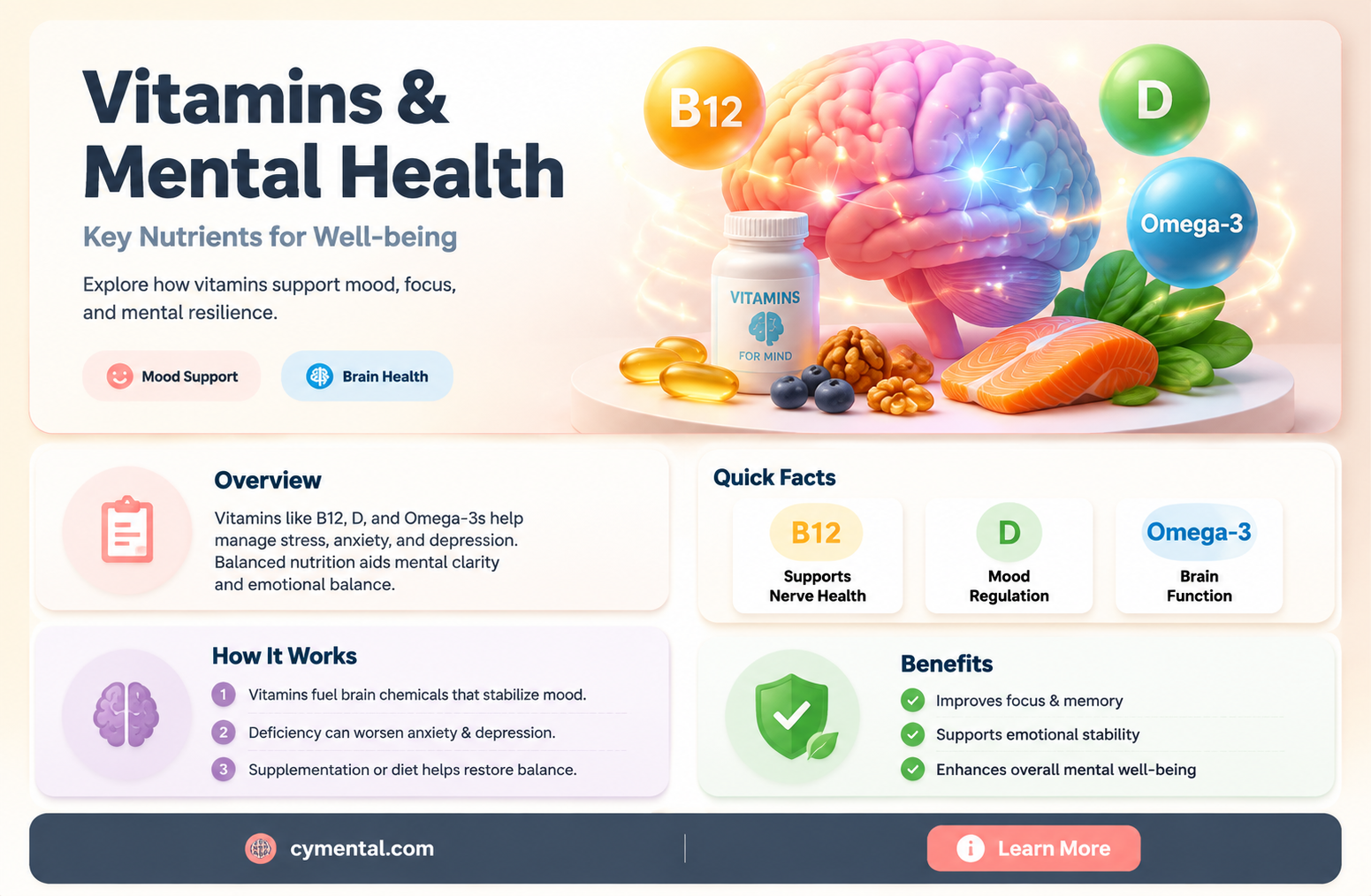
Vitamins and other nutrients play a crucial role in overall health, including brain function and mental well-being. Emerging research suggests that certain vitamins, such as B vitamins (particularly B6, B9, and B12), vitamin D, and antioxidants like vitamins C and E, may influence mental health by supporting neurotransmitter production, reducing inflammation, and protecting against oxidative stress. While not a standalone treatment for mental illness, addressing nutritional deficiencies and incorporating these vitamins through diet or supplements could potentially complement traditional therapies, offering additional support for conditions like depression, anxiety, and cognitive decline. However, further studies are needed to fully understand their efficacy and optimal use in mental health care.
| Characteristics | Values |
|---|---|
| Role of Vitamins in Mental Health | Certain vitamins (e.g., B vitamins, vitamin D, and omega-3 fatty acids) play a role in brain function, neurotransmitter synthesis, and reducing inflammation, which may alleviate symptoms of mental illness. |
| Vitamin D and Depression | Low levels of vitamin D are linked to depression. Supplementation may improve mood in deficient individuals, though results are mixed. |
| B Vitamins (B6, B9, B12) | Essential for neurotransmitter production (e.g., serotonin, dopamine). Deficiencies are associated with depression and anxiety; supplementation may help in some cases. |
| Omega-3 Fatty Acids | Not a vitamin, but often grouped with supplements. Evidence suggests omega-3s (EPA and DHA) may reduce symptoms of depression and schizophrenia. |
| Antioxidants (Vitamins C, E) | May reduce oxidative stress, which is elevated in some mental illnesses. Limited evidence for direct mental health benefits. |
| Magnesium and Zinc | Not vitamins, but minerals that support brain health. Deficiencies are linked to depression and anxiety; supplementation may be beneficial. |
| Limitations of Supplements | Vitamins are not a standalone treatment for mental illness. They may complement traditional therapies (medication, therapy) but should not replace them. |
| Individual Variability | Effects of vitamins vary based on genetics, diet, and severity of mental illness. Not everyone responds to supplementation. |
| Research Status | Evidence is growing but still limited. More studies are needed to confirm efficacy, optimal dosages, and long-term effects. |
| Safety Considerations | Most vitamins are safe in recommended doses, but excessive intake can cause side effects. Always consult a healthcare provider before starting supplements. |
Explore related products

$16.97 $19.99


What You'll Learn
- Vitamin D and Depression: Low levels linked to depression; supplementation may improve mood in deficient individuals
- B Vitamins and Anxiety: B6, B9, B12 deficiencies can worsen anxiety; supplementation supports neurotransmitter function
- Omega-3s and Mood: EPA and DHA in omega-3s reduce symptoms of depression and bipolar disorder
- Magnesium for Stress: Magnesium deficiency increases stress; supplementation promotes relaxation and reduces anxiety
- Antioxidants and Mental Health: Vitamins C and E combat oxidative stress, potentially alleviating mental illness symptoms

Vitamin D and Depression: Low levels linked to depression; supplementation may improve mood in deficient individuals
Vitamin D, often dubbed the “sunshine vitamin,” plays a pivotal role in more than just bone health. Emerging research suggests a compelling link between low Vitamin D levels and depression, particularly in individuals with deficiencies. Studies have shown that people with depression frequently exhibit lower serum Vitamin D concentrations compared to those without the condition. This correlation raises an important question: Can addressing Vitamin D deficiency through supplementation alleviate depressive symptoms?
Consider the mechanism at play. Vitamin D receptors are present in brain regions associated with mood regulation, such as the hippocampus and prefrontal cortex. Deficiency may impair neuroplasticity and neurotransmitter synthesis, contributing to depressive states. Supplementation, particularly in deficient individuals, has shown promise in improving mood and reducing symptoms of depression. For instance, a meta-analysis published in the *Journal of Affective Disorders* found that Vitamin D supplementation was effective in reducing depressive symptoms, especially in those with clinically low levels.
Practical implementation is key. Adults with Vitamin D deficiency, often defined as levels below 20 ng/mL, may benefit from daily supplementation ranging from 1,000 to 4,000 IU, depending on severity. It’s crucial to monitor levels through blood tests to avoid toxicity, as excessive intake can lead to hypercalcemia. Pairing supplementation with sunlight exposure (10–30 minutes daily) and dietary sources like fatty fish, fortified foods, and egg yolks can enhance absorption.
However, supplementation isn’t a one-size-fits-all solution. While it may significantly improve mood in deficient individuals, those with adequate Vitamin D levels are unlikely to experience notable benefits. Additionally, Vitamin D supplementation should complement, not replace, conventional treatments for depression, such as therapy or medication. Always consult a healthcare provider before starting any regimen, particularly for older adults, pregnant individuals, or those with comorbidities.
In summary, the link between Vitamin D deficiency and depression underscores the importance of addressing nutritional gaps in mental health care. For those with low levels, supplementation can be a valuable tool in improving mood and overall well-being. By combining evidence-based dosing, lifestyle adjustments, and professional guidance, individuals can harness the potential of Vitamin D to support their mental health journey.
Can Mental Health Case Managers Assist in Securing Disability Benefits?
You may want to see also
Explore related products



$37.95 $39.95


B Vitamins and Anxiety: B6, B9, B12 deficiencies can worsen anxiety; supplementation supports neurotransmitter function
B vitamins, particularly B6, B9, and B12, play a critical role in brain health by supporting the production of neurotransmitters like serotonin, dopamine, and gamma-aminobutyric acid (GABA). These chemicals regulate mood, stress response, and anxiety levels. Deficiencies in these vitamins can disrupt this delicate balance, potentially exacerbating anxiety symptoms. For instance, low B6 levels impair serotonin synthesis, while B12 deficiency is linked to increased homocysteine, a compound associated with heightened anxiety. Recognizing these connections highlights the importance of adequate B vitamin intake for mental well-being.
To address B vitamin deficiencies, supplementation can be a practical strategy, but it’s essential to approach it thoughtfully. Adults typically require 1.3–2 mg of B6 daily, 400 mcg of B9 (folate), and 2.4 mcg of B12. However, individual needs vary based on age, diet, and health conditions. For example, pregnant women or those with malabsorption issues may require higher doses. Always consult a healthcare provider before starting supplements, as excessive intake (e.g., over 100 mg of B6 daily) can lead to nerve damage. Combining supplements with a diet rich in B vitamins—such as leafy greens, legumes, eggs, and fortified cereals—maximizes their effectiveness.
Comparing B vitamin supplementation to other anxiety interventions reveals its unique advantages. Unlike prescription medications, which often come with side effects or dependency risks, B vitamins are generally safe and support overall health. They also complement other strategies like therapy or mindfulness practices. For instance, a study published in *Psychiatry Research* found that B vitamin complex supplementation significantly reduced anxiety and stress in participants with work-related burnout. This underscores their role as a holistic, low-risk option for managing anxiety.
Practical tips for incorporating B vitamins into your routine include taking them with meals to enhance absorption, especially for B12, which relies on stomach acid for activation. For those with dietary restrictions, methylated forms of B9 (methylfolate) and B12 (methylcobalamin) are more bioavailable and suitable for individuals with MTHFR gene mutations. Monitoring symptoms over 4–6 weeks can help assess the impact of supplementation. If anxiety persists, consider exploring other factors like lifestyle or underlying conditions, as B vitamins are one piece of the puzzle, not a standalone solution.
Can Your GP Support Mental Health? Exploring Primary Care Options
You may want to see also
Explore related products


Omega-3s and Mood: EPA and DHA in omega-3s reduce symptoms of depression and bipolar disorder
Omega-3 fatty acids, specifically eicosapentaenoic acid (EPA) and docosahexaenoic acid (DHA), have emerged as key players in the relationship between nutrition and mental health. Research consistently highlights their role in reducing symptoms of depression and bipolar disorder, conditions that affect millions globally. These essential fats, primarily found in fatty fish like salmon, mackerel, and sardines, are not produced by the body and must be obtained through diet or supplementation. Studies suggest that EPA, in particular, may be more effective than DHA in alleviating depressive symptoms, though both work synergistically to support brain function.
To harness the mood-stabilizing benefits of omega-3s, adults are often advised to consume at least 250–500 mg of combined EPA and DHA daily for general health. For therapeutic purposes, such as managing depression or bipolar disorder, higher doses of 1,000–2,000 mg of EPA daily are commonly recommended. It’s crucial to consult a healthcare provider before starting high-dose supplementation, especially for those on medications or with underlying health conditions. For children and adolescents, dosages should be age-adjusted, typically starting at 500 mg daily, under professional guidance.
Practical tips for incorporating omega-3s into daily life include eating fatty fish 2–3 times per week, adding flaxseeds or chia seeds to meals for plant-based sources, and choosing fortified foods like eggs or yogurt. For those who struggle with dietary intake, high-quality fish oil supplements are a convenient alternative. Look for products with third-party testing to ensure purity and potency, as contaminants like mercury can be a concern in lower-quality supplements.
While omega-3s are not a standalone cure for mental illness, they serve as a valuable adjunct to traditional treatments like therapy and medication. Their anti-inflammatory and neuroprotective properties make them particularly beneficial for individuals with mood disorders, where inflammation often plays a role. Combining omega-3 supplementation with lifestyle changes, such as regular exercise and stress management, can amplify their effects. As research continues to evolve, omega-3s stand out as a promising, accessible tool in the holistic approach to mental health.
Furry Fandom and Mental Health: Exploring Emotional Benefits and Support
You may want to see also
Explore related products


![NatureWise Vitamin B Complex for Women and Men - with Folic Acid Biotin B1 B2 B3 B6 B12 - Support Cellular Energy & Mental Clarity - Gluten & Dairy Free, Non-GMO - 60 Softgels[2-Month Supply]](https://m.media-amazon.com/images/I/71xmk3fvnoL._AC_UL320_.jpg)


Magnesium for Stress: Magnesium deficiency increases stress; supplementation promotes relaxation and reduces anxiety
Magnesium, an often-overlooked mineral, plays a pivotal role in managing stress and anxiety. Research indicates that magnesium deficiency is linked to heightened stress responses, as it impairs the body’s ability to regulate cortisol, the primary stress hormone. Conversely, adequate magnesium levels support the activation of the parasympathetic nervous system, promoting relaxation and calmness. This mineral acts as a natural tranquilizer, making it a valuable tool for those seeking to mitigate stress without relying on pharmaceuticals.
To harness magnesium’s stress-relieving benefits, supplementation can be a practical approach, especially for individuals with proven deficiencies. The recommended daily intake varies by age and gender: adult men require 400–420 mg, while adult women need 310–320 mg. However, for stress management, doses of 200–400 mg daily, preferably in the evening, are often suggested. Forms like magnesium glycinate or magnesium threonate are ideal, as they have high bioavailability and minimal laxative effects. Always consult a healthcare provider before starting supplementation, particularly if you have kidney issues or are on medication.
Beyond supplements, dietary sources of magnesium offer a natural way to boost intake. Leafy greens (e.g., spinach), nuts (e.g., almonds), seeds (e.g., pumpkin seeds), and whole grains are rich in this mineral. Incorporating these foods into daily meals can help maintain optimal magnesium levels, indirectly supporting stress reduction. For instance, a handful of almonds as a snack or a spinach salad for lunch can contribute significantly to your daily magnesium needs.
While magnesium supplementation is generally safe, excessive intake can lead to side effects such as diarrhea or nausea. It’s crucial to monitor your body’s response and adjust dosage accordingly. Additionally, magnesium’s effects on stress are not immediate; consistent use over several weeks is typically required to notice improvements. Pairing magnesium supplementation with stress-reduction techniques like mindfulness or exercise can enhance its efficacy, creating a holistic approach to mental well-being.
In conclusion, magnesium’s role in stress management is both scientifically supported and practically applicable. By addressing deficiencies through supplementation or diet, individuals can promote relaxation and reduce anxiety. However, it’s a complementary strategy, not a standalone solution. Combining magnesium with lifestyle changes and professional guidance ensures a balanced and effective approach to combating stress.
Seeking Support: Effective Ways to Get Help When You Need It Most
You may want to see also
Explore related products


Antioxidants and Mental Health: Vitamins C and E combat oxidative stress, potentially alleviating mental illness symptoms
Oxidative stress, a condition marked by an imbalance between free radicals and antioxidants in the body, has been increasingly linked to mental health disorders. Research suggests that chronic oxidative stress can damage brain cells, disrupt neurotransmitter function, and contribute to conditions like depression, anxiety, and schizophrenia. Enter vitamins C and E, two potent antioxidants that may play a pivotal role in mitigating these effects. Vitamin C, a water-soluble antioxidant, scavenges free radicals in both intracellular and extracellular environments, while vitamin E, fat-soluble, protects cell membranes from oxidative damage. Together, they form a dynamic duo that could potentially alleviate symptoms of mental illness by reducing oxidative stress in the brain.
To harness the benefits of vitamins C and E, consider incorporating them into your daily routine through diet or supplementation. Foods rich in vitamin C include citrus fruits, strawberries, bell peppers, and broccoli, while vitamin E can be found in almonds, sunflower seeds, spinach, and avocados. For supplementation, the recommended daily allowance (RDA) for vitamin C is 75–90 mg for adults, though some studies suggest higher doses (up to 500 mg) for therapeutic effects. For vitamin E, the RDA is 15 mg (22.4 IU), but doses of 100–400 IU have been studied for their antioxidant benefits. Always consult a healthcare provider before starting high-dose supplementation, especially if you have underlying health conditions or are taking medications.
A comparative analysis of studies reveals promising results. For instance, a 2013 meta-analysis published in *Nutritional Neuroscience* found that vitamin C supplementation significantly reduced anxiety levels in high-stress individuals. Similarly, a 2018 study in *Psychopharmacology* demonstrated that vitamin E supplementation improved cognitive function in patients with mild cognitive impairment, a precursor to dementia. These findings underscore the potential of antioxidants in managing mental health symptoms, though more research is needed to establish optimal dosages and long-term effects.
Practical tips for maximizing the benefits of vitamins C and E include pairing them with foods high in healthy fats (like olive oil or nuts) to enhance vitamin E absorption, and consuming vitamin C-rich foods raw or lightly cooked to preserve their antioxidant properties. For those with dietary restrictions or limited access to fresh produce, high-quality supplements can be a convenient alternative. However, it’s crucial to note that while antioxidants may support mental health, they are not a standalone treatment for severe conditions. Combining them with evidence-based therapies, such as medication and psychotherapy, offers a more holistic approach to mental wellness.
In conclusion, vitamins C and E offer a compelling avenue for combating oxidative stress and potentially alleviating symptoms of mental illness. By understanding their mechanisms, incorporating them into your diet or supplement regimen, and adopting practical strategies for optimal absorption, you can take proactive steps toward supporting your mental health. While not a cure-all, these antioxidants represent a valuable tool in the broader toolkit for managing and improving mental well-being.
Social Services and Mental Health: A Path to Healing and Support
You may want to see also
Frequently asked questions
Yes, certain vitamins, such as B vitamins (B6, B9, B12), vitamin D, and omega-3 fatty acids, have been shown to support brain health and may help reduce symptoms of depression, anxiety, and other mental health conditions when combined with proper treatment.
Yes, deficiencies in vitamins like B12, D, and folate (B9) have been associated with increased risks of depression, anxiety, and cognitive decline. Addressing these deficiencies through supplementation or diet may improve mental health outcomes.
No, vitamins should not replace prescribed medications for mental illness. However, they can complement treatment by supporting overall brain function and mental well-being when used under professional guidance.
Vitamins D, B-complex (especially B6, B9, B12), and minerals like magnesium and zinc are often highlighted for their roles in mood regulation and brain health. Omega-3 fatty acids, though not vitamins, are also crucial for mental well-being.