Harper Lewis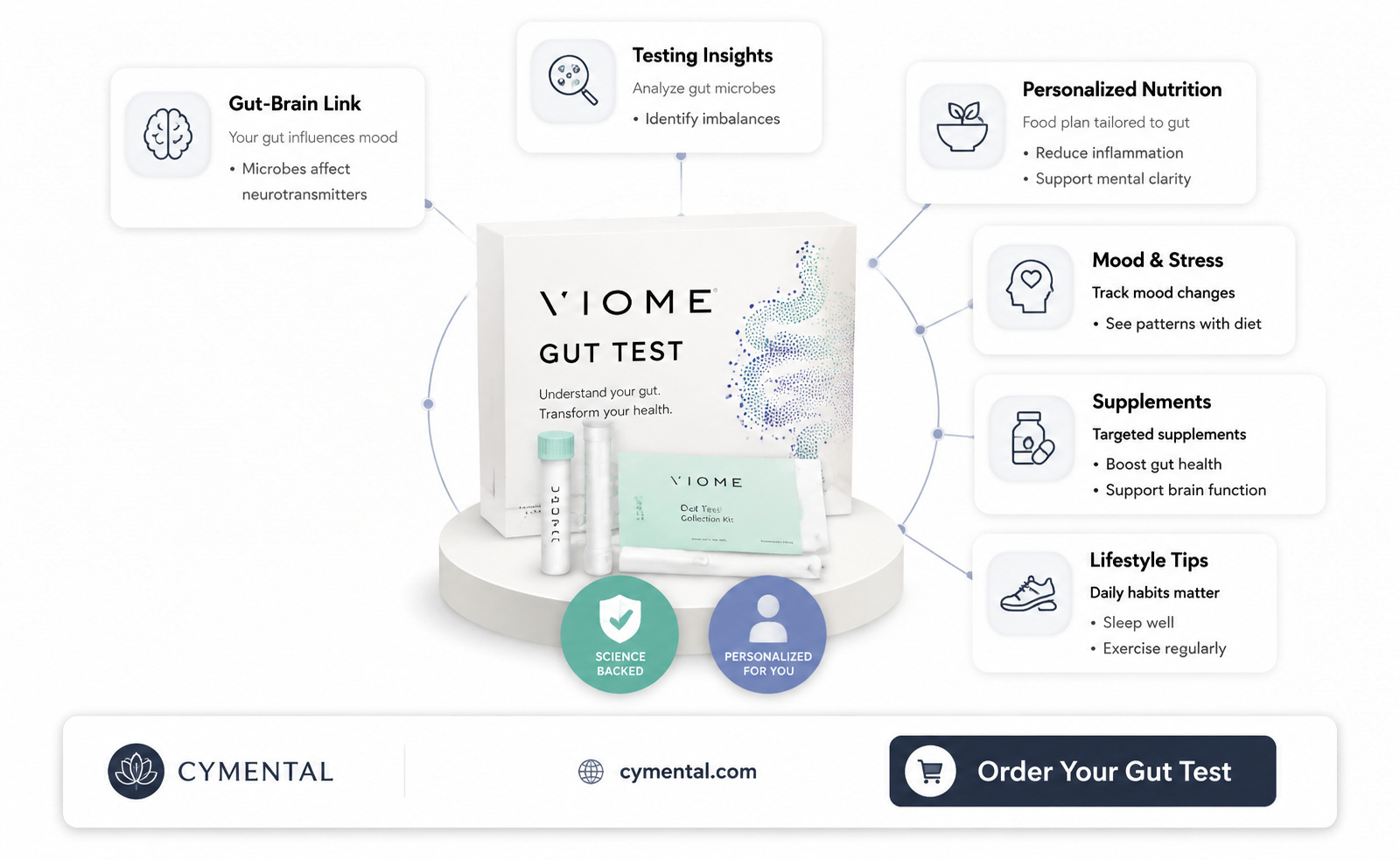
Viome, a health and wellness company, offers personalized nutrition plans based on an individual’s gut microbiome and cellular health, aiming to optimize overall well-being. While primarily focused on physical health, emerging research suggests a strong connection between gut health and mental health, often referred to as the gut-brain axis. By addressing imbalances in the microbiome and improving nutrient absorption, Viome’s approach may indirectly support mental health by reducing inflammation, enhancing mood-regulating neurotransmitter production, and promoting a balanced stress response. However, it’s important to note that Viome is not a direct treatment for mental health conditions but rather a complementary tool that could contribute to a holistic approach to mental well-being when paired with professional care.
Explore related products


What You'll Learn

Gut-brain connection and mood regulation
The gut-brain connection is a bidirectional communication network linking emotional and cognitive centers of the brain with intestinal functions. Recent studies show that 90% of serotonin, a neurotransmitter regulating mood, is produced in the gut. This suggests that gut health directly influences mental well-being, making it a critical area to explore for mood regulation. For instance, imbalances in gut microbiota have been linked to anxiety and depression, highlighting the need to address gut health as part of mental health strategies.
To harness the gut-brain connection for mood regulation, consider incorporating prebiotic and probiotic foods into your diet. Prebiotics, like garlic, onions, and bananas, feed beneficial gut bacteria, while probiotics found in yogurt, kefir, and sauerkraut introduce healthy microbes. A 2021 study published in *Psychopharmacology* found that participants who consumed a probiotic supplement containing *Lactobacillus helveticus* and *Bifidobacterium longum* for four weeks reported significant reductions in stress and anxiety. Pairing these dietary changes with consistent hydration and fiber intake can amplify their effects, as fiber promotes the growth of diverse gut bacteria essential for neurotransmitter production.
While dietary adjustments are foundational, personalized gut health assessments can provide targeted insights. Tools like Viome analyze gut microbiome composition and metabolic activity to identify imbalances contributing to mood disorders. For example, elevated levels of certain bacteria may correlate with increased inflammation, a known factor in depression. Based on these findings, Viome recommends specific dietary modifications, such as reducing sugar intake or increasing polyphenol-rich foods like berries and nuts. This tailored approach ensures interventions are aligned with individual needs, potentially yielding more effective mood regulation outcomes.
However, relying solely on gut health interventions for mental well-being is insufficient. Integrate these strategies with proven mental health practices like cognitive-behavioral therapy (CBT) or mindfulness meditation. A holistic approach addresses both the biological and psychological aspects of mood regulation. For instance, combining a gut-focused diet with regular exercise enhances serotonin production and improves stress resilience. Always consult a healthcare provider before starting new supplements or making drastic dietary changes, especially if you have underlying health conditions or are taking medications.
In conclusion, the gut-brain connection offers a promising pathway for mood regulation, supported by both scientific research and practical applications. By optimizing gut health through targeted dietary changes, personalized assessments, and complementary mental health practices, individuals can take proactive steps toward emotional balance. While tools like Viome provide valuable insights, they are most effective when integrated into a comprehensive, multidisciplinary approach to mental well-being.
Teen Mental Health Support: Confidential Options Without Parental Involvement
You may want to see also
Explore related products


$18.95 $7.95


Viome's role in reducing inflammation linked to mental health
Chronic inflammation is increasingly recognized as a silent contributor to mental health disorders, from depression to anxiety. Viome, a health optimization platform, targets this connection by analyzing your gut microbiome—the complex ecosystem of bacteria, viruses, and fungi in your digestive tract. This analysis identifies imbalances linked to inflammatory pathways, offering personalized dietary and lifestyle recommendations to restore harmony. By addressing the root cause of inflammation, Viome aims to create an environment where mental well-being can flourish.
Consider this: certain gut bacteria produce metabolites like lipopolysaccharides (LPS), which, when elevated, trigger systemic inflammation. Viome's technology detects these imbalances and suggests specific foods to nourish beneficial bacteria while reducing those that contribute to inflammation. For instance, someone with high levels of LPS might be advised to increase intake of polyphenol-rich foods like berries and green tea, which have anti-inflammatory properties. Conversely, foods that feed harmful bacteria, such as refined sugars and processed meats, may be limited. This precision approach goes beyond generic dietary advice, tailoring interventions to your unique microbial profile.
Implementing Viome's recommendations requires consistency and patience. Start by incorporating suggested foods gradually, allowing your gut microbiome to adapt. For example, if fermented foods like kimchi or kefir are recommended, begin with small portions to avoid digestive discomfort. Track your progress using Viome's follow-up tests, typically taken every 3–6 months, to measure changes in inflammation markers and microbial balance. Pair dietary changes with stress management techniques, such as mindfulness or yoga, as chronic stress can exacerbate inflammation and undermine progress.
While Viome offers a promising tool for reducing inflammation linked to mental health, it’s not a standalone solution. Combine its insights with professional mental health care, such as therapy or medication, for a comprehensive approach. Additionally, be mindful of potential costs and the commitment required for long-term monitoring. For those seeking a science-backed, personalized strategy to address inflammation’s role in mental health, Viome provides a unique and actionable pathway.
Supporting Mentally Ill Homeless Relatives: Compassionate Strategies for Family Care
You may want to see also
Explore related products


$21.77 $26.99


Personalized diet impact on stress and anxiety
The gut-brain axis is a bidirectional communication network linking the gastrointestinal tract and the central nervous system. This connection suggests that what you eat can directly influence your mental health, particularly stress and anxiety levels. Personalized nutrition, as offered by services like Viome, leverages this link by tailoring dietary recommendations based on your unique gut microbiome. By optimizing your gut health, you may reduce inflammation, balance neurotransmitter production, and improve stress resilience. For instance, a diet rich in prebiotic fibers (found in garlic, onions, and bananas) can foster beneficial gut bacteria, which produce short-chain fatty acids known to reduce anxiety-like behaviors in studies.
Consider this: a 2021 study published in *Psychosomatic Medicine* found that individuals following a personalized diet based on their gut microbiome showed significant reductions in perceived stress and anxiety compared to a control group. Participants received recommendations to increase intake of specific foods, such as fermented vegetables (for probiotics) and omega-3-rich fish (for anti-inflammatory effects), while reducing processed foods and refined sugars. The key takeaway? A one-size-fits-all diet may not address the root causes of stress and anxiety, but a personalized approach can target imbalances in your gut microbiome, potentially leading to measurable mental health improvements.
To implement a personalized diet for stress and anxiety reduction, start by assessing your gut health through a microbiome test. Viome and similar services analyze stool samples to identify microbial imbalances and provide tailored food recommendations. For example, if your results show low levels of *Bifidobacterium*, a strain linked to stress reduction, you might be advised to consume more almonds, blueberries, or green tea. Pair this with lifestyle changes like regular exercise, adequate sleep, and mindfulness practices for a holistic approach. Remember, consistency is key—adhering to personalized dietary changes for at least 8–12 weeks is typically needed to observe significant mental health benefits.
A cautionary note: while personalized diets show promise, they are not a standalone treatment for severe anxiety or stress disorders. Always consult a healthcare professional before making drastic dietary changes, especially if you have underlying health conditions. Additionally, be wary of over-reliance on supplements; whole foods should be the primary source of nutrients. For instance, instead of taking a magnesium supplement, incorporate magnesium-rich foods like spinach, pumpkin seeds, and dark chocolate into your diet. This ensures a balanced intake of co-nutrients that work synergistically to support mental health.
In conclusion, personalized diets targeting the gut-brain axis offer a novel way to manage stress and anxiety. By addressing individual microbial imbalances through tailored food choices, you can potentially reduce inflammation, improve neurotransmitter function, and enhance overall mental well-being. While not a cure-all, this approach complements traditional therapies and lifestyle changes, providing a proactive strategy for those seeking to optimize their mental health through nutrition. Start small, stay consistent, and monitor your progress to see if a personalized diet like Viome’s can make a difference for you.
Nurturing Your Mind: Practical Strategies for Better Mental Health
You may want to see also
Explore related products


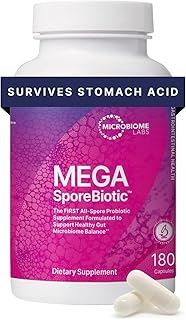


Microbiome balance and its effect on depression
The gut-brain axis is a bidirectional communication system linking the gastrointestinal tract and the central nervous system. Emerging research suggests that an imbalance in the gut microbiome—the trillions of microorganisms residing in your digestive system—can significantly impact mental health, particularly depression. Studies have shown that individuals with depression often exhibit altered gut microbiota compositions compared to those without the condition. For instance, reduced levels of *Bifidobacterium* and *Lactobacillus* species, which are associated with anti-inflammatory effects, have been observed in depressed patients. This imbalance can lead to increased gut permeability, allowing harmful substances to enter the bloodstream and trigger systemic inflammation, a known contributor to depressive symptoms.
To address this, restoring microbiome balance may offer a novel approach to managing depression. Probiotics, prebiotics, and dietary modifications are practical strategies to achieve this. Probiotics, such as *Lactobacillus rhamnosus* GG and *Bifidobacterium longum*, have shown promise in clinical trials for reducing depressive symptoms. A daily dose of 10–20 billion CFUs (colony-forming units) of these strains, taken consistently for at least 8 weeks, may yield noticeable improvements. Prebiotics, like inulin and fructooligosaccharides (FOS), found in foods such as garlic, onions, and bananas, can also support the growth of beneficial bacteria. Incorporating these into your diet alongside fermented foods like kimchi, kefir, and sauerkraut can further enhance microbiome diversity.
However, it’s crucial to approach microbiome interventions with caution. Individual responses to probiotics and dietary changes vary, and overconsumption of certain strains or fibers can cause bloating or discomfort. For example, starting with a low dose of probiotics (5 billion CFUs) and gradually increasing it can help minimize side effects. Additionally, consulting a healthcare provider is essential, especially for those on medications or with underlying health conditions, as microbiome changes can influence drug metabolism. Age-specific considerations are also important; older adults may require smaller doses due to slower metabolic rates, while younger individuals might benefit from higher fiber intake to support microbial growth.
The role of companies like Viome in this context is to provide personalized insights into your microbiome health through advanced testing. By analyzing stool samples, Viome identifies imbalances and offers tailored dietary and supplement recommendations to restore equilibrium. For instance, if your results indicate low levels of butyrate-producing bacteria, which are linked to mood regulation, Viome might suggest increasing resistant starch intake through foods like cooked and cooled potatoes or green bananas. While such services can be valuable, they should complement, not replace, professional medical advice. Combining personalized microbiome data with evidence-based interventions could be a powerful tool in addressing depression from a holistic perspective.
Can CES Therapy Alleviate Symptoms of Mental Health Disorders?
You may want to see also
Explore related products


Viome's potential to enhance cognitive function and clarity
The gut-brain axis is a well-established concept, and Viome's approach to optimizing gut health may hold the key to unlocking cognitive enhancements. By analyzing an individual's gut microbiome, Viome provides personalized dietary recommendations, aiming to reduce inflammation and promote a balanced gut environment. This is significant because chronic inflammation has been linked to cognitive decline and various mental health disorders. For instance, a study published in the *Journal of Neuroinflammation* suggests that gut-derived inflammatory markers can influence brain function, impacting mood, memory, and overall cognitive performance.
A Personalized Diet for Cognitive Gain: Viome's precision nutrition takes center stage in this cognitive enhancement strategy. The company's algorithm-driven food recommendations are designed to modulate the gut microbiome, potentially reducing the production of harmful metabolites and increasing beneficial ones. For example, certain gut bacteria produce short-chain fatty acids (SCFAs) like butyrate, which have been shown to possess anti-inflammatory properties and can cross the blood-brain barrier, potentially influencing neurotransmitter function. A diet rich in fiber, as often suggested by Viome, encourages the growth of these beneficial bacteria, which may, in turn, support cognitive clarity and overall brain health.
Consider a middle-aged individual experiencing brain fog and mild cognitive impairment. Viome's test might reveal an imbalanced microbiome with elevated levels of lipopolysaccharide (LPS)-producing bacteria, which are associated with increased gut permeability and systemic inflammation. The subsequent dietary plan could focus on reducing LPS-producing bacteria and introducing prebiotic foods to stimulate the growth of SCFA-producers. Over time, this personalized intervention may lead to improved cognitive function, as suggested by a study in *Nutritional Neuroscience*, which found that dietary modulation of the gut microbiome can enhance cognitive performance in older adults.
Practical Implementation and Considerations: To harness Viome's potential for cognitive benefits, one should approach it as a long-term commitment. The gut microbiome responds gradually to dietary changes, and consistent adherence to personalized recommendations is key. Users should expect a dynamic process, as Viome's retesting and readjustment of dietary plans every 3-6 months account for the microbiome's evolving nature. Additionally, combining Viome's insights with other cognitive-enhancing strategies, such as regular exercise and stress management techniques, could amplify the overall benefits. While Viome offers a promising avenue for cognitive optimization, it is essential to consult healthcare professionals, especially for those with pre-existing medical conditions, to ensure a safe and effective approach.
In the pursuit of enhanced cognitive function, Viome presents a novel and personalized strategy by targeting the gut microbiome. This approach, backed by emerging research, offers a compelling argument for the potential of dietary interventions in mental health and cognitive performance. As with any health-related endeavor, individual results may vary, and a comprehensive approach, including professional guidance, is advisable for optimal outcomes.
Supporting Mental Health: Compassionate Ways to Help a Loved One
You may want to see also
Frequently asked questions
Viome’s gut health testing can provide insights into your microbiome, which plays a role in the gut-brain axis. By identifying imbalances in your gut bacteria, Viome may suggest dietary changes to support a healthier gut, potentially positively impacting mental health.
Viome’s personalized nutrition plan is based on your unique microbiome and metabolic responses. By optimizing nutrient intake and reducing inflammation, it may help improve mood, reduce stress, and support overall mental well-being.
While Viome is not a treatment for anxiety or depression, its focus on gut health and personalized nutrition may complement other therapies. A balanced microbiome and anti-inflammatory diet, as suggested by Viome, could indirectly support mental health improvements. Always consult a healthcare professional for mental health concerns.