Harper Lewis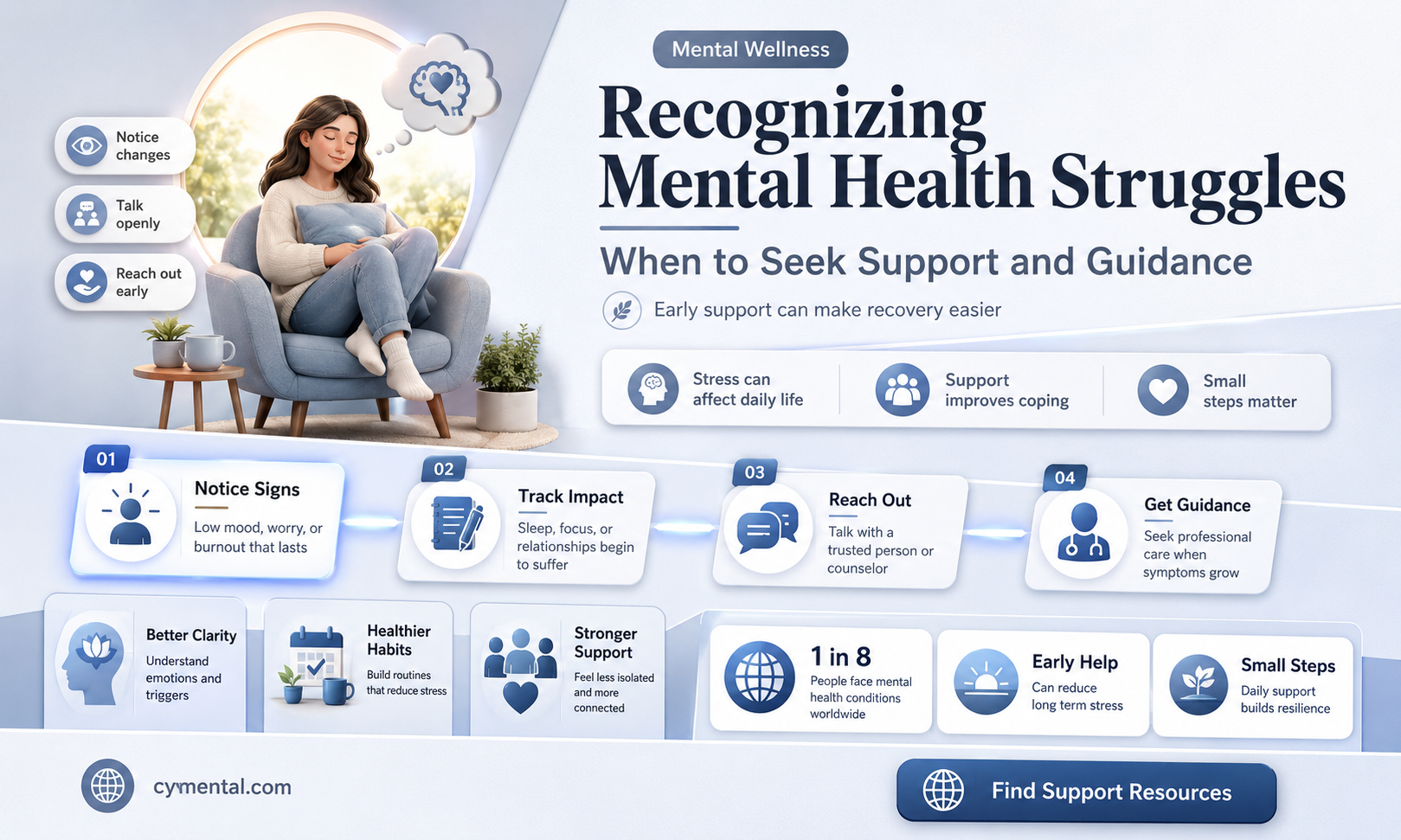
Recognizing the need for mental health support can be a challenging yet crucial step toward overall well-being. Many individuals grapple with questions like, Do I need help mentally? when facing persistent feelings of sadness, anxiety, or overwhelm. It’s important to acknowledge that seeking help is not a sign of weakness but rather a proactive decision to prioritize one’s mental health. Common indicators that you might need assistance include significant changes in mood, difficulty managing daily tasks, strained relationships, or persistent negative thoughts. If these symptoms interfere with your quality of life, consulting a mental health professional can provide clarity, guidance, and effective strategies to navigate these challenges. Remember, reaching out for help is a courageous act and a vital step toward healing and growth.
Explore related products


What You'll Learn
- Recognizing Mental Health Symptoms: Identifying signs like persistent sadness, anxiety, or changes in behavior
- Seeking Professional Support: Understanding when therapy, counseling, or medication is necessary for recovery
- Self-Assessment Tools: Using quizzes or checklists to evaluate emotional and psychological well-being
- Impact on Daily Life: Noticing how mental health affects work, relationships, and daily functioning
- Stigma and Barriers: Overcoming societal judgments and personal fears to seek mental health care

Recognizing Mental Health Symptoms: Identifying signs like persistent sadness, anxiety, or changes in behavior
Persistent sadness that lingers beyond two weeks could be a red flag for depression, especially if it interferes with daily activities like work, sleep, or relationships. Unlike fleeting feelings of disappointment or grief, this type of sadness often feels heavy and unrelenting, accompanied by a loss of interest in once-enjoyable activities. For instance, someone who used to love hiking might now find the thought of it exhausting. Tracking mood changes in a journal can help distinguish between normal emotional fluctuations and a potential mental health issue. If symptoms persist, consulting a healthcare professional is crucial, as early intervention can prevent the condition from worsening.
Anxiety that disrupts daily life—such as panic attacks, constant worry, or avoidance of social situations—warrants attention. While occasional stress is normal, anxiety disorders manifest as excessive fear or apprehension that feels impossible to control. For example, someone with generalized anxiety disorder might spend hours each day worrying about minor issues like being late to a meeting. Techniques like deep breathing exercises or mindfulness can provide temporary relief, but persistent symptoms require professional assessment. Cognitive-behavioral therapy (CBT) and medication are evidence-based treatments that can significantly improve quality of life.
Changes in behavior, such as sudden aggression, withdrawal from social interactions, or drastic alterations in sleep or eating patterns, often signal underlying mental health struggles. For instance, a teenager who starts skipping meals and isolating themselves might be dealing with anxiety or depression. Observing these changes in oneself or others requires a compassionate approach. Encouraging open conversations and offering support without judgment can make a difference. If the behavior escalates or persists, seeking help from a mental health professional is essential to address the root cause.
Recognizing these symptoms in oneself demands honesty and self-awareness. It’s easy to dismiss persistent sadness as "just a phase" or anxiety as "being overly stressed," but these patterns can indicate deeper issues. Practical steps include monitoring symptoms, setting aside time for self-reflection, and reaching out to trusted friends or family for perspective. Online mental health assessments can provide initial guidance, but they are not a substitute for professional diagnosis. Taking action early not only alleviates suffering but also fosters resilience and long-term well-being.
Dropping Mental Filters: Unveiling New Perspectives on Everyday Experiences
You may want to see also
Explore related products


Seeking Professional Support: Understanding when therapy, counseling, or medication is necessary for recovery
Recognizing when to seek professional mental health support can be as critical as identifying physical symptoms that require medical attention. While self-care practices like exercise, mindfulness, and social connections are valuable, they may not suffice for conditions like depression, anxiety, or PTSD. Therapy, counseling, or medication often become necessary when emotional distress interferes with daily functioning, relationships, or overall well-being. For instance, persistent feelings of hopelessness, panic attacks, or suicidal thoughts are red flags that warrant professional intervention. Ignoring these signs can prolong suffering and exacerbate underlying issues, making recovery more challenging.
Therapy and counseling are not one-size-fits-all solutions; they come in various forms tailored to individual needs. Cognitive Behavioral Therapy (CBT), for example, is highly effective for anxiety and depression, focusing on identifying and changing negative thought patterns. Dialectical Behavior Therapy (DBT) is particularly useful for emotional regulation and borderline personality disorder. Medication, on the other hand, can be a powerful adjunct to therapy, especially for severe cases. Antidepressants like SSRIs (e.g., fluoxetine, sertraline) are commonly prescribed, often starting at low doses (10–20 mg/day) and adjusted based on response. However, medication should be managed by a psychiatrist or primary care physician to monitor side effects and efficacy.
Deciding between therapy, counseling, or medication depends on the nature and severity of the issue. Mild to moderate symptoms may respond well to talk therapy alone, while more severe or chronic conditions often require a combination of approaches. For example, someone with generalized anxiety disorder might benefit from both CBT and a low-dose SSRI. It’s essential to consult a mental health professional for an accurate diagnosis and personalized treatment plan. Self-diagnosis or reliance on online quizzes can lead to misinformation and delay proper care.
A common misconception is that seeking professional help is a sign of weakness or failure. In reality, it’s a proactive step toward recovery and self-improvement. Therapy provides a safe space to explore emotions, develop coping strategies, and gain insights into behavior patterns. Medication can stabilize brain chemistry, making it easier to engage in therapy and daily life. Practical tips for starting this journey include researching licensed therapists or counselors, checking insurance coverage, and preparing a list of symptoms and concerns to discuss during the first appointment. Remember, recovery is a process, and professional support can be a transformative tool in reclaiming mental health.
Can Psychologists Accurately Diagnose Mental Illness? Expert Insights Revealed
You may want to see also
Explore related products





Self-Assessment Tools: Using quizzes or checklists to evaluate emotional and psychological well-being
Self-assessment tools, such as quizzes and checklists, have become increasingly popular for evaluating emotional and psychological well-being. These tools offer a structured way to reflect on mental health symptoms, behaviors, and emotions, often providing immediate feedback or guidance. For instance, a checklist might ask how often you’ve felt overwhelmed in the past month, with response options ranging from "never" to "daily." While not a substitute for professional diagnosis, these tools can serve as a starting point for recognizing when to seek help. They are particularly useful for individuals who may not yet feel ready to consult a therapist but want to gain clarity on their mental state.
Analyzing the effectiveness of self-assessment tools reveals both strengths and limitations. On one hand, they are accessible, often free, and can be completed anonymously, reducing barriers to self-reflection. For example, a quiz on anxiety might help someone identify patterns like excessive worry or sleep disturbances, which align with clinical criteria. On the other hand, these tools rely on self-reporting, which can be influenced by denial, stigma, or lack of insight. A person might underreport symptoms due to fear of judgment or overreport them out of heightened concern. Thus, while self-assessments can flag potential issues, they should be used as a preliminary step rather than a definitive evaluation.
To maximize the utility of self-assessment tools, follow these practical steps: First, choose reputable sources, such as those developed by mental health organizations or licensed professionals. Second, approach the exercise honestly, avoiding the temptation to skew answers toward what you think is "normal." Third, use the results as a conversation starter with a healthcare provider, not as a self-diagnosis. For example, if a depression checklist highlights persistent fatigue and loss of interest in activities, bring this to a therapist’s attention for further exploration. Combining self-assessment with professional input ensures a more accurate and actionable understanding of your mental health.
A comparative look at self-assessment tools versus professional evaluations highlights their complementary roles. While a therapist uses clinical interviews, standardized assessments, and observational skills to diagnose mental health conditions, self-assessments provide a snapshot of subjective experiences. For instance, a checklist might reveal symptoms of burnout, but a therapist can contextualize these within your lifestyle, relationships, and medical history. The takeaway is that self-assessments are valuable for early detection and self-awareness but should not replace the depth and nuance of professional care. They are a tool in your mental health toolkit, not the entire kit itself.
Finally, consider the emotional impact of using self-assessment tools. For some, the process can be empowering, offering validation and direction. For others, it might trigger anxiety or self-doubt, especially if results suggest a potential issue. If you feel overwhelmed after completing a quiz, remind yourself that awareness is the first step toward improvement. Practical tips include pairing self-assessment with self-care activities, such as journaling or mindfulness, to process emotions. Additionally, set realistic expectations—these tools are not infallible but can guide you toward informed decisions about seeking support. By balancing self-reflection with compassion, you can use these tools as a constructive step toward better mental health.
Reporting Mental Health Associations: When Help Falls Short, What Next?
You may want to see also
Explore related products


Impact on Daily Life: Noticing how mental health affects work, relationships, and daily functioning
Mental health struggles often manifest as subtle shifts in daily functioning, but their cumulative impact can be profound. Consider this: a once-punctual employee starts arriving late, a social butterfly cancels plans repeatedly, or a meticulous planner becomes disorganized. These changes might seem minor, but they signal deeper challenges. At work, declining concentration, increased absenteeism, or difficulty collaborating with colleagues can hinder productivity and career advancement. In relationships, irritability, withdrawal, or emotional volatility can strain connections with loved ones. Even routine tasks like cooking, cleaning, or managing finances may become overwhelming, leading to neglect or avoidance. Recognizing these patterns is the first step toward addressing the underlying mental health concerns that drive them.
To assess whether mental health is affecting daily life, start by tracking specific behaviors over a two-week period. Note instances of procrastination, missed deadlines, or conflicts with coworkers. Observe changes in communication patterns, such as shorter responses to texts or avoiding phone calls. Monitor self-care habits like sleep, nutrition, and exercise—are you skipping meals, staying up late, or neglecting physical activity? For example, if you find yourself spending hours scrolling social media instead of completing tasks, it may indicate difficulty with focus or motivation. Similarly, snapping at family members over small issues could reflect heightened stress or anxiety. Documenting these observations provides concrete evidence to discuss with a mental health professional.
Comparing mental health’s impact on daily life to physical health issues can offer clarity. Just as chronic back pain limits mobility, untreated anxiety or depression can restrict emotional and cognitive functioning. Imagine trying to work with a severe headache—now consider how persistent worry or sadness might similarly impair performance. Relationships suffer when physical illness isolates someone, and the same is true for mental health struggles. For instance, a person with untreated depression might withdraw from social activities, leading friends to feel rejected. This comparison underscores the importance of addressing mental health with the same urgency as physical ailments.
Practical steps can mitigate the impact of mental health on daily life while seeking professional help. Prioritize small, achievable tasks to rebuild momentum—for example, commit to answering one work email or washing one dish instead of tackling an entire inbox or kitchen. Set boundaries to conserve energy, such as limiting non-essential meetings or saying no to social obligations when overwhelmed. Incorporate grounding techniques like deep breathing or a five-minute walk to manage stress in real-time. For relationships, communicate openly but briefly: “I’m feeling overwhelmed right now, but I appreciate your support.” These strategies act as temporary scaffolding, supporting daily functioning until deeper issues are addressed.
Ultimately, the impact of mental health on daily life serves as a critical indicator of when to seek help. If work performance, relationships, or self-care routines consistently suffer despite personal efforts, it’s time to consult a professional. Therapists, counselors, or psychiatrists can provide tailored strategies, such as cognitive-behavioral therapy or medication, to address specific challenges. For example, a therapist might help reframe negative thought patterns that hinder productivity, while medication could stabilize mood swings affecting relationships. Ignoring these signs risks long-term consequences, but taking action fosters resilience and restores balance. Recognizing the connection between mental health and daily functioning is not a sign of weakness—it’s a step toward reclaiming control.
Helping Others, Hurting Yourself: The Mental Health Toll of Caregiving
You may want to see also
Explore related products




Stigma and Barriers: Overcoming societal judgments and personal fears to seek mental health care
The fear of being labeled as "crazy" or "weak" often prevents individuals from seeking mental health care, even when they suspect they need it. This stigma, deeply rooted in societal misconceptions, can manifest as whispered judgments, discriminatory behaviors, or internalized shame. For example, a young professional might avoid therapy for anxiety, fearing colleagues will perceive them as incapable of handling stress, despite studies showing that 1 in 5 adults experience mental illness annually. This reluctance perpetuates suffering and delays treatment, exacerbating conditions that could be managed effectively with early intervention.
Consider the steps to dismantle these barriers. First, educate yourself and others about mental health realities. Share credible resources, such as statistics from the National Alliance on Mental Illness (NAMI), to challenge myths. Second, reframe seeking help as an act of strength, not weakness. Athletes prioritize physical training; mental health care is analogous for emotional resilience. Third, start small—confide in a trusted friend or use anonymous helplines like the Crisis Text Line (text HOME to 741741) to ease into the process. Finally, choose providers who align with your needs; for instance, some therapists specialize in culturally sensitive care, which can reduce discomfort for marginalized groups.
Contrast the societal narrative with personal agency. While external stigma remains a challenge, internalized fear often poses the greater obstacle. For instance, a college student might believe, "If I admit I’m depressed, I’ll never get a job," despite laws like the Americans with Disabilities Act (ADA) protecting against discrimination. This thought pattern, known as catastrophizing, distorts reality and paralyzes action. Counter it by asking, "What’s the worst that could happen if I seek help?" versus "What’s the cost of not seeking help?" Often, the latter—chronic suffering, strained relationships, or lost opportunities—far outweighs the former.
Descriptive imagery can humanize the struggle. Imagine a person carrying a heavy backpack filled with unspoken worries, each step growing more labored as the weight increases. Now picture setting that backpack down in a therapist’s office, where the contents are unpacked, examined, and lightened. This metaphor illustrates the transformative potential of seeking help, yet many hesitate, fearing the judgment of onlookers. However, just as physical pain warrants medical attention, emotional distress deserves care without apology. Practical tools, like journaling or mindfulness apps (e.g., Headspace), can bridge the gap until professional support is accessed, offering immediate relief while challenging stigma one step at a time.
Boost Focus and Calm: Strategies for Achieving Mental Clarity
You may want to see also
Frequently asked questions
If you’re experiencing persistent feelings of sadness, anxiety, or hopelessness, difficulty functioning in daily life, or thoughts of self-harm, it’s a sign you may need professional help.
While self-care practices like exercise, mindfulness, and talking to loved ones can help, professional support is often necessary for managing severe or persistent mental health challenges.
Red flags include changes in sleep or appetite, withdrawal from social activities, irritability, difficulty concentrating, and thoughts of self-harm or suicide.
Yes, you don’t need to wait for a crisis to seek help. Mental health support is for anyone struggling, regardless of the severity of their issues.
Start by talking to a trusted friend, family member, or primary care doctor. They can guide you to resources like therapists, counselors, or mental health hotlines.