Ava Ramirez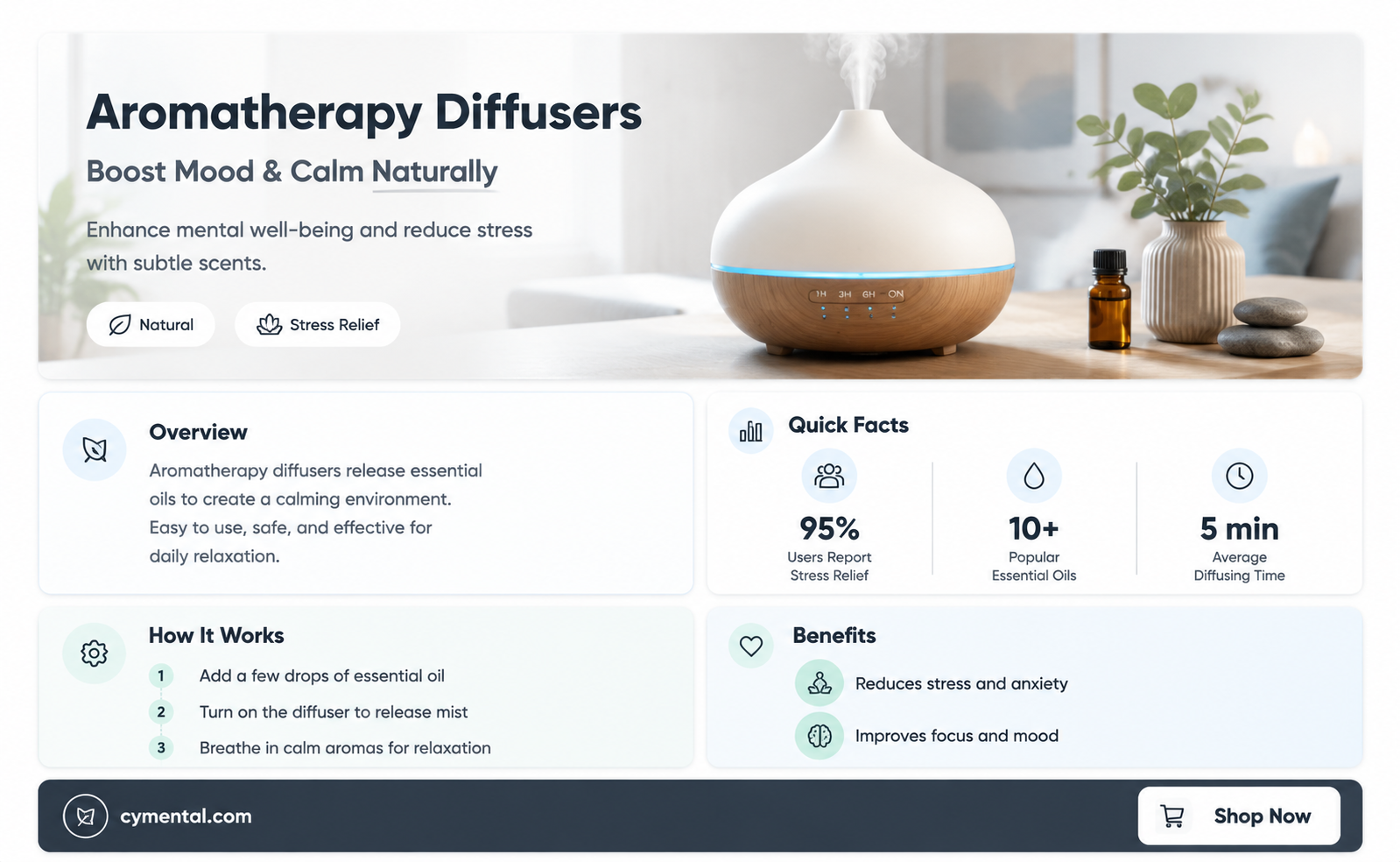
Diffusers, which disperse essential oils into the air, have gained popularity as a tool for promoting mental well-being. Many proponents claim that inhaling certain essential oils can reduce stress, anxiety, and improve mood by engaging the olfactory system, which is closely linked to the brain's emotional center. While anecdotal evidence and some studies suggest benefits, such as lavender for relaxation or peppermint for focus, scientific research on their effectiveness remains limited and often inconclusive. Despite this, diffusers are widely embraced as a complementary practice in self-care routines, offering a sensory experience that many find calming and grounding, even if their mental health benefits are not yet fully substantiated.
| Characteristics | Values |
|---|---|
| Aromatherapy Impact | Diffusers, when used with essential oils, can positively impact mental health by reducing stress, anxiety, and symptoms of depression. Research suggests that certain scents like lavender, chamomile, and bergamot have calming effects. |
| Stress Reduction | Studies show that aromatherapy with diffusers can lower cortisol levels, a key stress hormone, promoting relaxation and mental well-being. |
| Improved Sleep | Essential oils like lavender, when diffused, have been linked to improved sleep quality, which is crucial for mental health. |
| Mood Enhancement | Citrus oils (e.g., orange, lemon) and peppermint are known to uplift mood and increase energy levels, potentially alleviating symptoms of mild depression. |
| Cognitive Benefits | Some essential oils, such as rosemary and eucalyptus, may enhance focus and cognitive function, indirectly supporting mental health. |
| Complementary Therapy | Diffusers are often used as a complementary therapy alongside traditional mental health treatments, not as a standalone solution. |
| Placebo Effect | The perceived benefits of diffusers may partly stem from the placebo effect, where belief in their efficacy influences mental health outcomes. |
| Individual Variability | Responses to aromatherapy vary; some individuals may experience significant benefits, while others notice minimal effects. |
| Safety Considerations | Proper usage is essential; overuse or sensitivity to certain oils can cause adverse reactions, potentially impacting mental health negatively. |
| Scientific Evidence | While anecdotal evidence is strong, scientific studies on diffusers and mental health are limited and often inconclusive, requiring further research. |
Explore related products


What You'll Learn

Aromatherapy benefits for stress reduction
Aromatherapy, the practice of using essential oils to enhance psychological and physical well-being, has gained traction as a natural remedy for stress reduction. Essential oils like lavender, chamomile, and bergamot are particularly noted for their calming properties. When inhaled, these oils interact with the olfactory system, which is directly linked to the brain’s limbic system—the region responsible for emotions, memory, and stress response. This biological connection explains why certain scents can swiftly induce relaxation and reduce anxiety levels.
To harness these benefits, diffusers are a practical tool. They disperse essential oils into the air in a fine mist, allowing for easy inhalation. For optimal stress relief, consider diffusing lavender oil for 30–60 minutes before bedtime to improve sleep quality, or use bergamot oil during work hours to reduce cortisol levels. A 2015 study published in *Evidence-Based Complementary and Alternative Medicine* found that inhaling lavender oil for 15 minutes significantly decreased participants’ stress markers. However, it’s crucial to dilute essential oils properly—typically 5–15 drops per 100ml of water—to avoid overwhelming the senses.
While diffusers are effective, their impact varies by individual. Factors like personal scent preferences, oil quality, and diffuser type play a role. Ultrasonic diffusers, for instance, are ideal for stress reduction as they preserve the therapeutic properties of oils without heat. For children or pets, opt for milder oils like chamomile and ensure proper ventilation. Overuse can lead to desensitization or headaches, so limit diffusion sessions to 30–60 minutes at a time, with breaks in between.
Comparatively, aromatherapy via diffusers offers a non-invasive, drug-free alternative to traditional stress management methods. Unlike medications, essential oils have minimal side effects when used correctly. They can also complement other practices like meditation or yoga, enhancing their calming effects. For instance, pairing a diffuser with a 10-minute mindfulness exercise can amplify relaxation. However, aromatherapy should not replace professional mental health treatment but rather serve as a supportive tool.
Incorporating aromatherapy into daily routines requires consistency and experimentation. Start with a single oil to gauge its effects before blending multiple scents. Keep a journal to track how different oils influence your mood and stress levels. For maximum efficacy, source high-quality, pure essential oils from reputable brands. While diffusers are a popular method, other applications like topical use (diluted with a carrier oil) or inhalation from a tissue can also provide stress relief. By tailoring aromatherapy to individual needs, it becomes a powerful ally in managing stress.
Dance Therapy: Unlocking Mental Wellness Through Movement and Expression
You may want to see also
Explore related products



Essential oils and mood enhancement
Aromatherapy, the practice of using essential oils to influence mood and cognitive function, has been studied for its potential to alleviate symptoms of anxiety and depression. Research suggests that certain essential oils, such as lavender, chamomile, and bergamot, contain compounds that interact with the brain's limbic system, which regulates emotions. For instance, a 2013 study published in the *Journal of Alternative and Complementary Medicine* found that inhaling lavender oil reduced anxiety levels in patients awaiting dental procedures. To harness these benefits, add 3–5 drops of lavender oil to a diffuser and run it for 20–30 minutes in a well-ventilated room, ideally before bedtime or during moments of stress.
While diffusers are a popular method for dispersing essential oils, their effectiveness depends on proper usage and individual sensitivity. For mood enhancement, citrus oils like orange and lemon are often recommended for their uplifting properties. A 2015 study in the *Evidence-Based Complementary and Alternative Medicine* journal noted that inhaling orange essential oil reduced anxiety and improved mood in women during labor. However, overuse can lead to headaches or respiratory irritation, particularly in children or pets. Start with 2–3 drops of citrus oil in a diffuser, and limit sessions to 15–20 minutes to avoid overstimulation. Always dilute oils in a carrier oil if applying topically, and consult a healthcare provider if you have respiratory conditions or are pregnant.
Comparing diffusers to other aromatherapy methods, such as topical application or steam inhalation, highlights their convenience and ability to create a consistent aromatic environment. Diffusers are particularly useful for creating a calming or energizing atmosphere in shared spaces, such as offices or living rooms. For example, peppermint oil, known for its invigorating effects, can be diffused in the morning to enhance focus and alertness. Combine 2 drops of peppermint with 2 drops of eucalyptus for a refreshing blend, but avoid using peppermint oil around children under 6 due to its potency. In contrast, topical application allows for targeted relief but requires more caution to avoid skin irritation.
To maximize the mood-enhancing benefits of essential oils, consider integrating them into a holistic self-care routine. Pair diffuser sessions with mindfulness practices like meditation or deep breathing exercises to amplify relaxation. For instance, diffuse ylang-ylang oil, which has been shown to lower cortisol levels, during a 10-minute meditation session. Additionally, rotate oils weekly to prevent desensitization and maintain their effectiveness. Keep a journal to track how different oils affect your mood, noting any patterns or preferences. While essential oils are not a substitute for professional mental health treatment, they can serve as a complementary tool for managing stress and improving emotional well-being when used thoughtfully and consistently.
Ice Bucket Challenge: Uniting Communities, Raising Awareness, and Boosting Mental Health
You may want to see also
Explore related products


Diffusers in anxiety management techniques
Aromatherapy diffusers have emerged as a popular tool in the realm of anxiety management, offering a non-invasive and sensory approach to calming the mind. The principle is simple: essential oils, when inhaled, can stimulate the olfactory system, which is directly linked to the brain’s limbic system—the center of emotion and memory. This connection suggests that diffusers, when used strategically, can play a role in reducing anxiety symptoms. For instance, lavender oil, a well-studied essential oil, has been shown to decrease cortisol levels, a hormone associated with stress, when diffused for 30–60 minutes in a well-ventilated room.
To effectively use diffusers for anxiety management, consider the timing and dosage. For adults, diffusing 3–5 drops of essential oil in water for 15–30 minutes, 2–3 times daily, is a common recommendation. For children over 6 years old, halve the dosage and duration, as their olfactory systems are more sensitive. Oils like bergamot, chamomile, and ylang-ylang are also known for their anxiolytic properties. However, consistency is key—incorporate diffusion into a daily routine, such as during morning meditation or before bedtime, to maximize its calming effects.
While diffusers can be a valuable addition to anxiety management, they are not a standalone solution. Pairing diffusion with deep breathing exercises amplifies its benefits. Inhale deeply through the nose for 4 seconds, hold for 4 seconds, and exhale through the mouth for 6 seconds. This technique, combined with the aroma of essential oils, can enhance relaxation and reduce the physiological symptoms of anxiety, such as rapid heartbeat and shallow breathing. For those with respiratory conditions like asthma, consult a healthcare provider before use, as some oils may irritate airways.
A comparative analysis of diffusers versus other anxiety management techniques reveals their unique advantages. Unlike medication, diffusers offer a natural, side-effect-free option. Compared to mindfulness apps or therapy, they provide an immediate sensory intervention that can be used in real-time during anxiety spikes. However, their effectiveness varies by individual, and some may find the scent overwhelming. For best results, experiment with different oils and diffusion times to find what works best for your specific needs.
Incorporating diffusers into anxiety management requires awareness of potential cautions. Not all essential oils are created equal—opt for high-quality, pure oils without synthetic additives. Pregnant individuals and pets, especially cats, may be sensitive to certain oils, so research or consult a professional before use. Additionally, over-diffusion can lead to desensitization or headaches, so adhere to recommended guidelines. When used thoughtfully, diffusers can be a gentle yet powerful tool in the toolkit for managing anxiety, offering a sensory escape from the chaos of stress.
Praying for Peace: Exploring the Mental Health Benefits of Prayer
You may want to see also
Explore related products



Sleep improvement through scent diffusion
Aromatherapy diffusers, when used strategically, can significantly enhance sleep quality by leveraging the olfactory system’s direct link to the brain’s limbic system, which governs emotions and stress responses. Research indicates that inhaling certain essential oils, such as lavender, chamomile, or bergamot, triggers physiological changes that promote relaxation and reduce cortisol levels. For instance, a 2015 study published in the *Journal of Alternative and Complementary Medicine* found that participants who diffused lavender oil for 60 minutes before bedtime experienced deeper sleep and reduced heart rates compared to a control group. To maximize effectiveness, use 3–5 drops of essential oil in a diffuser 30–60 minutes before sleep, ensuring the room is well-ventilated to avoid sensory overload.
The science behind scent diffusion for sleep improvement lies in its ability to influence the autonomic nervous system. Essential oils like cedarwood contain sesquiterpenes, compounds that interact with brain receptors to slow down breathing and heart rate, mimicking the body’s natural preparation for sleep. For children and older adults, who may be more sensitive to strong scents, dilute essential oils to half the recommended dosage or opt for milder options like Roman chamomile. Pairing diffusion with a consistent bedtime routine amplifies its effects, as the brain begins to associate the scent with relaxation over time. Avoid synthetic fragrance oils, as they lack therapeutic properties and may irritate respiratory systems.
While diffusers offer a non-invasive solution for sleep improvement, their efficacy depends on proper usage and individual preferences. For example, some people may find citrus scents like sweet orange invigorating rather than calming, highlighting the importance of personal experimentation. Start with short diffusion sessions (15–20 minutes) to gauge sensitivity, gradually increasing duration as tolerated. For those with allergies or asthma, consult a healthcare provider before use, and consider using a diffuser with a timer to prevent overnight exposure. Combining scent diffusion with other sleep hygiene practices, such as dimming lights and limiting screen time, creates a holistic environment conducive to rest.
A comparative analysis of scent diffusion versus other sleep aids reveals its advantages: unlike sleep medications, essential oils are non-habit-forming and have minimal side effects when used correctly. However, diffusers are not a standalone solution for chronic sleep disorders like insomnia, which may require medical intervention. For occasional sleeplessness or stress-induced restlessness, scent diffusion serves as a practical, accessible tool. Invest in a high-quality ultrasonic diffuser to ensure even dispersion and preserve the oil’s therapeutic properties. By integrating this practice into nightly rituals, individuals can harness the power of scent to cultivate a calmer, more restorative sleep experience.
Mind Over Pain: Mental Strategies to Ease Chronic Discomfort
You may want to see also
Explore related products

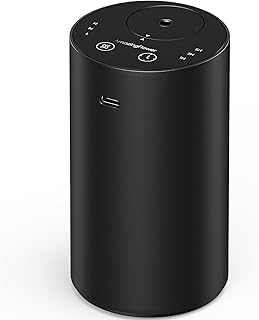


Creating calming environments with diffusers
Aromatherapy diffusers have become a popular tool for those seeking to enhance their mental well-being and create soothing atmospheres. The strategic use of essential oils in diffusers can transform any space into a tranquil haven, offering a simple yet effective way to support mental health. This practice is particularly valuable in today's fast-paced world, where stress and anxiety are common challenges.
The Science Behind Aromatic Calm
The power of scent lies in its direct connection to the brain's emotional center. When inhaled, essential oil molecules interact with the limbic system, which plays a crucial role in controlling mood, emotion, and memory. This interaction can trigger various physiological responses, including reduced heart rate, lowered blood pressure, and decreased stress hormone levels. For instance, lavender oil is renowned for its calming properties, with studies suggesting that its aroma can decrease anxiety and improve sleep quality. Similarly, citrus scents like orange and lemon are known to uplift and energize, making them ideal for combating mild depression and fatigue.
Crafting Your Calming Ritual
Creating a calming environment with diffusers is an art that involves careful selection and application of essential oils. Here's a step-by-step guide:
- Choose Your Oils: Select oils based on your desired mood. For relaxation, opt for lavender, chamomile, or ylang-ylang. To boost focus and clarity, consider peppermint, rosemary, or eucalyptus. Always use high-quality, pure essential oils for the best results.
- Dilution and Dosage: Proper dilution is key. For most adults, a 2-3% dilution is safe and effective. This equates to approximately 10-15 drops of essential oil per 100ml of water in your diffuser. For children and the elderly, a 1% dilution (5-10 drops per 100ml) is recommended.
- Diffusion Techniques: Experiment with different diffusion methods. Ultrasonic diffusers create a fine mist, ideal for larger spaces. Nebulizing diffusers offer a more concentrated scent, perfect for targeted aromatherapy. For a simple, cost-effective option, try a reed diffuser or a few drops on a cotton ball near your workspace.
- Timing and Consistency: Consistency is vital. Aim for regular diffusion sessions, especially during stressful periods. For instance, diffusing lavender in the evening can signal to your body that it's time to wind down, improving sleep routines.
A Personalized Approach
The beauty of using diffusers for mental health is the ability to customize your experience. Different scents affect individuals uniquely, so it's essential to experiment and find your personal calming blend. For instance, while some may find the scent of sandalwood grounding, others might prefer the freshness of pine. Additionally, combining oils can create unique synergies; blending lavender and bergamot, for instance, can offer both relaxation and a gentle mood boost.
Incorporating diffusers into your self-care routine can be a powerful tool for managing stress and promoting mental clarity. By understanding the science, practicing safe usage, and personalizing your aromatic journey, you can effectively create calming environments that support your overall well-being. This simple, natural approach to mental health is an accessible way to bring more peace and balance into daily life.
Shiatsu Therapy: A Natural Approach to Mental Health and Wellness
You may want to see also
Frequently asked questions
Yes, diffusers can support mental health by dispersing essential oils, which may promote relaxation, reduce stress, and improve mood through aromatherapy.
Lavender, chamomile, and bergamot are popular choices for calming effects, while peppermint and eucalyptus can boost focus and energy.
No, diffusers are a complementary tool and should not replace professional treatment like therapy or medication for mental health conditions.