Harper Lewis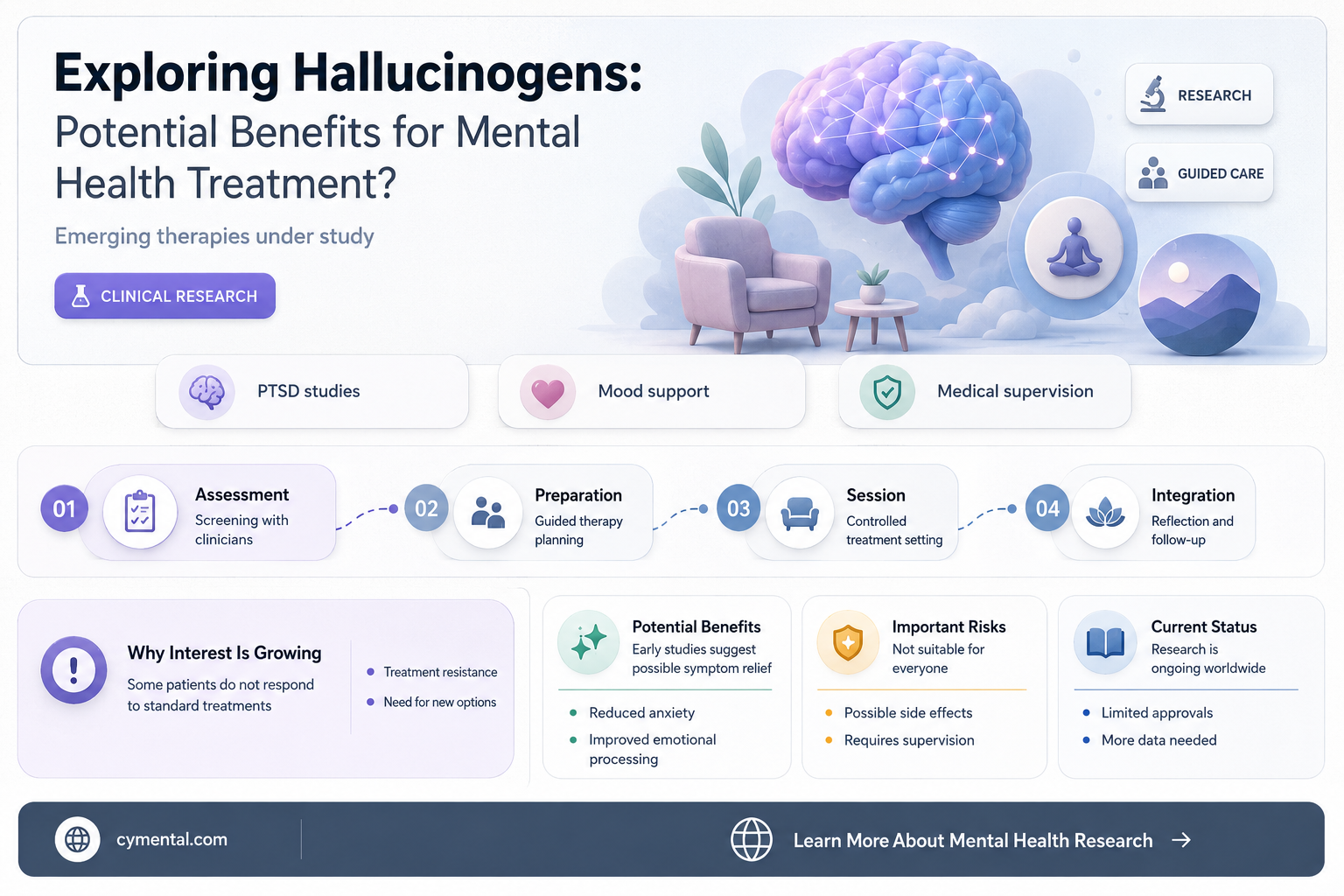
Hallucinogens, a class of psychoactive substances known for altering perception, mood, and cognitive processes, have sparked growing interest in their potential therapeutic applications for mental illness. Historically stigmatized and often associated with recreational use, compounds like psilocybin, LSD, and MDMA are now being rigorously studied in controlled clinical settings. Emerging research suggests that, when administered in conjunction with psychotherapy, these substances may offer profound benefits for conditions such as treatment-resistant depression, PTSD, anxiety, and addiction. By potentially rewiring neural pathways and fostering emotional breakthroughs, hallucinogens could represent a paradigm shift in mental health treatment, though their efficacy, safety, and long-term effects remain subjects of ongoing scientific investigation and debate.
Explore related products



What You'll Learn
- Psilocybin for depression: Studies show psilocybin reduces depression symptoms in treatment-resistant cases
- MDMA and PTSD: MDMA-assisted therapy improves PTSD symptoms in clinical trials
- LSD and anxiety: LSD microdosing may reduce anxiety, but research is limited
- Ayahuasca and addiction: Ayahuasca shows potential in treating substance use disorders
- Risks vs. benefits: Hallucinogens may worsen mental health in vulnerable individuals

Psilocybin for depression: Studies show psilocybin reduces depression symptoms in treatment-resistant cases
Recent studies have unveiled a promising role for psilocybin, the psychoactive compound in magic mushrooms, in alleviating symptoms of treatment-resistant depression. Clinical trials conducted at institutions like Johns Hopkins University and Imperial College London have demonstrated that a single dose of 25 mg of psilocybin, administered in a controlled therapeutic setting, can lead to significant and sustained reductions in depressive symptoms. These findings challenge conventional treatment paradigms, offering hope for individuals who have not responded to traditional antidepressants or psychotherapy.
The mechanism behind psilocybin’s efficacy lies in its ability to modulate brain activity and promote neuroplasticity. Under the influence of psilocybin, the brain enters a heightened state of connectivity, allowing for the reconfiguration of neural pathways associated with mood and cognition. This process, often described as a "reset" for the brain, enables patients to break free from entrenched patterns of negative thinking. However, the experience is not merely biochemical; the psychological context in which psilocybin is administered—including preparation, setting, and integration—plays a critical role in its therapeutic outcomes.
For those considering psilocybin as a treatment option, it is essential to approach it with caution and under professional guidance. Clinical trials typically involve a rigorous screening process to ensure patient safety, excluding individuals with a history of psychotic disorders or severe cardiovascular conditions. The treatment session itself is conducted in a calm, supportive environment, often with therapists present to guide the patient through the experience. Post-session integration, which involves discussing and processing the experience, is equally vital for translating the insights gained into lasting behavioral changes.
While the results are compelling, psilocybin therapy is not yet widely available outside of research settings. Regulatory bodies are still evaluating its safety and efficacy, and legal barriers remain in many regions. However, the growing body of evidence has spurred efforts to decriminalize and study psychedelics further, paving the way for potential mainstream adoption. For now, individuals interested in this treatment should seek out clinical trials or wait for approved therapies to become accessible, avoiding self-medication due to the risks associated with unregulated use.
In conclusion, psilocybin represents a groundbreaking yet experimental approach to treating depression, particularly in cases resistant to conventional methods. Its potential lies not only in its biochemical effects but also in its ability to catalyze profound psychological shifts. As research progresses, this ancient compound may emerge as a transformative tool in mental health care, offering new hope to those who have exhausted other options.
Supporting Teens: Practical Strategies for Navigating Mental Health Challenges
You may want to see also
Explore related products


MDMA and PTSD: MDMA-assisted therapy improves PTSD symptoms in clinical trials
MDMA, commonly known as ecstasy, has emerged as a promising tool in the treatment of post-traumatic stress disorder (PTSD) when used in controlled, therapeutic settings. Clinical trials have demonstrated that MDMA-assisted therapy can significantly reduce PTSD symptoms, offering hope to individuals who have not found relief through traditional treatments. This approach combines carefully administered doses of MDMA with psychotherapy sessions, creating a unique window for emotional processing and healing.
In these trials, participants typically receive 80–125 mg of MDMA during each therapy session, with a second dose offered after 1–2 hours if needed. Sessions are spaced 3–5 weeks apart, and patients undergo 2–3 MDMA-assisted sessions in total, alongside preparatory and integrative therapy sessions without the drug. The MDMA facilitates a heightened sense of emotional openness and trust, allowing individuals to confront traumatic memories with reduced fear and anxiety. Therapists guide the process, helping patients process these experiences in a safe and supportive environment.
One of the most compelling aspects of MDMA-assisted therapy is its efficacy in treating treatment-resistant PTSD. Studies have shown that 67% of participants no longer met the criteria for PTSD after treatment, compared to 32% in the placebo group. These results are particularly significant given that many trial participants had severe, chronic PTSD that had persisted for years despite prior interventions. The therapy’s success underscores the potential of psychedelic-assisted treatments to address complex mental health conditions.
However, implementing MDMA-assisted therapy requires careful consideration of risks and ethical guidelines. The drug’s stimulant properties can elevate heart rate and blood pressure, necessitating medical monitoring during sessions. Additionally, the therapy is not suitable for individuals with cardiovascular conditions, a history of psychosis, or those currently taking certain medications, such as SSRIs. Practitioners must also ensure informed consent, emphasizing the potential for intense emotional experiences and the importance of integration work post-session.
For those considering MDMA-assisted therapy, practical steps include seeking treatment from licensed professionals trained in this modality, often through clinical trials or approved programs. Patients should prepare by discussing their medical history and expectations with their therapist. After sessions, self-care practices such as journaling, mindfulness, and maintaining a supportive social network can enhance the therapy’s benefits. While not a standalone cure, MDMA-assisted therapy represents a groundbreaking approach to PTSD treatment, blending pharmacology and psychotherapy to foster profound healing.
Accessing Mental Health Support: Can the Mentally Ill Find Assistance?
You may want to see also
Explore related products


LSD and anxiety: LSD microdosing may reduce anxiety, but research is limited
LSD microdosing, the practice of consuming sub-perceptual doses of lysergic acid diethylamide (typically 10–20 micrograms every few days), has gained attention as a potential remedy for anxiety. Unlike a full dose, which can induce profound hallucinations, microdosing aims to subtly enhance mood and cognition without altering perception. Anecdotal reports from users often describe reduced anxiety, increased emotional clarity, and improved focus. However, these claims are largely self-reported, and the scientific community remains cautious due to the limited and often preliminary nature of existing research.
To explore this practice, consider the following steps if you’re contemplating microdosing for anxiety: first, consult a healthcare professional, especially if you’re on medication or have a history of mental health issues. Second, source LSD from a trusted, verified supplier to ensure purity and accurate dosing. Third, start with a dose of 10 micrograms and monitor your response over several weeks, adjusting as needed. Keep a journal to track changes in anxiety levels, mood, and any side effects. This structured approach can help you assess whether microdosing is beneficial for you, though it’s important to remain aware of the legal and health risks involved.
Comparatively, traditional anxiety treatments like SSRIs or cognitive-behavioral therapy have decades of research backing their efficacy, whereas LSD microdosing operates in a legal and scientific gray area. A 2019 study published in *Scientific Reports* found that microdosers reported lower levels of anxiety and depression, but the study relied on self-reported data and lacked a control group. Similarly, a 2021 review in *ACS Pharmacology & Translational Science* highlighted the potential of psychedelics for mental health but emphasized the need for rigorous clinical trials. This contrast underscores the tentative nature of microdosing as an anxiety treatment—promising, yet unproven.
Descriptively, the experience of microdosing for anxiety often involves subtle shifts rather than dramatic changes. Users frequently report feeling more grounded, less overwhelmed by intrusive thoughts, and better equipped to handle stressors. For example, a 32-year-old software engineer described feeling "a quieting of the mental noise" after several weeks of microdosing, allowing her to approach work and social situations with greater ease. However, such experiences are highly individual, and not everyone responds positively. Some users report increased anxiety or discomfort, particularly if the dose is too high or if they have underlying psychological vulnerabilities.
In conclusion, while LSD microdosing shows potential as a tool for reducing anxiety, it remains an experimental and unregulated practice. The lack of comprehensive research, combined with legal and safety concerns, means it should not be approached lightly. For those considering it, a cautious, informed, and monitored approach is essential. As the scientific community continues to investigate, microdosing may one day find its place in mental health treatment—but for now, it remains a frontier of exploration rather than a proven solution.
Mental Illness in Court: A Defense or Prosecution Tool?
You may want to see also
Explore related products


Ayahuasca and addiction: Ayahuasca shows potential in treating substance use disorders
Ayahuasca, a traditional Amazonian brew, has emerged as a promising yet controversial tool in the treatment of substance use disorders. Its psychoactive properties, primarily derived from the combination of the DMT-containing plant *Psychotria viridis* and the MAO inhibitor *Banisteriopsis caapi*, induce profound altered states of consciousness. These experiences often include intense emotional and psychological insights, which users and researchers alike suggest can catalyze significant behavioral changes. Unlike conventional addiction treatments that focus on symptom management, ayahuasca appears to address the underlying emotional and psychological roots of addiction, offering a unique therapeutic pathway.
Consider the process of an ayahuasca ceremony, typically conducted in a controlled, supportive environment. Participants ingest a carefully measured dose—usually between 20 to 50 milliliters of the brew—under the guidance of an experienced facilitator. The effects last approximately 4 to 6 hours, during which individuals may confront traumatic memories, experience ego dissolution, or gain new perspectives on their addictive behaviors. For instance, a study published in *Psychopharmacology* (2017) found that individuals with substance use disorders reported reduced cravings and improved emotional regulation after participating in ayahuasca ceremonies. These outcomes suggest that the brew’s psychoactive effects can facilitate a form of emotional "reset," enabling individuals to break free from addictive patterns.
However, integrating ayahuasca into addiction treatment is not without challenges. Its legal status varies globally, with many countries classifying DMT as a controlled substance. Additionally, the brew’s intense psychological effects can be overwhelming, particularly for individuals with pre-existing mental health conditions. Practitioners emphasize the importance of screening participants for contraindications, such as a history of psychosis or cardiovascular issues, and ensuring a safe, supportive setting. For those considering this approach, combining ayahuasca with traditional therapies, such as cognitive-behavioral therapy, may enhance its efficacy while mitigating risks.
From a comparative perspective, ayahuasca stands apart from conventional pharmacological treatments for addiction, such as methadone or buprenorphine, which primarily manage withdrawal symptoms. Ayahuasca’s holistic approach targets the psychological and spiritual dimensions of addiction, potentially offering long-term recovery rather than temporary relief. For example, a longitudinal study in *Scientific Reports* (2019) tracked individuals who participated in ayahuasca ceremonies and found sustained reductions in alcohol and drug use over a 12-month period. This contrasts with the often cyclical nature of relapse observed in traditional treatment models.
In practical terms, individuals exploring ayahuasca as a treatment for addiction should approach it with caution and preparation. Research reputable facilitators or retreat centers with experience in treating substance use disorders. Engage in preparatory work, such as journaling or therapy, to clarify intentions and address fears. Post-ceremony integration is equally crucial; working with a therapist to process insights and translate them into actionable changes can maximize the brew’s therapeutic potential. While ayahuasca is not a panacea, its unique mechanism of action positions it as a compelling option for those seeking alternative pathways to recovery.
Supporting Mental Health: Practical Ways to Help Loved Ones Heal
You may want to see also
Explore related products


Risks vs. benefits: Hallucinogens may worsen mental health in vulnerable individuals
Hallucinogens, such as psilocybin, LSD, and DMT, have gained attention for their potential therapeutic effects on mental health conditions like depression, anxiety, and PTSD. However, their use is not without risks, particularly for vulnerable individuals. While controlled, clinical settings may mitigate some dangers, self-administration or recreational use can exacerbate underlying mental health issues. For instance, individuals with a personal or family history of psychosis, schizophrenia, or bipolar disorder are at heightened risk of experiencing prolonged psychotic episodes or triggering latent conditions. A single high dose of LSD (100-200 micrograms) or psilocybin (above 30 milligrams) can induce hallucinations lasting up to 12 hours, during which vulnerable users may lose touch with reality, leading to long-term psychological harm.
Consider the case of a 25-year-old with undiagnosed schizophrenia who experiments with ayahuasca, a brew containing DMT. The intense sensory and emotional experience could precipitate a psychotic break, resulting in persistent delusions or paranoia. Even in therapeutic settings, screening for such vulnerabilities is critical. Practitioners must assess family psychiatric history, current medications, and emotional stability before administering hallucinogens. For example, individuals on SSRIs or MAOIs should avoid combining these drugs with hallucinogens due to the risk of serotonin syndrome, a potentially life-threatening condition. Practical precautions include having a sober, trusted companion present and ensuring access to emergency medical care.
The benefits of hallucinogens often hinge on set and setting—the user’s mindset and environment. A controlled, supportive setting can foster positive outcomes, while chaotic or stressful conditions amplify risks. For vulnerable individuals, even a seemingly minor trigger, like a history of trauma, can turn a therapeutic session into a traumatic experience. Research shows that up to 30% of individuals with PTSD may experience symptom exacerbation after hallucinogen use. To minimize risks, therapists should employ gradual exposure techniques, starting with microdoses (e.g., 0.1-0.3 grams of dried psilocybin mushrooms) and closely monitoring responses. This cautious approach allows for intervention before adverse reactions escalate.
Advocates argue that hallucinogens can catalyze profound personal insights, but these experiences are not universally beneficial. For some, confronting repressed emotions or traumatic memories without adequate preparation can lead to retraumatization. A 2021 study found that 1 in 5 participants in a psilocybin trial experienced transient anxiety or confusion, with vulnerable individuals reporting more severe outcomes. To balance risks and benefits, clinicians must prioritize informed consent, emphasizing potential downsides. Patients should be educated about the possibility of challenging experiences and equipped with coping strategies, such as grounding techniques or mindfulness practices, to navigate distress during sessions.
Ultimately, the risks of hallucinogens for vulnerable individuals underscore the need for rigorous screening and personalized treatment plans. While these substances hold promise for mental health, their use is not a one-size-fits-all solution. Policymakers, clinicians, and users must recognize that for some, the potential for harm outweighs the benefits. Until more research clarifies long-term effects and identifies predictive markers of vulnerability, caution should guide their application. For now, the mantra "start low, go slow" remains essential, ensuring that the pursuit of healing does not inadvertently cause harm.
Are Mental Health Diagnoses Helpful? Exploring Benefits and Limitations
You may want to see also
Frequently asked questions
Some studies suggest that certain hallucinogens, like psilocybin (found in magic mushrooms) and LSD, may have therapeutic potential for conditions such as depression, PTSD, and anxiety when used in controlled, clinical settings. However, they are not yet widely approved as standard treatments.
Hallucinogens can be risky for individuals with mental health conditions, particularly those with a history of psychosis, schizophrenia, or severe anxiety. They can exacerbate symptoms or trigger unpredictable reactions, so caution and professional guidance are essential.
Hallucinogens are believed to work by altering brain activity, particularly in areas related to mood, perception, and cognition. They may promote neuroplasticity, encourage emotional processing, and disrupt negative thought patterns, potentially leading to therapeutic benefits.
Yes, there is growing scientific evidence from clinical trials indicating that substances like psilocybin and MDMA (in combination with therapy) can reduce symptoms of depression, PTSD, and anxiety. However, research is still in its early stages, and more studies are needed.
Currently, hallucinogens are not considered replacements for traditional treatments like medication or therapy. They are being explored as complementary or alternative options in specific cases, often in conjunction with psychotherapy and under professional supervision.