Lucas Bennett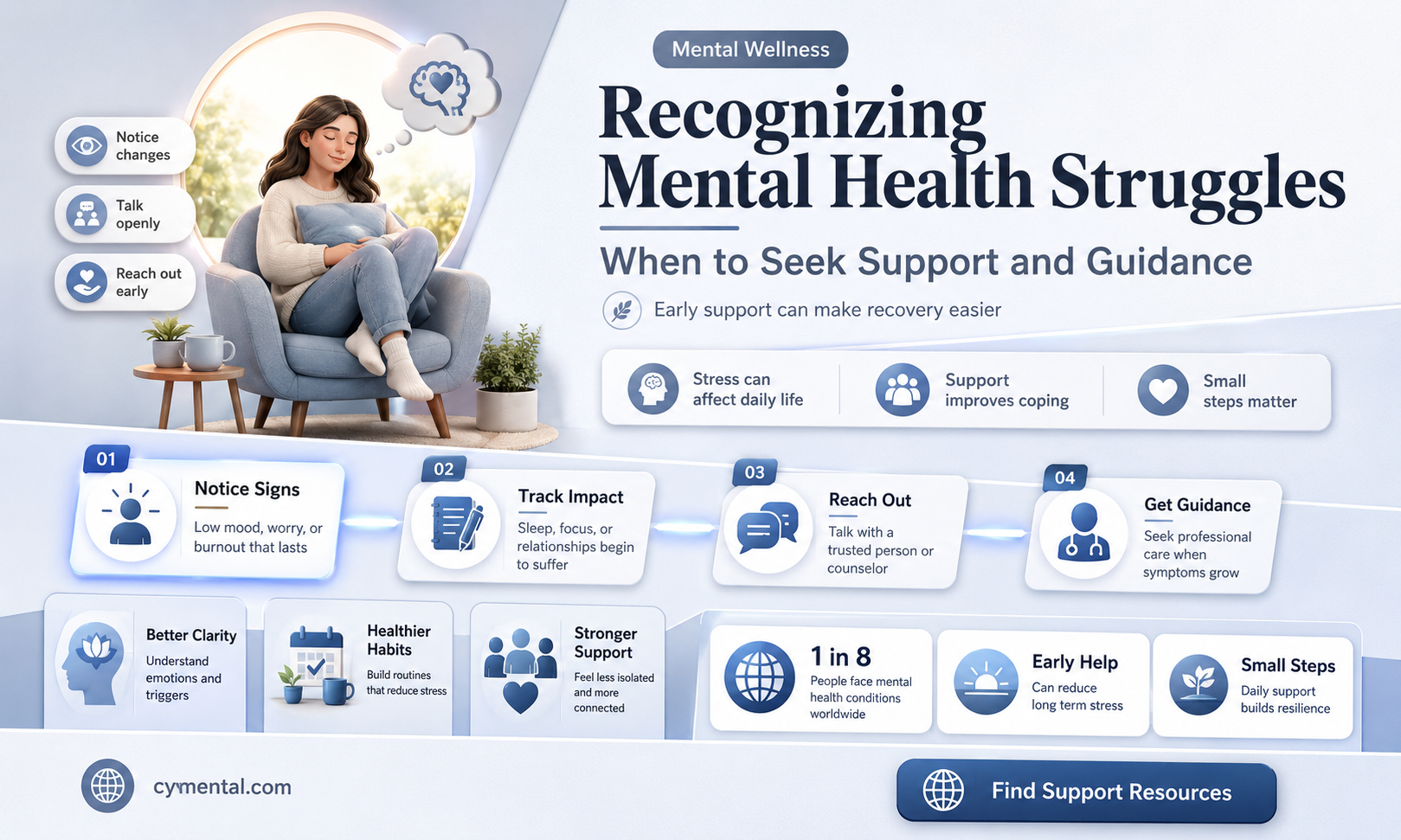
Navigating mental health can be complex, and it’s natural to wonder, “Do I need help?” Recognizing the need for support is a crucial step toward well-being. Signs such as persistent feelings of sadness, anxiety, or overwhelm, changes in sleep or appetite, difficulty concentrating, or withdrawing from loved ones may indicate that professional help could be beneficial. Mental health challenges are common and seeking assistance is a sign of strength, not weakness. Whether through therapy, counseling, or other resources, reaching out can provide tools to manage struggles and improve overall quality of life. Trusting your instincts and taking that first step can make a significant difference.
Explore related products


What You'll Learn
- Recognizing Symptoms: Identifying signs like persistent sadness, anxiety, or changes in behavior that indicate mental health issues
- Seeking Support: Understanding when and how to reach out to professionals, friends, or family for assistance
- Self-Assessment Tools: Using online quizzes or checklists to evaluate mental health concerns objectively
- Stigma Barriers: Overcoming societal or personal stigma that prevents seeking necessary mental health care
- Professional Help: Knowing when therapy, medication, or counseling is essential for recovery and well-being

Recognizing Symptoms: Identifying signs like persistent sadness, anxiety, or changes in behavior that indicate mental health issues
Persistent sadness that lingers beyond two weeks could be more than just a bad mood—it might signal depression. Unlike fleeting emotions tied to specific events, this kind of sadness feels heavy, unshakable, and often disconnected from external circumstances. It’s not about feeling down after a setback; it’s about waking up each day to a cloud that doesn’t lift, even when things go right. If you notice this in yourself or someone else, it’s a red flag worth addressing. Tracking its duration and intensity can help distinguish between normal emotional fluctuations and something more serious.
Anxiety, when it becomes intrusive and disproportionate, disrupts daily life in ways that are often overlooked. For instance, if worry about a presentation at work keeps you awake for nights on end, causes physical symptoms like stomachaches or headaches, or leads you to avoid social situations altogether, it’s crossed into problematic territory. The key is to observe whether the anxiety is persistent, overwhelming, and out of sync with the actual threat level of the situation. Apps like Calm or Headspace can help manage mild symptoms, but if they persist, professional intervention may be necessary.
Changes in behavior often serve as visible markers of underlying mental health struggles. Someone who suddenly withdraws from social activities, neglects personal hygiene, or exhibits unexplained irritability may be grappling with issues like depression or burnout. Similarly, drastic shifts in eating or sleeping patterns—such as insomnia or overeating—can indicate stress, anxiety, or mood disorders. These changes are particularly concerning in adolescents and young adults, where they might be mistaken for typical "phase" behaviors. Keeping a journal to note these shifts can provide clarity and a basis for seeking help.
Recognizing these symptoms requires both self-awareness and compassion. It’s easy to dismiss persistent sadness as laziness, anxiety as overthinking, or behavioral changes as quirks. However, untreated mental health issues can escalate, affecting relationships, work, and physical health. Practical steps include setting aside time for self-reflection, using symptom-tracking tools, and reaching out to trusted friends or professionals. Remember, acknowledging these signs isn’t a sign of weakness—it’s the first step toward reclaiming your well-being.
Supporting Mental Health: Practical Ways to Help Loved Ones Heal
You may want to see also
Explore related products


Seeking Support: Understanding when and how to reach out to professionals, friends, or family for assistance
Recognizing the need for mental health support often begins with subtle signs: persistent sadness, overwhelming anxiety, or a sense of disconnection from once-enjoyable activities. These indicators, though common, can signal deeper struggles that warrant attention. While self-reflection is a starting point, knowing when to transition from personal coping mechanisms to external help is crucial. For instance, if symptoms persist for more than two weeks or interfere with daily functioning—such as work, relationships, or sleep—it’s time to consider reaching out. This decision isn’t a sign of weakness but a proactive step toward healing.
When deciding whom to approach, consider the nature of your struggle. Professionals, such as therapists or psychiatrists, offer structured, evidence-based interventions like cognitive-behavioral therapy (CBT) or medication, which can be particularly effective for conditions like depression or generalized anxiety disorder. For example, studies show that CBT can reduce symptoms of anxiety by up to 50% in 12–16 sessions. Friends or family, on the other hand, provide emotional support and a sense of belonging, which can be invaluable for milder issues or as a complement to professional care. However, avoid relying solely on loved ones for severe or complex problems, as they may lack the training to address them effectively.
Reaching out requires strategy. Start with a trusted individual or professional whose communication style aligns with your needs. For instance, if you prefer direct advice, a friend with a problem-solving mindset might be ideal. If you need a safe space to express emotions, a therapist trained in empathetic listening could be more suitable. When approaching someone, be clear and specific about your needs. Instead of saying, “I’m feeling bad,” try, “I’ve been struggling with anxiety and would appreciate your support.” This clarity helps the other person understand how to assist you effectively.
Caution is necessary when selecting your support system. Avoid individuals who minimize your feelings or lack the capacity to provide consistent help. For example, a friend dealing with their own crisis may not have the emotional bandwidth to support you adequately. Similarly, not all professionals are the right fit—it’s acceptable to switch therapists if the relationship doesn’t feel productive. Additionally, be mindful of cultural or societal barriers that might discourage seeking help, such as stigma or lack of awareness. Overcoming these requires self-advocacy and, sometimes, educating those around you about the importance of mental health.
Ultimately, seeking support is a dynamic process that evolves with your needs. It’s not a one-time decision but a series of choices that adapt to your circumstances. Whether you’re reaching out to a professional for structured care or leaning on a friend for emotional grounding, the goal is to create a network that fosters resilience and recovery. Remember, asking for help isn’t an admission of failure but a courageous step toward reclaiming your well-being. With the right support, even the most daunting struggles can become manageable.
Swimming to Serenity: How Fish Can Boost Your Mental Health
You may want to see also
Explore related products





Self-Assessment Tools: Using online quizzes or checklists to evaluate mental health concerns objectively
Online self-assessment tools for mental health, such as quizzes and checklists, have become increasingly popular as a first step toward understanding personal well-being. These tools often ask targeted questions about mood, behavior, and daily functioning, providing a structured way to reflect on symptoms that might otherwise feel abstract or overwhelming. For instance, a depression checklist might inquire about sleep patterns, appetite changes, and feelings of hopelessness over the past two weeks, aligning with diagnostic criteria like those in the DSM-5. While not a substitute for professional evaluation, these tools can highlight areas of concern and encourage users to seek further help.
However, the effectiveness of self-assessment tools hinges on their design and the user’s honesty. Well-constructed quizzes from reputable sources, such as those from the Anxiety and Depression Association of America or the National Alliance on Mental Illness, often include disclaimers and follow-up resources. Conversely, generic or sensationalized quizzes on social media platforms may lack validity, leading to misinterpretation or unnecessary alarm. For example, a quiz that labels mild stress as "severe anxiety" could discourage someone from seeking appropriate care or, conversely, trivialize genuine distress. Users should approach these tools critically, treating them as a starting point rather than a definitive diagnosis.
One practical benefit of self-assessment tools is their ability to normalize conversations around mental health. By framing symptoms as measurable and common, they reduce stigma and empower individuals to take proactive steps. For instance, a young adult experiencing persistent fatigue and irritability might use a burnout checklist to recognize these as signs of chronic stress rather than personal failure. This awareness can motivate them to adjust their lifestyle, seek therapy, or consult a healthcare provider. Age-specific tools, such as those tailored for teenagers or older adults, further enhance relevance by addressing developmental challenges unique to these groups.
Despite their utility, self-assessment tools come with limitations that users must navigate carefully. They cannot account for contextual factors like cultural differences, trauma history, or physical health conditions that may influence mental health. For example, a checklist for bipolar disorder might flag elevated mood and increased energy, but it cannot distinguish between hypomania and temporary excitement from a positive life event. Additionally, individuals with limited digital literacy or language barriers may struggle to access or interpret these tools accurately. Combining self-assessment with professional guidance ensures a more comprehensive understanding of one’s mental health needs.
In conclusion, self-assessment tools serve as valuable gateways to mental health awareness, offering structure and insight for those unsure about their well-being. When used thoughtfully—with an emphasis on reputable sources and realistic expectations—they can foster early intervention and informed decision-making. However, they are not a panacea. Users should view their results as a prompt for deeper exploration, whether through journaling, peer support, or clinical consultation. By balancing the convenience of online tools with the nuance of human expertise, individuals can navigate their mental health journey with greater clarity and confidence.
Therapy's Impact: My Journey with Mental Illness and Healing
You may want to see also
Explore related products




Stigma Barriers: Overcoming societal or personal stigma that prevents seeking necessary mental health care
Stigma acts as an invisible barrier, often more formidable than the mental health challenges themselves. Societal misconceptions paint seeking help as a sign of weakness, fostering a culture of silence. For instance, phrases like “just toughen up” or “it’s all in your head” trivialize struggles, discouraging individuals from reaching out. This collective judgment isn’t just hurtful—it’s dangerous, delaying treatment and exacerbating conditions. Recognizing stigma as a systemic issue is the first step in dismantling it.
To overcome personal stigma, start by reframing self-perception. Many avoid seeking help because they internalize labels like “broken” or “flawed.” Instead, view mental health care as a form of self-respect, akin to treating a physical injury. Practical steps include journaling to challenge negative self-talk and setting small, achievable goals, such as scheduling a consultation with a therapist. For adults over 25, research shows that even one session can reduce stigma-related anxiety by 30%. Remember, seeking help is not an admission of failure but a proactive step toward healing.
Societal stigma requires collective action. Advocacy begins with education—sharing accurate information about mental health normalizes the conversation. For example, workplaces can implement mandatory training on mental health awareness, reducing stigma by 40% among employees, according to a 2022 study. On a personal level, challenge stigmatizing language when you hear it. Phrases like “committed suicide” perpetuate shame; opt for “died by suicide” instead. Small linguistic shifts can create a more compassionate environment.
Finally, leverage community and technology to bypass stigma. Support groups, both in-person and online, provide anonymity and solidarity, making it easier to share experiences without fear of judgment. Apps like Calm or Talkspace offer discreet access to therapy, ideal for those hesitant to visit a clinic. For teens and young adults, peer-led initiatives, such as mental health clubs in schools, have shown to increase help-seeking behavior by 50%. By combining personal courage with systemic change, stigma can be transformed from a barrier into a bridge toward care.
Deleting Social Media: A Path to Improved Mental Well-being?
You may want to see also
Explore related products


$8.5 $19.99


Professional Help: Knowing when therapy, medication, or counseling is essential for recovery and well-being
Recognizing when professional help is necessary can be the turning point in your mental health journey. While self-care practices like exercise, mindfulness, and social support are invaluable, they may not suffice for everyone. Persistent symptoms such as overwhelming anxiety, prolonged sadness, or difficulty functioning in daily life often signal the need for expert intervention. Therapy, medication, or counseling aren't signs of weakness but tools for recovery, tailored to address the root causes of distress. Understanding when and how to seek these resources is crucial for long-term well-being.
Consider therapy as a structured space to explore thoughts, emotions, and behaviors with a trained professional. Cognitive Behavioral Therapy (CBT), for instance, is highly effective for conditions like depression and anxiety, often showing improvement within 12 to 16 sessions. Dialectical Behavior Therapy (DBT) is particularly beneficial for emotional regulation and borderline personality disorder. Unlike self-help, therapy provides personalized strategies and accountability, making it essential for those whose symptoms interfere with relationships or work. For adolescents, family therapy can be transformative, addressing systemic issues that contribute to mental health struggles.
Medication, while not a one-size-fits-all solution, plays a critical role in managing severe or chronic conditions. Antidepressants like SSRIs (e.g., fluoxetine, sertraline) are commonly prescribed for depression and anxiety, often starting at low doses (10–20 mg/day) and adjusted based on response. Mood stabilizers (e.g., lithium) and antipsychotics (e.g., quetiapine) are vital for bipolar disorder or schizophrenia. It’s important to consult a psychiatrist, as medication requires careful monitoring for side effects and efficacy. Combining medication with therapy often yields better outcomes than either alone, particularly for complex cases.
Counseling serves as a middle ground, offering practical support for specific issues like grief, relationship conflicts, or life transitions. Unlike therapy, counseling is typically shorter-term and goal-oriented. For example, couples counseling can resolve communication breakdowns in 6 to 12 sessions. School counselors can help students navigate academic stress, while career counselors assist adults in aligning work with mental health needs. Counseling is particularly useful when you need guidance but don’t meet the criteria for a clinical diagnosis.
Knowing when to seek professional help involves self-awareness and honesty. If symptoms persist for weeks, disrupt your life, or lead to thoughts of self-harm, it’s time to act. Start by consulting a primary care physician or mental health hotline for guidance. Remember, seeking help is a proactive step toward healing, not a last resort. Whether through therapy, medication, or counseling, professional intervention can provide the structure, expertise, and hope needed to reclaim your mental health.
Seeking Support: Effective Ways to Get Help When You Need It Most
You may want to see also
Frequently asked questions
If you’re experiencing persistent feelings of sadness, anxiety, hopelessness, or if your emotions are interfering with daily life, relationships, or work, it may be time to seek help. Other signs include changes in sleep or appetite, difficulty concentrating, or thoughts of self-harm.
Yes, it’s absolutely okay and important to ask for help. Seeking support is a sign of strength, not weakness. Mental health is just as important as physical health, and reaching out can lead to healing and improvement.
There are various options, including therapy (such as cognitive-behavioral therapy), medication, support groups, and self-care practices. A mental health professional can help determine the best approach for your specific needs.
While self-care practices like exercise, mindfulness, and maintaining a healthy routine can help, some mental health issues require professional intervention. If symptoms persist or worsen, it’s important to consult a mental health expert for guidance.