Noah Parker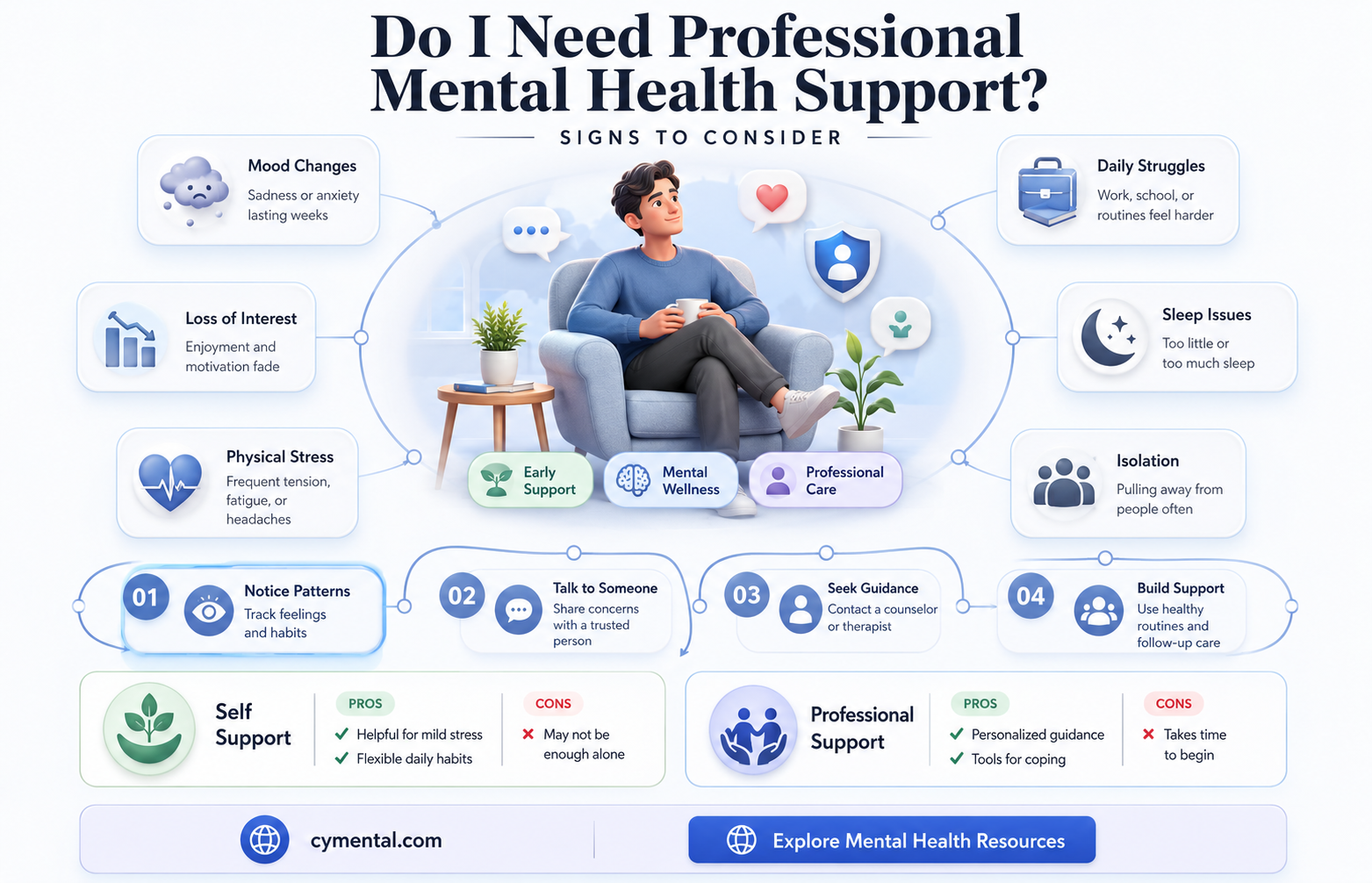
Considering whether you need mental health support from a professional is a significant step toward self-care and well-being. It’s natural to question this, especially if you’re experiencing persistent feelings of sadness, anxiety, stress, or if your emotions are interfering with daily life. Seeking help isn’t a sign of weakness but rather a proactive decision to address your mental health. Professionals like therapists, counselors, or psychologists are trained to provide guidance, tools, and strategies tailored to your needs. If you’re unsure, reflecting on how your thoughts and feelings are impacting your relationships, work, or overall quality of life can help clarify whether professional support could be beneficial. Remember, reaching out for help is a courageous act and a vital step toward healing and growth.
Explore related products


What You'll Learn
- Recognizing Symptoms: Persistent sadness, anxiety, or mood swings may indicate the need for professional intervention
- Impact on Daily Life: Struggles with work, relationships, or self-care often signal a need for help
- Trauma or Grief: Unresolved trauma or prolonged grief can require professional support for healing
- Self-Harm or Suicidal Thoughts: Immediate professional help is crucial for thoughts of self-harm or suicide
- When to Seek Help: If coping mechanisms fail, consulting a mental health professional is essential?

Recognizing Symptoms: Persistent sadness, anxiety, or mood swings may indicate the need for professional intervention
Persistent emotional states like prolonged sadness, unrelenting anxiety, or erratic mood swings often serve as red flags signaling deeper mental health challenges. These symptoms, when left unaddressed, can escalate into more severe conditions such as depression, generalized anxiety disorder, or bipolar disorder. Recognizing them early is crucial, as timely intervention can prevent long-term damage to personal and professional life. For instance, persistent sadness that lasts for more than two weeks, interferes with daily functioning, and is accompanied by changes in appetite or sleep patterns may meet the clinical criteria for major depressive disorder. Similarly, anxiety that disrupts work, relationships, or daily activities could indicate an anxiety disorder requiring professional attention.
To assess whether these symptoms warrant professional help, consider their intensity, duration, and impact on daily life. A helpful framework is the "4-week rule": if symptoms persist for four weeks or more and significantly impair functioning, it’s time to consult a mental health professional. For example, mood swings that shift rapidly from euphoria to despair within hours, coupled with reckless behavior or sleeplessness, could suggest bipolar disorder. Practical steps include keeping a symptom journal to track patterns, using self-assessment tools like the PHQ-9 for depression or GAD-7 for anxiety, and discussing observations with a trusted friend or family member for an outside perspective.
While self-help strategies like exercise, mindfulness, or journaling can alleviate mild symptoms, they are not substitutes for professional treatment when symptoms are severe or persistent. Cognitive Behavioral Therapy (CBT), medication, or a combination of both are evidence-based interventions proven effective for conditions like depression and anxiety. For instance, selective serotonin reuptake inhibitors (SSRIs) are commonly prescribed for depression and anxiety, with dosages typically starting at 10–20 mg/day and adjusted based on response and side effects. However, only a qualified professional can diagnose and prescribe appropriate treatment, underscoring the importance of seeking expert guidance.
Comparing mental health to physical health can provide clarity: just as persistent physical pain warrants a doctor’s visit, enduring emotional distress requires professional attention. Ignoring these symptoms can lead to complications, such as strained relationships, job loss, or even physical health issues like cardiovascular disease. For example, chronic anxiety can elevate cortisol levels, weakening the immune system over time. Conversely, early intervention can lead to better outcomes, improved quality of life, and reduced risk of complications. The takeaway is clear: recognizing and acting on persistent symptoms is not a sign of weakness but a proactive step toward well-being.
Finally, overcoming the stigma associated with seeking mental health help is essential. Many hesitate due to fear of judgment or misconceptions about therapy. However, mental health professionals are trained to provide nonjudgmental support, and therapy is a collaborative process tailored to individual needs. Practical tips include researching therapists who specialize in your concerns, preparing questions for the first session, and setting realistic expectations for progress. Remember, acknowledging the need for help is a strength, not a flaw, and taking that step can be the first toward reclaiming a balanced, fulfilling life.
Can Psychologists Accurately Diagnose Mental Illness? Expert Insights Revealed
You may want to see also
Explore related products

$51.35 $78.95


Impact on Daily Life: Struggles with work, relationships, or self-care often signal a need for help
Struggles in daily life—whether at work, in relationships, or with self-care—can be more than just temporary setbacks. They may be indicators of underlying mental health challenges that require professional attention. For instance, if you find yourself consistently unable to meet deadlines, snapping at colleagues, or feeling overwhelmed by tasks that were once manageable, these could be signs of burnout or anxiety. Similarly, withdrawing from social interactions, experiencing frequent conflicts with loved ones, or neglecting personal hygiene might suggest depression or unresolved emotional issues. Recognizing these patterns is the first step toward addressing them effectively.
Consider the ripple effect of these struggles. At work, chronic stress or disengagement can lead to job instability or career stagnation. In relationships, unresolved tension or emotional distance can erode trust and intimacy over time. Self-care neglect, such as skipping meals, ignoring sleep, or avoiding exercise, can exacerbate physical and mental health issues, creating a vicious cycle. For example, a 2020 study published in the *Journal of Occupational Health Psychology* found that employees experiencing burnout were 1.6 times more likely to leave their jobs within a year. These consequences highlight why early intervention is crucial.
To assess whether professional help is needed, ask yourself specific questions: Are these struggles persistent, lasting weeks or months rather than days? Do they interfere with your ability to function in key areas of life? Have friends, family, or colleagues expressed concern? For instance, if you’re skipping meals due to lack of appetite or energy, track how often this occurs over two weeks. If it happens more than three times a week, it may warrant professional evaluation. Similarly, if you’ve missed five or more social engagements in a month due to anxiety or low mood, consider reaching out to a therapist.
Practical steps can complement professional support. For work-related stress, try the "Pomodoro Technique"—25 minutes of focused work followed by a 5-minute break—to improve productivity and reduce overwhelm. In relationships, allocate dedicated time for open, non-judgmental conversations, using "I" statements to express feelings without blame. For self-care, start small: commit to one actionable task daily, like a 10-minute walk or a balanced meal. These strategies can provide immediate relief while you seek long-term solutions.
Ultimately, the decision to seek professional help is personal, but the impact of untreated mental health issues on daily life is undeniable. Ignoring these struggles can lead to deeper, more complex problems. Conversely, addressing them with the guidance of a mental health professional can restore balance, improve functioning, and enhance overall well-being. Remember, seeking help is not a sign of weakness but a proactive step toward a healthier, more fulfilling life.
Can Psychiatrists Effectively Address and Resolve My Mental Health Issues?
You may want to see also
Explore related products


Trauma or Grief: Unresolved trauma or prolonged grief can require professional support for healing
Trauma and grief are emotional earthquakes, leaving cracks in the foundation of our well-being. While time often heals superficial wounds, deep fissures caused by unresolved trauma or prolonged grief can widen, destabilizing our mental health. These experiences aren’t just "hard times" to push through; they’re complex psychological injuries that may require professional intervention to mend.
Consider this: a broken leg needs a cast, not just rest. Similarly, trauma and grief can shatter our emotional resilience, leaving us vulnerable to anxiety, depression, and even physical ailments. Unresolved trauma, whether from a single event or chronic stress, can manifest as flashbacks, nightmares, or hypervigilance, while prolonged grief may lead to persistent sadness, social withdrawal, or a loss of purpose. If these symptoms persist beyond what’s considered a "normal" healing period (typically 6–12 months for grief), it’s a red flag signaling the need for professional help.
Therapies like Cognitive Behavioral Therapy (CBT) or Eye Movement Desensitization and Reprocessing (EMDR) are evidence-based tools for processing trauma. For grief, grief counseling or support groups can provide structured guidance. Medication, such as antidepressants, may be prescribed in severe cases, but it’s rarely a standalone solution. The key is early intervention—waiting too long can allow these issues to become entrenched, making recovery harder.
Here’s a practical tip: track your symptoms. If you notice persistent changes in sleep, appetite, or mood, or if you’re avoiding reminders of the trauma or loss, it’s time to consult a mental health professional. Don’t fall into the trap of thinking you should "handle it alone." Seeking help isn’t a sign of weakness; it’s a step toward reclaiming your mental health.
In essence, trauma and grief are not linear processes, and their impact can be profound. Professional support offers a roadmap for healing, equipping you with tools to navigate the emotional aftermath. Ignoring the signs or delaying treatment can prolong suffering, but taking action can lead to resilience, growth, and renewed well-being.
AI's Role in Mental Health: Support, Challenges, and Future Possibilities
You may want to see also
Explore related products


Self-Harm or Suicidal Thoughts: Immediate professional help is crucial for thoughts of self-harm or suicide
Thoughts of self-harm or suicide are not merely cries for attention; they are urgent signals from a mind in distress. These thoughts often stem from overwhelming emotional pain, unresolved trauma, or severe mental health conditions like depression, anxiety, or borderline personality disorder. Ignoring them or attempting to manage them alone can be life-threatening. Professional intervention is not optional—it is essential. Mental health professionals are trained to assess the severity of these thoughts, identify underlying causes, and provide evidence-based treatments such as cognitive-behavioral therapy (CBT), dialectical behavior therapy (DBT), or medication. Delaying help increases the risk of irreversible consequences.
Consider this scenario: A 22-year-old college student begins cutting themselves as a coping mechanism for chronic stress and feelings of worthlessness. Initially, they rationalize it as a temporary release, but the behavior escalates, and suicidal thoughts emerge. Without professional intervention, this pattern can become ingrained, leading to severe physical harm or a fatal attempt. A therapist could introduce DBT, a proven approach for self-harm and suicidal ideation, which teaches distress tolerance and emotional regulation skills. Medication, such as antidepressants or mood stabilizers, might also be prescribed to address chemical imbalances contributing to these thoughts.
The stigma surrounding self-harm and suicidal thoughts often prevents individuals from seeking help. Many fear being judged, labeled, or hospitalized. However, mental health professionals prioritize confidentiality and compassion, creating a safe space to explore these issues without shame. Crisis hotlines (e.g., the National Suicide Prevention Lifeline at 988 in the U.S.) offer immediate support, but they are not a substitute for long-term care. A therapist or psychiatrist can develop a personalized treatment plan, monitor progress, and adjust strategies as needed. For adolescents, family therapy may be incorporated to address relational dynamics that exacerbate self-harm or suicidal tendencies.
Practical steps to take if you or someone you know is experiencing these thoughts include: 1) Remove access to potential means of self-harm (e.g., sharp objects, medications). 2) Contact a mental health professional or emergency services immediately. 3) Encourage open communication without judgment. 4) Follow through with recommended treatments, including therapy sessions and medication adherence. Remember, seeking help is not a sign of weakness but a courageous step toward healing. The goal is not just survival but reclaiming a life worth living.
Reflexology and Mental Health: Unlocking Natural Stress Relief and Wellness
You may want to see also
Explore related products


When to Seek Help: If coping mechanisms fail, consulting a mental health professional is essential
Coping mechanisms, whether it’s journaling, exercise, or leaning on friends, are often the first line of defense against life’s stressors. However, when these strategies no longer alleviate distress, it’s a red flag. For instance, if you’ve been meditating daily for months but still find yourself overwhelmed by anxiety, or if your usual social support system feels insufficient, these are signs that deeper intervention may be needed. The failure of coping mechanisms doesn’t indicate personal weakness; rather, it highlights the complexity of the issue at hand.
Consider this scenario: A 32-year-old professional uses running as a way to manage stress. Over time, despite increasing mileage, they notice persistent irritability and sleepless nights. Here, the coping mechanism (exercise) isn’t addressing the root cause—possibly burnout or unresolved trauma. This is where a mental health professional steps in. Therapists and counselors are trained to identify underlying issues that self-help methods might miss. For example, cognitive-behavioral therapy (CBT) can rewire thought patterns, while medication, if prescribed, can chemically balance neurotransmitters like serotonin or dopamine.
The decision to seek professional help isn’t binary—it’s a spectrum. Start by assessing the duration and intensity of your symptoms. If you’ve felt persistently sad, anxious, or disconnected for more than two weeks, it’s time to consult a professional. Practical steps include contacting your primary care physician for a referral, using online platforms like Psychology Today to find therapists, or checking if your employer offers mental health benefits. For those hesitant due to stigma, remember: seeking help is a proactive step, not a surrender.
One common misconception is that therapy is only for “serious” issues like depression or PTSD. In reality, professionals can assist with everyday challenges, such as improving communication in relationships or managing work-life balance. For example, a 25-year-old struggling with perfectionism might benefit from dialectical behavior therapy (DBT) to build emotional resilience. Similarly, couples therapy can provide tools to navigate conflicts before they escalate. The key is recognizing when your current strategies are no longer sufficient and taking action before symptoms worsen.
Finally, seeking help isn’t a one-size-fits-all process. Some may benefit from weekly therapy sessions, while others might need a combination of therapy and medication. For instance, selective serotonin reuptake inhibitors (SSRIs) are commonly prescribed for depression and anxiety but require 4–6 weeks to take full effect. It’s crucial to communicate openly with your provider about what works and what doesn’t. Remember, consulting a professional isn’t a last resort—it’s a strategic move toward reclaiming your mental well-being when your own tools fall short.
Ensure Plus and Mental Health: Exploring Nutritional Support for Well-Being
You may want to see also
Frequently asked questions
If you’re experiencing persistent feelings of sadness, anxiety, or hopelessness, difficulty functioning in daily life, or thoughts of self-harm, it’s a sign you may need professional help. Trust your instincts—if something feels off, reaching out is a good idea.
While self-care and support from loved ones are important, some mental health challenges require professional expertise. A therapist or counselor can provide tools, strategies, and insights that may not be accessible on your own.
You don’t need to wait for a crisis to seek help. If your mental health is affecting your quality of life, relationships, or ability to function, it’s valid to seek support. Professionals are there for all levels of concern, not just severe cases.
Start by identifying your needs (e.g., therapy, medication, or both). Research licensed professionals in your area, read reviews, and consider their specialties. It’s okay to try a few before finding the right fit—the relationship with your provider is key.