Lucas Bennett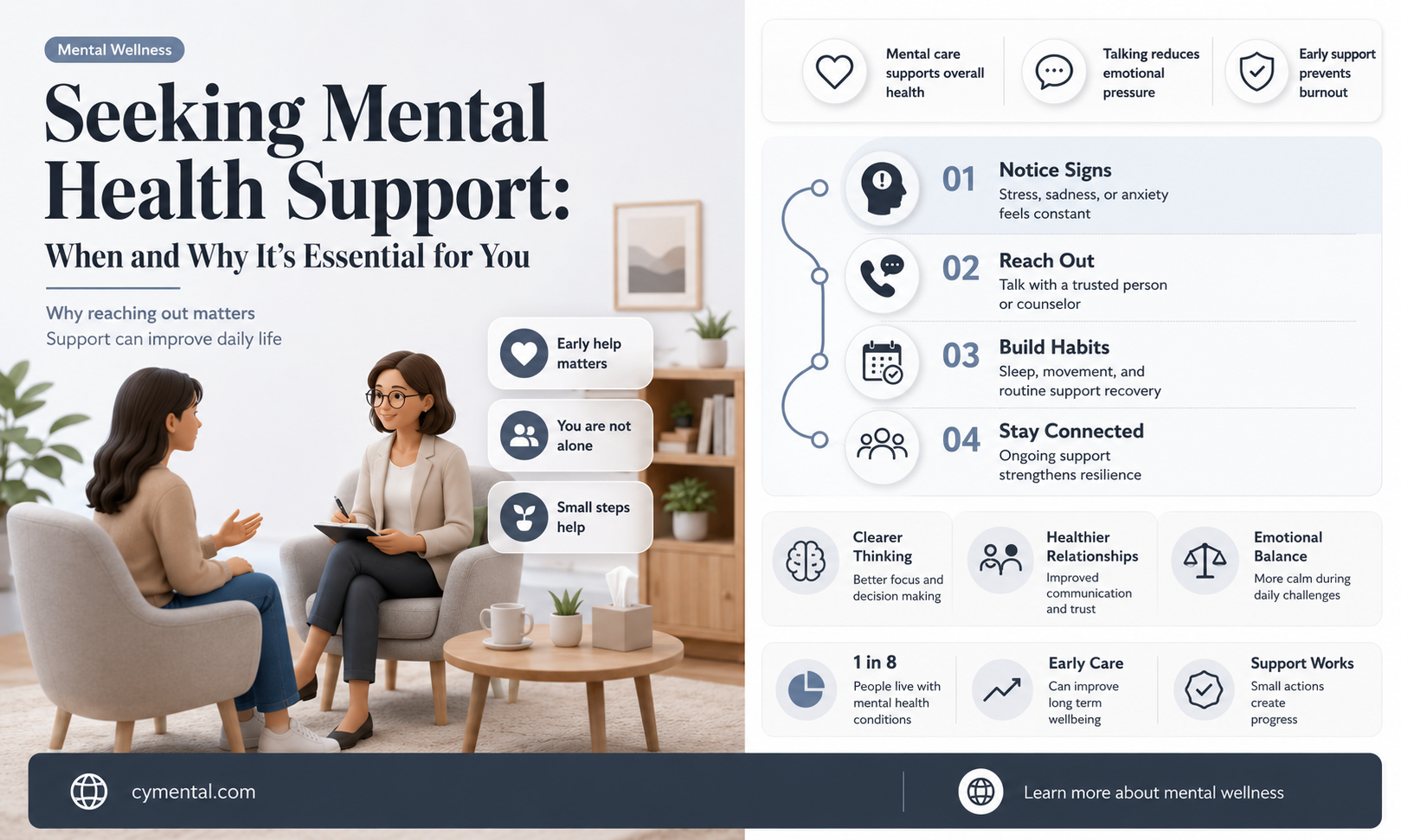
In today's fast-paced and often stressful world, the question of whether one needs mental help is becoming increasingly relevant. Mental health is an essential aspect of overall well-being, yet it is often overlooked or stigmatized. Many individuals struggle with anxiety, depression, or other mental health challenges but hesitate to seek support due to societal misconceptions or personal fears. Recognizing the signs that indicate a need for professional assistance, such as persistent feelings of sadness, difficulty functioning in daily life, or changes in behavior, is crucial. Seeking mental help is not a sign of weakness but rather a proactive step toward healing and self-improvement, fostering resilience and a better quality of life.
Explore related products


What You'll Learn
- Recognizing Mental Health Issues: Identifying symptoms like persistent sadness, anxiety, or changes in behavior
- Seeking Professional Support: Finding therapists, counselors, or psychiatrists for diagnosis and treatment
- Self-Care Strategies: Practicing mindfulness, exercise, and healthy habits to manage mental well-being
- Breaking Stigma: Encouraging open conversations to reduce shame around mental health struggles
- When to Get Help: Understanding red flags like suicidal thoughts or severe mood swings?

Recognizing Mental Health Issues: Identifying symptoms like persistent sadness, anxiety, or changes in behavior
Persistent sadness that lingers beyond two weeks could be a red flag for depression, especially if it interferes with daily activities like work, sleep, or relationships. Unlike fleeting feelings of disappointment or grief, this type of sadness often feels overwhelming and unrelenting. For instance, someone might find themselves crying for no apparent reason, losing interest in hobbies they once loved, or struggling to muster the energy to complete basic tasks. Recognizing this symptom early can be crucial, as untreated depression may worsen over time. If you notice these signs in yourself or someone else, consider it a prompt to seek professional guidance rather than dismissing it as a temporary mood.
Anxiety, when it becomes excessive and disproportionate to the situation, can paralyze decision-making and disrupt life. Physical symptoms like rapid heartbeat, sweating, or insomnia often accompany persistent worry. For example, someone might avoid social gatherings due to fear of judgment or spend hours each day ruminating over minor concerns. The Anxiety and Depression Association of America notes that anxiety disorders affect 40 million adults in the U.S. alone, yet only 36.9% receive treatment. Tracking the frequency and intensity of anxious episodes can help determine whether it’s a manageable stress response or a sign of an anxiety disorder requiring intervention.
Changes in behavior, such as sudden aggression, withdrawal from social interactions, or drastic shifts in eating or sleeping patterns, often signal underlying mental health struggles. For instance, a typically outgoing person becoming reclusive or someone neglecting personal hygiene could be exhibiting symptoms of depression or severe stress. These changes are particularly concerning in adolescents, as mental health issues often emerge during this age group. The National Institute of Mental Health reports that 50% of all lifetime mental illnesses begin by age 14. Observing and documenting these behavioral shifts can provide valuable insights for mental health professionals during assessment.
To identify these symptoms effectively, maintain a symptom journal noting duration, triggers, and impact on daily life. For example, record how many days sadness persists, how anxiety affects work performance, or how behavioral changes strain relationships. This documentation can help professionals make accurate diagnoses and tailor treatment plans. Additionally, familiarize yourself with mental health resources like crisis hotlines or online therapy platforms for immediate support. Early recognition and action are key—mental health issues are treatable, and acknowledging symptoms is the first step toward recovery.
Vitamin D and Omega-3: Natural Allies for Mental Health?
You may want to see also
Explore related products


Seeking Professional Support: Finding therapists, counselors, or psychiatrists for diagnosis and treatment
Recognizing the need for mental health support is only the first step; finding the right professional to guide you through diagnosis and treatment is crucial. Therapists, counselors, and psychiatrists each bring unique expertise to the table, and understanding their roles can streamline your search. Therapists and counselors often specialize in talk therapy, helping individuals navigate emotional challenges, relationship issues, or behavioral patterns. Psychiatrists, on the other hand, are medical doctors who can diagnose mental health disorders, prescribe medication, and provide therapy. Knowing which type of professional aligns with your needs is the foundation of a successful treatment journey.
Begin your search by leveraging trusted resources. Online directories like Psychology Today, GoodTherapy, or the American Psychological Association’s therapist locator allow you to filter by location, specialization, and insurance acceptance. Recommendations from primary care physicians, friends, or family can also provide valuable leads. For those with specific concerns, such as trauma or addiction, seek professionals with certifications or experience in those areas. For instance, a therapist trained in Cognitive Behavioral Therapy (CBT) might be ideal for anxiety or depression, while a psychiatrist with expertise in bipolar disorder could offer targeted medication management.
Once you’ve identified potential candidates, consider practical factors that influence long-term engagement. Location and availability are obvious, but don’t overlook the importance of cost and insurance coverage. Many therapists offer sliding scale fees for those without insurance, while others may provide limited pro bono sessions. Initial consultations, often 15–30 minutes, are an opportunity to assess compatibility. Ask about their approach, treatment modalities, and expected duration of therapy. For example, short-term solutions like solution-focused therapy might resolve immediate crises, while long-term psychodynamic therapy could address deeper issues.
Building a therapeutic relationship takes time, and it’s okay to switch providers if the fit isn’t right. Red flags include feeling judged, misunderstood, or pressured into decisions. A good therapist listens actively, respects boundaries, and collaborates on treatment goals. For medication management, psychiatrists should explain potential side effects, dosage adjustments, and follow-up schedules. For instance, antidepressants often take 4–6 weeks to show full effects, and regular monitoring is essential to ensure efficacy and safety.
Finally, integrate self-care into your treatment plan. Professional support is powerful, but it’s most effective when paired with lifestyle changes. Therapists often recommend journaling, mindfulness practices, or regular exercise to complement sessions. For those on medication, adhering to prescribed dosages and avoiding alcohol or drug interactions is critical. Remember, seeking help is a sign of strength, and finding the right professional is a proactive step toward healing. With patience and persistence, you can build a support system tailored to your unique needs.
Supporting Your Child’s Mental Health: Practical Steps for Parents
You may want to see also
Explore related products





Self-Care Strategies: Practicing mindfulness, exercise, and healthy habits to manage mental well-being
Mindfulness isn’t just a buzzword—it’s a scientifically backed tool for rewiring your brain’s response to stress. Studies show that practicing mindfulness for as little as 10 minutes daily can reduce cortisol levels by up to 14%. Start with a simple breathing exercise: inhale for 4 seconds, hold for 4 seconds, exhale for 6 seconds. Repeat this cycle for 5 minutes, focusing solely on your breath. Over time, this trains your mind to stay present, breaking the cycle of rumination that often fuels anxiety and depression. Pair this with apps like Headspace or Calm for guided sessions tailored to your needs.
Exercise isn’t just about physical health—it’s a potent antidepressant. A meta-analysis of 49 studies found that regular physical activity can reduce symptoms of depression by 26%. Aim for 150 minutes of moderate exercise weekly, such as brisk walking or cycling. For maximum mental health benefits, incorporate activities that combine movement and mindfulness, like yoga or tai chi. Even a 20-minute walk in nature can boost serotonin levels, improving mood and reducing stress. Pro tip: Schedule workouts like non-negotiable appointments to build consistency.
Healthy habits form the foundation of mental resilience, but they’re often overlooked in favor of quick fixes. Prioritize sleep by maintaining a consistent bedtime and limiting screen time an hour before sleep. Adults need 7–9 hours nightly, and poor sleep is linked to a 50% higher risk of developing mental health issues. Nutrition matters too: incorporate omega-3-rich foods like salmon or walnuts, which have been shown to reduce symptoms of depression. Hydration is equally critical—even mild dehydration can impair mood and cognitive function, so aim for 8–10 cups of water daily.
Combining these strategies creates a synergistic effect. For instance, mindfulness enhances the mental benefits of exercise by increasing focus and reducing post-workout stress. Similarly, healthy habits like proper nutrition and sleep amplify the effects of mindfulness by stabilizing energy levels and cognitive function. Start small: pick one strategy to focus on for 2 weeks, then gradually integrate others. Consistency is key—these practices aren’t one-time fixes but lifelong tools for managing mental well-being. Remember, seeking professional help alongside self-care isn’t a failure; it’s a proactive step toward holistic health.
Cold Showers and Mental Health: Unlocking Potential Benefits for Well-being
You may want to see also
Explore related products





Breaking Stigma: Encouraging open conversations to reduce shame around mental health struggles
Mental health struggles are as common as physical ailments, yet the stigma surrounding them persists, silencing those who need help the most. According to the World Health Organization, one in four people globally will experience a mental health issue at some point in their lives. Despite this prevalence, many suffer in silence due to fear of judgment, discrimination, or self-blame. This stigma not only delays treatment but also exacerbates feelings of isolation and shame. To break this cycle, we must normalize open conversations about mental health, treating it with the same urgency and compassion as physical health.
Encouraging open dialogue begins with language—choosing words that destigmatize rather than shame. Instead of asking, "What’s wrong with you?" try, "How can I support you?" Phrases like "mental illness" can inadvertently label individuals, so opt for "mental health challenges" or "struggles" to emphasize the temporary and manageable nature of these experiences. For parents and educators, using age-appropriate language is key. With children (ages 5–12), frame conversations around emotions: "It’s okay to feel sad sometimes. Let’s talk about it." For teens and adults, validate their experiences without minimizing them: "Your feelings are real, and it’s brave to talk about them."
Practical steps can foster safe spaces for these conversations. Start small by sharing your own vulnerabilities—whether it’s feeling overwhelmed at work or struggling with anxiety. This models openness and reduces the pressure on others to be "perfect." In workplaces, implement mental health days alongside sick days, and train managers to recognize signs of distress without prying. Schools can integrate mental health education into curricula, teaching students coping strategies and the importance of seeking help. For example, mindfulness exercises for 10 minutes daily have been shown to reduce stress in adolescents by up to 30%.
Comparing mental health stigma to past taboos highlights the power of collective effort. Just as conversations about cancer or HIV/AIDS shifted from whispers to open advocacy, mental health can follow suit. Campaigns like Bell’s "Let’s Talk" in Canada have raised millions for mental health initiatives by encouraging people to share their stories. Social media platforms can amplify these efforts, but caution is needed—avoid oversimplifying struggles with hashtags or viral challenges. Instead, use these platforms to direct users to professional resources, such as crisis hotlines or therapy apps like BetterHelp or Calm.
Breaking stigma is not just about talking—it’s about listening and acting. When someone opens up, resist the urge to offer quick fixes like "Just stay positive." Instead, ask, "What do you need right now?" If they’re hesitant to seek professional help, offer to accompany them to a first appointment or research therapists together. For those in crisis, know the signs: sudden withdrawal, drastic mood changes, or talk of self-harm. In such cases, contact local emergency services or a helpline like the National Suicide Prevention Lifeline (988 in the U.S.). Remember, reducing shame isn’t a one-time effort but a continuous commitment to empathy, education, and action.
Recognizing the Signs: When to Seek Help for Your Well-Being
You may want to see also
Explore related products


$8.5 $19.99


When to Get Help: Understanding red flags like suicidal thoughts or severe mood swings
Suicidal thoughts are a critical red flag that demand immediate attention. They are not a sign of weakness or a cry for attention but a clear indication of profound distress. If you or someone you know is experiencing persistent thoughts of self-harm or death, it’s essential to act swiftly. Contact a mental health professional, call a crisis hotline (such as the National Suicide Prevention Lifeline at 988 in the U.S.), or seek emergency care. Ignoring these thoughts can have irreversible consequences, while addressing them can open pathways to healing and recovery.
Severe mood swings that disrupt daily life are another red flag, often signaling underlying mental health conditions like bipolar disorder or borderline personality disorder. Unlike typical emotional fluctuations, these swings are extreme, unpredictable, and prolonged. For instance, rapid shifts from euphoria to deep depression within hours or days can impair judgment, relationships, and work performance. Keeping a mood journal can help track patterns and provide valuable insights for a mental health professional. Early intervention, including therapy and medication, can stabilize moods and improve quality of life.
While it’s normal to feel overwhelmed occasionally, persistent feelings of hopelessness or worthlessness are cause for concern. These emotions often accompany depression and can erode one’s ability to function. If you notice a loved one withdrawing from activities they once enjoyed, neglecting self-care, or expressing feelings of being a burden, encourage them to seek help. Practical steps include offering to accompany them to a therapist or helping them research mental health resources. Remember, acknowledging the need for help is a sign of strength, not failure.
Comparing mental health red flags to physical health symptoms can clarify their urgency. Just as chest pain warrants a trip to the ER, suicidal thoughts or severe mood swings require immediate professional intervention. Mental health crises are not something to "tough out" or wait out. Treatment options, such as cognitive-behavioral therapy (CBT) or medication, are evidence-based and effective. Delaying care can exacerbate symptoms, but taking action can lead to significant improvement and long-term resilience. Prioritize mental health with the same urgency as physical health—both are essential to overall well-being.
Soothing Soaks: How Baths Boost Mental Health and Wellness
You may want to see also
Frequently asked questions
If you’re experiencing persistent feelings of sadness, anxiety, or hopelessness, difficulty functioning in daily life, or thoughts of self-harm, it may be time to seek mental health support.
Yes, it’s absolutely okay. Mental health concerns of any size are valid, and seeking help early can prevent issues from worsening.
Signs include sudden changes in behavior, withdrawal from social activities, extreme mood swings, or expressions of hopelessness or self-harm.
Yes, there are alternatives like self-help resources, support groups, or talking to a trusted friend or family member, though professional help is often most effective.
No, seeking help is a sign of strength and self-awareness. Mental health is just as important as physical health, and everyone deserves support.