Noah Parker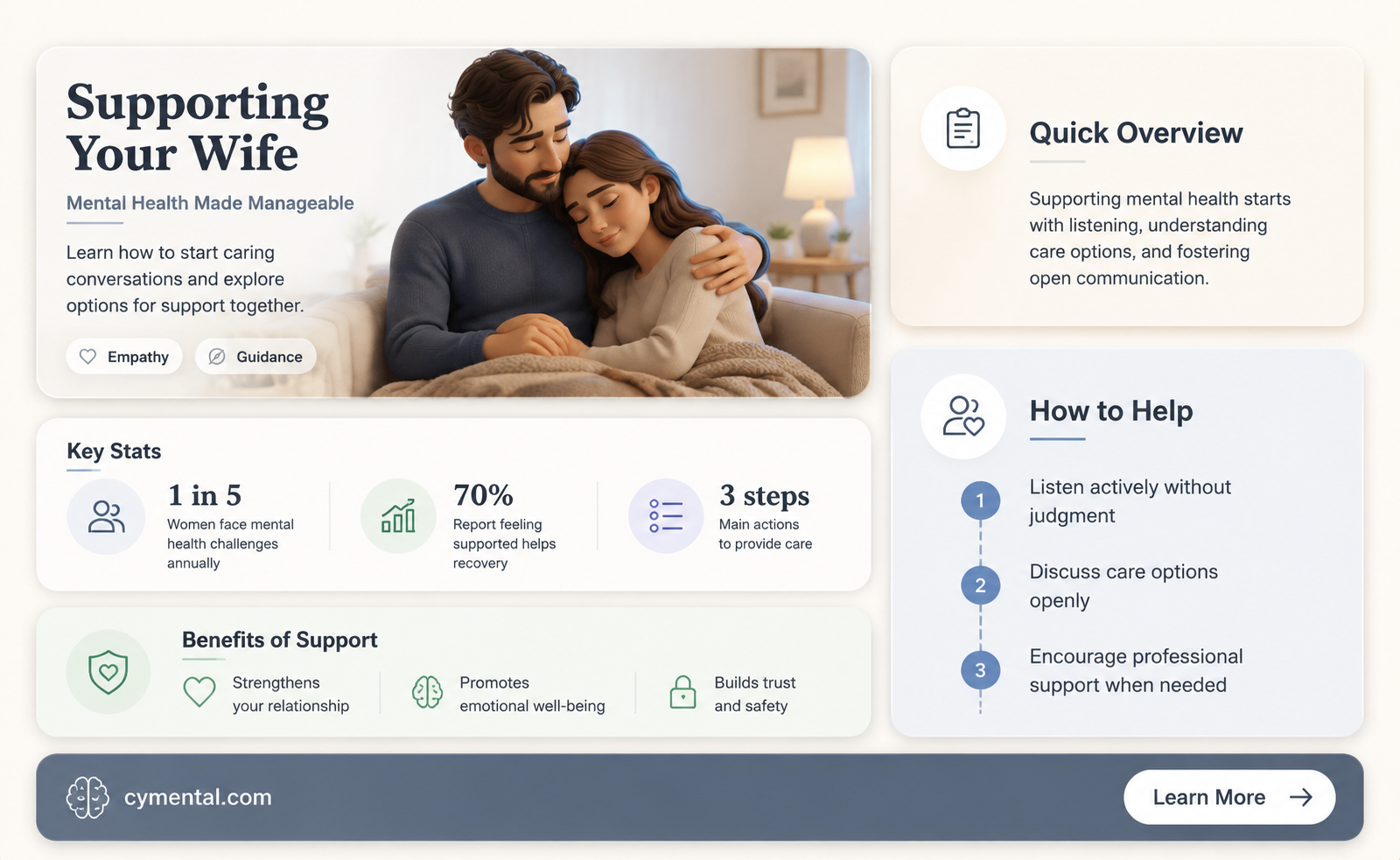
Navigating concerns about a spouse’s mental health can be deeply challenging, and the question of whether you can make your wife seek help is complex. While you cannot force someone to pursue mental health treatment, you can encourage and support them by expressing your concerns in a compassionate and non-judgmental way. It’s essential to approach the conversation with empathy, focusing on your observations and how her well-being affects both of you. Additionally, consider seeking guidance from a professional counselor or therapist who can help you navigate this sensitive issue and explore options like couples therapy or individual support for your wife. Ultimately, fostering an environment of understanding and patience is key, as mental health is a deeply personal journey that requires voluntary engagement for meaningful progress.
| Characteristics | Values |
|---|---|
| Search Intent | Informational |
| Primary Concern | Legal and ethical considerations regarding involuntary mental health treatment for a spouse |
| Common Questions | Can I force my wife to get mental help? What are my rights as a spouse? How can I help my wife if she refuses treatment? |
| Legal Aspects | Varies by jurisdiction; generally, involuntary commitment requires proof of danger to self or others, and a court order |
| Ethical Considerations | Respect for autonomy, informed consent, and balancing care with personal freedom |
| Support Options | Encouraging voluntary treatment, therapy, counseling, support groups, and crisis intervention services |
| Resources | Mental health professionals, local mental health authorities, legal advisors, and helplines (e.g., NAMI, Crisis Text Line) |
| Key Takeaway | Involuntary treatment is complex and rare; focus on supportive, voluntary approaches while ensuring safety |
Explore related products


What You'll Learn

Recognizing Signs of Mental Health Issues
Mental health issues often manifest subtly, making them easy to overlook or misinterpret. Changes in behavior, such as withdrawal from social activities, unexplained irritability, or a sudden lack of interest in hobbies, can be early indicators. For instance, if your wife, who once enjoyed painting, now avoids her art supplies and spends evenings in silence, this shift warrants attention. Recognizing these signs requires attentiveness and a willingness to observe without judgment.
Analyzing patterns is crucial for distinguishing between temporary mood swings and persistent mental health concerns. Keep a mental or written log of recurring behaviors, such as frequent insomnia, changes in appetite, or difficulty concentrating. For example, if your wife struggles to focus at work and mentions feeling overwhelmed despite manageable tasks, this could signal anxiety or depression. Context matters—stressful life events like job loss or family conflict can exacerbate symptoms, but prolonged distress without an obvious trigger is a red flag.
Approaching the conversation about mental health requires empathy and strategy. Start by expressing concern without assigning blame or using accusatory language. For instance, say, "I’ve noticed you seem more tired lately, and I’m worried about you," instead of, "You’re always so moody—what’s wrong?" Offer specific examples of behaviors you’ve observed to show you’re paying attention. Suggest professional help as a collaborative step, framing it as a way to support her well-being rather than a solution to "fix" her.
Comparing mental health to physical health can help normalize the conversation. Just as you’d encourage a loved one to see a doctor for persistent headaches, mental health issues deserve professional attention. Share resources like therapy options, helplines, or online support groups to make the process less daunting. Remember, you cannot force someone to seek help, but you can create a safe space for them to consider it. Your role is to support, not control, her journey toward healing.
Hypnosis and Mental Health: Exploring Its Potential as a Therapeutic Tool
You may want to see also
Explore related products


Approaching the Conversation with Empathy
Empathy begins with listening—not just hearing words, but understanding the emotions behind them. Before even broaching the topic of mental health support, take time to observe your wife’s behavior and emotional cues. Notice if she seems withdrawn, irritable, or overwhelmed. Reflect on specific instances where her struggles became apparent, such as difficulty sleeping, changes in appetite, or avoidance of social activities. By acknowledging these patterns, you demonstrate that you’re attuned to her experience, which lays the groundwork for a compassionate conversation.
Start the conversation with a soft entry point, avoiding confrontational language or ultimatums. Instead of saying, “You need help,” try, “I’ve noticed you’ve been feeling really stressed lately, and I’m worried about you.” Use “I” statements to express your concerns without sounding accusatory. For example, “I feel concerned when I see you struggling, and I want to support you in any way I can.” This approach shifts the focus from judgment to care, creating a safe space for her to open up.
Empathy also means validating her feelings, even if you don’t fully understand them. Phrases like, “It makes sense that you’re feeling overwhelmed with everything going on,” or “I can see how hard this has been for you,” show that you respect her emotional reality. Avoid minimizing her struggles with statements like, “It’s not that bad,” or “You just need to stay positive.” Validation builds trust and encourages her to share more openly, which is crucial for addressing mental health concerns collaboratively.
Finally, offer specific, actionable support rather than vague reassurances. Research mental health resources in your area, such as therapists, support groups, or online counseling platforms, and present them as options rather than mandates. For instance, say, “I found a therapist who specializes in anxiety, and I’d be happy to help you set up an appointment if you’re interested.” Let her know you’re willing to accompany her to sessions or simply be there to listen. By framing mental health support as a joint effort, you reinforce your commitment to her well-being and honor her autonomy in the process.
Altruism's Healing Power: Can Selfless Acts Improve Mental Health?
You may want to see also
Explore related products





Encouraging Professional Support Gently
Recognizing when a loved one needs mental health support is only the first step; the challenge lies in broaching the subject without triggering defensiveness or withdrawal. Start by framing the conversation around shared goals rather than perceived flaws. For instance, instead of saying, "You need help," try, "I’ve noticed we’ve both been struggling lately, and I wonder if talking to someone could help us both." This approach positions professional support as a collaborative tool rather than a critique. Research shows that individuals are more receptive to suggestions when they feel their autonomy is respected, so avoid ultimatums or demands. Instead, emphasize curiosity and openness, such as, "I’m curious about what you think of therapy—I’ve heard it can offer new perspectives."
The timing and setting of the conversation are as crucial as the words themselves. Choose a moment when both parties are calm and undisturbed, avoiding periods of heightened stress or conflict. A quiet walk or a shared meal can create a neutral, non-confrontational environment. Use "I" statements to express your observations and feelings without assigning blame. For example, "I’ve been feeling worried about how overwhelmed you seem, and I’d love to explore ways we can support each other better." This shifts the focus from their perceived shortcomings to your shared desire for well-being. Remember, the goal is to foster a sense of partnership, not to corner them into compliance.
One effective strategy is to normalize mental health care by sharing personal experiences or anecdotes from trusted sources. If you’ve benefited from therapy, mention it casually, such as, "Talking to a counselor really helped me when I was going through something similar." If you haven’t, cite relatable examples: "A friend of mine found couples therapy really helpful when they were navigating a tough time." This reduces the stigma and makes professional support seem less intimidating. Additionally, offer to accompany them to the first appointment or help research therapists, removing logistical barriers that might deter them.
Finally, be prepared for resistance and respond with patience rather than frustration. It’s common for individuals to feel threatened or ashamed when confronted about their mental health, even if the intention is supportive. Validate their feelings by saying, "I understand this might feel uncomfortable, and that’s okay." Reiterate that seeking help is a sign of strength, not weakness, and that you’re there to support them every step of the way. If they remain hesitant, suggest starting small, such as a single session or a mental health app, to ease them into the process. The key is to maintain a gentle, persistent presence without forcing the issue, allowing them to move at their own pace while knowing they’re not alone.
Animal Companionship: Boosting Mental Health and Emotional Well-Being in Humans
You may want to see also
Explore related products

$15.71 $20

$12.14 $19.99


Understanding Legal and Ethical Boundaries
You cannot legally force your wife to seek mental health treatment against her will. This is a fundamental ethical and legal boundary rooted in the principle of autonomy, which grants individuals the right to make decisions about their own bodies and lives. While you may be deeply concerned about her well-being, respecting her autonomy is paramount.
Coercing someone into treatment can be counterproductive, eroding trust and potentially worsening their mental state.
Understanding the legal framework is crucial. In most jurisdictions, involuntary commitment for mental health treatment requires a court order and strict criteria. These typically include evidence of a severe mental illness, a substantial risk of harm to oneself or others, and the inability to make informed decisions about treatment. Simply being concerned about your wife's mental health, without concrete evidence of these criteria, does not meet the legal threshold for involuntary commitment.
Relating this to a real-world scenario, imagine your wife is experiencing severe depression but refuses treatment. While you may feel desperate to help, forcibly admitting her to a hospital would be illegal and ethically questionable. Instead, focus on encouraging open communication, expressing your concerns, and offering support in finding resources she feels comfortable with.
Ethical considerations extend beyond legality. Even if your wife's mental health struggles are evident, respecting her right to self-determination is essential. This doesn't mean you are powerless. You can play a vital role in creating a supportive environment, encouraging professional help, and assisting with research and logistics. Remember, true support empowers, it doesn't control.
Finally, consider the long-term impact of your actions. Forcing treatment can damage the trust and intimacy in your relationship, potentially hindering her willingness to seek help in the future. By respecting her autonomy and offering compassionate support, you create a foundation for healing and growth, both for her and for your relationship.
Seeking Support: Effective Ways to Get Help When You Need It Most
You may want to see also
Explore related products





Supporting Her Without Forcing Help
You cannot legally force your wife to seek mental health treatment. Mental health care is a deeply personal decision that requires autonomy and willingness. However, you can play a pivotal role in creating an environment that encourages her to seek support. Start by fostering open communication. Choose a calm, private moment to express your concerns without judgment or accusation. Use "I" statements to convey your feelings and observations, such as, "I’ve noticed you seem more withdrawn lately, and I’m worried about you." This approach avoids defensiveness and shows you care.
Encourage small, manageable steps rather than pushing for immediate solutions. Suggest activities that indirectly promote mental well-being, like going for walks together, practicing mindfulness, or attending a low-pressure social event. These actions can help her feel supported without feeling pressured into therapy. Research shows that gradual exposure to positive experiences can reduce anxiety and increase openness to change. For instance, a 2020 study in *Psychology Today* highlighted that partners who engaged in shared, non-threatening activities saw a 30% increase in their loved ones’ willingness to explore professional help.
Be mindful of your own role in her journey. Avoid enabling behaviors that might inadvertently reinforce avoidance of treatment. For example, if she relies on you to handle tasks she finds overwhelming, gradually encourage her to take small responsibilities back. This builds confidence and independence, which are essential for seeking help. However, balance this with patience; recovery is not linear, and setbacks are normal. A therapist specializing in family dynamics can guide you on how to support her effectively without overstepping boundaries.
Finally, educate yourself about her struggles without becoming overbearing. Learn about her specific challenges, whether it’s anxiety, depression, or another condition, and share resources subtly. Leave a book or article in a visible place, or mention a podcast episode that resonated with you. The goal is to normalize the conversation around mental health without making it feel like an intervention. Remember, your role is to be a compassionate ally, not a therapist or enforcer. By creating a safe, understanding space, you can help her feel empowered to take the first step toward healing.
Drawing for Mental Health: Creative Therapy Benefits and Techniques
You may want to see also
Frequently asked questions
You cannot legally force an adult to seek mental health treatment unless they pose an immediate danger to themselves or others, and even then, it typically requires legal intervention. Encouraging and supporting your wife to seek help is a more constructive approach.
Focus on open communication, express your concerns in a caring way, and offer to help her find a therapist or resources. You can also seek support for yourself through counseling or support groups to navigate the situation.
While you can support and encourage your wife, her mental health is ultimately her responsibility. Your role is to be supportive and understanding, but you cannot control her decisions.
Avoid being confrontational. Instead, share specific observations about her behavior and how it affects you and your family. Suggest therapy as a way to improve her well-being and your relationship, and offer to accompany her if she feels more comfortable.
Consider couples therapy to address the impact of her mental health on your relationship. Additionally, focus on self-care and seek individual counseling to better understand how to support her while maintaining your own well-being.