Ava Ramirez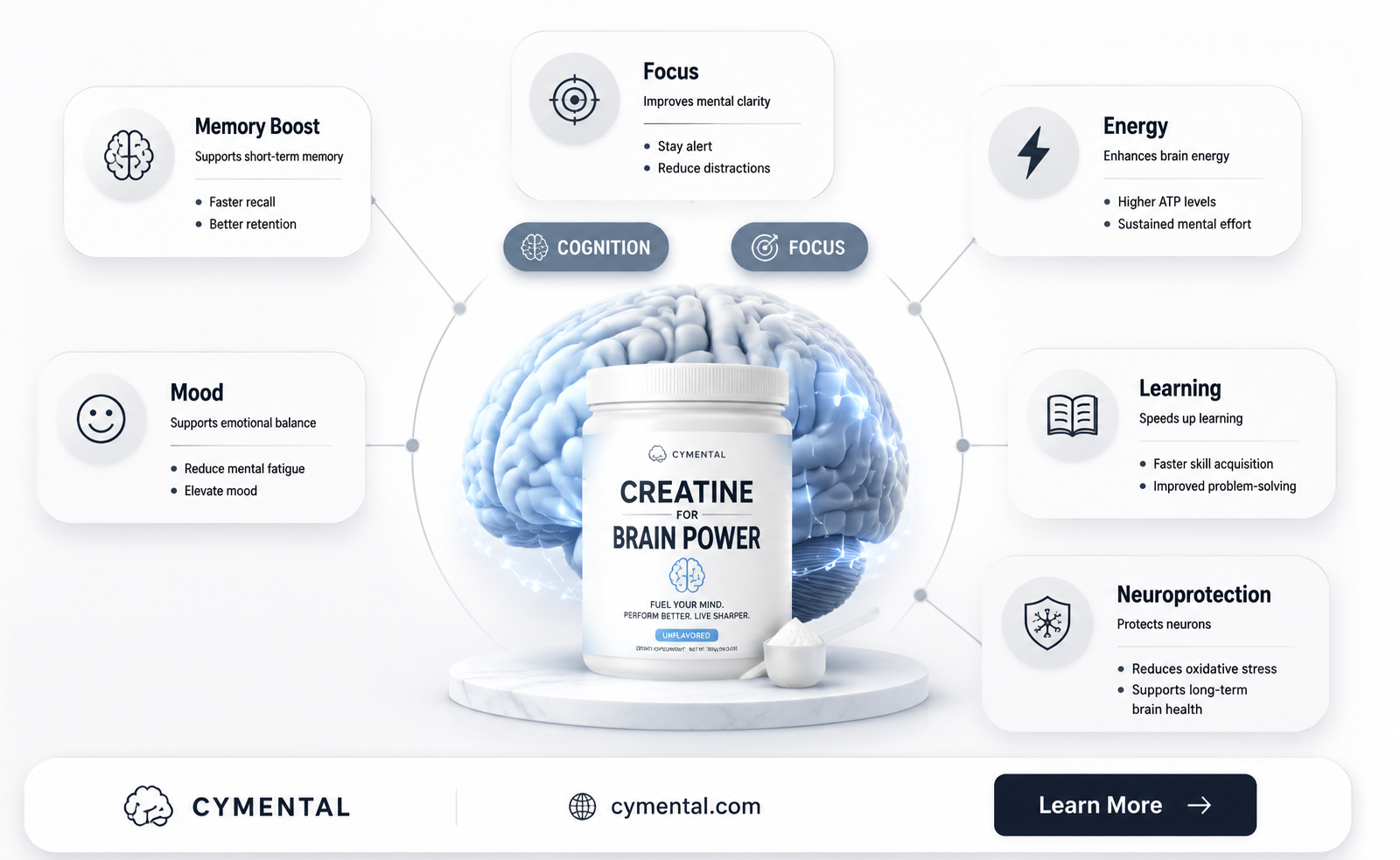
Creatine, a well-known supplement primarily associated with enhancing physical performance and muscle strength, has also garnered attention for its potential benefits on mental performance. Emerging research suggests that creatine may play a role in improving cognitive functions such as memory, attention, and problem-solving, particularly under conditions of stress or sleep deprivation. This is attributed to its ability to support energy production in the brain by increasing phosphocreatine levels, which help replenish ATP, the primary energy currency of cells. Additionally, creatine’s neuroprotective properties may contribute to better brain health and resilience against cognitive decline. While the evidence is promising, further studies are needed to fully understand its mechanisms and long-term effects on mental performance.
| Characteristics | Values |
|---|---|
| Cognitive Enhancement | Some studies suggest creatine supplementation may improve memory, attention, and problem-solving, especially in vegetarians, elderly individuals, or those with low baseline creatine levels. |
| Neuroprotection | Creatine has shown potential in protecting against neurological damage from stress, aging, or neurodegenerative diseases by supporting mitochondrial function and reducing oxidative stress. |
| Energy Metabolism | Enhances ATP production in the brain, which is crucial for cognitive function, particularly during high-demand tasks or in states of mental fatigue. |
| Mood and Fatigue | May reduce mental fatigue and improve mood, though evidence is mixed and more research is needed for conclusive results. |
| Vegetarians/Vegans | Vegetarians and vegans often have lower creatine stores, and supplementation may yield more pronounced cognitive benefits in this population. |
| Elderly Population | Older adults may experience improved cognitive performance, particularly in tasks requiring memory and attention, due to age-related declines in creatine levels. |
| Mechanism of Action | Creatine increases phosphocreatine levels in the brain, which helps replenish ATP, the primary energy source for neurons, thereby supporting cognitive processes. |
| Safety Profile | Generally considered safe for most individuals, with minimal side effects (e.g., weight gain, gastrointestinal discomfort) when used within recommended doses (3-5g/day). |
| Limitations | Effects on cognitive performance are modest and may vary based on individual factors such as baseline creatine levels, age, diet, and overall health. |
| Research Gaps | Long-term effects and optimal dosing for cognitive benefits are not fully established. More studies are needed to confirm consistent benefits across diverse populations. |
| Conclusion | Creatine may offer mild cognitive benefits, particularly in specific populations (e.g., vegetarians, elderly), but it is not a universal cognitive enhancer. Further research is required for clarity. |
Explore related products




What You'll Learn

Creatine's Impact on Cognitive Function
Creatine, a compound renowned for its role in enhancing physical performance, has emerged as a subject of interest in the realm of cognitive function. Studies suggest that creatine supplementation may improve mental performance by bolstering energy availability in the brain. The brain, a high-energy organ, relies on phosphocreatine to rapidly regenerate ATP, the primary energy currency of cells. By increasing phosphocreatine stores, creatine may enhance cognitive processes, particularly under conditions of stress or fatigue. For instance, research indicates that vegetarians, who often have lower natural creatine levels, experience more pronounced cognitive benefits from supplementation, such as improved memory and attention.
To harness creatine’s potential for cognitive function, consider a daily dose of 3–5 grams, a widely studied and safe regimen. This loading phase can be followed by a maintenance dose of 3–5 grams daily. While creatine monohydrate is the most researched form, other variants like creatine hydrochloride may offer better solubility and absorption. Timing is flexible, but pairing creatine with a carbohydrate or protein source can enhance uptake. For older adults, whose natural creatine production declines, supplementation may be particularly beneficial in maintaining cognitive vitality. However, consult a healthcare provider before starting, especially if you have kidney issues or are taking medications.
A comparative analysis of creatine’s cognitive effects reveals its utility across diverse populations. Athletes, for example, report improved decision-making and reaction times during high-intensity tasks, likely due to enhanced brain energy metabolism. Similarly, students under exam stress may experience better focus and mental clarity. In clinical settings, creatine has shown promise in mitigating cognitive decline in conditions like Parkinson’s disease and traumatic brain injury. While results vary, the consistent theme is creatine’s role in supporting brain energy demands, making it a versatile tool for cognitive enhancement.
Practical tips for maximizing creatine’s cognitive benefits include staying hydrated, as creatine draws water into cells, and monitoring individual responses, as some may experience mild side effects like bloating. Combining creatine with other nootropics, such as omega-3 fatty acids or caffeine, could synergistically enhance cognitive outcomes. For those new to supplementation, start with a lower dose (2 grams daily) and gradually increase to assess tolerance. Finally, consistency is key—regular use over several weeks is typically required to observe noticeable cognitive improvements. By integrating creatine thoughtfully into your routine, you can unlock its potential to sharpen mental performance.
Mental Health Meds and Pain Relief: Exploring the Connection
You may want to see also
Explore related products


Memory Enhancement with Creatine Supplementation
Creatine, a compound renowned for its role in enhancing physical performance, has emerged as a potential cognitive enhancer, particularly in the realm of memory. Research indicates that creatine supplementation may improve memory function by supporting cellular energy metabolism in the brain. This is particularly relevant for tasks requiring short-term memory and quick recall, such as memorizing phone numbers or recalling recently learned information. Studies suggest that creatine increases phosphocreatine stores in the brain, which helps maintain ATP levels—the primary energy currency of cells—during high cognitive demand.
For individuals seeking to enhance memory, the recommended creatine dosage typically ranges from 3 to 5 grams per day. This maintenance dose follows an initial loading phase of 20 grams per day, divided into 4 servings, for 5–7 days. It’s important to note that creatine’s effects on memory may be more pronounced in vegetarians, older adults, or those with lower baseline creatine levels, as their bodies may respond more significantly to supplementation. Pairing creatine with a source of carbohydrates or protein can enhance absorption, though it can be taken at any time of day with water.
One practical application of creatine for memory enhancement is in academic or professional settings where cognitive stamina is crucial. For example, students preparing for exams or professionals engaged in complex problem-solving tasks may benefit from creatine’s ability to sustain mental energy and improve recall accuracy. However, it’s essential to approach supplementation with realistic expectations; creatine is not a miracle drug but a tool that may support cognitive function when combined with healthy lifestyle habits like adequate sleep, hydration, and mental exercise.
While creatine is generally safe for most individuals, potential side effects such as bloating or gastrointestinal discomfort may occur, particularly during the loading phase. To minimize these effects, start with a lower dose and gradually increase it. Additionally, long-term studies on creatine’s cognitive benefits are still evolving, so it’s advisable to consult a healthcare provider before beginning supplementation, especially for those with pre-existing health conditions or those taking medications. When used thoughtfully, creatine supplementation can be a valuable addition to a memory enhancement strategy.
Exploring THC's Potential Role in Mental Health Treatment
You may want to see also
Explore related products


Creatine and Brain Energy Metabolism
Creatine, a compound well-known for its role in muscle energy production, also plays a significant role in brain energy metabolism. The brain, despite accounting for only about 2% of body weight, consumes approximately 20% of the body’s total energy. This high demand relies heavily on adenosine triphosphate (ATP), the primary energy currency of cells. Creatine supports ATP regeneration through the phosphocreatine system, which acts as a rapid energy reserve. When brain cells face sudden increases in energy demand, such as during intense cognitive tasks, phosphocreatine donates a phosphate group to ADP to resynthesize ATP, ensuring uninterrupted neural function.
To harness creatine’s benefits for brain energy metabolism, consider a daily dosage of 3–5 grams, particularly for individuals with low dietary intake of creatine, such as vegetarians or vegans. Studies suggest that this supplementation can increase brain creatine levels by up to 20%, enhancing the brain’s ability to manage energy fluctuations. For older adults, whose brain energy metabolism naturally declines with age, creatine may offer a protective effect against cognitive fatigue and age-related mental decline. Pairing creatine with a balanced diet rich in omega-3 fatty acids and antioxidants can further optimize brain health.
A comparative analysis of creatine’s impact on brain energy metabolism versus other nootropics reveals its unique mechanism. Unlike caffeine or L-theanine, which primarily affect neurotransmitter activity, creatine directly supports the brain’s energy infrastructure. This makes it particularly valuable during prolonged mental tasks, where sustained energy supply is critical. For example, students preparing for exams or professionals engaged in high-stakes decision-making may experience reduced mental fatigue and improved focus with consistent creatine use.
Practical tips for integrating creatine into a cognitive enhancement routine include timing and hydration. Take creatine with a carbohydrate-rich meal to enhance absorption, as insulin spikes facilitate its transport into cells. Additionally, ensure adequate water intake, as creatine draws water into cells, which is essential for its function but can lead to dehydration if fluids are insufficient. Avoid megadosing; while higher doses (e.g., 20 grams/day) are safe for short-term loading phases, they are unnecessary for brain energy support and may cause gastrointestinal discomfort.
In conclusion, creatine’s role in brain energy metabolism positions it as a valuable tool for enhancing mental performance. By supporting ATP regeneration, it helps the brain meet its high energy demands, particularly during cognitively intensive activities. With proper dosage, timing, and hydration, creatine can be a practical and effective addition to a brain health regimen, offering benefits across age groups and lifestyles.
Sento's Soothing Embrace: Exploring Japan's Public Baths for Mental Wellness
You may want to see also
Explore related products
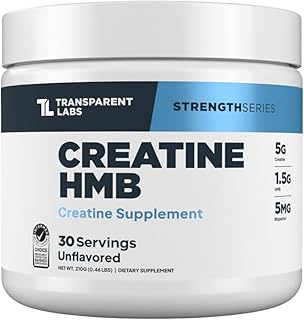


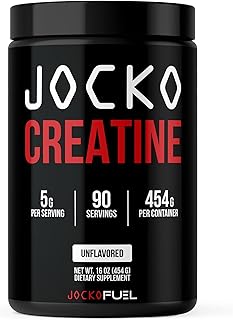
Effects on Mood and Fatigue Reduction
Creatatine's impact on mood and fatigue reduction is a fascinating aspect of its cognitive benefits, often overlooked in favor of its more famous role in muscle performance. Research suggests that creatine supplementation may enhance mood by increasing dopamine levels in the brain, a neurotransmitter crucial for motivation, pleasure, and reward. A study published in the *Journal of Psychopharmacology* found that participants who took 20 grams of creatine daily for five days reported significant improvements in mood and fatigue resistance compared to a placebo group. This finding is particularly relevant for individuals facing high cognitive demands or those prone to mental exhaustion.
To harness these benefits, consider a loading phase of 20 grams per day, divided into 4 doses of 5 grams each, for 5–7 days. After this initial phase, a maintenance dose of 3–5 grams daily is sufficient to sustain elevated creatine levels in the brain. It’s important to note that these effects are more pronounced in vegetarians or individuals with lower dietary creatine intake, as their baseline levels are typically lower. Pairing creatine with a carbohydrate or protein source can enhance absorption, though this is less critical for cognitive benefits than for physical performance.
A comparative analysis reveals that creatine’s fatigue-reducing properties are particularly beneficial during prolonged mental tasks. For instance, a study involving sleep-deprived adults found that those who supplemented with creatine experienced less mental fatigue and performed better on cognitive tests than those who did not. This suggests that creatine may act as a buffer against the cognitive decline associated with exhaustion, making it a valuable tool for students, professionals, or anyone facing extended periods of mental strain.
However, it’s essential to approach supplementation with caution. While generally safe, some individuals may experience mild side effects such as bloating or gastrointestinal discomfort. Additionally, long-term studies on creatine’s cognitive effects are still limited, so it’s advisable to consult a healthcare provider before starting any new supplement regimen, especially for older adults or those with pre-existing health conditions.
In conclusion, creatine’s role in mood enhancement and fatigue reduction offers a compelling reason to consider it beyond its traditional use in athletic performance. By understanding dosage, timing, and individual needs, anyone can potentially leverage its cognitive benefits to maintain mental clarity and resilience in demanding situations. Whether you’re a student cramming for exams or a professional navigating a high-pressure job, creatine may provide the mental edge you need to stay focused and energized.
AI's Role in Mental Health: Support, Challenges, and Future Potential
You may want to see also
Explore related products


![Sugar-Free Creatine Monohydrate Gummies 5gram per Serving, Potent Creatine Gummies for Men & Women, Supplement for Muscle Support, Cellular Energy & Cognitive Function [Lemon Drops Candy Flavor]](https://m.media-amazon.com/images/I/714Cnw7GvKL._AC_UL320_.jpg)


Creatine's Role in Neuroprotection
Creatine, a compound renowned for its role in enhancing physical performance, has emerged as a subject of interest in the realm of cognitive health. Beyond its well-documented benefits for muscle strength and endurance, creatine’s potential to support brain function and protect neural tissue is gaining attention. This neuroprotective role is particularly significant in contexts where the brain is under stress, such as during aging, injury, or neurodegenerative diseases. By bolstering the brain’s energy reserves and mitigating oxidative damage, creatine may serve as a valuable ally in maintaining mental acuity and resilience.
One of the primary mechanisms through which creatine exerts its neuroprotective effects is by enhancing cellular energy production. The brain, despite accounting for only 2% of body weight, consumes approximately 20% of the body’s energy. Creatine helps replenish adenosine triphosphate (ATP), the primary energy currency of cells, particularly under conditions of high metabolic demand or stress. For instance, in cases of traumatic brain injury or stroke, creatine supplementation has been shown to improve outcomes by maintaining energy homeostasis and reducing cell death. Studies suggest that doses ranging from 5 to 20 grams per day, depending on the severity of the condition, can provide therapeutic benefits. This makes creatine a promising adjunctive treatment in acute neurological emergencies.
Another critical aspect of creatine’s neuroprotective role is its ability to combat oxidative stress, a hallmark of many neurodegenerative diseases. Oxidative damage occurs when there is an imbalance between free radicals and antioxidants in the body, leading to cellular injury. Creatine acts as an antioxidant by directly scavenging free radicals and indirectly by preserving mitochondrial function. In animal models of Parkinson’s and Alzheimer’s disease, creatine supplementation has been shown to reduce oxidative markers and slow disease progression. For individuals at risk or in the early stages of such conditions, a maintenance dose of 3–5 grams daily may offer protective benefits. However, it is essential to consult a healthcare provider before starting supplementation, especially in the context of pre-existing medical conditions.
Practical application of creatine for neuroprotection extends beyond clinical settings. Healthy individuals, particularly older adults, may benefit from its cognitive-enhancing and protective properties. Aging is associated with a decline in brain creatine levels, which can contribute to reduced cognitive function and increased susceptibility to neurological disorders. Supplementing with creatine monohydrate, the most researched form, at a dose of 3–5 grams daily, may help maintain optimal brain function and delay age-related cognitive decline. Incorporating creatine-rich foods like red meat and fish into the diet can also support natural creatine levels, though supplementation is often more effective for achieving therapeutic concentrations.
In conclusion, creatine’s role in neuroprotection is multifaceted, encompassing energy support, oxidative defense, and cognitive preservation. Whether in the context of acute brain injury, chronic neurodegenerative diseases, or age-related cognitive decline, creatine offers a practical and evidence-based approach to safeguarding brain health. By understanding its mechanisms and appropriate dosing, individuals can harness its potential to enhance mental performance and resilience. As research continues to unfold, creatine stands out as a versatile and accessible tool in the pursuit of optimal neurological well-being.
Praying for Peace: Exploring the Mental Health Benefits of Prayer
You may want to see also
Frequently asked questions
Yes, creatine has been shown to enhance cognitive function, particularly in tasks requiring short-term memory, reasoning, and problem-solving, especially in individuals with low dietary creatine intake or during periods of sleep deprivation or stress.
A: Creatine may improve mental energy and focus by increasing ATP availability in the brain, which supports sustained attention and reduces mental fatigue, particularly during demanding cognitive tasks.
A: Some studies suggest creatine supplementation may support brain health in aging adults by improving memory and cognitive performance, though more research is needed to fully understand its long-term effects.
A: When used as recommended, creatine is generally safe and does not negatively impact mental performance. However, individual responses may vary, and excessive dosing could lead to side effects like dehydration or gastrointestinal discomfort.