Caleb Wright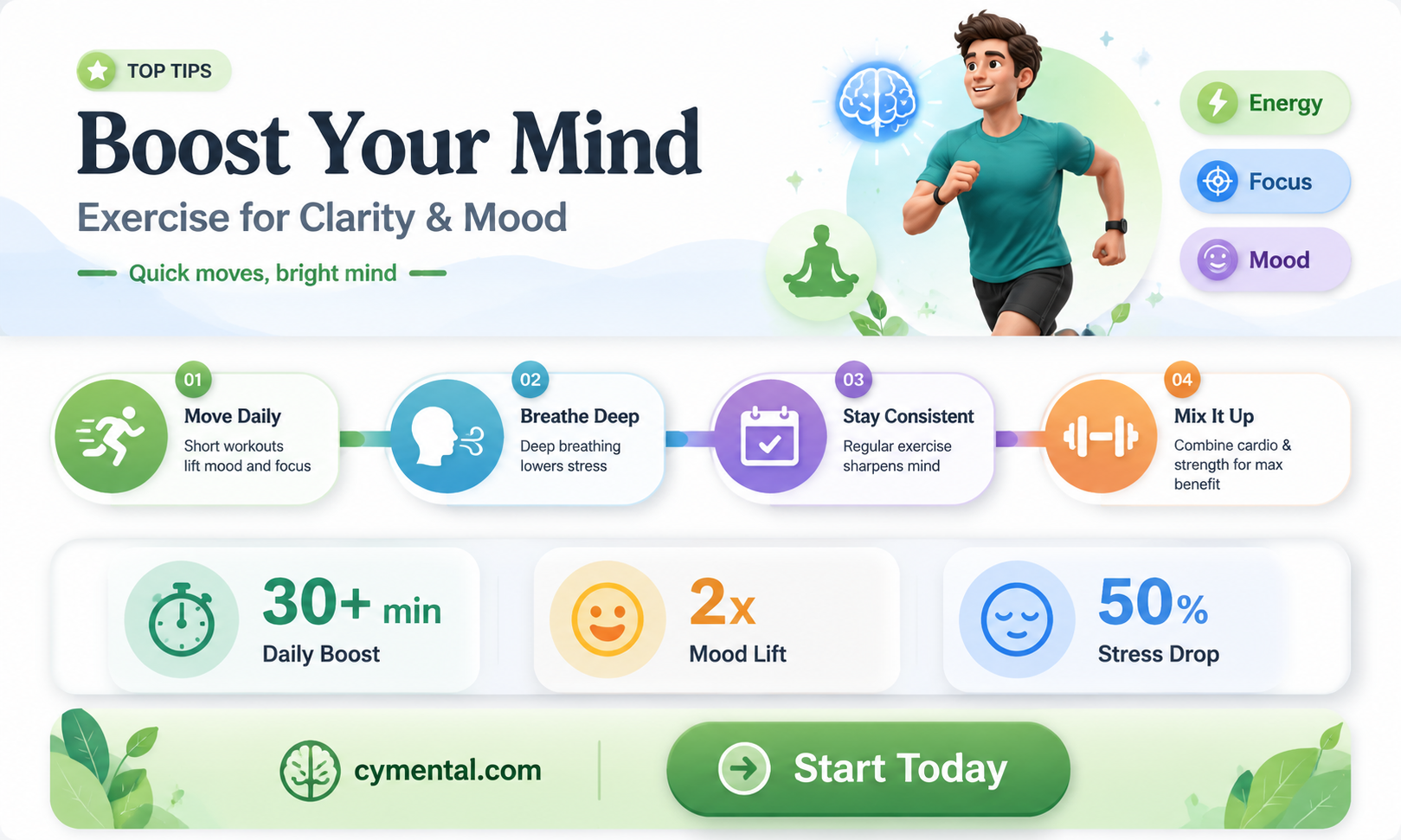
Exercise has been widely recognized for its physical health benefits, but its impact on mental well-being is equally profound. Engaging in regular physical activity has been shown to reduce symptoms of anxiety and depression, boost mood, and enhance cognitive function. This is largely due to the release of endorphins, often referred to as feel-good hormones, which help alleviate stress and promote a sense of happiness. Additionally, exercise improves sleep quality, increases self-esteem, and fosters a sense of accomplishment, all of which contribute to better mental health. Whether it’s a brisk walk, yoga, or strength training, incorporating exercise into one’s routine can be a powerful tool for maintaining and improving mental clarity and emotional resilience.
| Characteristics | Values |
|---|---|
| Reduces Stress | Exercise decreases levels of stress hormones like cortisol and increases endorphins, which act as natural mood lifters. |
| Improves Mood | Regular physical activity stimulates the release of neurotransmitters like serotonin and dopamine, which can alleviate symptoms of depression and anxiety. |
| Enhances Cognitive Function | Exercise increases blood flow to the brain, promoting the growth of new brain cells and improving memory, attention, and problem-solving skills. |
| Boosts Self-Esteem | Achieving fitness goals and seeing physical improvements can enhance self-confidence and overall self-worth. |
| Alleviates Symptoms of Anxiety and Depression | Numerous studies show that exercise can be as effective as medication or therapy in reducing symptoms of mild to moderate depression and anxiety. |
| Improves Sleep Quality | Regular exercise helps regulate sleep patterns, making it easier to fall asleep and stay asleep, which is crucial for mental well-being. |
| Reduces Risk of Cognitive Decline | Physical activity is associated with a lower risk of developing cognitive impairments and neurodegenerative diseases like Alzheimer's. |
| Enhances Resilience to Mental Stress | Exercise can improve emotional resilience, helping individuals better cope with mental stressors and challenges. |
| Promotes Social Interaction | Group exercises or team sports can foster social connections, reducing feelings of loneliness and isolation, which are risk factors for mental health issues. |
| Increases Brain Plasticity | Exercise promotes neuroplasticity, the brain's ability to form and reorganize synaptic connections, especially in the hippocampus, which is vital for memory and learning. |
Explore related products


$10.99 $18.99


$10.88 $15.99


What You'll Learn
- Stress Reduction: Physical activity lowers cortisol levels, reducing stress and promoting relaxation
- Mood Enhancement: Exercise releases endorphins, boosting mood and combating symptoms of depression
- Cognitive Function: Regular workouts improve memory, focus, and overall brain health
- Anxiety Relief: Aerobic exercise reduces anxiety by regulating neurotransmitters and calming the mind
- Self-Esteem Boost: Achieving fitness goals enhances confidence and fosters a positive self-image

Stress Reduction: Physical activity lowers cortisol levels, reducing stress and promoting relaxation
Cortisol, often dubbed the "stress hormone," surges in response to pressure, triggering a cascade of physiological reactions. Chronic elevation of cortisol levels, common in today’s fast-paced environment, contributes to anxiety, insomnia, and even cognitive decline. Physical activity acts as a natural antagonist to this process, systematically reducing cortisol production while stimulating the release of endorphins, the body’s natural mood elevators. Studies show that even moderate exercise, such as a 30-minute brisk walk, can significantly lower cortisol levels, offering immediate and long-term stress relief.
To harness this benefit, consistency is key. Aim for at least 150 minutes of moderate-intensity aerobic exercise weekly, as recommended by the World Health Organization. This could include activities like cycling, swimming, or dancing. For those short on time, high-intensity interval training (HIIT) sessions of 20 minutes, three times a week, have been shown to yield comparable cortisol-lowering effects. Incorporating strength training twice a week further enhances stress resilience by improving overall physical health, which indirectly supports mental well-being.
Age and fitness level should guide the intensity and type of exercise. Younger adults might benefit from vigorous activities like running or kickboxing, which provide both physical and mental release. Older adults or beginners should opt for low-impact exercises like yoga or tai chi, which combine movement with mindfulness, promoting relaxation and cortisol reduction. Regardless of age, pairing exercise with deep breathing techniques amplifies its stress-relieving effects by engaging the parasympathetic nervous system.
Practical tips can make this approach more accessible. Schedule workouts during peak stress times, such as after work or before a demanding task, to preemptively lower cortisol levels. Outdoor exercise, in natural settings like parks or trails, has been shown to enhance stress reduction by combining physical activity with the calming effects of nature. Finally, track progress using wearable devices or journals to stay motivated and observe the tangible benefits of reduced stress over time.
Incorporating physical activity into daily routines isn’t just about building muscle or losing weight—it’s a powerful tool for mental health. By lowering cortisol levels, exercise disrupts the cycle of chronic stress, fostering a sense of calm and clarity. Whether through a structured workout or a casual stroll, movement offers a simple yet effective way to reclaim control over mental well-being, one step at a time.
Mental Health History: Boosting Temporary Insanity Claims in Court?
You may want to see also
Explore related products


Mood Enhancement: Exercise releases endorphins, boosting mood and combating symptoms of depression
Exercise acts as a natural antidepressant, and the science behind this is rooted in the release of endorphins—often referred to as "feel-good" hormones. When you engage in physical activity, your brain triggers the production of these chemicals, which interact with receptors in your brain to reduce pain perception and trigger positive feelings. This biochemical process is why even a brisk 30-minute walk can leave you feeling more upbeat and less stressed. For those struggling with mild to moderate depression, incorporating regular exercise into their routine can be a game-changer, offering a non-pharmacological way to lift their mood.
To maximize the mood-enhancing benefits of exercise, aim for at least 150 minutes of moderate-intensity aerobic activity per week, as recommended by the World Health Organization. This could be broken down into 30 minutes of activity, five days a week. Activities like jogging, swimming, or cycling are particularly effective because they engage large muscle groups and sustain an elevated heart rate, which optimizes endorphin release. For older adults or those with physical limitations, low-impact exercises like yoga or tai chi can still stimulate endorphins while being gentler on the joints. Consistency is key—making exercise a daily habit, even in shorter durations, can yield more consistent mood improvements.
While the endorphin rush is immediate, the long-term mental health benefits of exercise are equally compelling. Studies show that regular physical activity can reduce symptoms of depression by up to 26%, comparable to the effects of medication or therapy for some individuals. This is partly because exercise also increases brain plasticity, promotes the growth of new neurons, and reduces inflammation—all factors linked to improved mental health. For young adults and adolescents, who are particularly vulnerable to mood disorders, incorporating team sports or group fitness classes can provide the added benefit of social interaction, further boosting emotional well-being.
Practical tips can make it easier to harness exercise for mood enhancement. Start small—even a 10-minute walk can initiate endorphin release and build momentum. Pair exercise with activities you enjoy, like dancing to your favorite playlist or hiking in nature, to increase motivation. For those with busy schedules, breaking workouts into shorter sessions throughout the day can be just as effective. Finally, track your progress—whether through a journal or fitness app—to visualize improvements in both mood and physical health. By understanding the endorphin connection and tailoring exercise to your lifestyle, you can transform physical activity into a powerful tool for mental well-being.
Steroids and Mental Health: Exploring Potential Benefits and Risks
You may want to see also
Explore related products


$12.36 $18


Cognitive Function: Regular workouts improve memory, focus, and overall brain health
Exercise isn't just about building muscle or shedding pounds. It's a powerful tool for sharpening your mind. Numerous studies demonstrate a clear link between regular physical activity and enhanced cognitive function, particularly in the areas of memory, focus, and overall brain health.
Imagine your brain as a muscle. Just like your biceps benefit from regular workouts, your brain thrives on the increased blood flow, oxygen, and nutrient delivery that exercise provides. This boost in circulation stimulates the production of neurotrophic factors, proteins that promote the growth and survival of neurons, essentially fertilizing your brain for optimal performance.
Research suggests that even moderate-intensity exercise, such as brisk walking for 30 minutes a day, five days a week, can significantly improve memory and cognitive function in adults of all ages. For older adults, this can be particularly beneficial in combating age-related cognitive decline.
But how does this translate into everyday life? Consider a student preparing for exams. Incorporating regular exercise into their study routine can improve their ability to focus during long study sessions and enhance their memory retention of complex information. Similarly, a professional facing a demanding project can leverage exercise to boost their concentration and problem-solving skills, leading to increased productivity and creativity.
The key lies in consistency. Aim for at least 150 minutes of moderate-intensity aerobic activity or 75 minutes of vigorous-intensity aerobic activity per week, as recommended by the World Health Organization. This can be broken down into shorter sessions throughout the day, making it more manageable for busy schedules.
It's important to note that the type of exercise matters less than the regularity. Whether it's dancing, swimming, cycling, or simply taking the stairs instead of the elevator, find activities you enjoy and make them a part of your routine. Remember, the benefits of exercise for cognitive function are not limited to intense workouts; even gentle activities like yoga or tai chi can have a positive impact.
By prioritizing regular exercise, you're not just investing in your physical health, you're investing in the long-term health and vitality of your mind. So, lace up your sneakers, get moving, and experience the transformative power of exercise on your cognitive abilities.
Exploring Marijuana's Potential Role in Treating Mental Health Disorders
You may want to see also
Explore related products


Anxiety Relief: Aerobic exercise reduces anxiety by regulating neurotransmitters and calming the mind
Aerobic exercise isn't just about building physical stamina; it's a powerful tool for rewiring your brain's response to anxiety. When you engage in activities like jogging, swimming, or cycling, your body releases a cascade of neurotransmitters, including serotonin, dopamine, and norepinephrine. These chemicals act as natural mood regulators, counteracting the excessive stress hormones that fuel anxiety. Think of it as a biological reset button, helping your brain shift from a state of hyperarousal to one of calm focus.
To harness this effect, aim for at least 150 minutes of moderate-intensity aerobic exercise per week, as recommended by the World Health Organization. This could translate to 30 minutes of brisk walking five days a week or three 50-minute cycling sessions. Consistency is key—irregular workouts won’t provide the same neurotransmitter balance. For those with severe anxiety, starting with shorter, 10-minute sessions and gradually increasing duration can make the habit more manageable. Pairing exercise with mindfulness techniques, like focusing on your breath or the rhythm of your movements, amplifies its calming effects.
One of the most compelling aspects of aerobic exercise is its ability to reduce anxiety symptoms in diverse populations. Studies show that both younger adults and older individuals experience significant relief, with improvements often noticeable within just a few weeks. For instance, a 2018 meta-analysis published in *Depression and Anxiety* found that aerobic exercise was as effective as medication or cognitive-behavioral therapy in reducing anxiety symptoms in some cases. Unlike pharmaceutical interventions, exercise comes with additional benefits like improved cardiovascular health and weight management, making it a holistic approach to mental well-being.
However, it’s important to approach aerobic exercise as a complement to, not a replacement for, other anxiety management strategies. While it can regulate neurotransmitters and calm the mind, it may not address the root causes of anxiety, such as trauma or chronic stress. Combining exercise with therapy, meditation, or social support can yield more comprehensive results. Additionally, overdoing it—pushing yourself too hard or too fast—can backfire, increasing stress hormones like cortisol. Listen to your body, stay hydrated, and prioritize rest to avoid burnout.
Incorporating aerobic exercise into your routine doesn’t require a gym membership or expensive equipment. Simple activities like dancing, hiking, or even vigorous gardening count. The goal is to elevate your heart rate and sustain it for a meaningful period. For those who find solo workouts isolating, joining a group class or exercising with a friend can add a social element, further reducing anxiety. Remember, the mind and body are interconnected—by nurturing one, you inherently support the other. Start small, stay consistent, and let aerobic exercise become your ally in the journey toward anxiety relief.
Mental Disorders and Bankruptcy: Unraveling the Complex Financial Impact
You may want to see also
Explore related products




Self-Esteem Boost: Achieving fitness goals enhances confidence and fosters a positive self-image
Achieving fitness goals, no matter how small, triggers a cascade of psychological benefits, chief among them a significant boost in self-esteem. When you set a goal—whether it’s running your first mile, lifting a certain weight, or mastering a yoga pose—and then accomplish it, your brain releases dopamine, the "feel-good" neurotransmitter. This chemical reward reinforces the belief that you are capable and competent, laying the foundation for a more positive self-image. For instance, a study published in the *Journal of Health Psychology* found that individuals who met their exercise goals reported higher levels of self-esteem compared to those who did not, regardless of the intensity of their workouts.
To harness this effect, start by setting SMART goals: Specific, Measurable, Achievable, Relevant, and Time-bound. For example, instead of saying, "I want to get stronger," commit to "I will perform three sets of 10 push-ups three times a week for the next month." Track your progress in a journal or fitness app, as visual evidence of improvement amplifies the sense of accomplishment. For older adults or beginners, even modest goals like walking 10 minutes daily can yield noticeable mental health benefits, according to research from the *American Psychological Association*.
However, it’s crucial to avoid comparing your progress to others. Social media platforms often showcase highlight reels of fitness journeys, which can distort expectations and undermine self-esteem. Instead, focus on your baseline and celebrate personal milestones. For instance, if you’ve never lifted weights before, increasing your dumbbell weight by 5 pounds is a victory worth acknowledging. This internal focus shifts the narrative from "I’m not good enough" to "I’m improving, and that’s what matters."
Incorporating variety into your routine can also enhance this self-esteem boost. Trying new activities—like dance, swimming, or rock climbing—challenges your body and mind in different ways, fostering a sense of adaptability and resilience. A study in *Frontiers in Psychology* revealed that individuals who engaged in diverse physical activities reported higher self-efficacy, a key component of self-esteem. For teens and young adults, group fitness classes can be particularly effective, as social support amplifies the positive psychological impact.
Finally, practice self-compassion throughout your fitness journey. Missed workouts or temporary plateaus are normal and do not diminish your worth. Reflect on how far you’ve come rather than fixating on what’s left to achieve. For example, if you’ve been consistently active for six months, acknowledge the discipline and dedication that got you there. This mindset shift transforms fitness from a source of stress into a tool for empowerment, ensuring that every step forward—no matter how small—contributes to a stronger, more confident version of yourself.
Austin's Impact: How the City Boosts Mental Health and Well-Being
You may want to see also
Frequently asked questions
Yes, exercise has been shown to improve mental health by reducing symptoms of anxiety, depression, and stress. It releases endorphins, which are natural mood lifters, and promotes better sleep and overall well-being.
Even small amounts of exercise can have a positive impact. Aim for at least 30 minutes of moderate-intensity exercise, like brisk walking or cycling, most days of the week for noticeable mental health benefits.
Absolutely. Physical activity reduces the body’s stress hormones, such as cortisol, and stimulates the production of endorphins, which help calm the mind and reduce feelings of anxiety.
Yes, regular exercise enhances cognitive function by increasing blood flow to the brain and promoting the growth of new brain cells. It can improve focus, memory, and overall mental clarity.
While exercise is a powerful tool for improving mental health, it should not replace professional treatment like therapy or medication for severe conditions. It can, however, complement these treatments effectively.