Madison Cole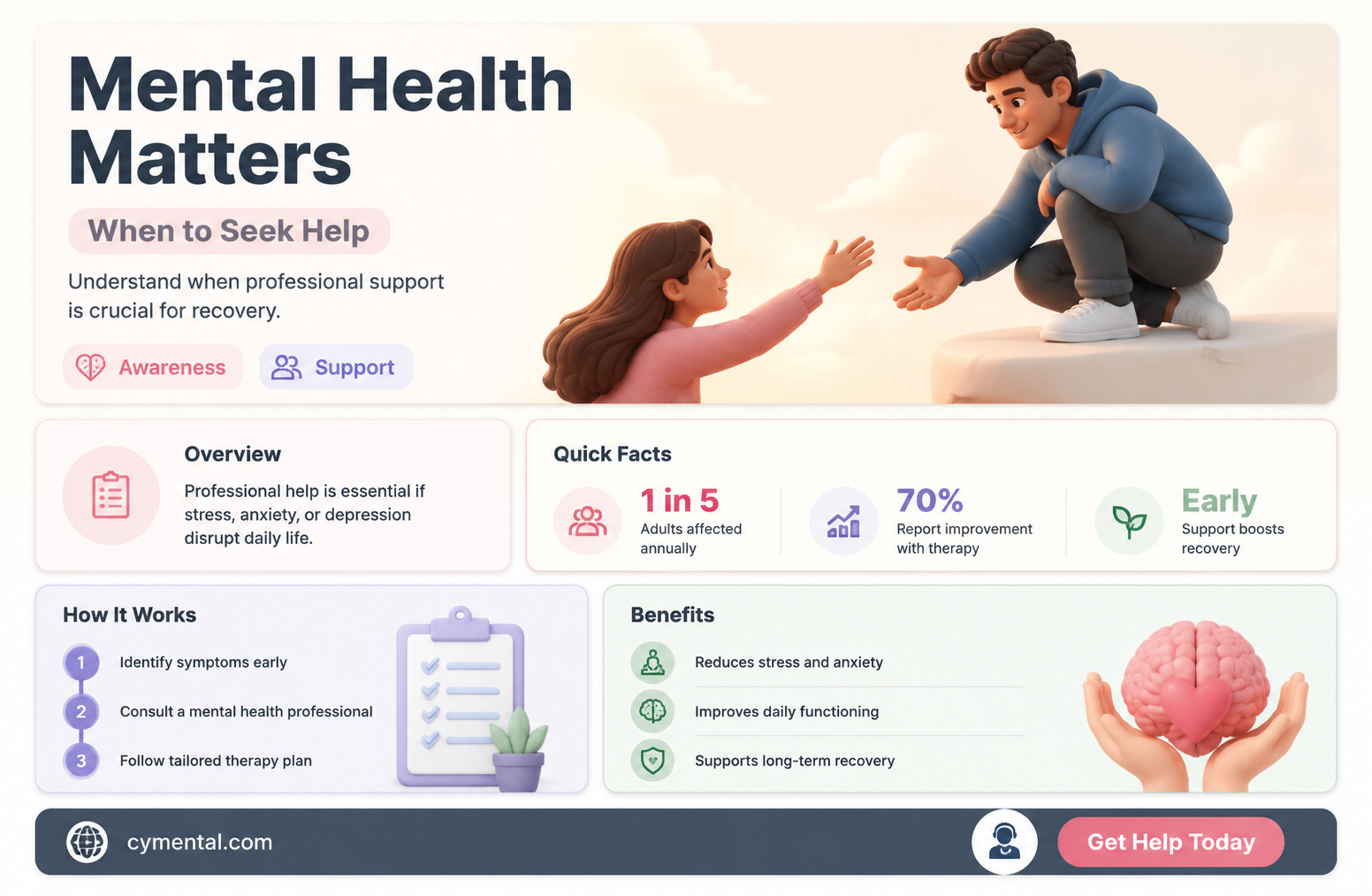
The question of whether everyone with a mental health problem requires professional help is a nuanced and complex one, as it depends on various factors such as the severity of the condition, individual coping mechanisms, and available support systems. While some individuals may effectively manage mild symptoms through self-care, lifestyle changes, or community support, others with more severe or persistent mental health issues may benefit significantly from professional intervention, including therapy, medication, or specialized treatment plans. Recognizing when professional help is necessary is crucial, as untreated mental health problems can worsen over time and impact overall well-being. Ultimately, the decision to seek professional assistance should be guided by the individual’s needs, the nature of their struggles, and the advice of trusted healthcare providers.
| Characteristics | Values |
|---|---|
| Severity of Symptoms | Mild symptoms may not require professional help; self-management strategies can be effective. |
| Duration of Symptoms | Short-term issues may resolve with self-care, while persistent or worsening symptoms often need professional intervention. |
| Impact on Daily Functioning | If mental health issues significantly impair work, relationships, or daily activities, professional help is recommended. |
| Self-Management Capabilities | Individuals with strong coping skills and support networks may manage mild issues without professional help. |
| Type of Mental Health Problem | Some conditions (e.g., severe depression, schizophrenia) typically require professional treatment, while others (e.g., mild anxiety) may not. |
| Access to Resources | Availability of professional help and financial constraints influence whether individuals seek or need professional assistance. |
| Personal Preference | Some individuals prefer self-help or community support over professional intervention, even if it’s recommended. |
| Support System | Strong social support can reduce the need for professional help in some cases. |
| Cultural and Societal Factors | Stigma or cultural beliefs may prevent individuals from seeking professional help, even when needed. |
| Co-occurring Conditions | Presence of physical health issues or substance abuse often necessitates professional intervention. |
| Risk of Harm | Individuals at risk of self-harm or harm to others require immediate professional assistance. |
| Evidence-Based Self-Help | Access to evidence-based self-help resources (e.g., apps, books) can reduce the need for professional help in mild cases. |
| Preventive Measures | Early intervention and preventive strategies can reduce the need for professional help in some cases. |
Explore related products


What You'll Learn

Self-help strategies
Not everyone with a mental health problem requires professional intervention. Self-help strategies can be remarkably effective for managing mild to moderate symptoms, fostering resilience, and preventing escalation. These approaches empower individuals to take an active role in their well-being, often complementing or even delaying the need for formal treatment.
Research consistently highlights the benefits of self-help techniques like mindfulness meditation, cognitive reframing, and physical exercise. For instance, a meta-analysis published in JAMA Internal Medicine found that mindfulness meditation programs significantly reduced symptoms of anxiety and depression, with effects comparable to those of antidepressant medication in some cases. Similarly, the World Health Organization recommends 150 minutes of moderate-intensity aerobic exercise weekly, not only for physical health but also as a potent tool against depression and anxiety.
Implementing self-help strategies requires a structured approach. Start by identifying specific symptoms and triggers. For example, if social anxiety is the issue, gradually expose yourself to social situations, beginning with low-stakes interactions like striking up a conversation with a cashier. Combine this with cognitive reframing techniques, challenging negative thoughts like "Everyone will judge me" with more realistic ones such as "Most people are focused on themselves." Journaling can also be a powerful tool, allowing you to track progress and identify patterns. For instance, a 2018 study in the Journal of Clinical Psychology found that expressive writing for 15–20 minutes daily over three months led to significant reductions in depressive symptoms.
While self-help strategies are accessible and cost-effective, they are not without limitations. Severe mental health conditions, such as major depressive disorder with suicidal ideation or schizophrenia, often necessitate professional intervention. Additionally, self-help can sometimes lead to self-blame if progress is slow or inconsistent. It’s crucial to monitor your mental state objectively and seek professional help if symptoms worsen or persist despite consistent effort. For example, if you’ve been practicing mindfulness for three months with no improvement in panic attacks, consult a therapist who can provide specialized techniques like exposure therapy.
The key to successful self-help lies in consistency, self-compassion, and adaptability. Treat these strategies as experiments rather than rigid rules. For instance, if guided meditation apps feel overwhelming, try shorter sessions or switch to body-scan exercises. Incorporate small, manageable changes into your daily routine, such as a 10-minute walk during lunch or a gratitude practice before bed. Remember, self-help is not about achieving perfection but about building a toolkit that supports your mental health journey, one step at a time.
Nose Piercings and Mental Health: Exploring the Mind-Body Connection
You may want to see also
Explore related products


Severity of symptoms
The severity of mental health symptoms acts as a critical gauge for determining the necessity of professional intervention. Mild symptoms, such as occasional anxiety or transient low mood, often respond well to self-management strategies like mindfulness, exercise, or social support. For instance, a person experiencing situational stress after a job loss might benefit from structured journaling or peer group discussions rather than immediate therapy. However, when symptoms escalate—manifesting as persistent panic attacks, suicidal ideation, or severe functional impairment—professional help becomes non-negotiable. Recognizing this threshold is essential, as untreated severe symptoms can lead to chronic conditions or crises.
Consider the analogy of physical pain: a minor headache might resolve with hydration and rest, but unrelenting migraines demand medical evaluation. Similarly, mental health symptoms exist on a spectrum. Moderate symptoms, like frequent insomnia or social withdrawal, may warrant a consultation with a general practitioner or counselor to explore coping mechanisms. Tools such as cognitive-behavioral techniques or lifestyle adjustments can be introduced at this stage. The key lies in monitoring progression; if symptoms intensify despite self-help efforts, it signals the need for specialized care, such as psychotherapy or medication.
For severe cases, professional intervention is not optional—it is imperative. Conditions like major depressive disorder, schizophrenia, or post-traumatic stress disorder (PTSD) often require evidence-based treatments like selective serotonin reuptake inhibitors (SSRIs) or trauma-focused therapies. Delaying treatment in these instances can exacerbate symptoms, leading to hospitalization or long-term disability. For example, a person with untreated psychosis may experience a break from reality, posing risks to themselves or others. Early involvement of psychiatrists or psychologists can mitigate such outcomes, emphasizing the role of symptom severity in guiding care decisions.
Practical steps for assessing severity include tracking symptom frequency, duration, and impact on daily life. Apps like Moodpath or journals can help individuals log changes over time. If symptoms interfere with work, relationships, or self-care for more than two weeks, seeking professional advice is advisable. Additionally, red flags like self-harm tendencies, substance misuse, or hallucinations necessitate urgent attention. Support systems—employers, schools, or community centers—can also play a role by offering resources or encouraging professional referrals when severe symptoms are observed.
In conclusion, the severity of mental health symptoms serves as a decisive factor in determining the need for professional help. While mild symptoms may be managed independently, moderate cases often benefit from early intervention, and severe symptoms demand specialized treatment. By understanding this gradient and taking proactive steps, individuals can navigate their mental health journeys more effectively, ensuring timely and appropriate care.
Mental Illness and Plea Bargaining: A Negotiation Strategy or Hindrance?
You may want to see also
Explore related products


Support systems role
Not everyone with a mental health problem requires professional intervention, but the role of support systems is pivotal in determining when and how such help is sought. A robust support network—comprising family, friends, peers, or community groups—can often provide the emotional scaffolding needed to manage mild to moderate mental health challenges. For instance, a study published in the *Journal of Community Psychology* found that individuals with strong social connections were 50% less likely to experience severe depressive episodes, even without professional treatment. This underscores the power of informal support in fostering resilience and coping mechanisms.
Consider the case of a college student struggling with anxiety. Instead of immediately referring them to a therapist, a supportive peer group could implement structured check-ins, share mindfulness techniques, or encourage healthy habits like regular exercise and sleep. Research shows that consistent social interaction can reduce cortisol levels by up to 26%, mitigating stress-related symptoms. However, the effectiveness of such support hinges on its quality—superficial interactions or unsupportive environments can exacerbate issues. For example, a friend who minimizes the student’s anxiety with phrases like “just relax” may unintentionally worsen their distress.
While support systems are invaluable, they are not a one-size-fits-all solution. Certain mental health conditions, such as severe depression or bipolar disorder, often necessitate professional intervention. Support networks must recognize their limitations and advocate for clinical help when necessary. A practical tip for caregivers is to familiarize themselves with red flags, such as persistent suicidal ideation or significant functional impairment, which signal the need for urgent professional care. The National Alliance on Mental Illness (NAMI) provides free training programs like “Mental Health First Aid” to equip individuals with the skills to identify these signs.
The interplay between support systems and professional help is not mutually exclusive but complementary. For instance, a person undergoing cognitive-behavioral therapy (CBT) for panic disorder can benefit from a support group that reinforces CBT techniques outside of sessions. Similarly, family members who educate themselves about a loved one’s condition can create a more empathetic and informed environment, enhancing treatment adherence. A 2020 meta-analysis in *Psychiatry Research* revealed that patients with combined professional and social support had a 40% higher recovery rate compared to those relying solely on therapy.
Ultimately, the role of support systems is to provide a safety net, not a replacement, for professional care. By fostering open communication, offering practical assistance, and knowing when to seek external help, these networks can significantly improve mental health outcomes. For example, a workplace that implements mental health days and provides access to Employee Assistance Programs (EAPs) demonstrates how institutional support systems can bridge the gap between everyday struggles and clinical intervention. In this way, support systems act as both a preventive measure and a conduit to professional resources, ensuring that no one navigates mental health challenges in isolation.
Finding Support: Where to Get Help for Schizophrenia Treatment
You may want to see also
Explore related products


Early intervention benefits
Early intervention in mental health issues can significantly alter the trajectory of an individual's life. Consider the case of a 16-year-old experiencing symptoms of anxiety. If addressed within the first six months, cognitive-behavioral therapy (CBT) administered in 12-16 sessions can reduce symptom severity by 50-70%. Delaying treatment beyond this window often requires more intensive, prolonged interventions, such as medication or extended therapy, to achieve comparable results.
The benefits of early intervention extend beyond symptom reduction. For instance, adolescents receiving timely support for depression are 30% less likely to experience academic decline or social withdrawal. This is achieved through structured programs that combine psychoeducation, skill-building, and peer support, typically delivered in school or community settings. Parents and caregivers play a critical role here; they are often trained in recognizing early signs and facilitating access to resources, ensuring continuity of care.
From a neurological perspective, early intervention leverages the brain's plasticity, particularly in younger individuals. Studies show that untreated mental health issues can lead to structural changes in the brain, such as reduced hippocampal volume in cases of prolonged depression. Initiating treatment within the first year of symptom onset can mitigate these changes, preserving cognitive and emotional functioning. For adults, while brain plasticity decreases with age, early intervention still improves treatment response rates by 20-40%, particularly for conditions like PTSD and generalized anxiety disorder.
Practically, implementing early intervention requires a multi-tiered approach. Tier 1 involves universal screenings in schools or primary care settings, using tools like the PHQ-9 for depression or GAD-7 for anxiety. Tier 2 offers targeted interventions, such as group therapy or mindfulness programs, for those at moderate risk. Tier 3 provides individualized treatment plans for high-risk cases. For example, a school-based program in Norway reduced anxiety disorders by 40% over two years using this model, emphasizing the scalability and effectiveness of structured early intervention strategies.
Ultimately, early intervention is not just about treating symptoms but about preventing long-term consequences. It transforms mental health care from a reactive to a proactive system, reducing the economic burden on healthcare systems and improving quality of life. By acting swiftly and strategically, individuals can regain control, build resilience, and avoid the compounding effects of untreated mental health issues. This approach underscores the principle that not everyone may need professional help indefinitely, but timely access to it can be life-changing.
Finding Mental Health Support: A Guide to Accessible Resources and Services
You may want to see also
Explore related products

$17.45 $17.99


$20.49 $36.99


Stigma barriers
Stigma remains a formidable barrier to seeking professional help for mental health problems, often rooted in societal misconceptions and personal fears. For instance, a 2020 study published in *The Lancet* found that 40% of individuals with mental health issues avoided treatment due to concerns about being labeled or judged. This reluctance perpetuates suffering, as untreated conditions can worsen over time. Consider the case of anxiety disorders: without intervention, symptoms like panic attacks or chronic worry can escalate, affecting work, relationships, and physical health. Addressing stigma requires collective effort, from media representation to workplace policies, to normalize mental health care as a routine aspect of well-being.
One practical step to dismantle stigma is to reframe how we discuss mental health. Instead of using terms like "crazy" or "weak," adopt language that emphasizes resilience and recovery. For example, saying "seeking help is a sign of strength" shifts the narrative from shame to empowerment. Parents and educators can model this by discussing mental health openly with children, starting as early as age 8, when emotional awareness begins to develop. Tools like books or age-appropriate apps can facilitate these conversations, fostering a stigma-free mindset from a young age.
Comparatively, cultures that integrate mental health into holistic well-being see higher rates of help-seeking. In Japan, the concept of *ikigai* (purpose) encourages individuals to prioritize mental balance, reducing stigma around therapy. Contrast this with Western societies, where self-reliance is often glorified, deterring many from admitting they need support. Employers can bridge this gap by offering mental health days or subsidizing therapy sessions, signaling that seeking help is not only acceptable but encouraged. Such policies not only reduce stigma but also improve productivity and employee retention.
A cautionary note: while raising awareness is crucial, oversimplifying mental health struggles can inadvertently reinforce stigma. Campaigns that portray recovery as linear or quick-fix solutions may alienate those with chronic conditions. For example, depression is not always alleviated by "positive thinking" alone; it often requires a combination of therapy, medication, and lifestyle changes. Professionals should emphasize that progress is individual, and setbacks are part of the journey. This nuanced approach fosters empathy and reduces the pressure to "just get better."
In conclusion, dismantling stigma barriers requires a multi-faceted strategy: education, policy changes, and compassionate communication. By normalizing mental health care and challenging harmful narratives, we can create an environment where seeking help is seen as a responsible, proactive choice rather than a last resort. Remember, stigma thrives in silence—speaking openly and accurately about mental health is the first step toward breaking its hold.
Medications for Mental Illness: A Helpful Treatment or Not?
You may want to see also
Frequently asked questions
Not necessarily. Some individuals may manage mild symptoms with self-care, support from loved ones, or lifestyle changes. However, professional help is recommended for moderate to severe symptoms or when daily functioning is impaired.
If your symptoms persist, worsen over time, or interfere with your work, relationships, or daily life, it’s a sign to seek professional help. Additionally, if you experience thoughts of self-harm or suicide, immediate professional assistance is crucial.
Self-help strategies like exercise, mindfulness, and journaling can be beneficial, but they may not be sufficient for everyone. For more serious or complex conditions, professional treatment such as therapy or medication is often necessary.
While it’s understandable to want to wait, early intervention can prevent symptoms from worsening. If you’re unsure, consulting a mental health professional for an assessment can provide clarity and guidance on the best course of action.