Ava Ramirez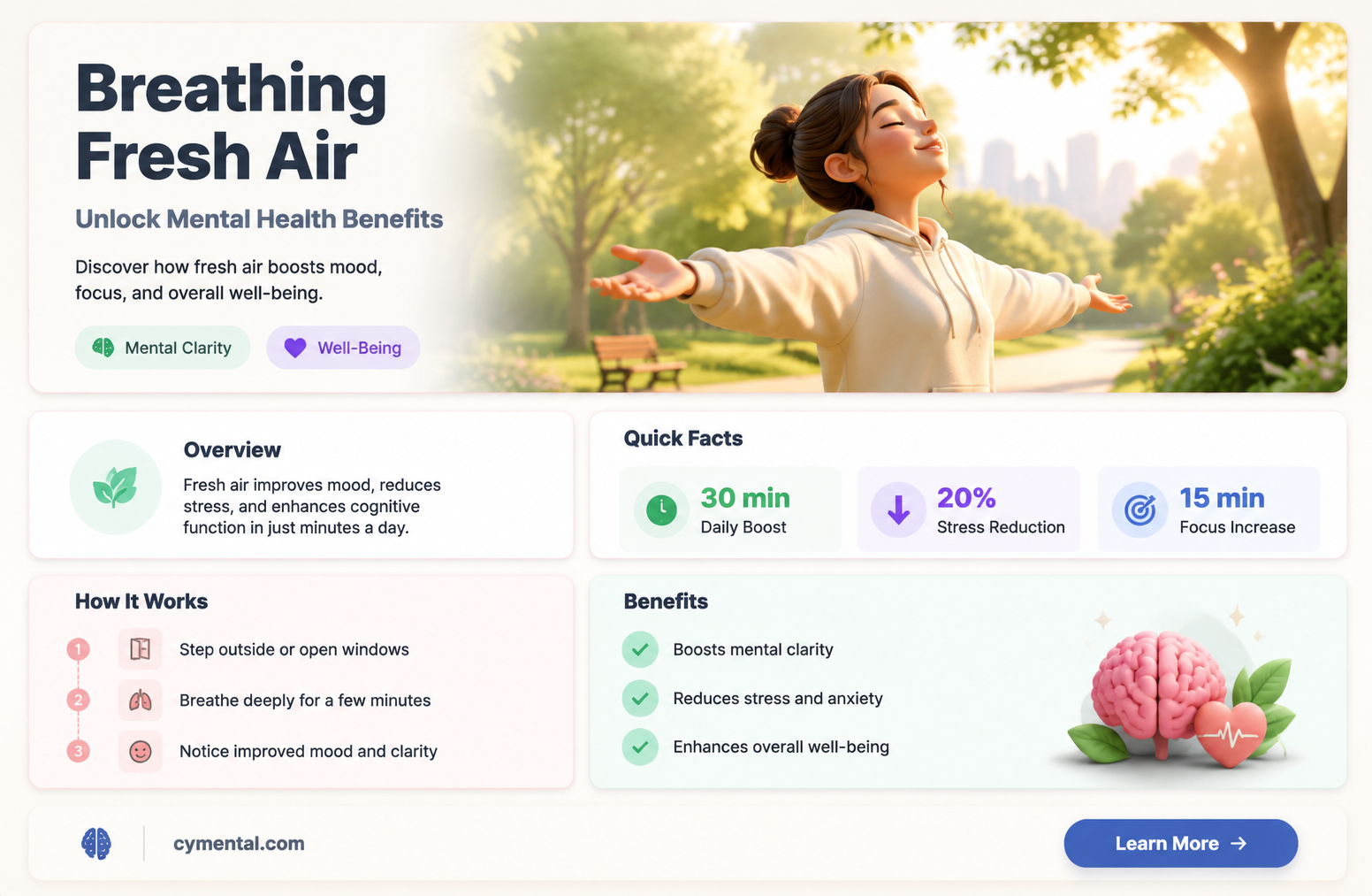
Fresh air has long been associated with numerous health benefits, and its impact on mental well-being is a topic of growing interest. Spending time outdoors and breathing in fresh air can significantly improve mood, reduce stress, and enhance overall mental clarity. Exposure to natural environments increases oxygen levels in the bloodstream, which in turn boosts brain function and promotes a sense of calm. Additionally, being outside often encourages physical activity, such as walking or hiking, which releases endorphins and further supports mental health. Studies have also shown that fresh air can alleviate symptoms of anxiety and depression, making it a simple yet powerful tool for maintaining emotional balance. Whether it’s a walk in the park, a hike in the woods, or simply sitting by an open window, incorporating fresh air into daily routines can be a natural and effective way to nurture mental health.
| Characteristics | Values |
|---|---|
| Reduces Stress and Anxiety | Spending time outdoors in fresh air has been shown to lower cortisol levels (stress hormone) and promote relaxation. Studies indicate a significant reduction in anxiety symptoms after exposure to natural environments. |
| Improves Mood and Well-being | Fresh air and sunlight increase serotonin levels, a neurotransmitter associated with mood regulation. Research suggests outdoor activities can alleviate symptoms of depression and enhance overall happiness. |
| Enhances Cognitive Function | Increased oxygen intake from fresh air improves brain function, leading to better concentration, memory, and problem-solving abilities. |
| Boosts Energy Levels | Outdoor activities in fresh air can combat fatigue and increase energy levels, potentially due to improved oxygenation and reduced stress. |
| Promotes Better Sleep | Exposure to natural light during the day, often associated with fresh air, helps regulate the body's circadian rhythm, leading to improved sleep quality. |
| Strengthens Immune System | Spending time in nature, often accompanied by fresh air, may boost the immune system by reducing stress and increasing exposure to beneficial microorganisms. |
| Encourages Physical Activity | Fresh air often encourages outdoor activities like walking, hiking, or cycling, which have numerous physical and mental health benefits. |
Explore related products


What You'll Learn

Nature's Impact on Stress Reduction
Spending time in nature is a powerful antidote to stress, and research consistently demonstrates its profound impact on our mental well-being. A study published in the journal *Frontiers in Psychology* found that just 20-30 minutes in a natural setting can significantly reduce cortisol levels, the hormone associated with stress. This simple act of immersion in the outdoors can be as effective as meditation or mindfulness practices for some individuals. Imagine a walk through a forest, where the scent of pine needles and the sound of rustling leaves create a sensory experience that calms the mind and soothes frayed nerves.
The benefits of nature on stress reduction are not limited to physical environments; even visual exposure to natural elements can have a positive effect. A comparative analysis revealed that office workers with a view of greenery reported lower stress levels and higher job satisfaction compared to those facing urban landscapes. This finding suggests that incorporating natural elements into our daily surroundings, such as indoor plants or nature-inspired artwork, can provide a continuous stress-relieving effect. For those in urban areas, a strategic placement of a small desk plant or a nature screensaver might be the first step towards creating a more tranquil environment.
Engaging with nature through physical activities can further enhance its stress-reducing properties. A persuasive argument for this is the concept of 'green exercise,' which combines the benefits of physical activity with the restorative effects of nature. For instance, a gentle hike or a bike ride through a park not only improves physical health but also boosts mood and reduces anxiety. The key is to find an activity that suits your fitness level and interests, whether it's gardening, kayaking, or simply a brisk walk in a green space. Aim for at least 30 minutes of green exercise, 3-4 times a week, to experience noticeable improvements in stress management.
The impact of nature on stress is particularly notable in children and adolescents. Descriptive studies have shown that exposure to natural environments can improve focus, reduce symptoms of ADHD, and enhance overall emotional well-being in younger age groups. Encouraging outdoor play and providing access to green spaces in schools and communities can be a preventative measure against stress-related issues. For parents and caregivers, organizing nature-based activities like camping trips or nature scavenger hunts can be a fun and effective way to teach stress management skills from a young age.
Incorporating nature into our stress-reduction toolkit is a practical and accessible strategy. From a quick walk in the park to a weekend camping trip, the dosage and frequency can be tailored to individual needs and lifestyles. The evidence is clear: nature has a unique ability to calm and restore, offering a natural remedy for the stresses of modern life. By making conscious efforts to connect with the natural world, we can harness its power to improve our mental health and overall resilience.
Melodies of Healing: Music's Powerful Impact on Mental Well-Being
You may want to see also
Explore related products



Improved Sleep Quality with Fresh Air
Fresh air isn’t just a pleasant luxury; it’s a scientifically backed tool for enhancing sleep quality. Studies show that exposure to outdoor air, particularly during the day, helps regulate your body’s internal clock by synchronizing with natural light cycles. This alignment is crucial for melatonin production, the hormone responsible for sleep-wake cycles. For instance, spending at least 30 minutes outdoors in natural light, especially in the morning, can significantly improve your circadian rhythm, making it easier to fall asleep at night and wake up refreshed.
To harness fresh air’s sleep-enhancing benefits, consider these actionable steps. First, open windows in your bedroom for at least 15 minutes daily to circulate outdoor air, even in colder months. If possible, take a 10-minute walk outside 1–2 hours before bedtime to signal to your body that it’s time to wind down. Avoid vigorous exercise close to bedtime, as it can have the opposite effect. For those in urban areas with poor air quality, investing in an air purifier can complement these efforts by ensuring the air you breathe is clean and conducive to rest.
Comparing indoor and outdoor environments highlights why fresh air is superior for sleep. Indoor air can be 2–5 times more polluted than outdoor air due to factors like dust, volatile organic compounds (VOCs), and inadequate ventilation. This pollution can lead to respiratory irritation and restlessness, disrupting sleep. In contrast, outdoor air, even in moderately polluted areas, often contains higher oxygen levels and fewer irritants when breathed in natural settings like parks or open spaces. A 2017 study found that participants who spent time in green spaces reported better sleep duration and quality compared to those confined indoors.
Finally, the psychological benefits of fresh air further contribute to improved sleep. Breathing in outdoor air, especially in natural environments, reduces stress and anxiety by lowering cortisol levels. A calm mind is more likely to transition smoothly into sleep. Pair this with the physical benefits of better oxygenation and temperature regulation, and it’s clear why incorporating fresh air into your routine is a simple yet powerful strategy for better sleep. Start small—open a window, step outside, and let nature’s remedy work its magic.
Mental Health: When Is Professional Help Necessary for Recovery?
You may want to see also
Explore related products



Boosting Mood and Energy Levels
Fresh air acts as a natural stimulant, triggering physiological changes that directly impact mood and energy. When you step outside, your body absorbs higher levels of oxygen, which enhances blood flow and stimulates the release of serotonin, often called the "feel-good" hormone. Studies show that just 20 minutes in nature can significantly reduce cortisol, the stress hormone, while increasing vitality. This biochemical shift explains why a brisk walk outdoors often feels more invigorating than an equivalent indoor workout.
To harness this effect, prioritize short, consistent doses of fresh air throughout the day. Start with a 10-minute morning walk, ideally in a green space, to jumpstart your serotonin production. For those with desk jobs, take micro-breaks every hour to step outside, even if only for 2–3 minutes. Research suggests that cumulative exposure to natural environments, rather than a single prolonged session, yields the most consistent mood and energy benefits. Pairing this with deep breathing exercises amplifies the oxygen intake, further boosting alertness.
Contrast indoor environments, often laden with stale air and pollutants, with the revitalizing quality of outdoor spaces. A 2019 study found that individuals who spent at least 120 minutes per week in nature reported higher energy levels and reduced fatigue compared to those confined indoors. For urban dwellers, even a balcony with potted plants or a nearby park can serve as a mood-enhancing oasis. The key is to minimize barriers to accessing fresh air, making it a seamless part of your daily routine.
Practical tips include combining outdoor time with social activities, like walking meetings or outdoor coffee breaks, to double the benefits. For parents, encouraging children to play outside for at least 60 minutes daily not only improves their mood but also fosters better sleep patterns, which indirectly boosts energy. Keep a small reminder, like a note on your desk or a phone alert, to prompt you to step outside when you feel mentally sluggish. Over time, this habit rewires your brain to associate fresh air with renewed vigor.
Finally, consider the seasonal aspect of fresh air’s impact. In colder months, bundle up and aim for shorter, more frequent outings to avoid discomfort. In warmer seasons, leverage early mornings or late afternoons to avoid peak heat. Regardless of the weather, the goal is consistency. By treating fresh air as a non-negotiable element of your day, you’ll notice a sustained uplift in both mood and energy, proving that nature’s simplest remedy is often its most powerful.
Early Intervention: Key to Better Outcomes for Mental Health?
You may want to see also
Explore related products


Reducing Anxiety and Depression Symptoms
Spending time outdoors in fresh air can significantly reduce symptoms of anxiety and depression, offering a natural and accessible complement to traditional therapies. Research indicates that exposure to natural environments lowers cortisol levels, the body’s primary stress hormone, while increasing serotonin, a neurotransmitter linked to mood regulation. A study published in *Frontiers in Psychology* found that just 20–30 minutes in nature daily can improve emotional well-being, with effects comparable to mindfulness practices. For those with mild to moderate symptoms, incorporating outdoor activities like walking, gardening, or sitting in a park can serve as a proactive step toward mental health management.
To maximize the benefits, consider the timing and duration of your outdoor exposure. Morning sunlight, particularly between 8–10 a.m., helps regulate circadian rhythms and boosts energy levels, which can counteract depressive symptoms. Aim for at least 120 minutes of outdoor time per week, as a study in *Scientific Reports* suggests this threshold is associated with higher self-reported health and well-being. For individuals with anxiety, pairing fresh air with deep breathing exercises—inhaling for 4 seconds, holding for 4, and exhaling for 6—can enhance relaxation by activating the parasympathetic nervous system.
While fresh air is not a standalone cure, it acts as a powerful adjunctive tool. For example, combining outdoor activities with cognitive-behavioral therapy (CBT) has been shown to improve treatment outcomes for depression. A meta-analysis in *Environmental Science & Technology* revealed that "green exercise"—physical activity in natural settings—reduces anxiety symptoms by 23% more than indoor exercise. However, it’s essential to tailor these practices to individual needs; those with severe symptoms should consult a healthcare provider before relying solely on lifestyle changes.
Practical tips can make this approach more effective. For urban dwellers, seek out green spaces like community gardens or rooftop parks. Even opening windows to let in natural light and air can provide minor benefits. For those with mobility limitations, consider indoor plants or nature soundscapes, which have been shown to reduce stress markers like blood pressure. Pairing outdoor time with social interaction, such as walking with a friend, can amplify its mood-enhancing effects, as social connection is a critical factor in mental health.
Incorporating fresh air into daily routines requires minimal effort but yields substantial returns. Start small—a 10-minute walk during lunch or a morning coffee on the balcony—and gradually increase duration and frequency. Track your mood using a journal or app to identify patterns and adjust your approach. While not a replacement for professional treatment, fresh air offers a simple, cost-effective strategy to alleviate anxiety and depression symptoms, fostering a sense of calm and clarity in an increasingly indoor world.
Gym and Mind: How Physical Fitness Boosts Mental Well-Being
You may want to see also
Explore related products





Enhanced Cognitive Function Outdoors
Spending time outdoors isn't just a leisure activity—it's a cognitive enhancer. Research shows that exposure to natural environments significantly improves attention, working memory, and cognitive flexibility. A study published in the *Journal of Environmental Psychology* found that participants who walked in nature for just 50 minutes experienced reduced rumination and increased performance on creative problem-solving tasks compared to those in urban settings. This suggests that fresh air and natural surroundings can act as a mental reset, sharpening focus and fostering innovative thinking.
To harness these benefits, consider incorporating structured outdoor activities into your routine. For instance, a 20-minute walk in a park during your lunch break can improve afternoon productivity. For children and adolescents, outdoor play for at least 60 minutes daily has been linked to better academic performance and reduced symptoms of ADHD. Adults can benefit from "green exercise," such as hiking or cycling in natural settings, which has been shown to enhance cognitive function more than indoor workouts. The key is consistency—aim for at least 120 minutes of outdoor time per week, as recommended by a 2019 study in *Scientific Reports*.
However, not all outdoor environments are created equal. Urban green spaces with minimal noise pollution and high biodiversity yield the most cognitive benefits. For example, a forest environment with diverse flora and fauna provides sensory stimulation that urban parks often lack. If access to nature is limited, even small doses of greenery—like a plant-filled balcony or a view of trees—can offer modest cognitive improvements. Pairing outdoor time with mindfulness practices, such as deep breathing or meditation, amplifies these effects by reducing stress hormones like cortisol.
One caution: overexposure to harsh weather conditions or prolonged sun exposure can negate cognitive benefits. Always wear sunscreen, stay hydrated, and avoid peak heat hours. For those with physical limitations, adaptive outdoor activities like wheelchair-accessible trails or seated gardening can still provide cognitive boosts. The goal is to make outdoor engagement feasible and enjoyable, regardless of age or ability.
In conclusion, enhanced cognitive function outdoors is not a passive benefit but an active outcome of intentional engagement with nature. By prioritizing regular, mindful outdoor time, individuals can improve mental clarity, creativity, and overall brain health. Whether it’s a daily walk, a weekend hike, or a few minutes of balcony gardening, the cognitive rewards of fresh air are accessible to everyone—and backed by science.
Ensure Plus and Mental Health: Exploring Nutritional Support for Well-Being
You may want to see also
Frequently asked questions
Yes, fresh air can positively impact mental health by increasing oxygen levels, reducing stress, and promoting relaxation. It also encourages physical activity, which further boosts mood and reduces anxiety.
Spending time outdoors in fresh air can reduce symptoms of anxiety and depression by lowering cortisol (stress hormone) levels, improving serotonin production, and providing a change of environment that distracts from negative thoughts.
Yes, fresh air enhances oxygen flow to the brain, which can improve concentration, memory, and overall cognitive function. It also helps reduce mental fatigue and increases alertness.
Even 10–20 minutes of fresh air daily can provide noticeable benefits. Aim for at least 30 minutes outdoors to maximize the positive effects on mood, stress levels, and overall mental well-being.
Fresh air is a complementary tool for mental health, not a replacement for professional treatments like therapy or medication. However, it can significantly enhance the effectiveness of other interventions by promoting relaxation and reducing stress.