Harper Lewis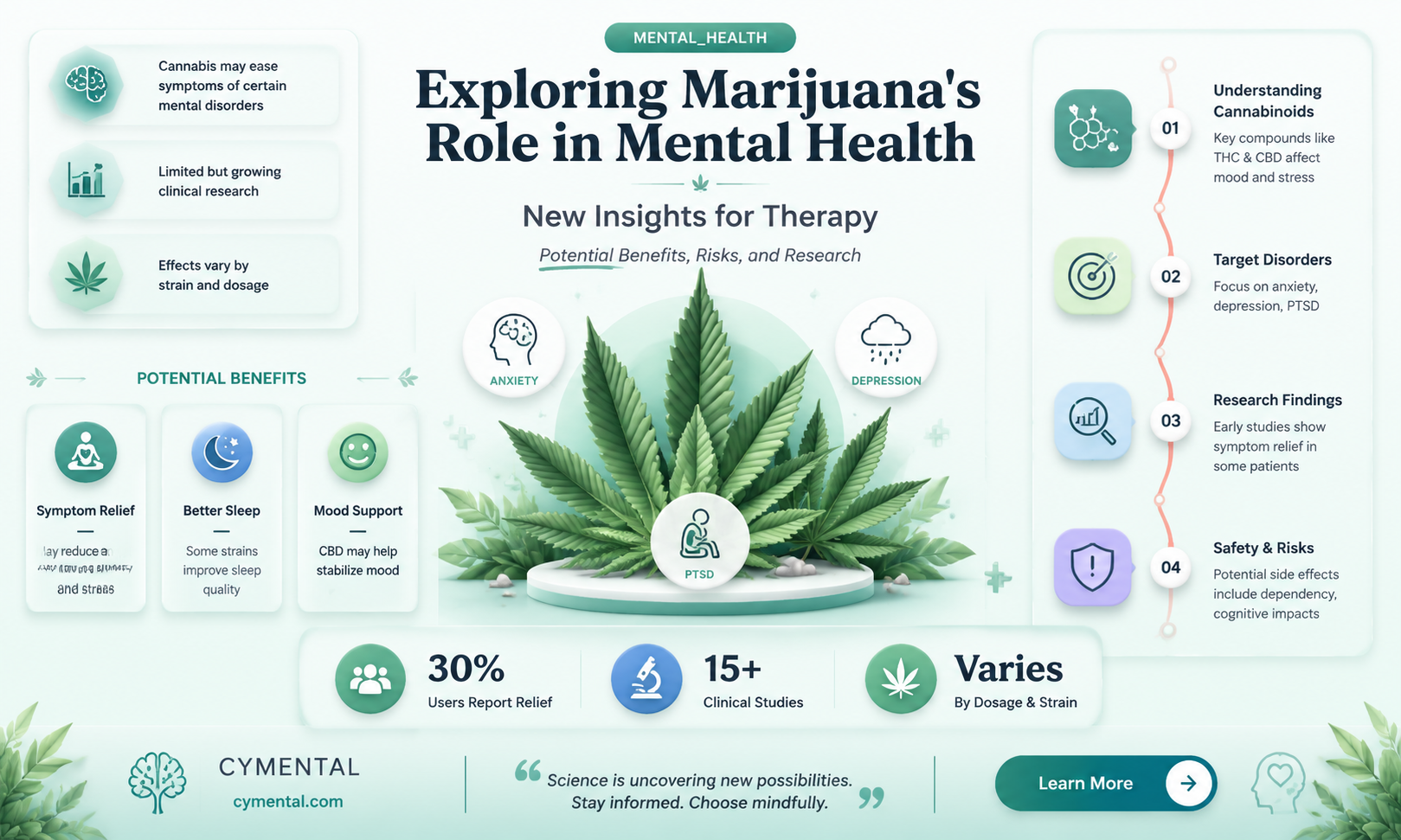
Marijuana’s potential role in treating mental disorders has sparked significant debate and research in recent years. While some studies suggest that cannabinoids, the active compounds in marijuana, may offer therapeutic benefits for conditions like anxiety, depression, and PTSD by interacting with the brain’s endocannabinoid system, others caution against its use due to potential risks, such as exacerbating psychosis or dependency. The complexity lies in balancing anecdotal evidence of relief with the need for rigorous scientific validation, as well as addressing concerns about dosage, strain variability, and long-term effects. As legalization expands and stigma diminishes, understanding marijuana’s true efficacy and safety in mental health treatment remains a critical area of exploration.
Explore related products


What You'll Learn
- Marijuana and Anxiety Relief: Potential benefits and risks of using cannabis to manage anxiety symptoms
- Cannabis for Depression: Exploring how marijuana may impact mood disorders and depressive episodes
- PTSD Treatment with Weed: Role of cannabis in alleviating PTSD symptoms and improving sleep
- Marijuana and Bipolar Disorder: Effects of cannabis on bipolar disorder, including mood stabilization and risks
- Cannabis for Schizophrenia: Investigating the controversial relationship between marijuana use and schizophrenia symptoms

Marijuana and Anxiety Relief: Potential benefits and risks of using cannabis to manage anxiety symptoms
Marijuana's potential to alleviate anxiety symptoms has sparked both interest and debate in the medical community. While some users report significant relief, others experience heightened anxiety, underscoring the complexity of cannabis’ effects on mental health. This duality demands a nuanced exploration of how cannabinoids like THC and CBD interact with the brain’s endocannabinoid system, which regulates stress responses. For instance, low doses of THC (2.5–5 mg) may act as an anxiolytic by activating CB1 receptors, while higher doses (above 10 mg) can overstimulate these receptors, potentially triggering paranoia or panic. Understanding this dose-dependent response is critical for anyone considering cannabis as an anxiety management tool.
To harness marijuana’s anxiolytic potential, precise dosing and strain selection are paramount. CBD-dominant strains (e.g., ACDC or Charlotte’s Web) are often recommended for anxiety due to CBD’s ability to counteract THC’s psychoactive effects and promote relaxation without intoxication. For those new to cannabis, starting with a 1:1 THC-to-CBD ratio product and gradually increasing THC content can help identify the minimum effective dose. Sublingual tinctures or vaporizers offer faster onset (5–15 minutes) compared to edibles (1–2 hours), allowing users to titrate doses more accurately. However, edibles carry a higher risk of overconsumption, as their delayed effects may tempt users to ingest more than needed.
Despite anecdotal success stories, the risks of using cannabis for anxiety cannot be overlooked. Chronic use, especially of high-THC products, has been linked to tolerance, dependence, and exacerbation of anxiety disorders in some individuals. Adolescents and young adults under 25, whose brains are still developing, face heightened risks of cognitive impairment and psychiatric complications. Additionally, cannabis use disorder affects approximately 9% of users, with anxiety-prone individuals potentially more susceptible. For these reasons, cannabis should not replace evidence-based treatments like cognitive-behavioral therapy or SSRIs but may serve as an adjunctive option under professional guidance.
Practical tips for minimizing risks include maintaining a consistent dosing schedule, avoiding use during stressful periods, and prioritizing products with lab-verified cannabinoid profiles. Keeping a symptom journal can help track efficacy and side effects, enabling informed adjustments. For those with comorbid conditions like depression or PTSD, consulting a cannabis-knowledgeable healthcare provider is essential to avoid adverse interactions. While marijuana shows promise as an anxiety relief tool, its use requires careful consideration of individual physiology, lifestyle, and long-term mental health goals.
Helping Others, Hurting Yourself: The Mental Health Toll of Caregiving
You may want to see also
Explore related products


Cannabis for Depression: Exploring how marijuana may impact mood disorders and depressive episodes
Depression, a pervasive mood disorder affecting millions globally, has spurred interest in alternative treatments, including cannabis. While traditional antidepressants work for many, a significant portion of patients experience limited relief or intolerable side effects. This has led some to explore whether marijuana, with its complex interplay of cannabinoids like THC and CBD, could offer a viable solution. Research suggests that cannabis may modulate the endocannabinoid system, which plays a role in mood regulation, but the relationship is far from straightforward.
Consider the dual nature of THC, the psychoactive compound in cannabis. Low to moderate doses (2.5–10 mg) have been anecdotally linked to improved mood and reduced anxiety in some users, potentially offering short-term relief from depressive symptoms. However, higher doses (>20 mg) or chronic use may exacerbate anxiety or induce paranoia, particularly in individuals predisposed to psychosis. CBD, on the other hand, appears to counteract THC’s psychoactive effects and has shown promise in reducing anxiety and improving sleep, both critical factors in managing depression. A 2020 study published in *JAMA Psychiatry* found that CBD doses of 25–75 mg daily improved symptoms in patients with anxiety and sleep disorders, though more research is needed to establish its efficacy specifically for depression.
For those considering cannabis as a complementary treatment, a cautious, personalized approach is essential. Start with low doses of CBD-dominant products (e.g., 10–20 mg CBD per day) to assess tolerance and efficacy. If incorporating THC, begin with microdoses (2.5–5 mg) and monitor effects closely. Avoid high-THC strains, especially if you have a history of anxiety or psychotic disorders. Consistency in dosing and product quality is critical; opt for lab-tested products from reputable sources to ensure purity and potency.
It’s also important to integrate cannabis use with other therapeutic strategies. Combining it with psychotherapy, regular exercise, and a balanced diet may enhance its potential benefits. However, cannabis is not a standalone cure for depression. Patients should consult healthcare providers before starting any new treatment, particularly if already taking medications, as cannabis can interact with certain drugs, including antidepressants.
In conclusion, while cannabis shows potential for alleviating depressive symptoms, its use requires careful consideration of dosage, cannabinoid ratios, and individual health profiles. As research evolves, it may emerge as a valuable tool in the mental health toolkit, but for now, it remains an experimental option best approached with informed caution.
Supporting Loved Ones: A Guide to Accessing Mental Health Care for Family
You may want to see also
Explore related products


$16.99 $14.95


PTSD Treatment with Weed: Role of cannabis in alleviating PTSD symptoms and improving sleep
Post-traumatic stress disorder (PTSD) is a debilitating condition that affects millions worldwide, often leaving individuals trapped in a cycle of flashbacks, anxiety, and sleepless nights. Emerging research suggests that cannabis may offer a glimmer of hope for those struggling with its symptoms. Studies indicate that certain cannabinoids, particularly THC and CBD, interact with the body’s endocannabinoid system, which plays a role in regulating stress responses and memory. For instance, THC has been shown to temporarily suppress the retrieval of traumatic memories, while CBD’s anxiolytic properties may reduce hyperarousal. However, the effectiveness of cannabis in PTSD treatment is not one-size-fits-all; individual responses vary based on factors like dosage, strain, and personal tolerance.
To harness cannabis’s potential for PTSD symptom relief, precise dosing and strain selection are critical. A 2021 study published in the *Journal of Affective Disorders* found that low to moderate doses of THC (5–10 mg) combined with CBD (10–20 mg) improved sleep quality and reduced nightmares in PTSD patients. Indica-dominant strains, known for their sedative effects, are often recommended for nighttime use to combat insomnia. Sativa-dominant strains, on the other hand, may be more suitable for daytime use to alleviate anxiety without inducing drowsiness. Patients should start with the lowest effective dose and gradually titrate upward, under medical supervision, to minimize side effects like paranoia or cognitive impairment.
While cannabis shows promise, its use in PTSD treatment is not without risks. Prolonged or high-dose THC consumption can exacerbate anxiety or lead to dependency, particularly in younger adults (under 25) whose brains are still developing. Additionally, the lack of standardized dosing guidelines and variability in product potency pose challenges. For those considering cannabis as part of their PTSD management plan, consulting a healthcare provider is essential. Combining cannabis with therapy, such as cognitive-behavioral therapy (CBT) or eye movement desensitization and reprocessing (EMDR), may enhance overall outcomes by addressing both symptomatic relief and underlying trauma.
Practical tips for integrating cannabis into PTSD treatment include maintaining a symptom journal to track effects, avoiding self-medication with high-THC products, and prioritizing products from regulated dispensaries to ensure quality and safety. For sleep improvement, establishing a bedtime routine that incorporates cannabis use—such as vaping or ingesting edibles 30–60 minutes before sleep—can maximize its sedative benefits. While cannabis is not a cure for PTSD, its role as a complementary tool in symptom management is gaining recognition, offering a potential lifeline for those seeking relief from this complex disorder.
Christian Psychology: A Faith-Based Approach to Mental Health Healing?
You may want to see also
Explore related products


Marijuana and Bipolar Disorder: Effects of cannabis on bipolar disorder, including mood stabilization and risks
Bipolar disorder, characterized by extreme mood swings from manic highs to depressive lows, presents a complex challenge for treatment. While traditional therapies like mood stabilizers and psychotherapy remain cornerstone, some individuals explore cannabis as a potential adjunct. This interest stems from anecdotal reports suggesting marijuana’s mood-altering properties might offer relief. However, the relationship between cannabis and bipolar disorder is far from straightforward, with both potential benefits and significant risks.
Research indicates that certain cannabinoids, such as CBD (cannabidiol), may possess anxiolytic and antipsychotic properties, theoretically offering some mood stabilization. A 2016 study published in *PLoS One* found that CBD reduced abnormal brain activity associated with psychosis, a symptom that can occur during manic episodes. However, THC (tetrahydrocannabinol), the psychoactive component of cannabis, can exacerbate psychotic symptoms and trigger anxiety, potentially worsening manic episodes. This duality highlights the importance of cannabinoid ratios and dosage. For instance, strains high in CBD and low in THC (e.g., 20:1 CBD:THC) might be less risky, but even these should be approached with caution.
Consider a 30-year-old with bipolar II disorder experiencing mild hypomania. They might experiment with a low dose (5–10 mg) of CBD oil daily, monitoring for changes in mood stability over several weeks. However, self-medication is fraught with risks. Cannabis use in bipolar disorder is associated with earlier onset of symptoms, increased frequency of manic episodes, and poorer treatment outcomes. A 2015 study in *The Journal of Clinical Psychiatry* found that bipolar individuals who used cannabis had a higher likelihood of rapid cycling, a severe form of the disorder. This suggests that while cannabis might provide temporary relief, it could destabilize long-term mood regulation.
For those considering cannabis, consultation with a psychiatrist is essential. Professionals can assess individual risk factors, such as family history of psychosis or substance use disorders, which increase vulnerability to adverse effects. Additionally, integrating cannabis with existing treatments requires careful monitoring. For example, cannabis can interact with medications like lithium, potentially altering their efficacy. Practical tips include keeping a mood journal to track changes, starting with minimal doses, and avoiding high-THC products. Ultimately, while cannabis may hold promise for certain aspects of bipolar management, its use demands a nuanced, individualized approach, balancing potential benefits against substantial risks.
Children and Mental Health: Are They Aware of Available Support?
You may want to see also
Explore related products


Cannabis for Schizophrenia: Investigating the controversial relationship between marijuana use and schizophrenia symptoms
The relationship between cannabis use and schizophrenia is a double-edged sword, with research suggesting both potential benefits and significant risks. On one hand, certain cannabinoids, like CBD, have shown promise in reducing psychotic symptoms in some studies. A 2020 randomized controlled trial published in *The American Journal of Psychiatry* found that CBD, at a dosage of 1000 mg/day, significantly reduced positive psychotic symptoms in schizophrenia patients compared to placebo. This has sparked interest in cannabis-derived treatments as adjunct therapies. However, the story is far from straightforward. THC, the psychoactive component of cannabis, has been consistently linked to an increased risk of schizophrenia onset, particularly in individuals under 25 or those with a genetic predisposition. A longitudinal study in *The Lancet Psychiatry* (2019) revealed that daily cannabis use with high THC content tripled the risk of developing psychosis in vulnerable populations.
To navigate this controversy, it’s crucial to differentiate between cannabinoids and their effects. While CBD appears to have antipsychotic properties, THC can exacerbate schizophrenia symptoms, including paranoia and hallucinations. For individuals considering cannabis as a potential aid, precise dosing and strain selection are paramount. Products with a CBD:THC ratio of at least 20:1 are recommended, as these minimize psychoactive effects while potentially offering therapeutic benefits. However, self-medication is strongly discouraged; consultation with a psychiatrist or cannabis specialist is essential to avoid unintended consequences.
A comparative analysis of cannabis use in schizophrenia reveals stark contrasts across demographics. Young adults, especially those aged 18–25, are more susceptible to THC-induced psychosis due to ongoing brain development. Conversely, older adults with treatment-resistant schizophrenia may find CBD-dominant formulations more tolerable and beneficial. Cultural and legal contexts also play a role; in regions where cannabis is decriminalized, access to regulated, low-THC products is easier, reducing risks associated with black-market alternatives.
Practically, integrating cannabis into schizophrenia treatment requires a structured approach. Start with a low CBD dose (e.g., 20–40 mg/day) and monitor symptoms weekly. Avoid smoking or vaping, as these methods introduce carcinogens and lack dosage precision. Instead, opt for sublingual oils or capsules for consistent delivery. Keep a symptom journal to track changes, and immediately report worsening symptoms to a healthcare provider. While the potential of cannabis in schizophrenia is intriguing, it remains a high-risk, high-reward proposition that demands caution and professional oversight.
Healing Companions: How Animals Support Mental Health and Well-Being
You may want to see also
Frequently asked questions
While some users report short-term relief from anxiety, marijuana can also worsen anxiety or trigger paranoia, especially with high THC strains. Research is mixed, and long-term use may increase anxiety risk.
Limited evidence suggests marijuana may temporarily improve mood for some, but it is not a proven treatment for depression. Long-term use may worsen symptoms or lead to dependency.
Some studies indicate marijuana may reduce PTSD symptoms like nightmares or hyperarousal, but it is not a first-line treatment. It may also impair emotional processing or memory, complicating recovery.
Marijuana use in bipolar disorder is risky, as it can trigger manic episodes, worsen mood instability, or interfere with medications. It is generally not recommended.
Some users report improved concentration, but scientific evidence is lacking. Marijuana may impair cognitive function or exacerbate ADHD symptoms, and it is not a recommended treatment.