Caleb Wright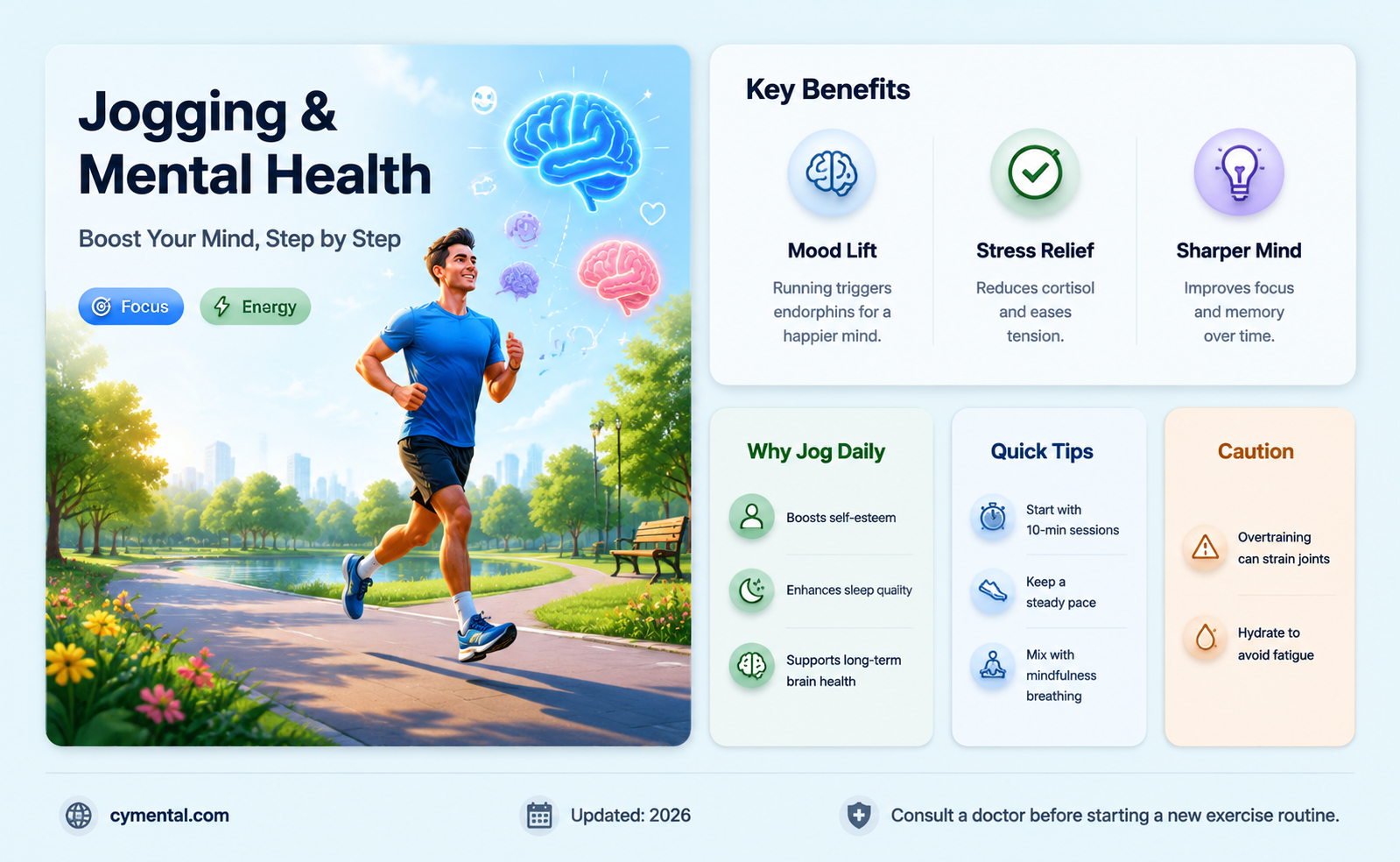
Jogging has long been touted as a beneficial activity for physical health, but its impact on mental well-being is equally significant and increasingly recognized. Numerous studies suggest that regular jogging can reduce symptoms of anxiety and depression, boost mood, and enhance overall mental clarity. The release of endorphins, often referred to as feel-good hormones, during exercise plays a crucial role in these effects. Additionally, jogging provides a sense of accomplishment and can serve as a form of mindfulness, allowing individuals to disconnect from stressors and focus on the present moment. However, the extent of its benefits can vary depending on factors such as frequency, duration, and individual mental health conditions, prompting further exploration into how jogging can be optimized as a tool for mental health improvement.
| Characteristics | Values |
|---|---|
| Reduces Stress | Jogging decreases cortisol (stress hormone) levels, promoting relaxation. |
| Improves Mood | Releases endorphins, serotonin, and dopamine, which enhance mood and reduce symptoms of depression and anxiety. |
| Enhances Cognitive Function | Increases blood flow to the brain, improving memory, focus, and overall cognitive performance. |
| Alleviates Anxiety | Regular jogging can reduce symptoms of anxiety disorders by regulating stress responses. |
| Boosts Self-Esteem | Achieving fitness goals through jogging can improve self-confidence and body image. |
| Combats Depression | Acts as a natural antidepressant by increasing neurotransmitter activity and promoting neural growth. |
| Improves Sleep Quality | Regulates sleep patterns, making it easier to fall asleep and improving overall sleep duration. |
| Reduces Symptoms of ADHD | Physical activity like jogging can improve focus and reduce hyperactivity in individuals with ADHD. |
| Promotes Mindfulness | Jogging can serve as a form of meditation, encouraging present-moment awareness and reducing mental clutter. |
| Long-Term Mental Health Benefits | Consistent jogging is associated with a lower risk of developing mental health disorders later in life. |
Explore related products


What You'll Learn
- Stress Reduction: Jogging lowers cortisol levels, promoting relaxation and reducing anxiety symptoms effectively
- Mood Enhancement: Releases endorphins, boosting mood and combating symptoms of depression naturally
- Cognitive Benefits: Improves focus, memory, and brain function through increased blood flow
- Sleep Quality: Regulates sleep patterns, aiding mental health by reducing insomnia
- Social Connection: Group jogging fosters community, reducing loneliness and improving emotional well-being

Stress Reduction: Jogging lowers cortisol levels, promoting relaxation and reducing anxiety symptoms effectively
Cortisol, often dubbed the "stress hormone," spikes in response to pressure, triggering a cascade of physiological reactions. Jogging acts as a natural antagonist to this process. Studies show that moderate-intensity aerobic exercise, like a 30-minute jog, significantly reduces cortisol levels in the bloodstream. This biochemical shift isn’t just theoretical—it translates into tangible feelings of calmness and reduced tension. For instance, a 2018 study published in *Psychoneuroendocrinology* found that participants who engaged in regular jogging exhibited lower cortisol responses to stressful tasks compared to sedentary individuals.
To harness jogging’s stress-reducing benefits, consistency is key. Aim for 3–5 sessions per week, each lasting 20–40 minutes, depending on your fitness level. Beginners should start with shorter durations and gradually increase intensity to avoid overexertion, which can paradoxically elevate stress hormones. Pairing jogging with mindfulness techniques, such as focusing on your breath or the rhythm of your footsteps, amplifies its relaxing effects. For those with anxiety disorders, combining jogging with professional therapy can create a synergistic approach to managing symptoms.
While jogging is effective, it’s not a one-size-fits-all solution. Factors like age, fitness level, and pre-existing health conditions influence its impact. Older adults, for example, may benefit from gentler forms of aerobic exercise, like brisk walking or cycling, to avoid joint strain. Similarly, individuals with chronic stress should monitor their cortisol levels through blood tests to ensure jogging remains beneficial. Overdoing it can lead to burnout, so listen to your body and adjust your routine as needed.
The science is clear: jogging lowers cortisol levels, fostering relaxation and alleviating anxiety symptoms. However, it’s not just about lacing up your sneakers and hitting the pavement. Strategic planning—tailoring duration, frequency, and intensity to your needs—maximizes its mental health benefits. By integrating jogging into a holistic wellness routine, you can transform it from a mere physical activity into a powerful tool for stress reduction. Start small, stay consistent, and let the rhythm of your stride guide you toward a calmer, more balanced state of mind.
Legal Boundaries: Can You Mandate Mental Health Treatment for Your Spouse?
You may want to see also
Explore related products


Mood Enhancement: Releases endorphins, boosting mood and combating symptoms of depression naturally
Jogging isn’t just about physical fitness—it’s a powerful tool for rewiring your brain chemistry. When you lace up your shoes and hit the pavement, your body responds by releasing endorphins, often dubbed “feel-good” hormones. These natural chemicals act as a mood elevator, counteracting stress and anxiety while fostering a sense of well-being. Studies show that even a 30-minute jog can trigger this endorphin release, making it an accessible and immediate way to combat the blues. Think of it as a natural antidepressant, one that doesn’t require a prescription.
To maximize the mood-boosting benefits, aim for consistency rather than intensity. Research suggests that moderate-paced jogging, done 3–4 times a week, is more effective for long-term mental health than sporadic, high-intensity sessions. For beginners, start with 20–30 minutes at a conversational pace, gradually increasing duration as stamina improves. Pairing jogging with outdoor environments amplifies the effect—sunlight exposure boosts serotonin, another mood regulator, creating a synergistic effect with endorphins. Pro tip: Time your jogs during sunrise or sunset to combine physical activity with the calming influence of nature.
While jogging’s endorphin rush is immediate, its impact on depression symptoms is cumulative. A study published in *Frontiers in Psychiatry* found that regular aerobic exercise, including jogging, reduced symptoms of depression by 26% over 12 weeks. This makes jogging a viable complementary therapy for those managing mild to moderate depression. However, it’s not a one-size-fits-all solution—individual responses vary based on factors like baseline fitness, genetic predisposition, and the severity of mental health challenges. Always consult a healthcare provider before replacing prescribed treatments with exercise-based interventions.
For those hesitant to start, consider this: jogging’s simplicity is its strength. Unlike complex workout routines or expensive equipment, all you need is a pair of shoes and the willingness to move. Incorporate mindfulness by focusing on your breath or the rhythm of your footsteps to enhance the mental benefits. Over time, the ritual of jogging can become a form of moving meditation, grounding you in the present moment while flooding your system with endorphins. It’s not just about running away from stress—it’s about running toward a brighter, more balanced state of mind.
Counselling for Mental Health: Effective Support or Just a Myth?
You may want to see also
Explore related products


Cognitive Benefits: Improves focus, memory, and brain function through increased blood flow
Jogging isn’t just about building stamina or shedding pounds—it’s a powerful tool for sharpening your mind. When you lace up your shoes and hit the pavement, your heart pumps faster, sending a surge of oxygen-rich blood to your brain. This increased blood flow acts like a turbocharger for your cognitive functions, enhancing focus, memory, and overall brain performance. Think of it as a natural nootropic, but without the need for supplements.
To maximize these cognitive benefits, aim for at least 30 minutes of moderate-intensity jogging, three to four times a week. This "dose" of exercise has been shown to stimulate the release of brain-derived neurotrophic factor (BDNF), a protein that promotes the growth and survival of neurons. For older adults, even shorter sessions of 20 minutes can yield noticeable improvements in memory and attention. Pair your jog with a mentally engaging activity, like planning your day or solving a problem, to amplify the brain-boosting effects.
Consider the contrast between a sedentary lifestyle and a jogging routine. Without regular physical activity, blood flow to the brain can stagnate, leading to mental fog and sluggish thinking. Jogging, on the other hand, creates a dynamic environment where neurons thrive. Studies show that consistent runners outperform non-runners in tasks requiring sustained attention and spatial memory. This isn’t just anecdotal—it’s backed by neuroscience.
Practical tip: If you’re new to jogging, start slow. Begin with a brisk walk, gradually incorporating short jogging intervals. Over time, increase your pace and duration. For added cognitive benefits, jog in nature or varied environments, as this stimulates the brain’s hippocampus, the region responsible for memory and spatial navigation. Avoid jogging in polluted areas, as poor air quality can counteract the positive effects on brain health.
Incorporating jogging into your routine isn’t just about physical fitness—it’s a strategic move to enhance your mental clarity and cognitive resilience. Whether you’re a student prepping for exams, a professional tackling complex projects, or a senior aiming to stay sharp, jogging offers a simple yet effective way to keep your brain firing on all cylinders. Lace up, hit the trail, and let your mind reap the rewards.
Cycling for Mental Health: Benefits, Science, and Personal Stories
You may want to see also
Explore related products


Sleep Quality: Regulates sleep patterns, aiding mental health by reducing insomnia
Quality sleep is the cornerstone of mental well-being, yet insomnia plagues millions, exacerbating anxiety, depression, and cognitive fog. Jogging, a seemingly simple activity, emerges as a potent regulator of sleep patterns, offering a natural remedy to this pervasive issue. Research indicates that moderate aerobic exercise, such as a 30-minute jog three to five times weekly, significantly improves sleep onset latency and duration. This effect is particularly pronounced in adults aged 30 to 60, a demographic often grappling with sleep disruptions due to work stress and lifestyle demands. By synchronizing the body’s circadian rhythm, jogging fosters deeper, more restorative sleep cycles, reducing the reliance on sleep aids and enhancing overall mental clarity.
The mechanism behind jogging’s sleep-enhancing benefits lies in its ability to modulate stress hormones and body temperature. Physical exertion during a jog elevates core body temperature, which subsequently drops post-exercise, signaling the body to prepare for sleep. Simultaneously, jogging reduces cortisol levels, the stress hormone notorious for disrupting sleep. For optimal results, aim to complete your jog at least 2–3 hours before bedtime to allow this temperature shift to occur naturally. Pairing this routine with a consistent sleep schedule amplifies its effectiveness, creating a feedback loop of improved sleep and mental resilience.
However, not all jogging routines are created equal. High-intensity runs close to bedtime can have the opposite effect, stimulating the nervous system and delaying sleep. To avoid this pitfall, opt for morning or afternoon jogs, especially if you’re prone to insomnia. Beginners should start with shorter distances, gradually increasing duration and intensity to avoid overexertion, which can also disrupt sleep. Incorporating mindfulness techniques, such as deep breathing during your cool-down, further enhances the calming effects of jogging, preparing both body and mind for rest.
A comparative analysis reveals jogging’s superiority over sedentary habits in promoting sleep quality. Unlike passive activities like screen time, which emit blue light and stimulate the brain, jogging actively reduces mental hyperarousal. Studies show that individuals who replace 30 minutes of evening screen time with jogging experience a 20% improvement in sleep efficiency within four weeks. This shift not only alleviates insomnia but also bolsters mental health by reducing symptoms of anxiety and depression. For those hesitant to start, consider this: even a brisk walk can serve as a gateway to jogging, offering incremental sleep benefits without overwhelming the body.
Incorporating jogging into your routine requires practicality and consistency. Invest in comfortable footwear to prevent discomfort, and choose scenic routes to make the activity enjoyable. Tracking progress with a fitness app can provide motivation, while journaling sleep patterns helps identify correlations between jogging frequency and sleep quality. For parents or busy professionals, integrating jogging into daily commutes or family activities can make it a sustainable habit. Remember, the goal isn’t to run marathons but to establish a rhythm that harmonizes with your body’s natural sleep-wake cycle, ultimately fortifying your mental health from the ground up.
Mental Hospitals: Effective Treatment or Temporary Relief?
You may want to see also
Explore related products





Social Connection: Group jogging fosters community, reducing loneliness and improving emotional well-being
Loneliness is a silent epidemic, affecting mental health across all age groups. Group jogging offers a powerful antidote by weaving social interaction into a routine activity. Unlike solitary runs, where the focus remains internal, group jogging transforms exercise into a shared experience. Conversations flow, encouragement is exchanged, and a sense of belonging emerges. This communal aspect isn’t just a byproduct; it’s a key mechanism through which jogging enhances mental well-being. Studies show that social connections reduce cortisol levels, the stress hormone, while boosting oxytocin, often called the “bonding hormone.” For adults over 50, who are particularly vulnerable to isolation, joining a jogging group can be a lifeline, combining physical activity with consistent social engagement.
To maximize the social benefits of group jogging, start small and prioritize consistency. Aim for 30 minutes of jogging, 3–4 times a week, with a group of 2–5 people. Keep the pace conversational—around 60–70% of your maximum heart rate—to allow for easy dialogue. For beginners, walking intervals are perfectly acceptable; the goal is to foster connection, not break records. Practical tips include choosing scenic routes to enhance the experience, setting a regular meeting time to build routine, and rotating leadership to ensure everyone feels included. Apps like Strava or Meetup can help find local jogging groups, while community centers often host beginner-friendly sessions.
A compelling example of group jogging’s impact is the “Parkrun” movement, a global phenomenon where communities gather weekly for 5K runs. Participants report not only improved fitness but also reduced feelings of loneliness and increased emotional resilience. One 45-year-old participant shared, “I started for the exercise, but I stayed for the friends. It’s my weekly dose of positivity.” Such initiatives demonstrate how structured group activities can create micro-communities, offering support networks that extend beyond the jogging path. For younger adults, college running clubs or workplace fitness groups serve a similar purpose, blending social interaction with physical activity.
While the benefits are clear, it’s essential to manage expectations. Group jogging isn’t a one-size-fits-all solution. Introverts may find large groups overwhelming, and overcommitment can lead to burnout. Start with smaller, low-pressure environments, like a friend duo or family outing, before joining larger groups. Additionally, ensure the group’s pace and culture align with your comfort level. For those with anxiety, pairing jogging with mindfulness techniques—such as focusing on the rhythm of footsteps or the surrounding environment—can enhance the calming effects. The key is to strike a balance between social engagement and personal comfort, allowing the activity to nurture both body and mind.
Incorporating group jogging into your routine doesn’t require drastic changes. Begin by inviting a friend or neighbor to join you for a weekly jog. Gradually, explore local groups or organize your own through social media. The takeaway is clear: jogging’s mental health benefits are amplified when shared. By fostering community, it transforms a solitary activity into a collective journey, reducing loneliness and enriching emotional well-being. Whether you’re 20 or 70, the path to better mental health might just be a group jog away.
Concerta and Mental Alertness: Boosting Focus and Cognitive Performance
You may want to see also
Frequently asked questions
Yes, jogging has been shown to significantly improve mental health by reducing symptoms of anxiety, depression, and stress. It stimulates the release of endorphins, often referred to as "feel-good" hormones, which enhance mood and overall well-being.
Jogging just 20-30 minutes, 3-4 times a week, can provide noticeable mental health benefits. Consistency is key, as regular physical activity helps maintain stable mood and reduces stress over time.
Absolutely. Jogging acts as a natural stress reliever by lowering cortisol levels (the stress hormone) and promoting relaxation. It also provides a mental break, allowing you to clear your mind and focus on the present moment.
Jogging is highly effective for mental health due to its accessibility, simplicity, and ability to combine physical activity with outdoor exposure. While other exercises also benefit mental health, jogging is particularly impactful because of its rhythmic and meditative nature.
Yes, jogging can be a valuable complement to treatment for long-term mental health conditions like depression. It improves mood, boosts self-esteem, and enhances overall mental resilience. However, it should not replace professional treatment but rather be used as part of a holistic approach.