Noah Parker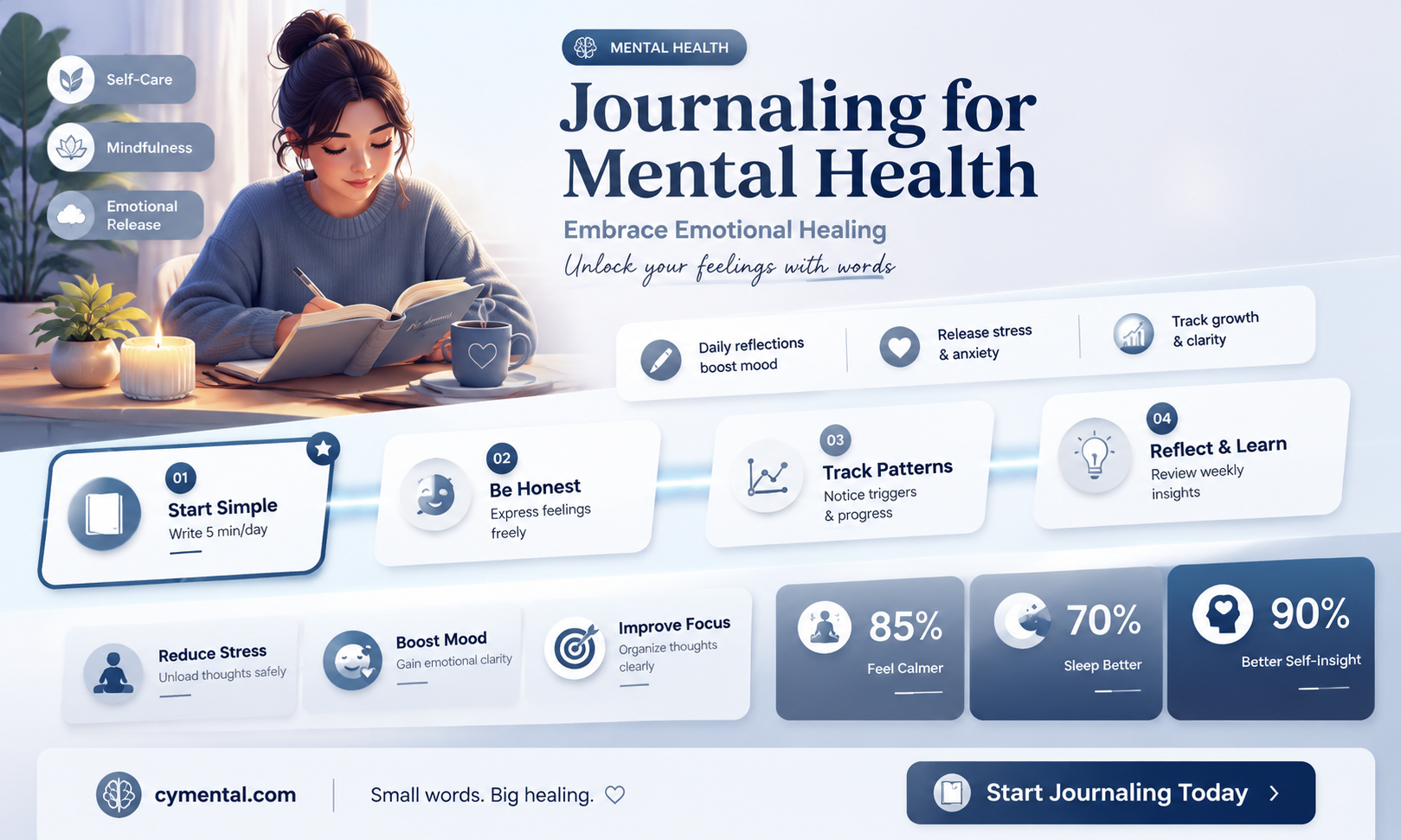
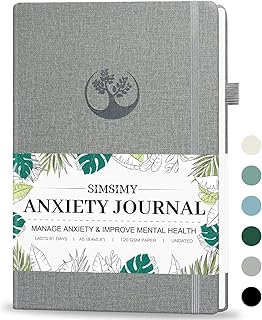
Keeping a diary has long been recognized as a valuable tool for self-reflection and emotional expression, and its impact on mental health is a topic of growing interest. Writing down thoughts, feelings, and experiences allows individuals to process their emotions, gain clarity, and track patterns in their mental well-being over time. Research suggests that journaling can reduce stress, anxiety, and symptoms of depression by providing an outlet for pent-up emotions and fostering a sense of control. Additionally, it encourages mindfulness and self-awareness, helping individuals identify triggers and develop coping strategies. Whether through traditional pen-and-paper or digital formats, maintaining a diary can serve as a therapeutic practice, promoting emotional resilience and overall mental health.
| Characteristics | Values |
|---|---|
| Stress Reduction | Writing about stressful events helps clarify thoughts and feelings, reducing stress levels. |
| Emotional Processing | Diaries allow individuals to process emotions, leading to better emotional regulation. |
| Self-Reflection | Encourages introspection, helping individuals understand their behaviors and thought patterns. |
| Mood Tracking | Regular journaling can identify mood trends and triggers, aiding in mental health management. |
| Problem-Solving | Writing about problems often leads to new insights and solutions. |
| Gratitude Practice | Keeping a gratitude diary fosters positivity and reduces symptoms of depression. |
| Memory Improvement | Writing enhances memory and cognitive function, benefiting overall mental health. |
| Anxiety Management | Journaling about worries can decrease anxiety by externalizing concerns. |
| Goal Setting | Diaries help set and track personal goals, promoting a sense of purpose. |
| Therapeutic Outlet | Provides a safe, private space for expression without judgment. |
| Mindfulness | Encourages present-moment awareness, reducing rumination on past or future concerns. |
| Sleep Improvement | Writing before bed can clear the mind, improving sleep quality. |
| Coping Mechanism | Acts as a healthy coping strategy for trauma, grief, or other challenges. |
| Enhanced Self-Awareness | Regular journaling increases awareness of one’s thoughts, feelings, and behaviors. |
| Creative Expression | Allows for creative exploration, which can be therapeutic and fulfilling. |
Explore related products





What You'll Learn

Stress reduction through daily journaling
Journaling daily acts as a psychological release valve, systematically reducing stress by externalizing chaotic thoughts. When you transfer worries from mind to paper, you engage the prefrontal cortex, the brain’s logical center, which helps reframe stressors as solvable problems rather than overwhelming threats. A 2018 study in *Advances in Psychiatric Treatment* found that expressive writing for 15–20 minutes daily lowers cortisol levels by 25% over four weeks, demonstrating a measurable physiological impact. This practice isn’t about crafting perfect prose—it’s about unclogging mental pipelines.
To harness journaling’s stress-reducing power, structure your practice with intentionality. Start by setting a timer for 10–15 minutes to avoid overthinking. Use prompts like *“What’s weighing on me today?”* or *“What’s one small step I can take to address this?”* to guide reflection. Handwriting, rather than typing, slows the process, forcing you to confront thoughts more deliberately. Keep your journal in a consistent location—nightstand, desk, or bag—to embed the habit into your routine. For maximum benefit, journal in the evening to offload the day’s tensions or in the morning to clarify priorities.
While journaling is accessible, it’s not a one-size-fits-all solution. Some individuals may find revisiting distressing events retraumatizing without proper framing. If you notice increased anxiety, pair journaling with grounding techniques like deep breathing or limit sessions to 5–7 minutes. Avoid overanalyzing entries immediately; let them serve as a dump, not a debate. For teens and young adults, visual journaling—combining words with sketches or stickers—can make the practice more engaging and less intimidating.
The comparative simplicity of journaling belies its transformative potential. Unlike meditation or exercise, it requires no special equipment or physical ability, making it ideal for all ages and lifestyles. A 2020 study in *Journal of American College Health* revealed that college students who journaled daily reported 30% lower perceived stress levels than non-journalers. The key lies in consistency—sporadic entries yield fleeting results, while daily practice rewires thought patterns over time. Think of it as mental flossing: brief, routine, and essential for long-term health.
To sustain the habit, integrate journaling into existing rituals. Pair it with your morning coffee, evening tea, or bedtime routine. Use a dedicated notebook or app to create psychological separation from other tasks. Celebrate small wins—like completing a week of entries—with a sticker or checkmark. Remember, the goal isn’t to eliminate stress entirely but to manage it proactively. By spending 10–15 minutes daily confronting and clarifying stressors, you reclaim control over your mental landscape, one page at a time.
Empowering Actions: Simple Ways to Make a Positive Impact Today
You may want to see also
Explore related products




Tracking mood patterns for self-awareness
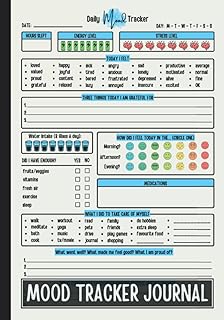
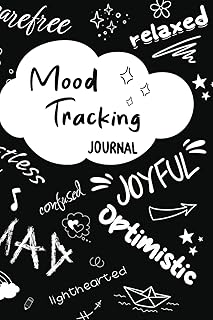
Mood tracking isn't just for therapists. It's a powerful tool anyone can use to decipher the language of their emotions. Think of it as a personal weather map for your mind, revealing patterns and triggers you might otherwise miss. By consistently recording your moods, you gather data points that, over time, paint a picture of your emotional landscape. This awareness is the first step towards meaningful change.
A simple notebook and pen are all you need to begin. Each day, rate your mood on a scale of 1 to 10, noting any significant events, thoughts, or physical sensations. Be specific. Instead of "sad," try "overwhelmed by work deadlines" or "lonely after a fight with a friend." The more detail, the richer the insights. Digital tools like mood-tracking apps can also be helpful, offering prompts, graphs, and reminders to keep you consistent.
The real magic happens when you analyze your data. Look for correlations. Does your mood dip after certain social interactions? Do you feel more anxious on Mondays? Are there activities that consistently lift your spirits? Identifying these patterns allows you to make informed decisions. Perhaps you need to set boundaries with a toxic friend, prioritize self-care on weekends, or incorporate more exercise into your routine. Mood tracking empowers you to become an active participant in your own well-being.
It's important to remember that mood tracking is a tool, not a diagnosis. If you notice persistent low moods or significant changes in your emotional state, consult a mental health professional. They can provide expert guidance and support. Think of mood tracking as a compass, helping you navigate the terrain of your emotions and pointing you towards a path of greater self-awareness and emotional resilience.
Seeking Mental Health Help: A Divine Frown or Sacred Support?
You may want to see also
Explore related products




Emotional release via written expression
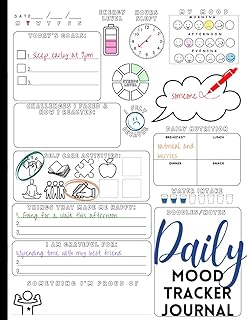
The act of putting pen to paper can be a powerful tool for emotional release, offering a unique avenue for self-expression and healing. This practice, often associated with diary-keeping, allows individuals to externalize their inner world, providing a sense of relief and clarity. When emotions become overwhelming, writing can serve as a healthy outlet, helping to process and make sense of complex feelings.
Unraveling the Therapeutic Process
Writing about emotional experiences engages the brain in a way that promotes self-reflection and insight. Research suggests that expressive writing can lead to improved mental health outcomes, particularly in reducing stress and anxiety. A study by Baumeister and colleagues (1997) found that participants who wrote about traumatic experiences for as little as 15 minutes a day over three consecutive days showed significant improvements in physical and mental health compared to those who wrote about superficial topics. This simple yet effective technique encourages individuals to confront and explore their emotions, fostering a sense of control and understanding.
A Personal Journey of Self-Discovery
Imagine a young adult struggling with the weight of a recent breakup. By dedicating 20 minutes each evening to journaling, they can begin to unravel the tangled web of emotions. Through written expression, they might discover patterns of thought, identify triggers, and challenge negative self-talk. Over time, this practice can lead to increased self-awareness, enabling better emotional regulation and a more positive outlook. The diary becomes a safe space for exploration, free from judgment, where one can experiment with different perspectives and narratives.
Practical Tips for Effective Emotional Release
- Set a Timer: Start with short, focused writing sessions. Set a timer for 10-15 minutes to ensure the task feels manageable.
- Create a Ritual: Establish a consistent writing routine. Whether it's first thing in the morning or before bed, make it a daily habit.
- Write Freely: Allow your thoughts to flow without censorship. Don't worry about grammar or structure; this is for your eyes only.
- Explore Prompts: If you're unsure where to begin, use prompts like "Today, I feel..." or "I wish I could tell myself..." to spark reflection.
- Combine with Art: Enhance your diary with drawings, collages, or doodles to express emotions that words may not capture.
The Power of Reflection
Written expression provides a unique opportunity for emotional release and personal growth. It allows individuals to step back, observe their thoughts, and gain perspective. Through this process, one can identify recurring themes, track progress, and celebrate small victories. The diary becomes a testament to resilience, a tool for transformation, and a means to cultivate a deeper understanding of oneself. By embracing this practice, individuals can unlock the therapeutic benefits of emotional release, leading to improved mental well-being and a healthier relationship with their inner world.
Reading the Bible: A Path to Mental Health and Healing?
You may want to see also
Explore related products



Enhancing clarity and problem-solving skills
The act of putting pen to paper can be a powerful tool for untangling the complex web of thoughts and emotions that often cloud our minds. Keeping a diary allows you to externalize your inner world, transforming abstract feelings into concrete words. This simple process of articulation can lead to a surprising amount of clarity.
Imagine a cluttered desk, papers strewn everywhere, making it impossible to find anything. Your mind can be like that desk, thoughts jumbled and overwhelming. Writing in a diary is like organizing those papers, creating order and making it easier to locate what's truly important.
This process of externalization and organization directly translates to improved problem-solving abilities. When faced with a challenge, journaling allows you to break it down into manageable parts. You can list the problem, identify contributing factors, brainstorm potential solutions, and weigh the pros and cons of each. This structured approach, akin to a written brainstorming session, helps you see the problem from different angles and arrive at more effective solutions. Think of it as a mental map, where the act of writing helps you chart a course through the complexities of a situation.
Studies suggest that expressive writing, a form of journaling focused on emotions and experiences, can lead to improved working memory, a crucial component of problem-solving. By freeing up mental space occupied by worries and ruminations, you create room for more focused and strategic thinking.
To maximize the clarity-enhancing benefits of diary-keeping, consider these practical tips:
- Consistency is Key: Aim for regular journaling sessions, even if it's just 10-15 minutes daily. Consistency allows you to track patterns in your thoughts and emotions, leading to deeper insights.
- Prompt Yourself: If you're unsure where to begin, use prompts like "What's weighing on my mind today?" or "What am I grateful for?" Prompts provide structure and guide your writing towards specific areas of focus.
- Don't Edit: Allow your thoughts to flow freely without worrying about grammar or spelling. The goal is to capture your raw thoughts and feelings, not to create a literary masterpiece.
- Experiment with Formats: Try different journaling styles like bullet points, lists, or even drawing. Find a format that feels natural and engaging for you.
Remember, keeping a diary is a personal journey. There's no right or wrong way to do it. The most important thing is to be honest with yourself and allow the process to unfold organically. Over time, you'll likely find that this simple practice becomes a valuable tool for navigating life's challenges with greater clarity and confidence.
Virginia Woolf's Battle: Seeking Aid for Her Mental Health Struggles
You may want to see also
Explore related products


Building gratitude and positive reflection habits
Keeping a diary isn't just about recording events; it's a tool for cultivating gratitude and positive reflection, both of which are linked to improved mental well-being. Research suggests that regularly acknowledging and writing down things we're grateful for can rewire our brains to focus on the positive, reducing stress and anxiety. A study published in the *Journal of Positive Psychology* found that participants who wrote gratitude journals for just 15 minutes a day, three times a week, reported higher levels of optimism and life satisfaction after 12 weeks. This simple practice shifts our perspective, helping us notice the small joys often overlooked in daily life.
To build a gratitude habit, start small. Dedicate five minutes each evening to jot down three things you’re thankful for. These can be as simple as a warm cup of tea, a kind word from a colleague, or a beautiful sunset. The key is consistency. Pair this practice with positive reflection by writing a sentence or two about why each item matters to you. For example, instead of just noting “a sunny day,” write, “The sunshine lifted my mood and reminded me of summer vacations.” This deeper reflection amplifies the emotional impact, embedding positivity more firmly in your mindset.
While gratitude journaling is powerful, it’s not without challenges. Some days, finding things to be grateful for can feel forced, especially during difficult periods. In these moments, reframe the exercise as an opportunity to build resilience. Write about challenges you’ve overcome or strengths you’ve discovered. For instance, “I’m grateful for my ability to stay calm under pressure today,” even if the day itself was stressful. This approach ensures the practice remains meaningful and adaptable to your emotional state.
For maximum benefit, combine gratitude journaling with other positive reflection techniques. Try the “rose, thorn, bud” method: write one good thing (rose), one challenge (thorn), and one thing you’re looking forward to (bud). This balanced approach encourages mindfulness and forward-thinking. Additionally, consider setting a specific time and place for journaling, such as right before bed, to make it a ritual. Over time, this habit can become a sanctuary for self-compassion and optimism, transforming your diary into more than just a record—it becomes a tool for mental growth.
Prisoner Mental Health Support: Accessing Care Behind Bars
You may want to see also
Frequently asked questions
Yes, keeping a diary can help reduce stress and anxiety by providing an outlet to express emotions, clarify thoughts, and process challenging experiences. Writing about feelings allows individuals to release pent-up tension and gain perspective on their situations.
Absolutely, journaling can improve mood and emotional well-being by fostering self-reflection, gratitude, and mindfulness. Regularly recording positive experiences or tracking progress can boost self-awareness and reinforce a sense of accomplishment.
Yes, studies have shown that expressive writing, such as keeping a diary, can lead to reduced symptoms of depression, improved emotional regulation, and enhanced overall mental health. It is believed to help individuals process trauma, reduce rumination, and promote psychological healing.