Lucas Bennett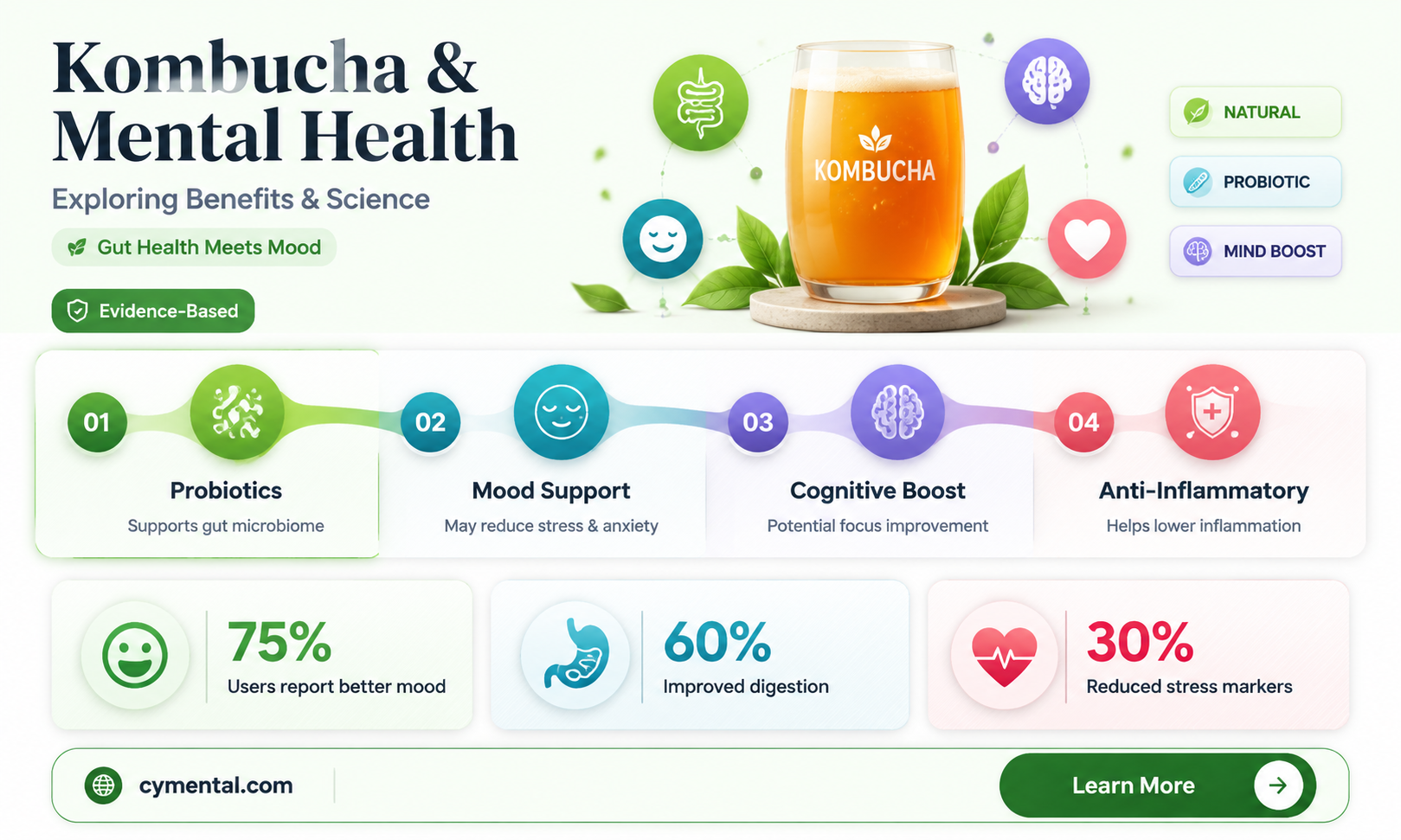
Kombucha, a fermented tea beverage rich in probiotics, antioxidants, and organic acids, has gained popularity for its potential health benefits, including its impact on mental well-being. Emerging research suggests a connection between gut health and mental health, often referred to as the gut-brain axis, where the balance of gut microbiota can influence mood, stress, and cognitive function. Kombucha’s probiotic content may support a healthy gut microbiome, potentially reducing symptoms of anxiety, depression, and stress. While anecdotal evidence and preliminary studies are promising, more rigorous scientific research is needed to fully understand kombucha’s role in mental health. Nonetheless, its growing reputation as a holistic wellness drink has sparked interest in its potential as a complementary approach to supporting mental clarity and emotional balance.
Explore related products



What You'll Learn

Kombucha's probiotics and gut-brain connection
Kombucha, a fermented tea rich in probiotics, has gained attention for its potential role in supporting mental health through the gut-brain axis. This connection hinges on the trillions of microorganisms in the gut, which communicate with the brain via neural, hormonal, and immune pathways. Probiotics in kombucha, such as *Lactobacillus* and *Bifidobacterium*, may modulate this communication, influencing mood, stress, and cognitive function. While research is still emerging, studies suggest that a balanced gut microbiome can reduce symptoms of anxiety and depression, making kombucha a beverage of interest for mental well-being.
To harness kombucha’s potential, consider incorporating it into your daily routine in moderation. Start with 4–6 ounces (120–180 ml) per day to avoid digestive discomfort, as excessive consumption can lead to bloating or acidity. Pair it with a fiber-rich diet to nourish the gut microbiome, enhancing the probiotics’ effectiveness. For those new to kombucha, begin with a low-sugar variety, as some commercial brands contain added sugars that may counteract its benefits. Consistency is key; regular intake over weeks may yield noticeable effects on mood and energy levels.
However, kombucha is not a one-size-fits-all solution. Individuals with compromised immune systems, mold allergies, or conditions like small intestinal bacterial overgrowth (SIBO) should exercise caution, as fermentation can introduce risks. Pregnant or breastfeeding women should consult a healthcare provider before adding kombucha to their diet. Additionally, homemade kombucha carries a risk of contamination, so sourcing from reputable brands or following strict hygiene practices is essential.
Comparing kombucha to other probiotic sources, such as yogurt or kefir, highlights its unique advantages. Its fizzy, tangy profile makes it a refreshing alternative for those who dislike dairy. Unlike supplements, kombucha provides live cultures in a whole-food matrix, potentially enhancing bioavailability. However, its probiotic content varies by brand and batch, so combining it with diverse fermented foods ensures a broader spectrum of beneficial bacteria.
In conclusion, kombucha’s probiotics offer a promising avenue for supporting mental health through the gut-brain connection. By understanding dosage, precautions, and its comparative benefits, individuals can make informed choices to integrate this ancient beverage into a holistic approach to well-being. While not a cure-all, kombucha’s potential to foster a healthier gut-brain dialogue makes it a valuable addition to a mindful lifestyle.
Music's Power: Boosting Middle Schoolers' Mental Health and Well-Being
You may want to see also
Explore related products


Potential stress reduction and mood enhancement
Kombucha, a fermented tea rich in probiotics, has been anecdotally linked to stress reduction and mood enhancement. The gut-brain axis, a bidirectional communication system between the gastrointestinal tract and the central nervous system, plays a pivotal role here. Probiotics in kombucha may influence this axis by promoting a healthy gut microbiome, which in turn can modulate neurotransmitter production and reduce inflammation—factors closely tied to mental well-being. For instance, studies suggest that strains like *Lactobacillus* and *Bifidobacterium*, commonly found in fermented foods, may lower cortisol levels, the body’s primary stress hormone.
To harness kombucha’s potential for stress relief, consider incorporating it into your daily routine as a midday beverage. Start with 4–6 ounces daily to monitor tolerance, as excessive consumption can lead to digestive discomfort. Pair it with a balanced diet rich in fiber and prebiotics to amplify its probiotic benefits. For those aged 18–65, kombucha can be a complementary tool alongside mindfulness practices like meditation or yoga. However, individuals with compromised immune systems or those on immunosuppressive medications should consult a healthcare provider before adding it to their regimen.
A comparative analysis reveals that kombucha’s mood-enhancing properties may stem from its B-vitamin content, particularly B12, which is often synthesized during fermentation. B vitamins are essential for brain health, supporting the production of serotonin and dopamine, neurotransmitters that regulate mood and pleasure. While a single 8-ounce serving of kombucha typically contains only trace amounts of B12 (around 0.1–0.2 mcg), consistent consumption over time could contribute to overall nutrient intake. For comparison, a B12 supplement provides 500–1000 mcg per dose, but kombucha offers a natural, food-based alternative with added probiotic benefits.
Practically, kombucha’s stress-reducing effects may be more pronounced when combined with lifestyle adjustments. For example, limiting caffeine intake and prioritizing sleep can enhance its calming impact. Homemade kombucha enthusiasts should ensure proper fermentation (7–10 days) to maximize probiotic diversity while avoiding over-fermentation, which can increase alcohol content and acidity. Store-bought options are a safer bet for those new to kombucha, with brands like GT’s Kombucha or Health-Ade offering consistent quality and controlled probiotic strains.
In conclusion, while kombucha’s role in stress reduction and mood enhancement is promising, it’s not a standalone solution. Its benefits are most effective when integrated into a holistic approach to mental health, including diet, exercise, and stress management techniques. As research evolves, kombucha remains a fascinating, accessible option for those exploring natural ways to support emotional well-being.
Nature's Healing Power: How Outdoor Time Boosts Mental Well-Being
You may want to see also
Explore related products


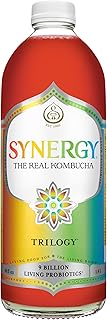
Antioxidants and their impact on brain health
Kombucha, a fermented tea rich in antioxidants, has gained attention for its potential to support mental health. But how exactly do antioxidants contribute to brain health, and what role does kombucha play in this dynamic? Antioxidants combat oxidative stress, a process linked to neurodegenerative diseases and cognitive decline. By neutralizing free radicals, these compounds protect brain cells, enhance neural communication, and reduce inflammation—key factors in maintaining mental clarity and emotional stability.
Consider the brain’s vulnerability to oxidative damage. Unlike other organs, it consumes a disproportionate amount of oxygen, producing more free radicals in the process. Antioxidants like polyphenols, found in kombucha, act as a defense mechanism. Studies suggest that regular intake of polyphenol-rich foods can improve memory, focus, and mood, particularly in adults over 40. For instance, a daily 8-ounce serving of kombucha, containing approximately 100–200 mg of polyphenols, may contribute to these benefits without overloading on sugar or calories.
However, not all antioxidants are created equal. Kombucha’s fermentation process enhances its bioavailability, meaning the body absorbs and utilizes its antioxidants more efficiently than those from non-fermented sources. Pairing kombucha with vitamin C-rich foods, such as citrus or bell peppers, can further boost its antioxidant effects by regenerating spent antioxidants in the body. This synergy maximizes the protective impact on brain health, making kombucha a strategic addition to a diet focused on cognitive wellness.
Practical application is key. For those seeking to harness kombucha’s antioxidant benefits, consistency matters. Incorporate it into your routine 3–4 times per week, avoiding excessive consumption due to its acidity and trace alcohol content. Pregnant individuals or those with compromised immune systems should consult a healthcare provider before adding it to their diet. Pair kombucha with a balanced intake of other antioxidant-rich foods like berries, nuts, and leafy greens for a comprehensive approach to brain health.
In summary, kombucha’s antioxidant profile offers a tangible way to support mental health by mitigating oxidative stress and inflammation in the brain. While it’s not a standalone solution, its fermented nature and polyphenol content make it a valuable tool in a holistic strategy for cognitive resilience. Approach it mindfully, combining it with dietary diversity and lifestyle habits that prioritize brain longevity.
Accepting Compliments: A Simple Tool for Mental Health Recovery
You may want to see also
Explore related products


Effects on anxiety and depression symptoms
Kombucha's potential to alleviate anxiety and depression symptoms has sparked interest, but the science remains preliminary. While some studies suggest a link between gut health and mental well-being, direct evidence for kombucha's efficacy is limited. A 2017 study in *Journal of Medicinal Food* found that kombucha consumption in rats reduced anxiety-like behavior, attributed to its probiotic content and potential impact on the gut-brain axis. However, human trials are scarce, and extrapolating animal findings to humans requires caution.
To explore kombucha's effects, consider a structured approach. Start with a small daily serving (4-6 ounces) to assess tolerance, as excessive consumption may cause digestive discomfort. Monitor mood changes over 4-6 weeks using a journal or mood-tracking app. Pair kombucha intake with a balanced diet rich in fiber and fermented foods to maximize potential gut health benefits. Avoid kombucha if you're pregnant, immunocompromised, or have a history of mold allergies, as homemade varieties may pose risks.
A comparative analysis highlights kombucha's advantages over traditional probiotics. Unlike supplements, kombucha offers a synergistic blend of live cultures, organic acids, and antioxidants, potentially enhancing bioavailability. However, its variability in probiotic strains and concentrations means results may differ across brands or batches. For instance, store-bought kombucha often contains fewer live cultures than homemade versions due to pasteurization. Opt for raw, unpasteurized options if prioritizing probiotic content.
Persuasively, kombucha’s appeal lies in its dual role as a functional beverage and potential mood modulator. Its low sugar content (when properly brewed) and refreshing taste make it an accessible addition to daily routines. While not a replacement for therapy or medication, incorporating kombucha could complement holistic mental health strategies. For those aged 18-65, combining it with stress-reduction techniques like mindfulness or exercise may yield synergistic benefits, though individual responses vary.
Descriptively, envision kombucha as a fermented elixir with a tangy, slightly effervescent profile, brewed from tea, sugar, and a symbiotic culture of bacteria and yeast (SCOBY). Its production process generates bioactive compounds like B vitamins and acetic acid, which may indirectly support mental health by reducing inflammation and oxidative stress. For optimal results, pair homemade kombucha with a consistent brewing schedule (7-10 days) to ensure a balanced microbial profile. Always consult a healthcare provider before integrating kombucha into a mental health regimen, especially if taking medications or managing pre-existing conditions.
Psychology's Role in Healing: Can Studying Minds Aid Mental Health Recovery?
You may want to see also
Explore related products



Role in improving focus and cognitive function
Kombucha's potential to enhance focus and cognitive function hinges on its probiotic and antioxidant content. Fermented by a symbiotic culture of bacteria and yeast (SCOBY), kombucha produces beneficial probiotics and organic acids. These compounds may support gut health, which emerging research links to improved brain function through the gut-brain axis. A balanced gut microbiome can reduce inflammation and promote the production of neurotransmitters like serotonin, which are crucial for concentration and mental clarity.
To harness kombucha's cognitive benefits, consider incorporating it into your daily routine as a midday beverage. Start with 4–6 ounces per day to assess tolerance, gradually increasing to 8–12 ounces if desired. Pair it with a balanced meal to minimize potential side effects like bloating. For optimal results, choose raw, unpasteurized kombucha, as pasteurization can kill beneficial probiotics. Look for brands with minimal added sugar and clear labeling of live cultures.
While kombucha shows promise, it’s not a standalone solution for cognitive enhancement. Combine it with other focus-boosting habits, such as staying hydrated, prioritizing sleep, and engaging in regular physical activity. For individuals over 50 or those with pre-existing health conditions, consult a healthcare provider before adding kombucha to your diet, as its acidity and probiotic content may interact with medications or exacerbate certain conditions.
A comparative analysis reveals that kombucha’s cognitive benefits may rival those of green tea, another popular focus-enhancing beverage. While green tea contains caffeine and L-theanine for immediate alertness, kombucha’s probiotics offer long-term support for brain health. For sustained focus, consider alternating between the two or combining them in moderation. However, avoid excessive consumption, as both contain compounds that can disrupt sleep if consumed late in the day.
Finally, kombucha’s role in cognitive function is most effective when integrated into a holistic approach to mental health. Pair it with mindfulness practices like meditation or journaling to amplify its benefits. For students or professionals seeking improved concentration, try drinking kombucha during study or work sessions, ensuring it complements rather than replaces a balanced diet. While research is still evolving, kombucha’s unique blend of probiotics and antioxidants positions it as a promising ally for those looking to sharpen their focus naturally.
Isolation's Impact: Does Solitude Heal or Harm Mental Health?
You may want to see also
Frequently asked questions
While kombucha contains probiotics, B vitamins, and antioxidants, which may support gut health and indirectly influence mood, there is no direct evidence that kombucha alone significantly improves mental health.
Kombucha’s probiotics may promote a healthy gut-brain axis, which could help manage stress and anxiety. However, its effects are not as strong as proven therapies or medications, and more research is needed.
The small amount of caffeine and B vitamins in kombucha might provide a mild energy boost, but its impact on mood is minimal and varies from person to person.
For most people, kombucha is safe in moderation. However, excessive consumption or homemade varieties with improper fermentation can cause side effects like bloating or headaches, which may negatively impact mental well-being.
No, kombucha should not replace professional mental health treatments like therapy or medication. It may complement a healthy lifestyle but is not a substitute for evidence-based interventions.