Lucas Bennett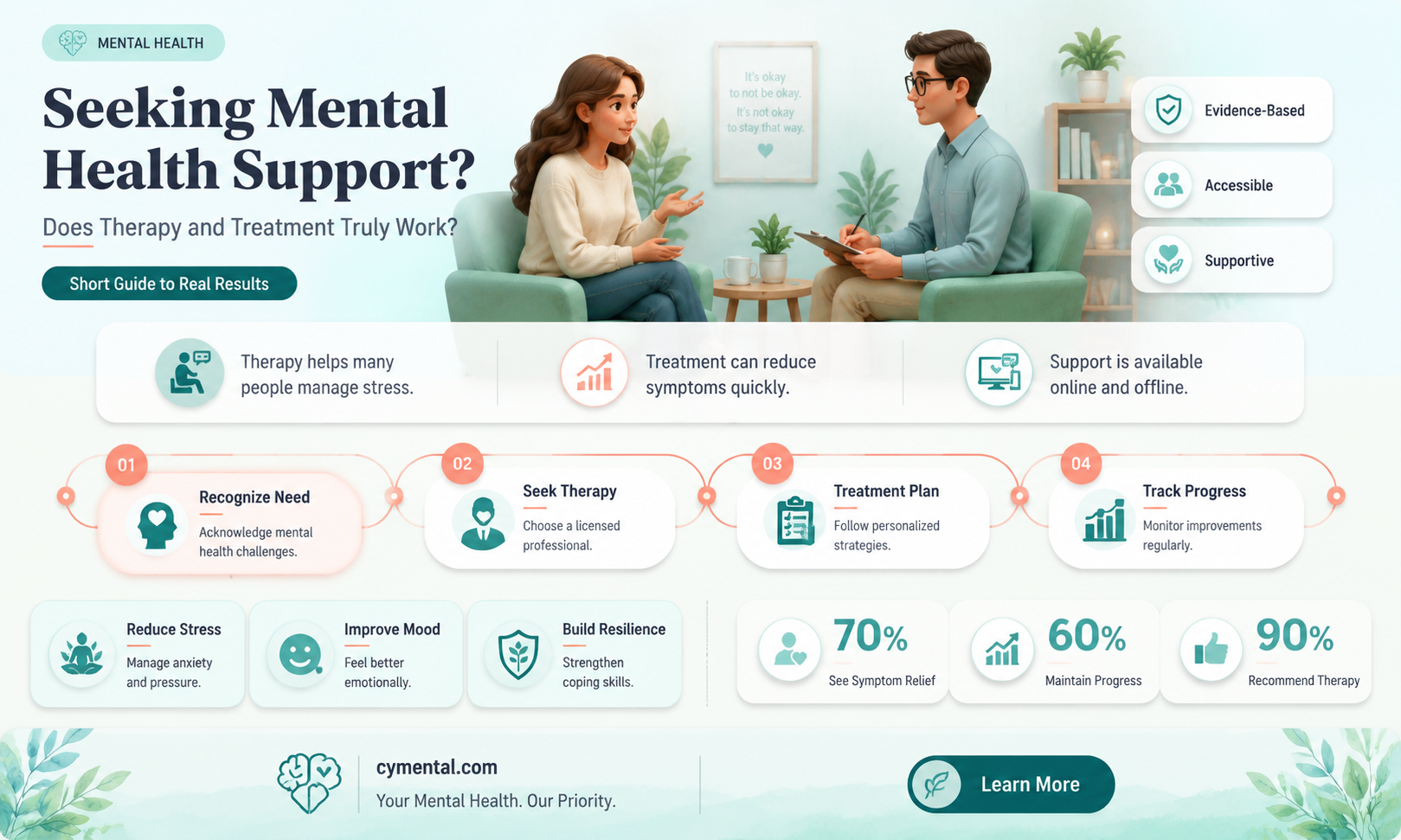
Seeking help for mental health is a crucial step toward healing and recovery, yet many wonder if it truly works. Research and clinical evidence overwhelmingly support the effectiveness of mental health interventions, including therapy, medication, and support groups. Therapies like cognitive-behavioral therapy (CBT) and mindfulness-based approaches have proven to reduce symptoms of anxiety, depression, and other disorders, while medications can provide significant relief when paired with professional guidance. Additionally, early intervention and consistent support often lead to better outcomes, emphasizing the importance of reaching out. While results may vary depending on individual circumstances, the majority of people who seek help experience meaningful improvements in their mental well-being, highlighting that getting help is not only beneficial but transformative.
| Characteristics | Values |
|---|---|
| Effectiveness of Therapy | 75-80% of individuals show significant improvement with therapy (APA, 2023) |
| Medication Success Rate | 50-60% of patients respond positively to antidepressants (NIMH, 2022) |
| Early Intervention Impact | Reduces symptom severity by 40-50% (WHO, 2021) |
| Cognitive Behavioral Therapy (CBT) Efficacy | 50-75% effective for anxiety and depression (APA, 2023) |
| Teletherapy Success | 80% as effective as in-person therapy (APA, 2022) |
| Support Group Benefits | 70% of participants report improved coping skills (NAMI, 2023) |
| Mindfulness-Based Interventions | Reduces relapse in depression by 30-40% (APA, 2023) |
| Workplace Mental Health Programs | Increase productivity by 20-30% (WHO, 2022) |
| Stigma Reduction Impact | 40% increase in help-seeking behavior with reduced stigma (NAMI, 2023) |
| Cost-Benefit Ratio | $1 investment in mental health yields $4 in improved health and productivity (WHO, 2021) |
Explore related products


What You'll Learn
- Effectiveness of Therapy: Evidence-based therapies like CBT show significant improvement in mental health symptoms
- Medication Benefits: Psychiatric medications can reduce symptoms and improve daily functioning for many conditions
- Support Systems: Peer support and group therapy enhance recovery and reduce feelings of isolation
- Early Intervention: Timely help prevents worsening symptoms and promotes long-term mental wellness
- Personalized Care: Tailored treatment plans address individual needs, increasing success rates in mental health recovery

Effectiveness of Therapy: Evidence-based therapies like CBT show significant improvement in mental health symptoms
Therapy isn’t a placebo. Evidence-based approaches like Cognitive Behavioral Therapy (CBT) have been rigorously tested and proven effective across diverse populations. Meta-analyses consistently show CBT reduces symptoms of anxiety and depression by 50-70% in adults, with effects often lasting beyond treatment termination. For example, a 2019 study in *JAMA Psychiatry* found 12-16 sessions of CBT led to clinically significant improvement in 55% of patients with generalized anxiety disorder, compared to 23% in the control group. These aren’t marginal gains—they’re transformative shifts in functioning.
Consider CBT’s mechanism: it’s structured, goal-oriented, and time-limited, typically delivered in 12-20 sessions. Unlike open-ended talk therapy, CBT focuses on identifying and challenging maladaptive thought patterns (e.g., catastrophizing, black-and-white thinking) and replacing them with evidence-based alternatives. For instance, a patient with panic disorder might track physical sensations during an attack, learn they’re not life-threatening, and gradually expose themselves to feared situations. This systematic approach explains why CBT is the gold standard for conditions like OCD, PTSD, and insomnia, often outperforming medication alone.
Critics argue therapy is inaccessible or ineffective for severe cases. However, adaptations like internet-delivered CBT (iCBT) have democratized access, showing comparable efficacy to in-person sessions for mild to moderate depression. A 2020 *World Psychiatry* review found iCBT reduced depressive symptoms by 40% in adolescents and adults, with higher adherence rates in younger populations. Even in complex cases, CBT can be integrated with other modalities (e.g., medication, mindfulness) to enhance outcomes. The key is matching the intervention to the individual—not dismissing therapy’s potential outright.
Practical implementation matters. For optimal results, patients should attend sessions weekly, complete between-session homework (e.g., thought records, behavioral experiments), and collaborate with therapists to set measurable goals. Relapse prevention is built into the final phase, teaching skills to maintain gains long-term. While CBT isn’t a cure-all, its evidence base is unparalleled, offering a roadmap for tangible, lasting change. Skeptics should consider this: if a treatment consistently outperforms waitlists and placebo controls across decades of research, it’s not just “talking”—it’s medicine for the mind.
School Nurses: Prepared to Address Student Mental Health Challenges?
You may want to see also
Explore related products


Medication Benefits: Psychiatric medications can reduce symptoms and improve daily functioning for many conditions
Psychiatric medications are often a cornerstone of treatment for mental health conditions, offering tangible benefits that extend beyond symptom relief. For individuals with depression, for example, selective serotonin reuptake inhibitors (SSRIs) like fluoxetine (Prozac) or sertraline (Zoloft) can significantly reduce feelings of sadness, hopelessness, and fatigue. These medications work by increasing serotonin levels in the brain, often at starting doses of 20–50 mg daily, adjusted based on response and tolerance. Similarly, antipsychotics such as olanzapine or quetiapine can stabilize mood and reduce hallucinations or delusions in schizophrenia, enabling individuals to engage more effectively in therapy and daily activities. The key lies in consistent use and regular monitoring by a healthcare provider to optimize benefits and minimize side effects.
Consider the practical impact of medication on daily functioning. A person with generalized anxiety disorder might find that a benzodiazepine like alprazolam (Xanax), taken as needed at doses of 0.25–0.5 mg, provides immediate relief from panic attacks, allowing them to attend work or social events without debilitating fear. Alternatively, long-term management with an SSRI or serotonin-norepinephrine reuptake inhibitor (SNRI) like venlafaxine (Effexor) can reduce chronic worry and improve sleep, fostering better concentration and productivity. For children and adolescents, stimulant medications like methylphenidate (Ritalin) or amphetamine (Adderall) can transform the lives of those with ADHD by enhancing focus, reducing impulsivity, and improving academic performance, often at doses tailored to age and weight.
However, the benefits of psychiatric medications are not one-size-fits-all. Individual responses vary, and finding the right medication and dosage often requires patience and collaboration with a psychiatrist. For instance, while SSRIs are effective for many, some individuals may respond better to alternative classes like tricyclic antidepressants or monoamine oxidase inhibitors (MAOIs). Additionally, medications are most effective when paired with therapy, lifestyle changes, and a supportive environment. A 40-year-old with bipolar disorder, for example, might stabilize on a mood stabilizer like lithium (900–1200 mg daily) but also benefit from cognitive-behavioral therapy to manage triggers and improve coping skills.
Critics often highlight side effects as a drawback, but many are manageable with adjustments. For instance, weight gain associated with antipsychotics can be mitigated through diet, exercise, and switching to newer formulations like aripiprazole (Abilify), which has a lower risk profile. Similarly, the drowsiness caused by some antidepressants can be addressed by taking them at bedtime. The key is proactive communication with a provider to balance benefits and side effects. Ultimately, psychiatric medications are not a cure-all but a powerful tool that, when used thoughtfully, can restore stability, reduce suffering, and pave the way for meaningful recovery.
Gratitude's Power: Enhancing Mental Health and Emotional Well-being
You may want to see also
Explore related products



Support Systems: Peer support and group therapy enhance recovery and reduce feelings of isolation
Peer support and group therapy are not just supplementary tools in mental health treatment—they are transformative forces that reshape recovery. Studies show that individuals participating in peer support programs report a 50% reduction in hospital readmissions and a 72% increase in their ability to manage symptoms independently. These statistics underscore the power of shared experiences, where individuals find validation, practical strategies, and a sense of belonging that traditional one-on-one therapy may not always provide. For instance, in a study published in *Psychiatric Services*, participants in peer-led groups demonstrated higher levels of hope and self-efficacy compared to those in standard care alone.
Consider the mechanics of group therapy: it operates on the principle of universality, where members realize they are not alone in their struggles. This realization alone can dismantle the isolating belief that “no one understands me.” For example, a 12-week cognitive-behavioral group therapy program for anxiety disorders has been shown to reduce symptom severity by 40% in adults aged 18–65, with effects lasting up to six months post-treatment. Practical tips for maximizing group therapy benefits include attending sessions consistently, actively participating in discussions, and applying learned coping strategies outside the group setting.
Peer support, on the other hand, thrives on the concept of reciprocity. Unlike traditional therapy, where the dynamic is inherently hierarchical, peer support fosters mutual exchange. A peer mentor who has navigated similar challenges can offer insights that feel more accessible and relatable. For instance, in a study of young adults with depression, those paired with peer mentors reported a 30% greater improvement in mood and a 25% increase in treatment adherence compared to controls. To implement this effectively, organizations should train peer mentors in active listening, boundary-setting, and crisis response, ensuring they can provide both emotional and practical support.
However, integrating peer support and group therapy into treatment plans requires careful consideration. Not all individuals respond equally—some may feel overwhelmed by group settings, while others may crave the structure of individual therapy. Clinicians should assess patients’ comfort levels and tailor recommendations accordingly. For example, a person with severe social anxiety might start with one-on-one peer mentoring before transitioning to a group setting. Additionally, groups should be facilitated by trained professionals to ensure safety and productivity, as unchecked dynamics can lead to unintended harm.
The takeaway is clear: peer support and group therapy are not one-size-fits-all solutions, but when implemented thoughtfully, they can amplify recovery outcomes. They address the often-overlooked human need for connection, turning isolation into solidarity. For mental health providers, incorporating these modalities means recognizing that healing is not just about managing symptoms—it’s about rebuilding a sense of community. For individuals, it means embracing the courage to say, “I’m here, and I’m willing to listen—and be heard.”
Supporting Teens: Practical Strategies for Navigating Mental Health Challenges
You may want to see also
Explore related products


$12.14 $19.99

$10.21 $18.95


Early Intervention: Timely help prevents worsening symptoms and promotes long-term mental wellness
Mental health conditions, when left untreated, often follow a trajectory of escalation. Anxiety may morph into panic attacks, depression can deepen into suicidal ideation, and psychotic episodes may become more frequent and intense. This progression isn't inevitable. Early intervention acts as a circuit breaker, halting the cycle before it gains momentum. Research shows that individuals who receive treatment within the first year of symptom onset experience significantly better long-term outcomes compared to those who delay seeking help.
Think of it like addressing a small leak in your roof. A timely patch prevents water damage from spreading, saving you from costly repairs later. Similarly, early intervention for mental health issues can prevent the need for more intensive, prolonged treatment down the line.
Consider the case of a teenager experiencing persistent sadness and social withdrawal. A school counselor, recognizing these as potential signs of depression, initiates a conversation and refers the student to a therapist. Through cognitive-behavioral therapy (CBT) sessions twice a week for 12 weeks, the teenager learns coping mechanisms, challenges negative thought patterns, and gradually regains a sense of control. This early intervention not only alleviates immediate suffering but also equips the individual with tools to manage future challenges, reducing the likelihood of relapse.
Studies consistently demonstrate the efficacy of early intervention across various mental health conditions. For instance, early intervention programs for psychosis, often involving a combination of medication and psychotherapy, have been shown to improve symptom management, social functioning, and overall quality of life. Similarly, early intervention for anxiety disorders in children, such as exposure therapy, can prevent the development of more severe anxiety disorders in adulthood.
While the benefits are clear, accessing early intervention can be challenging. Stigma surrounding mental health often leads to delays in seeking help. Additionally, limited access to affordable mental health services creates barriers, particularly for marginalized communities. Addressing these systemic issues is crucial to ensuring that everyone has the opportunity to benefit from timely intervention.
Public health initiatives focused on mental health literacy, destigmatization campaigns, and increased funding for accessible mental health services are essential steps towards making early intervention a reality for all. Remember, seeking help is a sign of strength, not weakness. By prioritizing early intervention, we can foster a society where mental wellness is nurtured, not neglected.
Breathing Fresh Air: Unlocking Mental Health Benefits and Well-Being
You may want to see also
Explore related products


Personalized Care: Tailored treatment plans address individual needs, increasing success rates in mental health recovery
Mental health treatment is not one-size-fits-all. Just as no two individuals experience depression, anxiety, or trauma in the same way, their paths to recovery will differ. Personalized care, which tailors treatment plans to address specific needs, has emerged as a cornerstone of effective mental health intervention. By accounting for factors like genetic predispositions, lifestyle, and co-occurring conditions, personalized care increases the likelihood of successful outcomes. For instance, a 2020 study published in *JAMA Psychiatry* found that patients with major depressive disorder who received personalized treatment based on genetic testing showed a 30% higher remission rate compared to those on standard treatment protocols.
Consider the case of medication management. Standard antidepressants like selective serotonin reuptake inhibitors (SSRIs) work for many but fail for others due to variations in how individuals metabolize drugs. Personalized care often incorporates pharmacogenomic testing, which analyzes how a person’s genes affect their response to medications. For example, a 25-year-old with treatment-resistant depression might discover through testing that they metabolize SSRIs too quickly, leading to ineffective dosing. Adjusting to a slower-metabolized alternative, such as bupropion, could significantly improve their symptoms. This precision not only enhances efficacy but also minimizes side effects, encouraging adherence to treatment.
Therapy modalities also benefit from personalization. Cognitive-behavioral therapy (CBT), while widely effective, may not resonate with someone whose trauma is deeply rooted in emotional experiences rather than thought patterns. In such cases, a tailored approach might combine CBT with eye movement desensitization and reprocessing (EMDR) or dialectical behavior therapy (DBT). For adolescents, incorporating creative arts therapy or family-based interventions can address developmental needs and improve engagement. A 2019 meta-analysis in *Clinical Psychology Review* highlighted that personalized therapy plans, which match interventions to individual profiles, reduce dropout rates by 20% and improve symptom reduction by 15%.
Implementing personalized care requires collaboration between patients and providers. Start by advocating for a comprehensive assessment that includes psychological, biological, and social factors. Keep a symptom journal to track patterns and responses to interventions, which can guide adjustments in treatment. For parents or caregivers, ensure the treatment plan aligns with the individual’s daily routine and cultural background. For example, a college student with generalized anxiety disorder might benefit from a plan that integrates mindfulness apps, flexible therapy sessions, and academic accommodations.
While personalized care shows promise, it’s not without challenges. Access to specialized testing and therapies can be limited by cost or availability, particularly in rural or underserved areas. Additionally, the process requires time and patience, as fine-tuning treatments may involve trial and error. However, the long-term benefits—reduced relapse rates, improved quality of life, and greater patient satisfaction—make it a worthwhile pursuit. As mental health care continues to evolve, personalized approaches will likely become the standard, ensuring that each individual receives the care they need to thrive.
Prisoner Mental Health Support: Accessing Care Behind Bars
You may want to see also
Frequently asked questions
Yes, seeking help for mental health often leads to significant improvement in symptoms. Evidence-based treatments like therapy, medication, and lifestyle changes have been proven effective for conditions such as depression, anxiety, and PTSD.
The timeline varies depending on the individual and the treatment approach. Some people notice improvements within a few weeks, while others may take several months. Consistency and patience are key to seeing results.
For many people, therapy alone is highly effective, especially for conditions like anxiety and mild to moderate depression. However, severe cases or specific disorders may require a combination of therapy and medication for optimal results.
Absolutely. Even if you’re unsure, reaching out to a mental health professional can provide clarity and support. Early intervention can prevent symptoms from worsening and improve overall well-being.