Madison Cole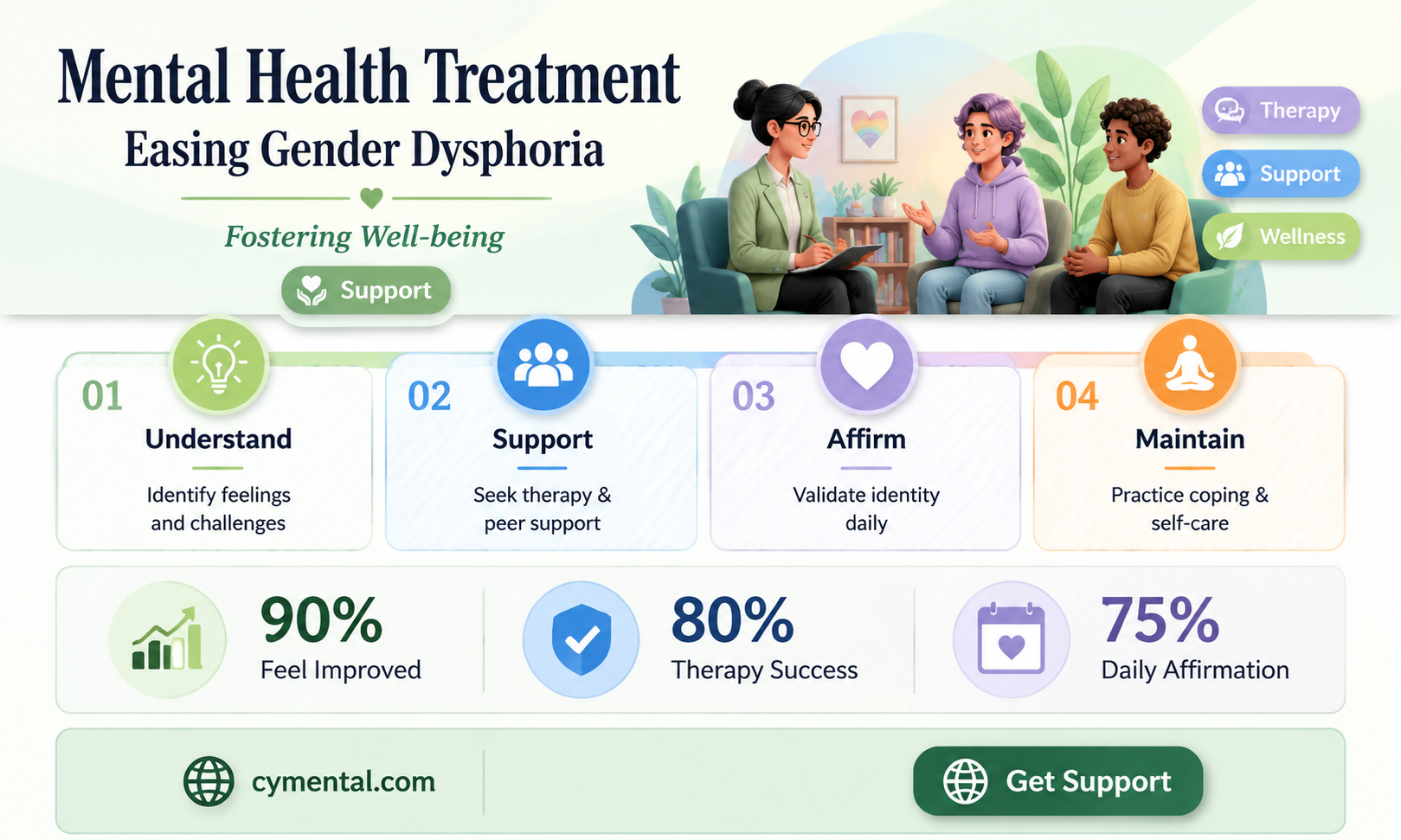
Mental health treatment plays a crucial role in addressing gender dysphoria, a condition characterized by significant distress or discomfort due to a mismatch between one's assigned gender at birth and their gender identity. Therapies such as gender-affirming psychotherapy, cognitive-behavioral therapy (CBT), and support from mental health professionals can help individuals explore and understand their gender identity, manage associated emotional challenges, and develop coping strategies. Additionally, mental health interventions often complement medical treatments like hormone therapy or gender-affirming surgeries, providing holistic support for individuals navigating their gender journey. Research indicates that access to affirming and competent mental health care significantly improves quality of life, reduces distress, and fosters greater well-being for those experiencing gender dysphoria.
| Characteristics | Values |
|---|---|
| Effectiveness of Mental Health Treatment | Mental health treatment, such as psychotherapy (e.g., cognitive-behavioral therapy, CBT), can help individuals with gender dysphoria manage distress, improve mental well-being, and explore gender identity. However, it does not "cure" or alter gender identity itself. |
| Primary Goal | To address co-occurring mental health issues (e.g., depression, anxiety) and provide support for gender exploration, rather than changing gender identity. |
| Evidence-Based Approaches | Affirmative therapy, which validates an individual's gender identity, is recommended. Conversion therapy or attempts to change gender identity are ineffective, harmful, and ethically condemned. |
| Role in Gender-Affirming Care | Mental health treatment often complements gender-affirming interventions (e.g., hormone therapy, surgery) by preparing individuals emotionally and psychologically. |
| Outcome for Gender Dysphoria | Treatment can reduce psychological distress and improve quality of life but does not resolve gender dysphoria without gender-affirming steps (e.g., social transition, medical interventions). |
| Professional Guidelines | Organizations like the World Professional Association for Transgender Health (WPATH) and the American Psychological Association (APA) endorse affirmative care and mental health support as part of comprehensive treatment. |
| Limitations | Mental health treatment alone is insufficient for individuals seeking gender-affirming medical interventions, which often require assessments by mental health professionals to ensure informed consent. |
| Latest Research (as of 2023) | Studies show that supportive mental health care improves outcomes for transgender and gender-diverse individuals, but access to care remains a barrier in many regions. |
Explore related products


$39.95 $39.95


What You'll Learn
- Therapy Approaches: Cognitive-behavioral therapy, counseling, and support groups for gender dysphoria management
- Hormone Therapy Impact: Effects of hormone treatments on mental health and gender dysphoria relief
- Social Transition Benefits: Mental health improvements through social gender affirmation and community support
- Medical Transition Outcomes: Surgical interventions and their role in alleviating gender dysphoria symptoms
- Access Barriers: Challenges in accessing mental health and gender-affirming care globally

Therapy Approaches: Cognitive-behavioral therapy, counseling, and support groups for gender dysphoria management
Cognitive-behavioral therapy (CBT) stands out as a structured, goal-oriented approach to managing gender dysphoria by addressing the distressing thoughts and behaviors associated with it. Typically delivered in 12 to 20 sessions, CBT helps individuals identify and reframe negative thought patterns, such as self-criticism or fear of societal rejection, replacing them with healthier, more adaptive beliefs. For example, a transgender individual might challenge the thought, "I’ll never be accepted," by examining evidence of supportive relationships or successful transitions. CBT also incorporates behavioral techniques, like gradual exposure to gender-affirming activities (e.g., dressing in alignment with one’s identity in safe spaces) to build confidence and reduce anxiety. This approach is particularly effective for adolescents and adults, as it provides tangible tools to navigate the emotional challenges of dysphoria while fostering resilience.
Counseling, in contrast, offers a more open-ended, exploratory space for individuals to process their gender identity and related emotions. Unlike CBT, counseling doesn’t follow a rigid framework, allowing therapists to tailor sessions to the unique needs of each client. For instance, a counselor might help a non-binary person explore their gender expression, discuss family dynamics, or work through internalized stigma. This approach is especially valuable for those in the early stages of questioning their gender identity, as it provides a nonjudgmental environment to articulate feelings and consider options. Group counseling sessions can also be beneficial, offering peer validation and reducing feelings of isolation. While counseling may not provide quick fixes, it lays the groundwork for long-term emotional well-being by fostering self-acceptance and clarity.
Support groups serve as a vital complement to individual therapy, offering community and shared experience in a way that one-on-one sessions cannot. These groups, often led by facilitators with expertise in gender diversity, provide a safe space for individuals to discuss challenges, celebrate milestones, and exchange practical advice. For example, a support group might focus on topics like coming out to family, navigating medical transition, or coping with workplace discrimination. Research shows that participation in such groups significantly reduces feelings of loneliness and improves mental health outcomes. Online platforms like Reddit or specialized forums extend this support beyond geographical boundaries, making it accessible to those in remote areas or with limited mobility. For many, the sense of belonging gained from these groups is as transformative as formal therapy.
While each of these approaches has its strengths, their effectiveness often lies in their combination. For instance, a person might use CBT to manage anxiety around social transitions, engage in counseling to explore deeper identity questions, and join a support group for ongoing encouragement. However, it’s crucial to note that therapy alone does not "cure" gender dysphoria—it is a tool to manage distress and improve quality of life. Gender-affirming medical interventions, such as hormone therapy or surgery, often work in tandem with mental health treatment to address the root causes of dysphoria. Ultimately, the goal of these therapy approaches is to empower individuals to live authentically, with the emotional skills to navigate a world that may not always understand or accept them.
K-Pop's Healing Power: How Music and Fandom Boost Mental Health
You may want to see also
Explore related products


Hormone Therapy Impact: Effects of hormone treatments on mental health and gender dysphoria relief
Hormone therapy stands as a cornerstone in the treatment of gender dysphoria, offering profound relief by aligning physical attributes with gender identity. For transgender and gender-diverse individuals, the introduction of estrogen, testosterone, or blockers like GnRH agonists can catalyze changes such as breast development, voice deepening, or menstrual suppression. These physical transformations often correlate with significant mental health improvements, as evidenced by studies showing reduced anxiety, depression, and suicidal ideation. However, the efficacy of hormone therapy is not universal; individual responses vary based on factors like dosage, age at initiation, and concurrent mental health support. For instance, adolescents starting hormone therapy before puberty may experience fewer distressing secondary sex characteristics, while adults may require higher doses to achieve desired effects, underscoring the need for personalized treatment plans.
Consider the analytical perspective: hormone therapy’s impact on mental health is mediated by its ability to alleviate gender dysphoria, a condition rooted in the incongruence between one’s assigned sex and gender identity. Research published in *The Lancet* highlights that transgender individuals on hormone therapy report a 42% reduction in dysphoria-related distress within the first year. Yet, this relief is not instantaneous; psychological benefits often emerge gradually, paralleling physical changes. Clinicians must monitor patients closely, adjusting dosages to balance efficacy and side effects, such as mood swings or cardiovascular risks. For example, estradiol doses for transfeminine individuals typically range from 2–6 mg/day, while testosterone doses for transmasculine individuals start at 50–100 mg/week, with titration based on symptom relief and lab results.
From an instructive standpoint, initiating hormone therapy requires a multidisciplinary approach. Patients should undergo comprehensive assessments, including mental health evaluations and discussions of expectations and risks. For adolescents, the Endocrine Society recommends puberty blockers around Tanner Stage 2, followed by gender-affirming hormones at age 16. Adults may begin sooner but must be informed about potential long-term effects, such as infertility or bone density changes. Practical tips include maintaining a symptom journal to track progress, adhering to prescribed regimens, and seeking therapy to address residual dysphoria or societal stigma. Support groups can also provide invaluable peer insights, fostering resilience during the transition.
Persuasively, the case for hormone therapy as a mental health intervention is compelling but not without caveats. Critics argue that medical transition may overshadow the need for societal acceptance or psychotherapy, yet evidence suggests these approaches are complementary, not mutually exclusive. A comparative analysis reveals that individuals receiving both hormone therapy and counseling experience greater overall well-being than those receiving either alone. This synergy underscores the importance of holistic care, where hormone therapy addresses the biological basis of dysphoria, while therapy tackles internalized stigma and external challenges. Policymakers and healthcare providers must advocate for accessible, integrated care models to maximize outcomes.
Descriptively, the lived experience of hormone therapy is transformative yet deeply personal. For many, the first signs of physical change—a softer voice, facial hair growth, or breast budding—mark the beginning of a renewed sense of self. One transfeminine individual described the experience as "finally seeing myself in the mirror," while a transmasculine counterpart noted feeling "grounded in my body for the first time." These narratives illustrate the profound intersection of physical and mental health, where hormone therapy serves as both a medical intervention and a catalyst for self-actualization. Yet, challenges persist, from navigating healthcare barriers to managing societal expectations, reminding us that hormone therapy is but one piece of a complex puzzle.
Can You Admit Yourself to Mental Health Treatment? A Guide
You may want to see also
Explore related products

$10.01 $17.95




Social Transition Benefits: Mental health improvements through social gender affirmation and community support
Social transition, the process of aligning one’s gender expression with their affirmed identity, is a critical step in alleviating gender dysphoria and improving mental health. Research consistently shows that individuals who socially transition experience significant reductions in anxiety, depression, and suicidal ideation. For example, a 2020 study published in *Transgender Health* found that transgender individuals who were socially affirmed by their communities reported a 42% decrease in suicidal thoughts compared to those who were not. This underscores the profound impact of social validation on psychological well-being.
To maximize the mental health benefits of social transition, it’s essential to approach it as a collaborative process involving the individual, their support network, and, if applicable, mental health professionals. Start by identifying safe spaces where the individual can express their gender freely, such as LGBTQ+ community centers or affirming workplaces. Gradually introduce changes in pronouns, names, and appearance, ensuring the individual feels supported at each step. For instance, a teenager might begin by using their affirmed name with close friends before transitioning at school, reducing the risk of overwhelm.
Community support plays a pivotal role in sustaining the mental health gains of social transition. Peer groups, such as transgender support networks or online forums, provide a sense of belonging and shared experience. For younger individuals, family acceptance is particularly crucial; studies show that transgender youth with supportive families are six times less likely to experience depression. Practical tips include attending local LGBTQ+ events, joining advocacy groups, and leveraging digital platforms to connect with others who share similar experiences.
However, social transition is not without challenges, and it’s important to address potential barriers proactively. Resistance from unsupportive individuals or systemic discrimination can undermine mental health improvements. In such cases, developing coping strategies, such as setting boundaries or seeking therapy, is vital. Mental health professionals trained in gender-affirming care can provide tailored guidance, helping individuals navigate societal pressures while maintaining their emotional resilience.
In conclusion, social transition offers tangible mental health benefits by fostering gender affirmation and community support. By creating safe environments, leveraging peer networks, and addressing challenges head-on, individuals can experience significant improvements in their psychological well-being. This process, while deeply personal, thrives on collective understanding and acceptance, highlighting the interconnectedness of individual and community health.
Does MaineCare Cover Inpatient Mental Health Treatment? What You Need to Know
You may want to see also
Explore related products




Medical Transition Outcomes: Surgical interventions and their role in alleviating gender dysphoria symptoms
Surgical interventions for gender dysphoria, such as gender-affirming surgeries, have been shown to significantly alleviate symptoms and improve quality of life for many individuals. These procedures, which include chest reconstruction, genital reconstruction, and facial feminization or masculinization, aim to align an individual’s physical appearance with their gender identity. Studies consistently report high rates of satisfaction post-surgery, with many patients experiencing reduced anxiety, depression, and dysphoria. For example, a 2020 review in *Plastic and Reconstructive Surgery* found that 95% of patients reported improved mental health after undergoing gender-affirming surgeries. However, access to these procedures remains a barrier for many due to cost, insurance limitations, and geographic constraints.
Before pursuing surgical interventions, individuals typically undergo a comprehensive evaluation by mental health professionals and medical providers. This process ensures that the decision is well-informed and aligned with the patient’s needs. For instance, the World Professional Association for Transgender Health (WPATH) Standards of Care recommend at least one letter from a qualified mental health professional confirming the diagnosis of gender dysphoria and the readiness for surgery. This step is crucial, as it helps mitigate risks and ensures that surgery is part of a holistic treatment plan. Patients should also be prepared for the physical and emotional demands of recovery, which can vary depending on the type of surgery.
Comparatively, surgical interventions often yield more immediate and tangible results than mental health treatment alone, though both approaches are complementary. While therapy can help individuals cope with dysphoria and explore their gender identity, surgeries address the root cause of distress by altering physical characteristics. For example, chest masculinization surgery (also known as "top surgery") can eliminate the need for daily binding, reducing physical discomfort and psychological distress. Similarly, genital reconstruction surgeries can enhance body satisfaction and sexual function. However, surgery is not a one-size-fits-all solution; some individuals may find that non-surgical interventions, such as hormone therapy or voice training, sufficiently alleviate their dysphoria.
A critical consideration for surgical candidates is the long-term impact of these procedures. While most patients report positive outcomes, complications such as infection, scarring, or dissatisfaction with results can occur. For instance, phalloplasty (a procedure to create a penis) has a higher complication rate compared to vaginoplasty. Patients should discuss these risks with their surgeons and have realistic expectations. Additionally, ongoing mental health support post-surgery is essential, as some individuals may experience new challenges or adjustments as they navigate their changed bodies. Practical tips include joining support groups, maintaining open communication with healthcare providers, and planning for time off work or school to recover fully.
In conclusion, surgical interventions play a pivotal role in alleviating gender dysphoria symptoms, offering transformative benefits for many individuals. However, they are most effective when integrated into a comprehensive care plan that includes mental health support, informed consent, and realistic expectations. By addressing both psychological and physical aspects of dysphoria, these procedures can significantly enhance well-being and quality of life. For those considering this path, thorough research, consultation with specialists, and preparation for the journey ahead are key to achieving the best possible outcomes.
Can Psychiatrists Effectively Address and Resolve My Mental Health Issues?
You may want to see also
Explore related products

$12.23 $14.39


Access Barriers: Challenges in accessing mental health and gender-affirming care globally
Globally, access to mental health and gender-affirming care remains fragmented, with disparities rooted in geography, socioeconomic status, and systemic biases. In low-income countries, fewer than 10% of individuals with mental health needs receive adequate treatment, according to the World Health Organization. For transgender and gender-diverse individuals, this gap widens further. In regions like Sub-Saharan Africa and parts of Asia, mental health services are often nonexistent or stigmatized, leaving those experiencing gender dysphoria without critical support. Even in high-income countries, rural areas frequently lack specialized providers, forcing individuals to travel long distances or forgo care entirely.
Consider the financial burden, a pervasive barrier that intersects with geography. Gender-affirming care, including hormone therapy, counseling, and surgeries, can cost tens of thousands of dollars, often uninsured or underinsured. In the United States, for instance, a single session of psychotherapy averages $100–$200, while hormone therapy can range from $30 to $150 monthly. For a 25-year-old starting testosterone therapy, this could mean spending over $1,800 annually, excluding lab tests and follow-ups. In countries without public healthcare systems, these costs are insurmountable for many, particularly marginalized communities already facing employment discrimination.
Legal and policy barriers further compound these challenges. In over 20 countries, gender-affirming care is outright banned or heavily restricted, often framed as "unethical" or "against cultural norms." Even where legal, bureaucratic hurdles persist. In India, for example, transgender individuals must undergo a psychiatric evaluation and obtain a court order for legal gender recognition, a process that can take years. Such requirements not only delay care but also reinforce harmful stereotypes, treating gender dysphoria as a pathology rather than a valid human experience.
Stigma and provider bias represent another layer of obstruction. A 2020 study found that 50% of transgender individuals in Europe avoided seeking healthcare due to fear of discrimination. In Latin America, where machismo culture prevails, transgender individuals often face refusal of care or misgendering by medical staff. Training programs for healthcare providers are scarce, leaving many ill-equipped to address gender-diverse needs. For instance, a 2019 survey revealed that only 3% of medical schools in the United States included comprehensive transgender health education in their curricula.
Addressing these barriers requires multifaceted solutions. Policymakers must prioritize funding for mental health services in underserved regions and mandate insurance coverage for gender-affirming care. Legal reforms should eliminate discriminatory practices and streamline access to identity documents. Healthcare systems need to invest in provider training, ensuring culturally competent care. For individuals navigating these challenges, practical steps include seeking community-based organizations for financial assistance, using telehealth services where available, and advocating for policy changes at local and national levels. Without concerted effort, the promise of mental health treatment for gender dysphoria will remain out of reach for millions.
Diagnosis and Beyond: How Mental Health Labels Impacted My Journey
You may want to see also
Frequently asked questions
Yes, mental health treatment, such as therapy with a qualified gender-affirming therapist, can help individuals manage gender dysphoria by addressing emotional distress, improving coping strategies, and supporting exploration of gender identity.
Effective treatments include gender-affirming psychotherapy, cognitive-behavioral therapy (CBT), and support from mental health professionals experienced in transgender and gender-diverse issues. These approaches focus on validation, self-acceptance, and reducing distress.
Mental health treatment does not replace medical interventions like hormone therapy or gender-affirming surgeries but can complement them by providing emotional support and helping individuals navigate their transition process.
While not everyone requires formal therapy, mental health treatment can be beneficial for many individuals to address related challenges, such as anxiety, depression, or societal stigma, and to explore their gender identity in a safe space.
Mental health treatment does not "cure" gender dysphoria, as it is not a mental illness. Instead, it helps individuals understand and accept their gender identity, manage associated distress, and build resilience against external pressures or discrimination.