Caleb Wright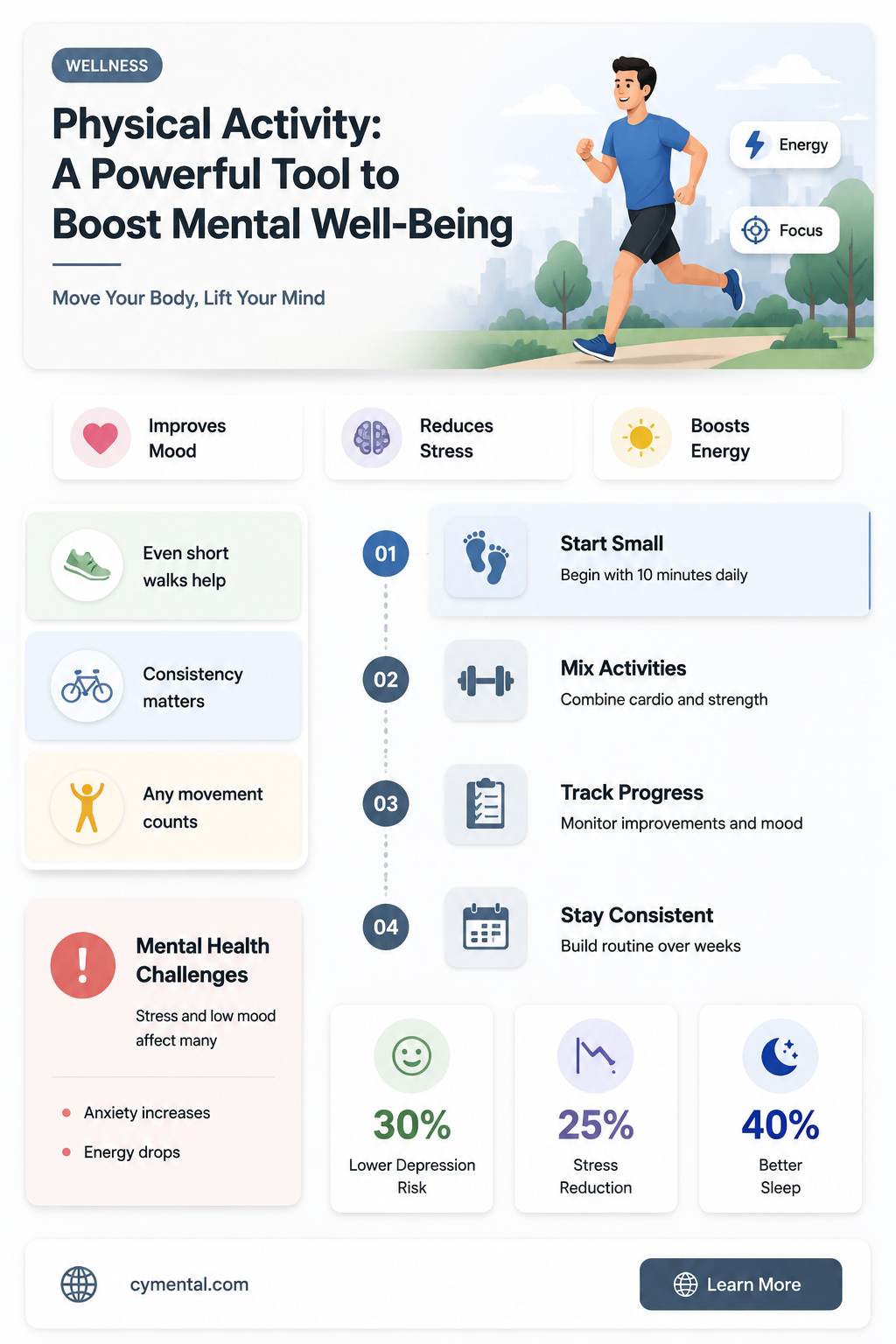
The relationship between physical activity and mental health is a topic of growing interest, as research increasingly highlights the profound benefits of exercise on psychological well-being. Engaging in regular physical activity has been shown to reduce symptoms of anxiety and depression, improve mood, and enhance cognitive function by releasing endorphins, reducing stress hormones, and promoting better sleep. Beyond these immediate effects, exercise fosters a sense of accomplishment, boosts self-esteem, and provides opportunities for social interaction, all of which contribute to mental resilience. Whether through structured workouts, casual walks, or team sports, incorporating physical activity into daily life can serve as a powerful tool for managing and improving mental health, underscoring the interconnectedness of body and mind.
| Characteristics | Values |
|---|---|
| Reduces Anxiety | Physical activity stimulates the release of endorphins, which act as natural stress relievers, reducing symptoms of anxiety. |
| Improves Mood | Exercise increases the production of neurotransmitters like serotonin and dopamine, which are linked to improved mood and happiness. |
| Enhances Cognitive Function | Regular physical activity boosts brain health, improving memory, attention, and problem-solving skills. |
| Alleviates Depression | Exercise has been shown to reduce symptoms of depression by promoting neural growth and reducing inflammation. |
| Reduces Stress | Physical activity lowers cortisol levels, the body's stress hormone, helping to manage stress more effectively. |
| Improves Sleep Quality | Regular exercise helps regulate sleep patterns, leading to better overall sleep quality and duration. |
| Boosts Self-Esteem | Achieving fitness goals can enhance self-confidence and foster a positive self-image. |
| Increases Resilience | Physical activity can build mental resilience, helping individuals cope better with adversity and challenges. |
| Reduces Symptoms of ADHD | Exercise has been shown to improve focus and reduce hyperactivity in individuals with ADHD. |
| Supports Long-Term Brain Health | Regular physical activity is associated with a reduced risk of cognitive decline and neurodegenerative diseases like Alzheimer's. |
| Enhances Social Interaction | Participating in group exercises or sports can improve social connections, reducing feelings of loneliness and isolation. |
| Regulates Emotional Responses | Physical activity helps in better emotional regulation by balancing brain chemicals and reducing emotional reactivity. |
Explore related products

$10.88 $15.99

$10.6 $19.99


What You'll Learn
- Exercise reduces stress hormones, boosts endorphins, and improves mood and mental clarity
- Physical activity enhances brain function, memory, and cognitive flexibility
- Outdoor exercise increases serotonin, reduces anxiety, and promotes relaxation
- Regular movement improves sleep quality, reducing symptoms of depression and fatigue
- Team sports foster social connections, combat loneliness, and boost self-esteem

Exercise reduces stress hormones, boosts endorphins, and improves mood and mental clarity
Stress hormones like cortisol thrive in sedentary environments, but exercise acts as a powerful antagonist. Just 30 minutes of moderate-intensity physical activity, such as brisk walking or cycling, has been shown to significantly reduce cortisol levels. This hormonal shift isn’t just temporary; consistent exercise trains the body to manage stress more effectively over time. For instance, a study published in the *Journal of Endocrinology* found that individuals who engaged in regular aerobic exercise exhibited lower baseline cortisol levels compared to their inactive counterparts. The takeaway? Moving your body isn’t just about burning calories—it’s about recalibrating your stress response.
Now, let’s talk about endorphins, often dubbed the body’s "feel-good" chemicals. These neurotransmitters are released during physical activity, particularly in response to sustained effort, like running, swimming, or even a vigorous dance session. The "runner’s high" is a real phenomenon, backed by science. Endorphins interact with receptors in the brain to reduce pain perception and trigger positive feelings. Interestingly, you don’t need to be a marathoner to reap these benefits—even a 20-minute jog can stimulate endorphin release. For those who prefer less intense activities, yoga and tai chi have also been shown to boost endorphin levels, proving that the type of exercise matters less than the act of moving itself.
Mood enhancement is another critical outcome of exercise, but it’s not just about endorphins. Physical activity increases blood flow to the brain, delivering oxygen and nutrients that support cognitive function. This improved circulation enhances mental clarity, making it easier to focus and process information. For example, a study in the *British Journal of Sports Medicine* found that participants who exercised regularly reported fewer symptoms of depression and anxiety. Even more striking, the effects were comparable to those of antidepressant medication in some cases. For optimal results, aim for at least 150 minutes of moderate exercise or 75 minutes of vigorous exercise weekly, as recommended by the World Health Organization.
Practical implementation is key to harnessing these benefits. Start small—incorporate a 10-minute walk during your lunch break or swap your desk chair for a stability ball to engage core muscles. For those with busy schedules, high-intensity interval training (HIIT) offers a time-efficient solution, packing mood-boosting benefits into short, intense bursts. Caution: overtraining can have the opposite effect, increasing stress hormones and fatigue. Listen to your body and prioritize rest days. Finally, combine physical activity with mindfulness practices like deep breathing or meditation for a synergistic effect on mental well-being. Exercise isn’t a cure-all, but when integrated thoughtfully, it becomes a cornerstone of mental resilience.
Supporting Through Crisis: Essential Steps to Aid Mental Health Emergencies
You may want to see also
Explore related products


Physical activity enhances brain function, memory, and cognitive flexibility
Engaging in regular physical activity isn't just about building muscle or shedding pounds—it’s a powerful tool for sharpening your mind. Studies consistently show that exercise triggers the release of neurotrophic factors, such as brain-derived neurotrophic factor (BDNF), which promote the growth and survival of neurons. This biological process enhances synaptic plasticity, the brain’s ability to form and reorganize connections, directly improving cognitive functions like learning and memory. For instance, a 2019 study published in *Nature Neuroscience* found that aerobic exercise increases hippocampal volume, a brain region critical for memory, by 2%, leading to measurable improvements in spatial memory tasks.
To harness these benefits, aim for at least 150 minutes of moderate-intensity aerobic activity weekly, such as brisk walking or cycling. For older adults, even low-impact exercises like tai chi or swimming can yield significant cognitive gains. Pairing aerobic exercise with strength training amplifies results, as resistance exercises have been shown to boost executive function—the mental skills that help you plan, focus, and multitask. A practical tip: break activity into 30-minute sessions, five days a week, to maintain consistency without overwhelming your schedule.
Consider the case of cognitive flexibility, the brain’s ability to switch between tasks or think about multiple concepts simultaneously. High-intensity interval training (HIIT) has emerged as a particularly effective method for enhancing this skill. A 2020 study in *Psychology of Sport and Exercise* revealed that participants who engaged in HIIT sessions twice a week for six weeks demonstrated a 15% improvement in task-switching tests compared to a control group. The intensity of HIIT stimulates greater blood flow to the prefrontal cortex, the brain’s command center for decision-making and problem-solving, fostering adaptability in thinking.
However, it’s not just about intensity—mindfulness in movement matters too. Activities like yoga or Pilates, which combine physical exertion with mental focus, have been shown to improve working memory and reduce cognitive decline. A 2017 study in *Frontiers in Aging Neuroscience* found that older adults practicing yoga for 12 weeks exhibited better memory recall and processing speed than those in a stretching control group. The meditative aspect of these exercises reduces stress hormones like cortisol, which can impair memory and cognitive function when chronically elevated.
Incorporating physical activity into your routine doesn’t require a drastic lifestyle overhaul. Start small: take the stairs instead of the elevator, walk during phone calls, or perform desk stretches every hour. For families, turn exercise into a shared activity—playing tag with kids or going on weekend hikes can improve cognitive health for all ages while fostering social connections. The key is consistency; even short bursts of activity, like a 10-minute dance break, can boost BDNF levels and temporarily enhance focus. By prioritizing movement, you’re not just investing in your physical health—you’re building a resilient, adaptable mind.
HR's Role in Supporting Employee Mental Health: A Comprehensive Guide
You may want to see also
Explore related products

$12.36 $18


Outdoor exercise increases serotonin, reduces anxiety, and promotes relaxation
Engaging in outdoor exercise is a powerful way to boost serotonin levels, a neurotransmitter linked to mood regulation and happiness. Studies show that spending just 20–30 minutes in nature while exercising can significantly increase serotonin production. For instance, a brisk walk in a park or a jog along a trail exposes you to natural light, which stimulates serotonin synthesis in the brain. This biochemical response is one reason why outdoor activities often leave you feeling more uplifted than indoor workouts.
Anxiety thrives in environments of stress and inactivity, but outdoor exercise counters this by triggering physiological changes. Research indicates that moderate aerobic activity, such as cycling or hiking, reduces cortisol levels—the stress hormone—while simultaneously promoting the release of endorphins. For optimal results, aim for 30–45 minutes of outdoor exercise 3–4 times a week. Even individuals with generalized anxiety disorder have reported noticeable reductions in symptoms after consistent outdoor physical activity.
The calming effects of outdoor exercise extend beyond biochemistry, tapping into the psychological benefits of natural environments. The concept of "forest bathing," or *shinrin-yoku*, highlights how immersion in nature promotes relaxation by lowering blood pressure and heart rate. Practical tips include choosing green spaces over urban areas, incorporating mindfulness techniques like deep breathing, and unplugging from devices to fully engage with your surroundings. These practices amplify the restorative effects of outdoor activity.
Comparing indoor and outdoor exercise reveals distinct advantages for mental health. While gym workouts offer structure, outdoor activities provide sensory stimulation—the sound of rustling leaves, the sight of open skies, or the feel of fresh air—that enhances relaxation. A study published in the *Journal of Environmental Psychology* found that participants who exercised outdoors reported higher levels of revitalization and lower tension compared to indoor exercisers. This suggests that combining physical activity with natural settings creates a synergistic effect on mental well-being.
For those seeking a practical routine, start with a 20-minute outdoor walk daily, gradually incorporating activities like yoga in a park or trail running. Pair this with consistent timing—morning sessions maximize sunlight exposure, aiding serotonin production. For older adults or beginners, low-impact options like tai chi outdoors can be equally effective. Remember, the goal isn’t intensity but consistency and connection with nature. By integrating these habits, you can harness the unique mental health benefits of outdoor exercise.
Pats and Mental Health: Unlocking the Healing Power of Touch
You may want to see also
Explore related products


Regular movement improves sleep quality, reducing symptoms of depression and fatigue
Engaging in regular physical activity isn't just about building muscle or losing weight—it's a powerful tool for enhancing sleep quality, which in turn alleviates symptoms of depression and fatigue. Research consistently shows that moderate exercise, such as brisk walking or cycling for 30 minutes daily, can significantly improve sleep duration and depth. This is because physical activity helps regulate the body’s internal clock, increases the production of sleep-promoting chemicals like melatonin, and reduces levels of stress hormones like cortisol. For adults aged 18–64, the World Health Organization recommends at least 150 minutes of moderate-intensity aerobic activity per week, a dosage that aligns with optimal sleep benefits.
Consider the mechanism at play: exercise raises body temperature, and the subsequent cool-down period signals the brain that it’s time to wind down, mimicking the natural circadian rhythm. This process is particularly beneficial for individuals with insomnia or irregular sleep patterns. For instance, a study published in *Sleep Medicine Reviews* found that participants who engaged in regular aerobic exercise fell asleep faster and experienced deeper sleep cycles compared to sedentary counterparts. However, timing matters—vigorous exercise within 2 hours of bedtime can be counterproductive, as it may overstimulate the nervous system. Aim to complete workouts in the morning or early evening for maximum sleep benefits.
From a practical standpoint, integrating movement into daily routines doesn’t require a gym membership or elaborate equipment. Simple activities like taking the stairs, gardening, or even dancing to music can contribute to the recommended weekly quota. For those struggling with motivation, pairing exercise with social interaction—such as joining a walking group or attending a yoga class—can enhance adherence. Additionally, tracking progress with a fitness app or journal can provide a sense of accomplishment, further boosting mental well-being. The key is consistency; even short, 10-minute bursts of activity throughout the day can accumulate to deliver sleep-enhancing effects.
A comparative analysis reveals that the sleep-improving benefits of physical activity are particularly pronounced in individuals with depression and fatigue. Poor sleep often exacerbates these conditions, creating a vicious cycle of low energy and mood disturbances. Exercise breaks this cycle by addressing both the physical and psychological components of sleep disruption. For example, strength training has been shown to reduce symptoms of fatigue in chronic illness patients, while mindfulness-based movement practices like tai chi improve sleep quality in older adults. Tailoring the type and intensity of exercise to individual needs ensures that the intervention is both effective and sustainable.
In conclusion, regular movement is a low-cost, accessible intervention with profound implications for mental health. By prioritizing physical activity, individuals can harness its sleep-enhancing properties to combat depression and fatigue. Start small, stay consistent, and pay attention to timing for optimal results. As the evidence underscores, the path to better mental well-being may begin with something as simple as a daily walk.
Recognizing Mental Health Struggles: When to Seek Support and Guidance
You may want to see also
Explore related products





Team sports foster social connections, combat loneliness, and boost self-esteem
Team sports are a powerful antidote to loneliness, a condition that affects over 45% of Americans, according to a 2020 survey by Cigna. Unlike solitary exercises, team sports inherently require interaction, forcing individuals to communicate, collaborate, and rely on one another. For example, a soccer player must coordinate with teammates to execute a successful play, fostering a sense of belonging and shared purpose. This structured social engagement is particularly beneficial for adolescents and young adults, who often struggle with isolation during formative years. Studies show that consistent participation in team sports—ideally 2-3 sessions per week—can reduce feelings of loneliness by up to 30%, as the predictability of practices and games creates a stable social routine.
To maximize the mental health benefits of team sports, consider these practical steps: join a local recreational league, even if you’re a beginner; prioritize teams that emphasize inclusivity over competition; and commit to attending at least 70% of scheduled activities to build meaningful connections. Caution against overcommitting, as burnout can negate positive effects. For older adults, low-impact team sports like pickleball or walking soccer are excellent alternatives, combining physical activity with social interaction without excessive strain.
Persuasively, team sports also serve as a self-esteem booster by providing measurable achievements and external validation. Scoring a goal, completing a relay, or simply mastering a new skill triggers dopamine release, reinforcing a sense of competence. Research from the University of Michigan found that individuals who participated in team sports reported a 25% higher self-esteem compared to those who exercised alone. This effect is amplified in group settings, where peers acknowledge progress, creating a positive feedback loop. For those hesitant to start, begin with non-competitive roles, such as a substitute player or team manager, to gradually build confidence.
Comparatively, while individual sports like running or yoga offer mental health benefits, team sports uniquely address social and emotional needs simultaneously. A runner might experience stress relief, but a basketball player gains that *plus* the camaraderie of a shared victory or defeat. This dual advantage makes team sports particularly effective for individuals with social anxiety or depression, as the structured environment reduces the pressure of initiating interactions. For instance, a study published in *Frontiers in Psychology* found that team sport participants were 40% less likely to report depressive symptoms compared to solo exercisers, highlighting the added value of collective engagement.
Descriptively, imagine a weekly volleyball practice: laughter echoes as players bump, set, and spike, mistakes are met with encouragement, and post-game conversations linger long after the final point. This environment not only combats loneliness but also cultivates resilience, as individuals learn to navigate conflicts, celebrate successes, and support one another through failures. For maximum impact, aim for teams with diverse age groups, as intergenerational connections provide unique perspectives and strengthen community bonds. Whether you’re 16 or 60, the court or field becomes a microcosm of society, where mental well-being flourishes through shared effort and shared joy.
Seeking Support: A Guide to Finding Help When You Need It Most
You may want to see also
Frequently asked questions
Yes, physical activity has been shown to improve mental health by reducing symptoms of anxiety, depression, and stress. It releases endorphins, which are natural mood lifters, and promotes better sleep and overall well-being.
Even small amounts of physical activity can have a positive impact. The World Health Organization recommends at least 150 minutes of moderate-intensity exercise per week, but benefits can be seen with as little as 10–30 minutes of daily activity.
While physical exercise is a powerful tool for improving mental health, it is not a replacement for therapy or medication in severe cases. It can complement other treatments and enhance their effectiveness.
Activities like walking, jogging, yoga, swimming, and dancing are particularly beneficial. The key is to choose something enjoyable and sustainable, as consistency is more important than intensity.
Physical activity reduces stress and anxiety by lowering cortisol levels (the stress hormone), increasing endorphin production, and promoting relaxation. It also provides a distraction from negative thoughts and improves self-confidence.