Caleb Wright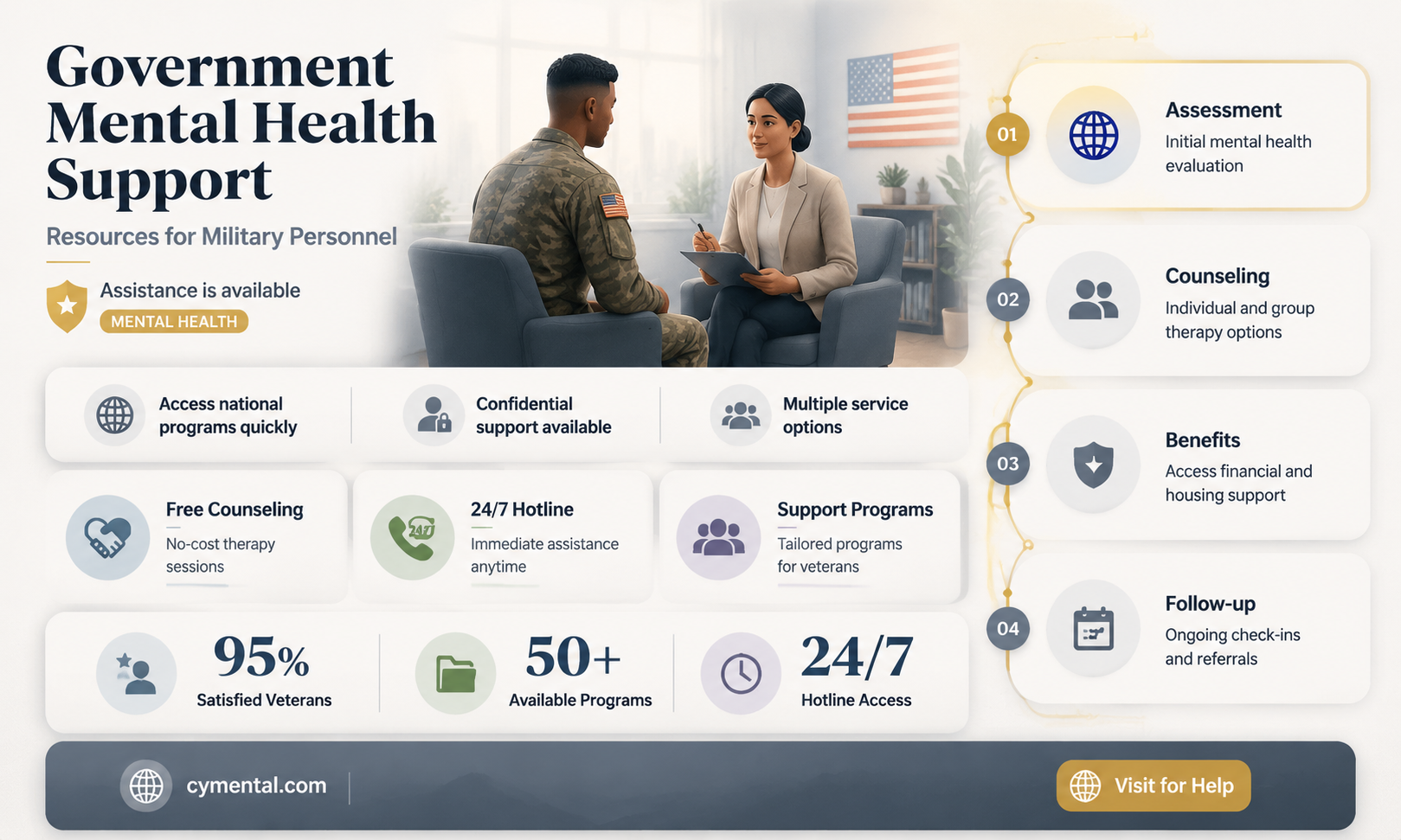
The question of whether the government provides adequate mental health support for military personnel is a critical and multifaceted issue. With the unique challenges faced by service members, including combat exposure, deployment stress, and reintegration difficulties, the need for robust mental health resources is undeniable. Governments around the world have implemented various programs and services aimed at addressing these concerns, ranging from counseling and therapy to specialized treatment for conditions like PTSD and depression. However, the effectiveness and accessibility of these resources often vary, raising concerns about gaps in care and the long-term well-being of those who serve. Understanding the scope and quality of government-provided mental health assistance is essential for ensuring that military members receive the support they need to thrive both during and after their service.
| Characteristics | Values |
|---|---|
| Availability of Mental Health Services | Yes, the U.S. government provides mental health services for active-duty military personnel, veterans, and their families through various programs and agencies. |
| Key Programs | - Military OneSource: Offers confidential counseling and support. - Veterans Affairs (VA) Mental Health Services: Provides comprehensive care for veterans. - TRICARE: Covers mental health treatment for active-duty members and families. |
| Types of Services Offered | Counseling, psychotherapy, medication management, crisis intervention, PTSD treatment, substance abuse programs, and suicide prevention initiatives. |
| Accessibility | Services are available in-person, via telehealth, and through mobile apps (e.g., VA’s Mental Health Chat). |
| Funding and Budget | Significant federal funding allocated annually for military and veteran mental health, with the VA mental health budget exceeding $10 billion in recent years. |
| Specialized Programs | - Veterans Crisis Line: 24/7 support for veterans in crisis. - Warrior Care Network: Focuses on PTSD and TBI treatment. - Make the Connection: Online resources for veterans. |
| Challenges | Stigma around seeking help, long wait times for appointments, and gaps in rural access to care. |
| Recent Initiatives | Increased focus on suicide prevention, expanded telehealth services, and partnerships with community organizations to improve access. |
| Eligibility | Active-duty military, veterans, National Guard/Reserve members, and their families are eligible for most services. |
| Outcome Metrics | Improved access to care, reduced stigma, and increased utilization of mental health services reported in recent studies. |
Explore related products


What You'll Learn

Veteran Mental Health Services
Veterans face unique mental health challenges stemming from their service, including PTSD, depression, anxiety, and substance abuse. Recognizing this, governments worldwide have established specialized programs to address these needs. In the United States, the Department of Veterans Affairs (VA) operates the Veterans Health Administration (VHA), which provides comprehensive mental health services tailored to veterans. These services include individual and group therapy, medication management, and crisis intervention. For instance, the VA’s Veterans Crisis Line (1-800-273-8255, press 1) offers 24/7 support for veterans in distress, demonstrating a commitment to immediate and accessible care.
One standout program is the VA’s PTSD treatment, which incorporates evidence-based therapies like Cognitive Processing Therapy (CPT) and Prolonged Exposure (PE). These therapies typically involve 12 weekly sessions, with veterans encouraged to engage in homework assignments to reinforce skills learned. Additionally, the VA offers telehealth services, ensuring veterans in remote areas can access care without travel burdens. For those with substance use disorders, the VA integrates mental health treatment with addiction services, often using medications like buprenorphine or naltrexone alongside counseling. This holistic approach addresses the interconnected nature of mental health and addiction.
Despite these resources, barriers to care persist. Stigma remains a significant obstacle, with many veterans reluctant to seek help due to fears of appearing weak or jeopardizing their careers. To combat this, the VA has launched campaigns like “Make the Connection,” which features real veterans sharing their stories of recovery. Another challenge is long wait times for appointments, though the VA has made strides in reducing these through increased staffing and telehealth expansion. Veterans can expedite access by enrolling in VA healthcare online or through their local VA medical center, a process that requires a DD214 form and proof of eligibility.
Comparatively, countries like Canada and the UK offer similar but distinct models. Veterans Affairs Canada provides mental health services through operational stress injury clinics, focusing on early intervention and peer support. The UK’s NHS runs the Veterans’ Mental Health Transition, Intervention, and Liaison Service (TILS), which bridges military and civilian care. While these systems share common goals, their structures reflect national healthcare frameworks. For example, the UK’s TILS is integrated into the broader NHS, whereas the U.S. VA operates as a separate entity.
In conclusion, veteran mental health services are a critical component of government support for the military, offering specialized care to address the unique challenges veterans face. While programs like the VA’s PTSD treatment and crisis line demonstrate significant progress, ongoing efforts are needed to reduce stigma and improve accessibility. Veterans should proactively enroll in available services, utilize telehealth options, and leverage peer support networks to maximize their mental health outcomes. By understanding and utilizing these resources, veterans can navigate their post-service lives with greater resilience and support.
Cardio and Mental Health: Unlocking the Mind-Body Connection
You may want to see also
Explore related products


Active Duty Counseling Programs
One standout feature of Active Duty Counseling Programs is their emphasis on prevention and early intervention. For instance, the Army’s Embedded Behavioral Health (EBH) model assigns mental health professionals directly to units, fostering trust and familiarity between counselors and soldiers. This approach allows for proactive monitoring of stress levels and early identification of mental health concerns before they escalate. Similarly, the Air Force’s Military Family Life Counseling (MFLC) program extends support to families, recognizing that familial well-being is intrinsically linked to a service member’s mental health. These programs demonstrate a holistic approach, addressing not just the individual but their support network as well.
While the availability of these programs is a significant step forward, their effectiveness hinges on service members’ willingness to utilize them. Stigma remains a persistent challenge, with many fearing that seeking help will be perceived as weakness or negatively impact their career. To combat this, the Department of Defense has launched campaigns like "Real Warriors" and "Psychological Health Resource Center," which normalize mental health care and highlight success stories of service members who have benefited from counseling. Additionally, anonymous options, such as the Military Crisis Line (text 838255 or dial 988), provide a low-stakes entry point for those hesitant to engage with formal programs.
Practical considerations also play a role in maximizing the utility of Active Duty Counseling Programs. Service members should be aware of the variety of formats available, including individual counseling, group therapy, and virtual sessions, which can accommodate different preferences and schedules. For example, the Veterans Affairs’ TeleMental Health program offers remote counseling, ideal for those stationed in remote locations or with limited mobility. Furthermore, understanding the limits of confidentiality—such as mandatory reporting requirements in cases of imminent harm—can help set realistic expectations and build trust in the system.
In conclusion, Active Duty Counseling Programs represent a robust and evolving effort by the government to address the mental health needs of military personnel. By combining accessibility, prevention, and tailored support, these programs offer a lifeline to those facing the unique stresses of military service. However, their success relies on continued efforts to reduce stigma, educate service members about available resources, and adapt to emerging needs. For active-duty personnel, taking advantage of these programs is not just a personal choice but a strategic step toward maintaining readiness and resilience in the face of adversity.
Coconut Oil and Mental Health: Exploring Potential Benefits and Science
You may want to see also
Explore related products


$19.97 $19.97


PTSD Treatment Resources
Post-traumatic stress disorder (PTSD) is a significant concern for military personnel, with studies indicating that up to 20% of veterans who served in Iraq or Afghanistan experience PTSD symptoms. Recognizing this, the U.S. government has established a range of treatment resources tailored to the unique needs of service members and veterans. These resources are designed to address the complex nature of PTSD, combining evidence-based therapies, medication, and support systems to promote recovery.
Evidence-Based Therapies: The Foundation of PTSD Treatment
Cognitive Behavioral Therapy (CBT) and Prolonged Exposure (PE) therapy are cornerstone treatments offered through government programs like the Department of Veterans Affairs (VA). CBT helps individuals reframe negative thought patterns, while PE gradually exposes them to trauma-related memories in a safe environment. For instance, the VA’s PTSD Clinical Team (PCT) provides these therapies in both individual and group settings, often tailored to age groups, such as younger veterans (18–30) or older service members (50+). Sessions typically last 60–90 minutes, with treatment spanning 8–16 weeks. Veterans can access these services at VA medical centers or community-based outpatient clinics, ensuring geographic accessibility.
Medication Management: A Complementary Approach
For some individuals, medication is a critical component of PTSD treatment. The VA and Department of Defense (DoD) commonly prescribe selective serotonin reuptake inhibitors (SSRIs) like sertraline (Zoloft) or paroxetine (Paxil), which are FDA-approved for PTSD. Dosages vary—for example, sertraline is typically started at 25 mg daily and may increase to 200 mg based on response and tolerance. Veterans are advised to follow their provider’s instructions closely, as abrupt discontinuation can lead to withdrawal symptoms. Medication is often paired with therapy for optimal outcomes, and regular follow-ups are scheduled to monitor progress and adjust treatment as needed.
Innovative and Holistic Options: Expanding the Toolkit
Beyond traditional therapies, the government supports innovative treatments such as Eye Movement Desensitization and Reprocessing (EMDR) and holistic approaches like yoga and mindfulness-based stress reduction (MBSR). EMDR, which involves bilateral stimulation to process traumatic memories, has shown promising results in reducing PTSD symptoms. MBSR programs, often offered in 8-week courses, teach veterans mindfulness techniques to manage stress and improve emotional regulation. These options are particularly appealing to those seeking non-pharmacological interventions and are available through VA centers and community partnerships.
Support Systems: The Role of Peer and Family Involvement
Recovery from PTSD is not solely an individual journey; it thrives on support networks. The VA’s Peer Support Program connects veterans with trained peers who have experienced similar challenges, fostering a sense of community and understanding. Family members are also encouraged to participate in programs like the VA’s Caregiver Support Program, which provides education, resources, and respite care. Practical tips for families include maintaining open communication, recognizing triggers, and attending joint therapy sessions to strengthen relationships and coping strategies.
Accessing Resources: A Practical Guide
Veterans and active-duty service members can access PTSD treatment resources by contacting their local VA facility, visiting the VA’s PTSD website, or calling the Veterans Crisis Line at 988. Active-duty personnel can utilize Military OneSource or their installation’s behavioral health clinic. It’s crucial to take the first step—reaching out—as early intervention significantly improves outcomes. Remember, seeking help is a sign of strength, and these resources are designed to honor the sacrifices made by those who serve.
Seeking Support: Effective Ways to Get Help When You Need It Most
You may want to see also
Explore related products





Suicide Prevention Initiatives
Military service members face unique mental health challenges, often exacerbated by combat exposure, prolonged deployments, and the stress of reintegration. Suicide prevention initiatives within the military have become a critical focus, with governments worldwide implementing targeted programs to address this urgent issue. One prominent example is the U.S. Department of Defense’s Suicide Prevention Office, which coordinates efforts across branches to provide resources, training, and support. These initiatives emphasize early intervention, stigma reduction, and access to care, recognizing that prevention requires a multifaceted approach.
A key component of these programs is mandatory mental health training for service members and their families. Courses like the U.S. Army’s Ask, Care, Escort (ACE) program teach individuals to recognize warning signs of suicidal ideation, such as withdrawal, mood changes, or direct statements of hopelessness. Participants learn to approach at-risk individuals with empathy, initiate conversations about mental health, and connect them to professional help. This peer-to-peer model empowers service members to act as first responders in crisis situations, fostering a culture of support and vigilance.
Technology also plays a pivotal role in modern suicide prevention efforts. Mobile apps like Virtual Hope Box and PTSD Coach, developed by the U.S. Department of Veterans Affairs, offer tools for managing stress, tracking moods, and accessing emergency contacts. These apps are particularly valuable for reservists or veterans who may not have immediate access to in-person care. Additionally, 24/7 crisis hotlines, such as the Veterans Crisis Line (1-800-273-8255, press 1), provide confidential support and can dispatch emergency services if needed. Such digital resources complement traditional care, ensuring help is available anytime, anywhere.
Despite these advancements, challenges remain. Stigma surrounding mental health persists, deterring some service members from seeking help. To combat this, campaigns like the U.S. Air Force’s Resilience Toolkit promote mental wellness as a core component of overall fitness, framing it as a strength rather than a weakness. Another hurdle is ensuring continuity of care during transitions from active duty to civilian life. Programs like the Transition Assistance Program (TAP) address this by providing mental health assessments, counseling referrals, and benefits information to outgoing service members, bridging the gap between military and civilian support systems.
Ultimately, suicide prevention in the military demands sustained commitment and innovation. Governments must continue investing in research, training, and technology while fostering a culture that prioritizes mental health. By combining evidence-based practices with compassionate, accessible care, these initiatives can save lives and honor the sacrifices of those who serve. Practical steps, such as integrating mental health screenings into routine medical exams and expanding telehealth services, can further enhance these efforts, ensuring no service member faces their struggles alone.
Bilingual Brains: Can Language Learning Aid Mental Health Disorders?
You may want to see also
Explore related products


Family Support for Military Members
Military families often serve as the first line of defense for their service member’s mental health, yet they frequently lack the tools and resources to fulfill this critical role effectively. The government recognizes this gap and has established programs like the Military Family Life Counseling (MFLC) program, which provides short-term, situational counseling to families dealing with deployment stress, reintegration challenges, or behavioral health concerns. These services are confidential and accessible on military installations, ensuring families can seek help without stigma or logistical barriers. However, awareness remains low; only 30% of eligible families utilize these services, highlighting the need for better outreach and education.
One practical strategy for families is to leverage the Military OneSource program, a 24/7 resource offering free non-medical counseling, financial advice, and parenting support. For instance, spouses of deployed service members can access up to 12 sessions of counseling per issue, addressing anxiety, depression, or marital strain. Additionally, the program provides specialized resources for children, such as age-appropriate workshops on coping with parental deployment, available for kids aged 6–18. Families should proactively schedule these sessions during pre-deployment phases to build resilience before crises arise.
A comparative analysis reveals that while individual counseling is widely available, group support programs for families are underutilized. Programs like the Family Readiness Group (FRG) foster community connections but often focus on administrative updates rather than emotional support. To bridge this gap, families can advocate for peer-led support groups within their FRG, using platforms like the National Military Family Association’s forums to share experiences and strategies. Such initiatives not only reduce isolation but also normalize discussions around mental health, making it easier for families to seek help when needed.
Finally, families must navigate the complexities of transitioning between military and civilian healthcare systems, particularly when accessing mental health services. The TRICARE insurance program covers family members but requires careful coordination during relocations or separations from service. Families should maintain a checklist of steps: updating TRICARE enrollment post-move, identifying local providers in the network, and understanding copay structures. By staying informed and proactive, families can ensure continuity of care, preventing gaps that exacerbate mental health challenges during already stressful transitions.
Weightlifting's Mental Benefits: Boosting Mood, Focus, and Resilience
You may want to see also
Frequently asked questions
Yes, the government offers a range of mental health services tailored for active-duty military, veterans, and their families through organizations like the Department of Defense (DoD) and the Department of Veterans Affairs (VA).
Programs include counseling, therapy, crisis hotlines, PTSD treatment, substance abuse support, and resilience training, accessible through military bases, VA hospitals, and community providers.
Yes, veterans can access mental health care through the VA, which provides services like therapy, medication management, and specialized programs for conditions like PTSD and depression.
Yes, military families can access free or low-cost mental health resources through Military OneSource, TRICARE, and family support programs offered by the DoD and VA.
Military members can seek confidential help through non-medical counseling services, chaplains, or the Veterans Crisis Line, which ensures privacy unless there is an immediate risk of harm.