Noah Parker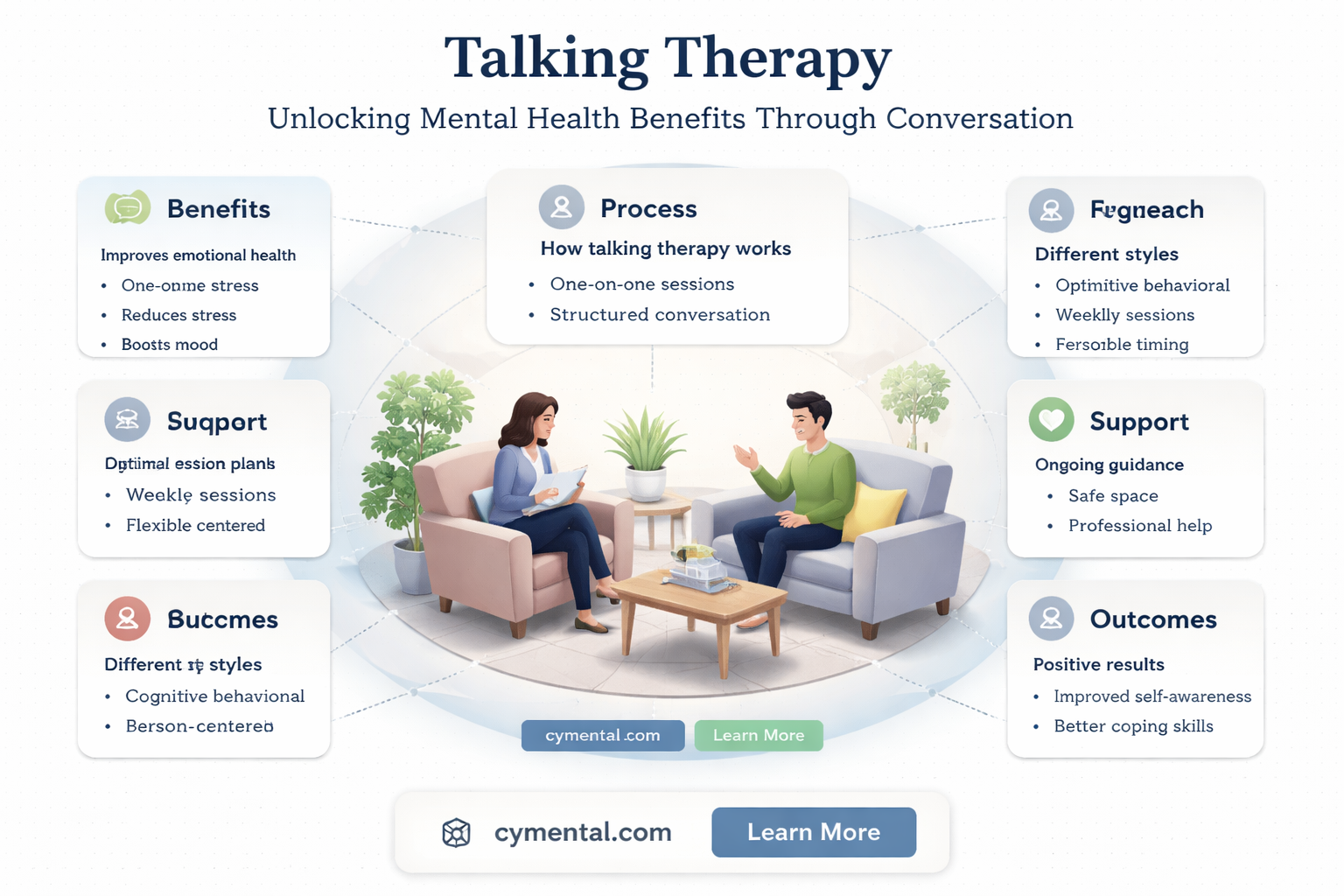
Talking about mental health can be a powerful tool for improving overall well-being, as it allows individuals to express their thoughts, emotions, and struggles in a safe and supportive environment. Engaging in open conversations with trusted friends, family, or mental health professionals can help reduce feelings of isolation, provide valuable perspectives, and foster a sense of connection. Research suggests that verbalizing one’s experiences can alleviate stress, anxiety, and depression by normalizing emotions and offering clarity. Additionally, talking encourages problem-solving, as others may offer insights or coping strategies that the individual hadn’t considered. Ultimately, communication serves as a vital step toward healing, self-awareness, and seeking appropriate support for mental health challenges.
| Characteristics | Values |
|---|---|
| Stress Reduction | Talking about stressors can lower cortisol levels and reduce physiological symptoms of stress. |
| Emotional Release | Expressing emotions verbally helps process and release pent-up feelings, reducing emotional burden. |
| Cognitive Reframing | Discussing problems with others can provide new perspectives, helping individuals reframe negative thoughts. |
| Social Support | Talking fosters a sense of connection and belonging, which is crucial for mental well-being. |
| Validation | Sharing experiences with empathetic listeners validates feelings, reducing feelings of isolation. |
| Problem-Solving | Verbalizing issues often clarifies thoughts and leads to actionable solutions. |
| Improved Coping Skills | Regular conversation can enhance emotional regulation and coping mechanisms over time. |
| Reduced Symptoms of Depression/Anxiety | Studies show that talking therapies (e.g., CBT) significantly reduce symptoms of depression and anxiety. |
| Enhanced Self-Awareness | Discussing thoughts and feelings promotes introspection and self-understanding. |
| Prevention of Mental Health Decline | Open communication can prevent minor issues from escalating into severe mental health problems. |
| Neurological Benefits | Talking activates brain regions associated with emotional processing and regulation (e.g., prefrontal cortex). |
| Accessibility | Talking is a low-cost, widely accessible form of mental health support compared to formal therapy. |
| Cultural Acceptance | In many cultures, talking about mental health is increasingly accepted, reducing stigma. |
| Long-Term Resilience | Consistent verbal expression of emotions builds emotional resilience over time. |
| Complementary to Therapy | Talking with friends/family can complement professional therapy, enhancing overall mental health outcomes. |
Explore related products

$16.98 $30


What You'll Learn
- Social Connection: Reduces loneliness, fosters support networks, and enhances emotional well-being through meaningful interactions
- Emotional Release: Expressing feelings alleviates stress, prevents bottling up, and promotes psychological relief
- Cognitive Processing: Verbalizing thoughts clarifies problems, improves decision-making, and boosts mental clarity
- Validation & Empathy: Sharing experiences fosters understanding, reduces stigma, and increases self-worth
- Therapeutic Benefits: Structured conversations with professionals provide coping strategies and long-term mental health improvement

Social Connection: Reduces loneliness, fosters support networks, and enhances emotional well-being through meaningful interactions
Loneliness isn’t merely a fleeting emotion; it’s a chronic stressor that rewires the brain’s threat response, elevating cortisol levels and increasing the risk of depression, anxiety, and even cardiovascular disease. Social connection acts as an antidote, recalibrating this stress response. Research shows that individuals with robust social networks exhibit lower cortisol levels during stressful tasks compared to isolated peers. A study published in *Psychosomatic Medicine* found that those with diverse social ties had a 50% lower mortality risk over seven years. The mechanism is clear: meaningful interactions buffer the physiological toll of loneliness by activating oxytocin release, which counteracts stress hormones and fosters a sense of safety.
Building a support network isn’t about accumulating acquaintances; it’s about cultivating relationships that provide emotional reciprocity. Start by identifying 2–3 individuals with whom you can share vulnerabilities without fear of judgment. Schedule weekly check-ins—whether a 30-minute call or a shared activity—to maintain consistency. For those in transitional phases (e.g., moving cities or changing careers), join community groups aligned with personal interests. Apps like Meetup or local volunteer organizations offer low-stakes environments to connect. Caution: avoid oversharing with those who drain your energy or dismiss your feelings. Prioritize quality over quantity, as even one reliable confidant can significantly reduce feelings of isolation.
Emotional well-being thrives on interactions that go beyond small talk. Engage in conversations that explore shared values, challenges, or aspirations. For instance, instead of asking, “How was your day?” try, “What’s something you’re looking forward to this week?” or “What’s been on your mind lately?” Active listening—maintaining eye contact, nodding, and reflecting back what’s said—deepens connection. For those struggling to initiate, start with self-disclosure. Sharing a personal struggle first can create a safe space for others to reciprocate. Pro tip: keep a journal of conversation topics or questions to avoid awkward silences and steer discussions toward meaningful territory.
Comparing the impact of social connection across age groups reveals its universal yet age-specific benefits. For adolescents, peer relationships are critical for identity formation; group activities like team sports or study groups reduce feelings of alienation. Adults benefit most from partnerships that balance intimacy and autonomy, such as couples therapy or friend groups that encourage vulnerability. Seniors, often at higher risk of isolation, see significant improvements in cognitive function and mood through intergenerational programs or technology-mediated interactions (e.g., video calls with family). Across the lifespan, the key is tailoring connection to developmental needs—whether it’s playdates for children or book clubs for retirees.
To maximize the mental health benefits of social connection, treat it as a daily practice, not an afterthought. Dedicate 15–30 minutes each day to meaningful interaction, whether in person or virtually. Track your mood over time using apps like Daylio to observe patterns between social engagement and emotional well-being. If loneliness persists despite efforts, consider joining a support group or seeking a therapist who specializes in interpersonal challenges. Remember: social connection is a skill, not an innate trait. Like any skill, it improves with intentionality, patience, and practice. Start small, stay consistent, and watch as your emotional resilience grows.
Meditation and Mental Health: A Powerful Tool for Healing?
You may want to see also
Explore related products


Emotional Release: Expressing feelings alleviates stress, prevents bottling up, and promotes psychological relief
Unspoken emotions fester, accumulating weight that drags down both mind and body. This internal pressure cooker scenario is a breeding ground for stress, anxiety, and even physical ailments. Expressing these emotions, however, acts as a release valve, allowing the built-up tension to escape and preventing a potentially catastrophic emotional explosion.
Imagine a dam holding back a river. The water, representing our emotions, constantly builds pressure against the structure. If left unchecked, the dam will eventually burst, causing widespread damage. Talking about our feelings is like opening a sluice gate, allowing the water to flow freely and preventing a catastrophic breach.
This isn't merely metaphorical. Studies show a direct link between emotional suppression and increased stress levels. Research published in the journal *Health Psychology* found that individuals who tended to bottle up their emotions experienced higher levels of cortisol, the body's primary stress hormone. Conversely, those who openly expressed their feelings exhibited lower cortisol levels and reported feeling more emotionally balanced.
Think of it as a daily emotional hygiene routine. Just as we brush our teeth to prevent cavities, expressing our feelings regularly prevents the buildup of emotional "plaque" that can lead to mental health issues.
But how do we effectively release these emotions? It's not always as simple as blurting out our feelings. Consider these practical strategies:
- Identify and Label: Start by recognizing and naming the emotion you're experiencing. Is it anger, sadness, fear, or something else? Putting a label on it helps to objectify the feeling, making it less overwhelming.
- Choose Your Outlet: Talking to a trusted friend, family member, therapist, or even journaling can be incredibly cathartic. Some find creative outlets like painting, writing, or music helpful in expressing emotions that are difficult to put into words.
- Practice Active Listening: When someone else shares their feelings with you, be fully present and attentive. Avoid interrupting or offering quick fixes. Simply listening and acknowledging their experience can be a powerful form of emotional release for both parties.
- Mindfulness Practices: Techniques like meditation and deep breathing can help us become more aware of our emotions without being overwhelmed by them. This allows us to express them in a more controlled and constructive manner.
Remember, emotional release is not about indulging in dramatic outbursts or wallowing in negativity. It's about acknowledging and processing our feelings in a healthy way, allowing us to move forward with greater clarity and emotional resilience.
Can Hospitals Provide Effective Mental Health Support and Treatment?
You may want to see also
Explore related products





Cognitive Processing: Verbalizing thoughts clarifies problems, improves decision-making, and boosts mental clarity
Verbalizing thoughts acts as a cognitive decluttering tool, transforming abstract mental noise into structured, tangible ideas. When you articulate a problem aloud, you force your brain to organize fragmented thoughts into a linear narrative. This process, akin to debugging code, highlights inconsistencies, assumptions, and gaps in logic. For instance, a study in *Psychological Science* found that labeling emotions in words reduces activity in the amygdala, the brain’s alarm center, effectively calming emotional intensity. Practical tip: Spend 5–10 minutes daily journaling or speaking into a voice recorder to externalize swirling thoughts.
Consider decision-making as a mental algorithm: verbalization improves its efficiency. When you explain options aloud, you engage the prefrontal cortex, the brain’s decision hub, more actively. This shifts thinking from reactive (emotional) to responsive (rational). For example, couples in therapy often report clearer conflict resolution when they verbalize their perspectives, as it reduces misinterpretation and fosters mutual understanding. Dosage suggestion: Before making a significant decision, articulate the pros and cons aloud or in a structured list, then revisit them after 24 hours to assess clarity.
Mental clarity thrives on the act of translating internal monologue into external dialogue. This dual-coding—thinking and speaking—strengthens memory and comprehension. Research from the University of Waterloo shows that explaining concepts to a rubber duck (a technique called "rubber duck debugging") improves problem-solving by 40%. The act of teaching or explaining forces you to simplify complexity, revealing hidden solutions. Practical application: If overwhelmed, explain your dilemma to a friend, pet, or even an inanimate object—the act of verbalizing shifts perspective and uncovers clarity.
However, not all verbalization is created equal. Vague or repetitive talking (e.g., rehashing worries without structure) can reinforce anxiety. Effective cognitive processing requires intentionality: use frameworks like the "5 Whys" technique (asking "why" repeatedly to uncover root causes) or the Socratic method (questioning assumptions). Caution: Avoid verbalizing in high-stress states without grounding techniques, as this may amplify distress. Pair talking with deep breathing or physical grounding (e.g., touching a textured object) for optimal results.
Incorporating verbalization into daily routines yields compounding benefits. Start small: label emotions during transitions (e.g., "I feel frustrated because the meeting ran over"). Progress to structured practices like weekly reflective conversations or problem-solving dialogues. For children and teens, encourage "think-aloud" exercises during homework to enhance metacognition. For adults, integrate verbal processing into team meetings or personal planning sessions. The key is consistency—like a mental hygiene practice, verbalizing thoughts regularly prevents cognitive congestion and fosters sustained clarity.
Supporting Mental Health: Effective Ways to Help a Loved One in Need
You may want to see also
Explore related products


$7.84 $14.99
$6.79 $14.99


Validation & Empathy: Sharing experiences fosters understanding, reduces stigma, and increases self-worth
Sharing personal struggles isn’t just an act of vulnerability—it’s a catalyst for connection. When someone openly discusses their mental health challenges, it invites others to recognize shared humanity. For instance, a study published in the *Journal of Social and Clinical Psychology* found that individuals who disclosed their mental health issues to peers experienced a 25% reduction in feelings of isolation. This act of sharing doesn’t merely lighten the speaker’s burden; it reshapes the listener’s perspective, fostering empathy and dismantling misconceptions.
Consider the mechanics of validation: when a person’s emotions or experiences are acknowledged as real and legitimate, it activates the brain’s reward system, releasing dopamine. This neurochemical response reinforces self-worth, counteracting the self-doubt often exacerbated by mental health struggles. For example, a therapist using reflective listening—repeating back a client’s feelings to confirm understanding—can create a safe space where the client feels seen and heard. This technique isn’t exclusive to professionals; friends and family can employ it by saying, “It makes sense that you feel overwhelmed given everything you’re juggling.”
Stigma thrives in silence, but it withers under the weight of collective narratives. Take the #MeToo movement as a parallel: mass sharing of personal stories not only exposed systemic issues but also normalized conversations around trauma. Similarly, mental health advocacy campaigns like “Time to Change” in the UK reduced stigma by 5% over five years through storytelling initiatives. When individuals hear others articulate similar struggles, they’re less likely to internalize shame, viewing their challenges as part of a shared human experience rather than personal failings.
Practical steps to harness this dynamic include creating structured spaces for dialogue, such as peer support groups or workplace wellness programs. For instance, a weekly “check-in” meeting where employees share one personal or professional challenge can cultivate a culture of openness. Caution, however, is necessary: sharing should be voluntary, and boundaries must be respected. Not everyone is ready to disclose, and pressuring them can backfire. Start small—a casual “How are you, really?” can open doors without forcing them.
Ultimately, validation and empathy aren’t just feel-good concepts; they’re evidence-based tools for mental health improvement. By normalizing vulnerability and actively listening, individuals and communities can transform isolation into solidarity. The takeaway? Sharing isn’t just about offloading pain—it’s about rebuilding self-worth, one conversation at a time.
Concerta and Mental Alertness: Boosting Focus and Cognitive Performance
You may want to see also
Explore related products





Therapeutic Benefits: Structured conversations with professionals provide coping strategies and long-term mental health improvement
Structured conversations with mental health professionals are not just about venting emotions; they are a strategic tool for building resilience and fostering long-term mental well-being. Unlike casual chats, therapeutic sessions follow evidence-based frameworks like cognitive-behavioral therapy (CBT) or dialectical behavior therapy (DBT), which systematically address maladaptive thought patterns and behaviors. For instance, a 2020 meta-analysis in *JAMA Psychiatry* found that CBT, delivered in 12–20 sessions, reduces symptoms of anxiety and depression by 50–60% in adults aged 18–65. This structured approach ensures that conversations are goal-oriented, providing actionable coping strategies rather than temporary relief.
Consider the process as a mental workout: just as physical therapy strengthens muscles, therapy strengthens psychological resilience. A typical session might involve identifying a specific trigger (e.g., social rejection), analyzing the resulting thought spiral ("I’m unlikable"), and replacing it with a balanced perspective ("Not everyone will like me, and that’s okay"). Over time, this rewires neural pathways, reducing the intensity of future triggers. For adolescents, family-based therapies like Functional Family Therapy (FFT) have shown a 30% reduction in behavioral issues after 12–16 sessions, highlighting the adaptability of structured conversations across age groups.
However, the effectiveness of these conversations hinges on consistency and collaboration. Clients must commit to "homework" assignments, such as journaling or practicing mindfulness, to reinforce session insights. For example, a 2019 study in *Psychotherapy Research* found that patients who completed 70% of assigned tasks between sessions experienced twice the symptom improvement compared to those who completed less. Professionals also tailor strategies to individual needs—a person with generalized anxiety might learn progressive muscle relaxation, while someone with PTSD could benefit from exposure therapy. This customization ensures that coping mechanisms are not one-size-fits-all but precisely calibrated tools.
Critics might argue that structured therapy is time-consuming or expensive, but its long-term ROI is undeniable. A 2021 report by the World Health Organization estimated that untreated mental health issues cost the global economy $1 trillion annually in lost productivity. In contrast, investing in therapy yields a 4:1 return by reducing healthcare costs and improving workplace performance. For those concerned about accessibility, digital platforms like BetterHelp or Talkspace offer structured sessions at reduced rates, often with sliding-scale fees. Even group therapies, which cost 30–50% less than individual sessions, provide structured coping strategies in a communal setting.
Ultimately, structured conversations with professionals are not a quick fix but a transformative process. They equip individuals with a mental toolkit—techniques like grounding exercises, cognitive reframing, or emotional regulation—that can be deployed in real-time crises. For example, a person using DBT’s "WISE MIND" technique can pause during a conflict, balancing emotional impulses with rational thought. This shift from reactivity to responsiveness is the hallmark of long-term mental health improvement. By treating therapy as a partnership rather than a monologue, individuals can turn conversations into catalysts for lasting change.
Can You Require a Spouse to Seek Mental Health Treatment?
You may want to see also
Frequently asked questions
Yes, talking about your feelings can significantly improve mental health. Expressing emotions helps reduce stress, provides clarity, and fosters a sense of connection. It can also help identify underlying issues and promote self-awareness.
While talking to friends or family can be helpful, therapists provide professional guidance, unbiased perspectives, and evidence-based strategies tailored to your needs. Both can be beneficial, but therapy often offers deeper, more structured support.
It’s okay to take your time. Start with small steps, like journaling or talking to someone you trust. Gradually opening up can build confidence. Remember, seeking help is a sign of strength, not weakness.
While discussing difficult emotions might temporarily bring up discomfort, it’s a necessary part of healing. With the right support, talking about mental health generally leads to long-term improvement rather than worsening symptoms.